
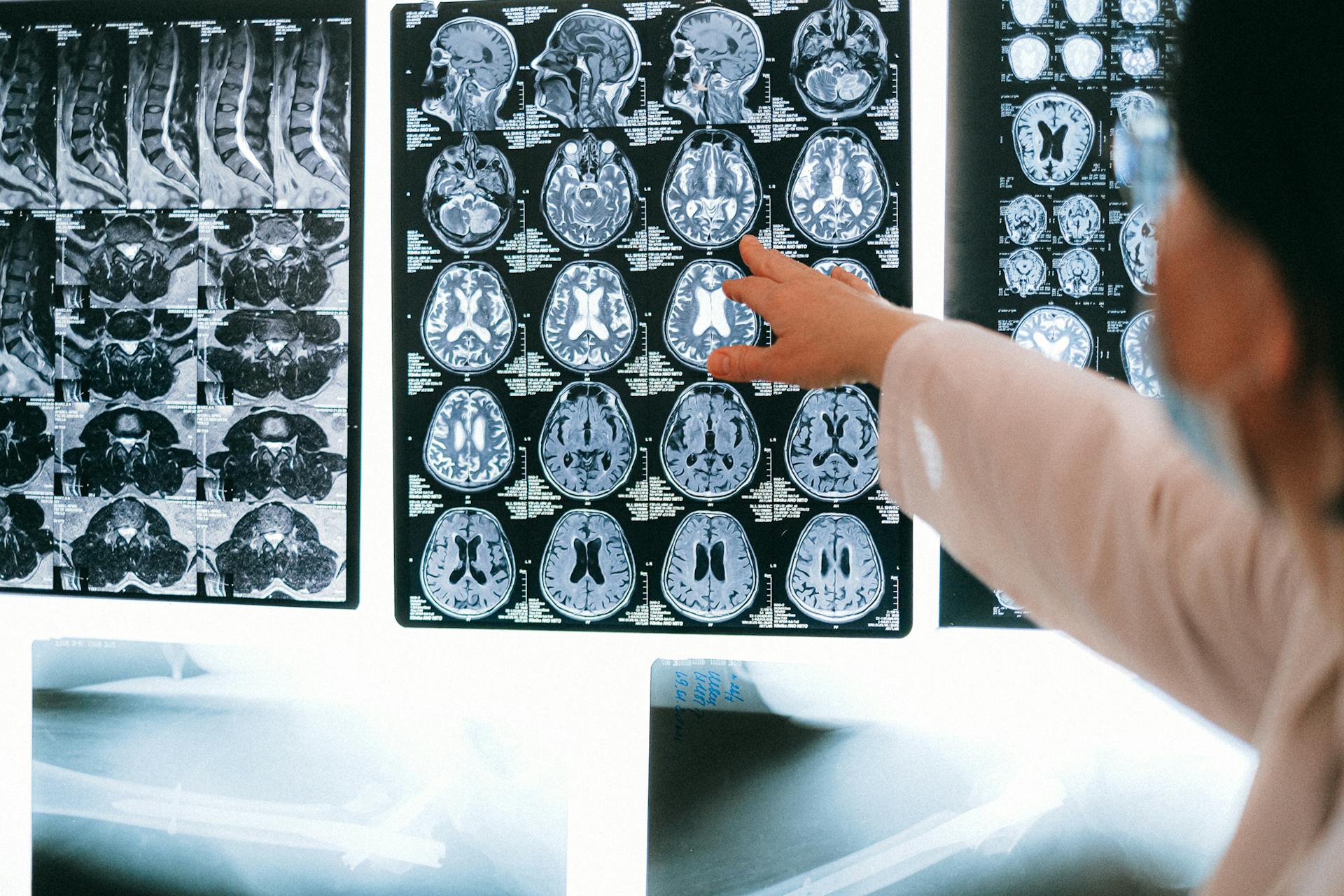
When you think of healthcare, doctors and nurses come to mind first. However, behind nearly every diagnosis, a team of skilled professionals plays a pivotal role. These heroes operate complex machinery to provide the literal picture of a patient’s health, making a career as a radiologic technologist essential to modern medicine.
If you are fascinated by technology, driven to help people, and have a keen eye for detail, then a career in radiologic technology could be your perfect fit. Often called “rad techs,” these professionals are the backbone of diagnostic imaging. This in-depth guide will illuminate the entire path for anyone considering a career as a radiologic technologist—from education to the immense rewards of this dynamic healthcare career.
What Does a Career as a Radiologic Technologist Truly Involve?
The simplest answer is that radiologic technologists perform diagnostic imaging exams. But that’s just scratching the surface. A career as a radiologic technologist is a sophisticated blend of technical expertise, scientific knowledge, and compassionate patient care. On any given day, a rad tech is responsible for a wide array of critical tasks.
Core Responsibilities in a Rad Tech Career:
- Patient Positioning: This is an art form. A technologist must precisely position the patient’s body to get a clear and useful diagnostic image. A slight error in angle can obscure critical information.
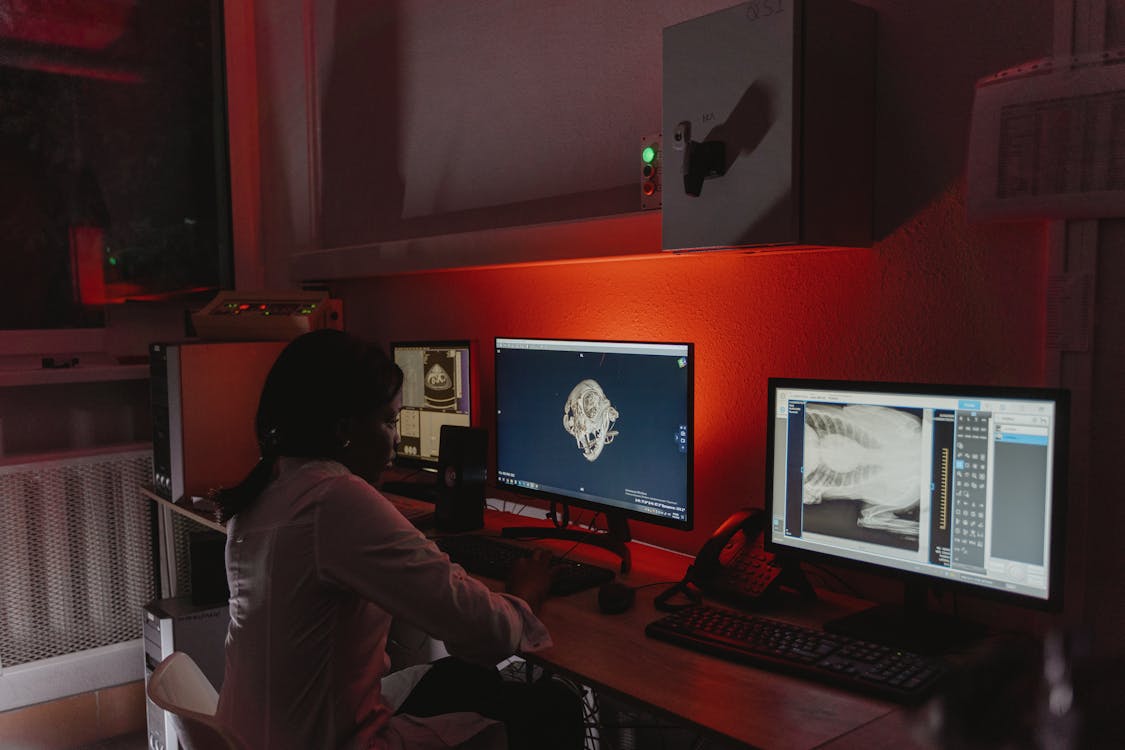
- Operating Advanced Equipment: Rad techs are masters of their machines, whether it’s an X-ray, CT, or MRI unit. They must understand the physics behind the technology, including the role of AI in healthcare, to select the proper settings for each examination.
- Ensuring Radiation Safety: Patient safety is the number one priority. Technologists are rigorously trained in the principles of ALARA (“As Low As Reasonably Achievable”) to minimize radiation exposure for everyone involved.
- Patient Care and Communication: Patients are often anxious or in pain. A great rad tech explains the procedure clearly, answers questions, and provides comfort and reassurance, making a stressful situation more manageable.
- Collaboration with Radiologists: The technologist works with a radiologist to ensure the images are of high diagnostic quality. They provide the “eyes” for the doctor who will ultimately make a diagnosis.
In essence, a radiologic technologist is the vital link between the patient, the technology, and the doctor.
Core Qualities for a Successful Radiologic Technologist Career
This career path requires more than just a certificate. To truly excel in a radiologic technologist career and provide the best patient care, certain innate qualities are essential.
“You need a sharp mind for the technology, but a soft heart for the patients. It’s that combination that makes a technologist truly exceptional.”
- Attention to Detail: From checking a patient’s medical history to positioning them by millimeters, precision is non-negotiable.
- Technical Aptitude: You must be comfortable learning and operating complex machinery and troubleshooting minor issues.
- Empathy and Strong Communication: The ability to connect with and calm patients from all walks of life is a superpower in this field.
- Physical Stamina: The job often involves long periods of standing, as well as lifting and moving patients.
- Composure Under Pressure: In trauma situations, you must remain calm and efficient. Mastering work stress is key to getting the necessary images quickly and safely.
The Educational Pathway for Your Radiologic Technologist Career
The journey to begin your career as a radiologic technologist is structured and requires dedication. Here’s the step-by-step educational roadmap you’ll need to follow.
Step 1: Choose Your Educational Program
You have a few options for your primary education. The most common are:
- Associate of Applied Science (A.A.S.): This is the most common route, typically taking about two years. It’s a focused program providing all the necessary training to become eligible for certification.
- Bachelor of Science (B.S.): A four-year degree is beneficial for future leadership, management, or teaching roles within your radiologic technologist career.
- Certificate Program: These are for individuals who already have a degree and want to transition into radiography.
Crucially, no matter which path you choose, you must ensure the program is accredited by the Joint Review Committee on Education in Radiologic Technology (JRCERT). Accreditation is a mark of quality and a requirement for certification.
Step 2: Excel in Your Coursework and Clinicals
Your program will consist of two parts. First, didactic coursework will cover subjects like anatomy, patient positioning, radiation physics, and medical ethics. Second, and just as important, is your clinical training, where you will spend hundreds of hours in a real hospital or clinic setting.
Step 3: Earn Your Primary Certification
Upon graduating, you must pass the certification exam from the American Registry of Radiologic Technologists (ARRT). Passing this exam earns you the credential “R.T.(R)” (Registered Technologist in Radiography), a nationally recognized standard.
Step 4: Obtain State Licensure
Most states require radiologic technologists to be licensed to practice. ARRT certification is usually the primary requirement for obtaining a state license.

Career Advancement Beyond X-Ray: Specializations in Radiologic Technology
A career as a radiologic technologist is not a dead end. Radiography is a gateway to numerous exciting and higher-paying specializations. After earning your primary certification, you can pursue advanced training and certification in modalities like:
- Computed Tomography (CT): CT techs use sophisticated X-ray equipment to create cross-sectional images of the body.
- Magnetic Resonance Imaging (MRI): MRI techs use powerful magnets and radio waves to generate detailed images, especially of soft tissues.
- Mammography: These technologists specialize in using low-dose X-rays to screen for and diagnose breast cancer, playing a key role in maternal care and women’s health.
- Interventional Radiology (IR): In IR, technologists assist radiologists in performing minimally invasive, image-guided procedures.
Furthermore, an experienced rad tech can advance their career in radiologic technology by moving into non-clinical roles like a lead technologist, a department manager, or a clinical instructor.

Job Outlook for a Career as a Radiologic Technologist
The future for those pursuing a career as a radiologic technologist is bright. According to the U.S. Bureau of Labor Statistics, employment is projected to grow faster than the average for all occupations. This demand is driven by an aging population that requires more diagnostic imaging and the continuous development of new technologies.
The work environment for a rad tech career is varied, including:
- Hospitals (the largest employer)
- Outpatient imaging centers
- Physicians’ offices
- Mobile imaging services
- Urgent care clinics
Bonus Section: A Day in the Life of a Rad Tech
So, what does all of this look like in practice? Imagine a typical day in your rad tech career. Your morning might start with a scheduled outpatient, an older gentleman needing a routine chest X-ray. Here, your empathy shines as you patiently explain the process and help him into the correct position. The technical part is quick, but the human connection makes all the difference.
An hour later, an alert comes from the emergency room. A patient from a car accident needs immediate CT scans of their head and abdomen. Now, your composure under pressure is key. You work quickly and efficiently with the trauma team, your focus narrowed to getting the precise images the doctors need to save a life. The adrenaline is real, but so is the sense of purpose.
The afternoon could bring something entirely different: a pediatric MRI. This requires a unique skill set—making a child comfortable and still inside a large, noisy machine. It’s a challenge of communication and creativity. Seeing the relief on a parent’s face when the scan is successfully completed is its own reward. This variety—from routine to critical, from older patients to pediatric ones—is what makes a career as a radiologic technologist so consistently engaging and meaningful.
Why a Career as a Radiologic Technologist Makes a Difference
Choosing a career as a radiologic technologist is about more than earning a stable income in a growing field. It’s about being at the intersection of technology and humanity. You are the person who guides a patient through a moment of vulnerability and provides the critical images that will inform their care. Exploring other roles, such as a career as a medical laboratory technician, can also offer similar fulfillment.
It’s a profession that demands scientific rigor, technical skill, and deep compassion. For the right person, this is not just a job—it’s a calling to create a clear picture of health, one patient at a time. Pursuing a career in radiography can be an immensely rewarding choice.

Credible Sources & Further Reading
To deepen your understanding of a career as a radiologic technologist, we highly recommend exploring these official and authoritative resources.
- U.S. Bureau of Labor Statistics (BLS) – Radiologic and MRI Technologists: The definitive source for data on salary, job growth, and occupational outlook.
- American Registry of Radiologic Technologists (ARRT): The official credentialing organization detailing requirements for certification and ethics.
- American Society of Radiologic Technologists (ASRT): The premier professional membership association, offering career resources and continuing education.
- Joint Review Committee on Education in Radiologic Technology (JRCERT): The official accrediting body for educational programs in radiography.
- RadiologyInfo.org: A public information website explaining procedures from a patient’s perspective.
A Career in Radiologic Technology
Your Complete Interactive Guide to Becoming a Rad Tech
What Does a Rad Tech Do?
Radiologic Technologists are the skilled professionals behind diagnostic imaging, blending patient care with technical expertise.
- Precisely position patients for clear images.
- Operate advanced X-ray, CT, and MRI machinery.
- Ensure radiation safety for patients and staff.
- Provide comfort and clear communication.
- Collaborate with radiologists on image quality.
Do You Have What It Takes?
Success in this field requires a unique combination of technical aptitude and a compassionate heart.
- Attention to Detail: Precision is non-negotiable.
- Technical Aptitude: Comfort with complex machinery.
- Empathy & Communication: A superpower for patient care.
- Physical Stamina: Involves standing and assisting patients.
- Composure Under Pressure: Essential in trauma situations.
Your Educational Pathway
The journey to becoming a certified Rad Tech is structured and requires dedication.
- Choose an Accredited Program: An Associate or Bachelor’s degree from a JRCERT-accredited school.
- Excel in Coursework & Clinicals: Master anatomy, physics, and gain hands-on experience.
- Earn ARRT Certification: Pass the national exam to earn the R.T.(R) credential.
- Obtain State Licensure: Fulfill your state’s requirements to practice legally.
Beyond X-Ray: Specializations
Radiography is a gateway to numerous exciting and higher-paying advanced modalities.
- Computed Tomography (CT): Create cross-sectional body images.
- Magnetic Resonance Imaging (MRI): Use magnets for detailed soft tissue images.
- Mammography: Specialize in breast cancer screening.
- Interventional Radiology (IR): Assist in minimally invasive procedures.
- Leadership Roles: Become a manager or clinical instructor.
Job Outlook & Environment
The future is bright, with projected job growth faster than the national average due to an aging population and new technology.
- High Demand: A secure and growing field.
- Varied Workplaces: Opportunities in hospitals, clinics, and outpatient centers.
- Stable Career: Essential role in the healthcare industry.