A healthy lifestyle is about more than eating nutritious food or exercising regularly. It involves taking care of your physical health, mental well-being, emotional balance, relationships, and everyday habits. These aspects of health are closely connected, and small improvements in one area can support positive changes in others.
A holistic healthy lifestyle focuses on the whole person rather than treating health as a collection of separate concerns. It encourages practical, sustainable choices that fit your daily routine, personal needs, and circumstances.
The good news is that you do not need to change everything overnight. By developing a few consistent habits, you can create a healthier routine that supports your overall well-being over time. Here are seven essential habits to help you get started.
What Is a Holistic Healthy Lifestyle?
A holistic healthy lifestyle is an approach to well-being that considers how different parts of your life influence one another. Instead of focusing only on physical fitness or nutrition, it recognizes the importance of mental, emotional, social, and environmental factors.

The goal is to build a balanced way of living that supports your overall health.
Understanding Holistic Health
Holistic health looks at the person as a whole. Your physical condition, daily behavior, emotional experiences, relationships, and surroundings can all influence how you feel and function.
For example, a demanding work schedule may affect your sleep. Poor sleep can make it harder to concentrate, manage stress, or maintain healthy eating habits. Over time, these factors may influence your physical and emotional well-being.
The National Center for Complementary and Integrative Health explains that whole-person health considers interconnected biological, behavioral, social, and environmental factors. You can explore its overview in Whole Person Health: What It Is and Why It’s Important.
The Connection Between Mind, Body, and Daily Habits
Your mind and body do not operate independently. Physical activity can support mental well-being, while ongoing stress may affect sleep and everyday routines. Social support can also influence how people cope with difficult experiences.
A holistic approach encourages you to pay attention to these connections. It does not mean that every health concern can be solved through lifestyle changes. Rather, it recognizes that daily habits can complement appropriate medical care and professional support.
Why Is a Holistic Healthy Lifestyle Important?
Developing healthy habits can support your quality of life in several ways. A balanced routine helps you pay attention to your physical needs while making room for mental well-being, meaningful relationships, and personal recovery.
Supporting Physical Health
Nutritious food, regular movement, adequate sleep, and preventive health care all contribute to physical well-being. These habits can help support normal body functions, maintain mobility, and promote long-term health.
The benefits do not depend on following a perfect routine. Consistent, realistic choices are often more practical than extreme diets or demanding exercise plans that are difficult to maintain.
Supporting Mental and Emotional Well-Being
Mental well-being is an important part of overall health. Activities such as walking, practicing mindfulness, maintaining social connections, and making time for rest can help support emotional balance.
These practices are not substitutes for mental health treatment. If anxiety, depression, or emotional distress interferes with daily life, consider speaking with a qualified health professional.
For more practical ideas, read our guide to practical mental wellness tips.
Building Sustainable Daily Habits
A healthy lifestyle is not a short-term challenge. It is a collection of everyday decisions that gradually become part of your routine.
Choosing an activity you enjoy, preparing simple meals, and maintaining a consistent sleep schedule can make healthy choices easier to repeat. A sustainable routine should also allow flexibility when work, family responsibilities, or unexpected events affect your schedule.
7 Essential Habits for a Holistic Healthy Lifestyle
You do not need to adopt all seven habits at once. Start with the areas that need the most attention and build from there.
1. Eat a Balanced and Nutritious Diet
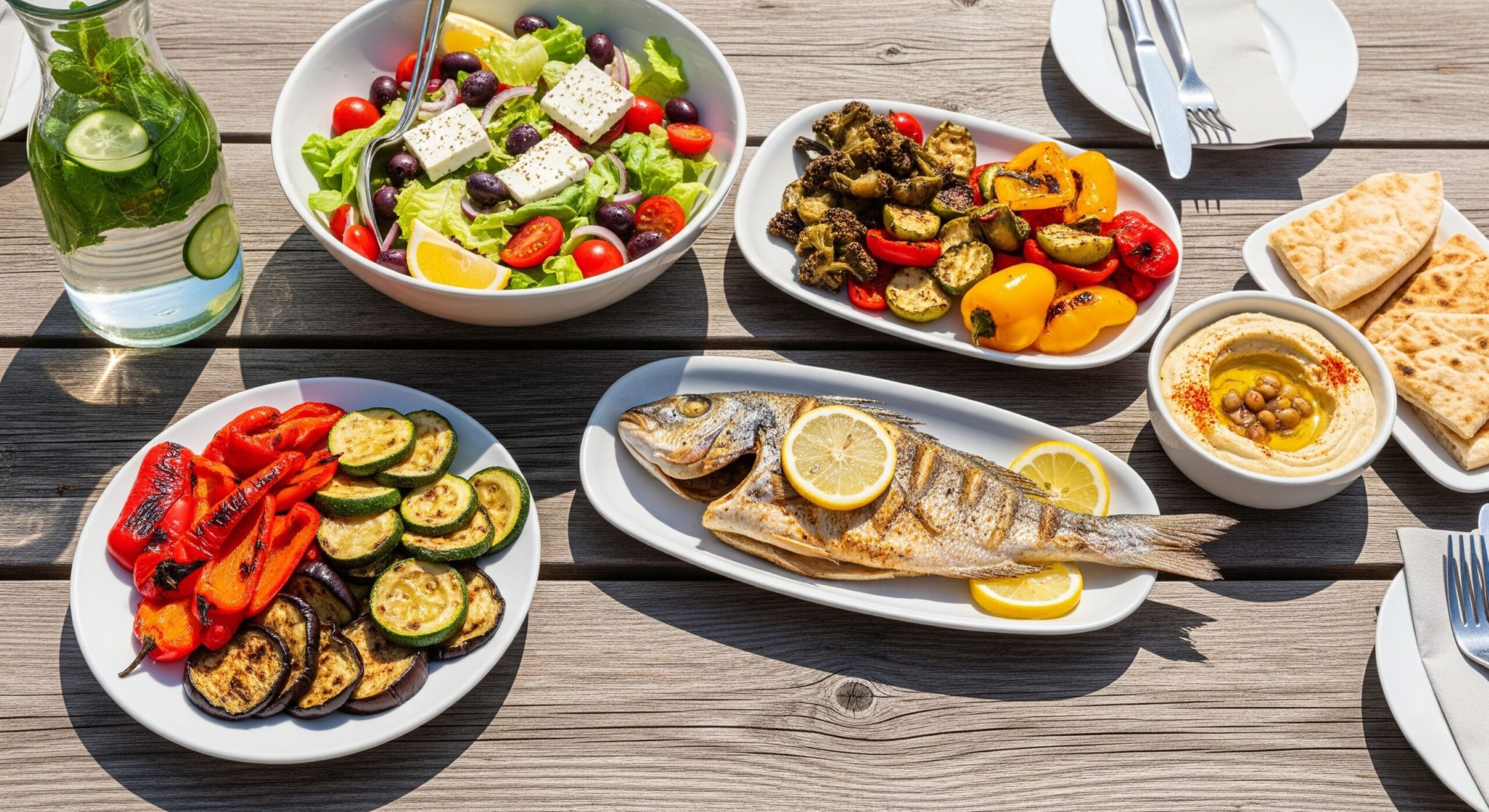
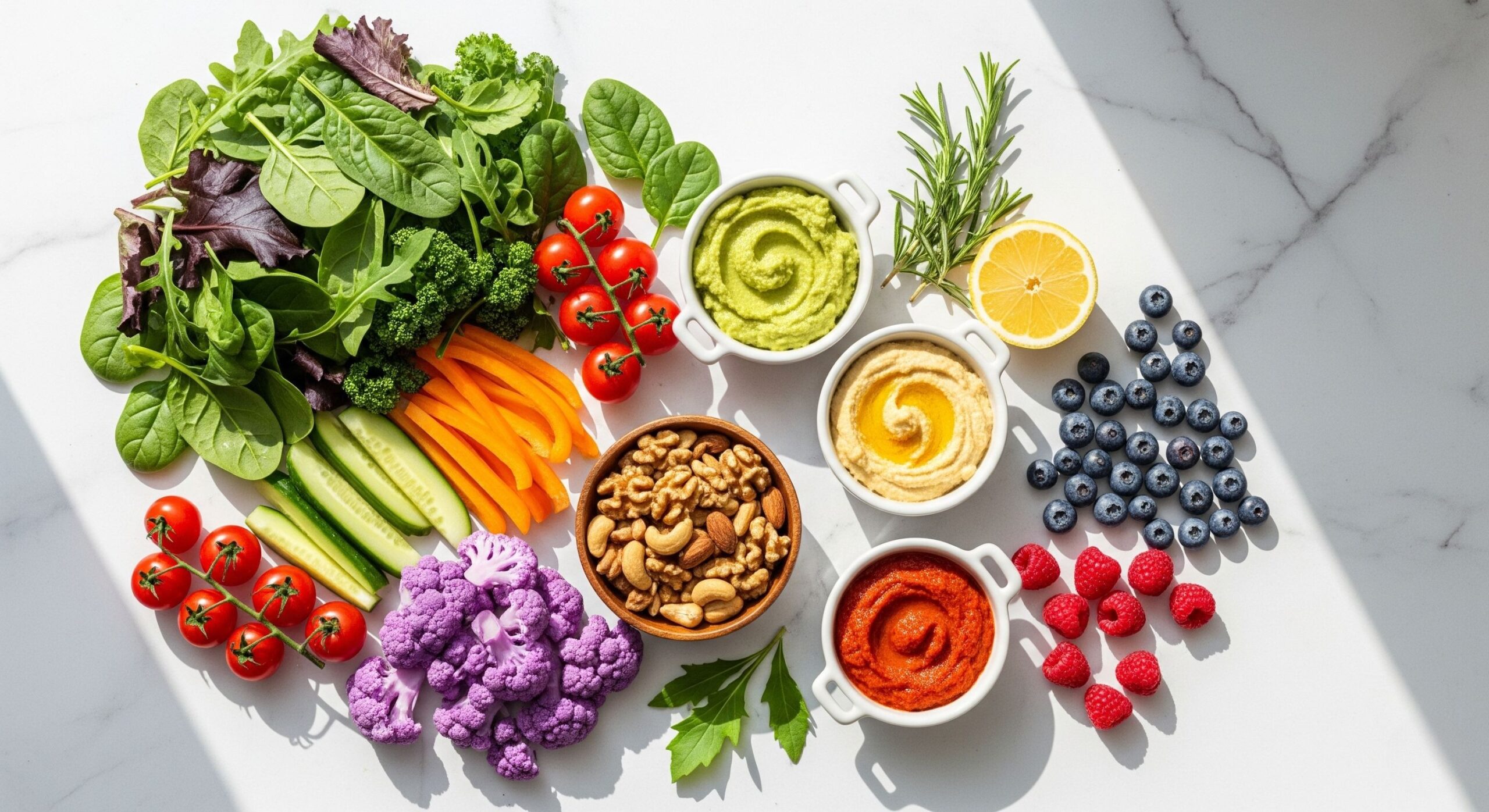
Food provides the energy and nutrients your body needs to function. A balanced diet can support physical health, maintain energy levels, and contribute to overall well-being.
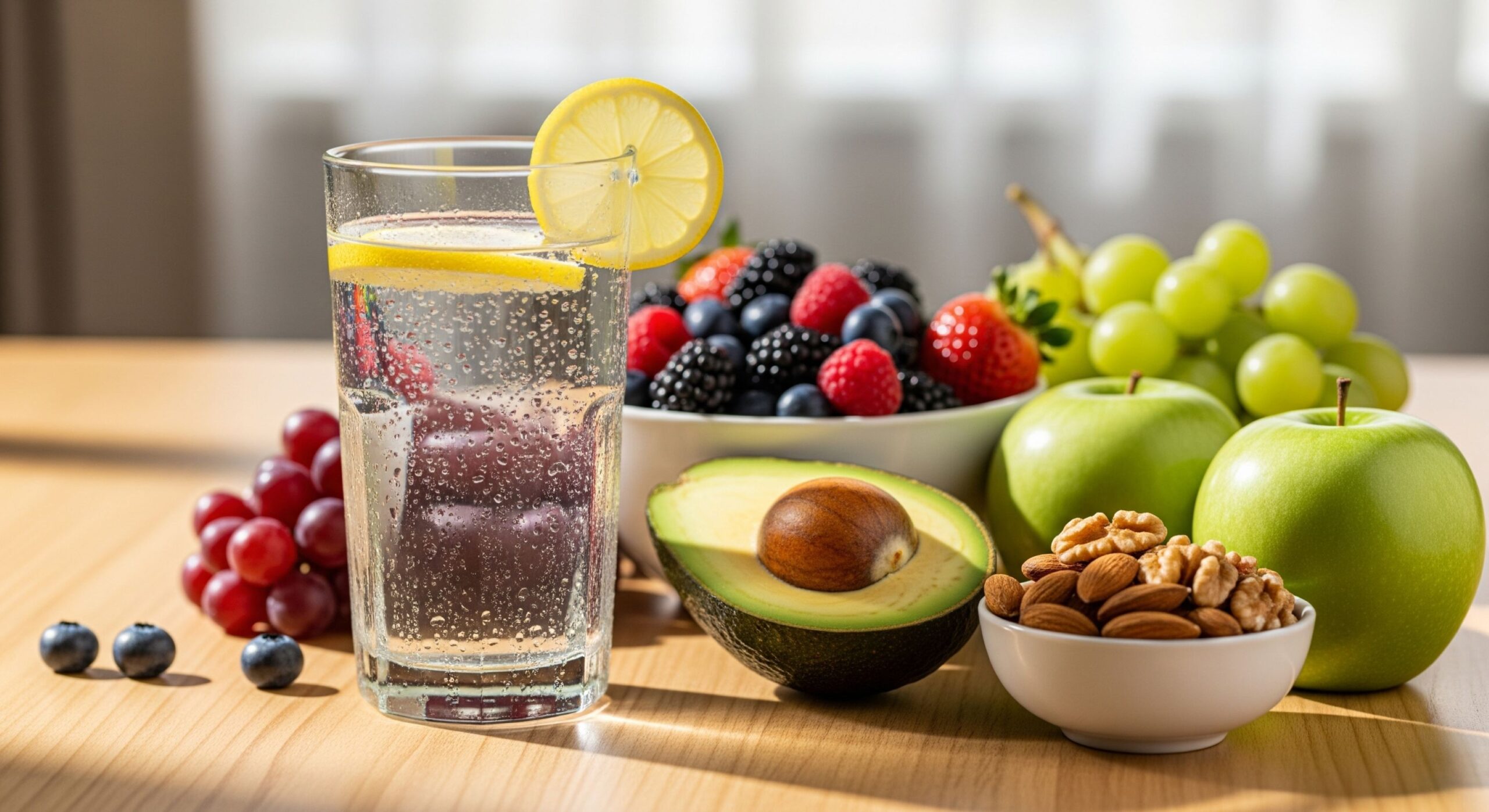
Rather than following restrictive food trends, focus on variety and balance. Include a combination of:
- Fruits and vegetables: Choose different colors and types to increase dietary variety.
- Whole grains: Options such as oats, brown rice, and whole-wheat bread provide fiber and other nutrients.
- Protein sources: Include foods such as fish, eggs, beans, lentils, poultry, nuts, or other suitable protein sources.
- Healthy fats: Avocados, nuts, seeds, and plant-based oils can provide unsaturated fats.
- Water and other suitable fluids: Drink regularly throughout the day, adjusting your intake to your activity level, climate, and individual needs.
It is also helpful to limit foods and drinks that contain excessive added sugars, sodium, and unhealthy fats. You do not need to eliminate every food you enjoy. The overall pattern of your diet matters more than a single meal.
The World Health Organization’s guidance on healthy diets highlights four important principles: adequacy, balance, moderation, and diversity.
For more practical meal ideas, explore our article on healthy eating habits.
2. Stay Physically Active Every Day
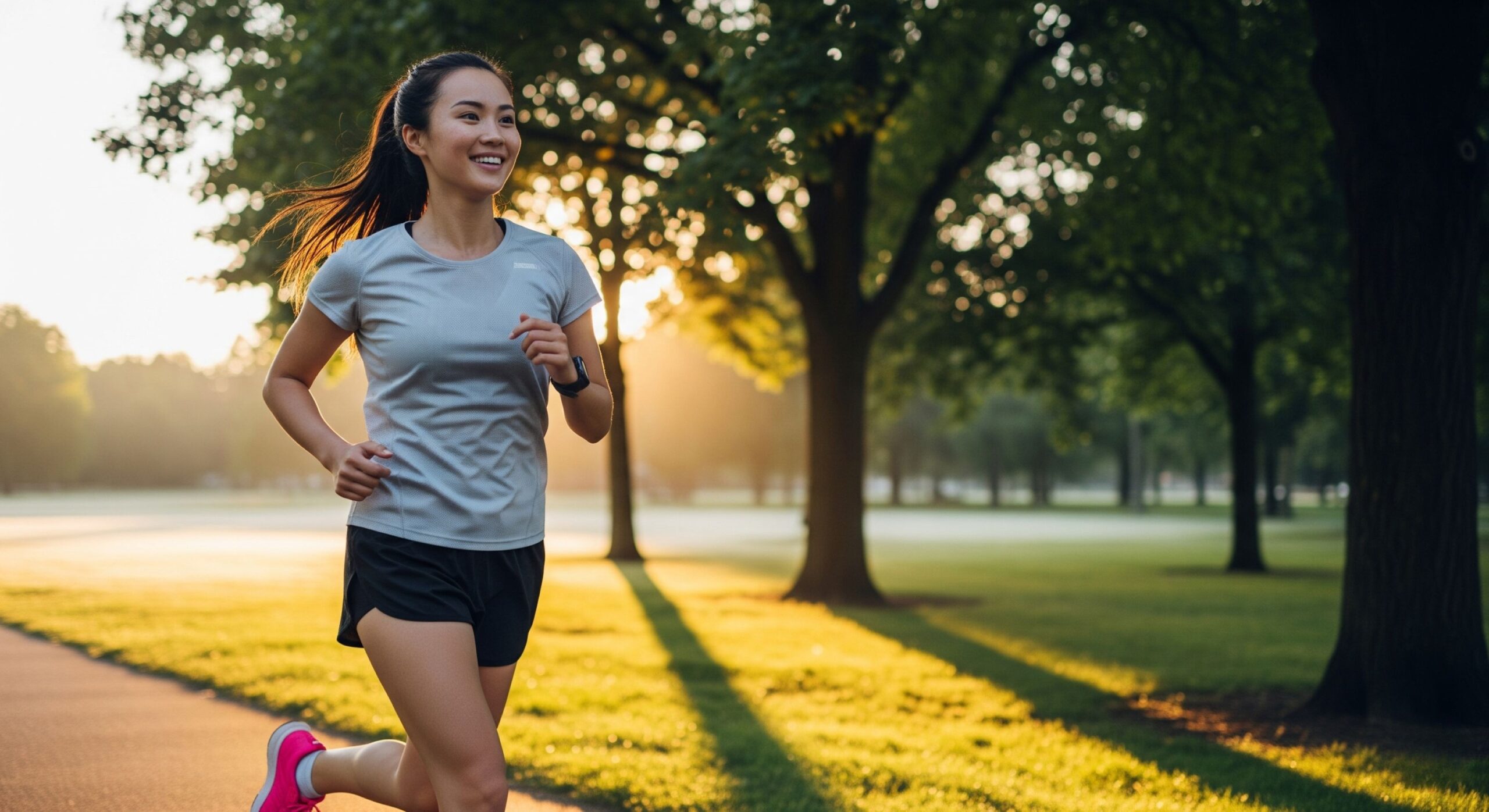
Regular physical activity supports cardiovascular health, muscle strength, mobility, and mental well-being. It can also help reduce the amount of time you spend sitting.

You do not have to join a gym or follow an intensive workout program. Walking, cycling, swimming, dancing, gardening, and other enjoyable activities can all contribute to a more active lifestyle.
For most adults, the World Health Organization recommends:
- 150–300 minutes of moderate-intensity aerobic activity each week; or
- 75–150 minutes of vigorous-intensity aerobic activity each week; or an equivalent combination.
- Muscle-strengthening activities involving major muscle groups on at least two days per week.
You can divide your activity into shorter sessions throughout the week. For example, a 30-minute brisk walk on five days can help you reach 150 minutes of moderate activity.
If you are currently inactive, begin with manageable sessions and gradually increase the duration or intensity. People with chronic conditions, injuries, or specific physical limitations may need advice from a health professional before changing their exercise routine.
See the WHO physical activity recommendations for more information.
3. Prioritize Quality Sleep
Sleep is essential for physical recovery, concentration, mood, and everyday functioning. A consistent sleep routine can make it easier to get the rest your body needs.
Many adults need at least seven hours of sleep each night, although individual requirements vary. Children and teenagers generally need more.

Try these practical strategies to improve your sleep habits:
- Maintain a consistent bedtime and wake-up time.
- Create a quiet, comfortable, and dark sleeping environment.
- Reduce screen use before bedtime if it interferes with your ability to relax.
- Avoid consuming caffeine late in the day if you are sensitive to its effects.
- Develop a relaxing bedtime routine, such as reading or taking a warm shower.
If you regularly have difficulty sleeping, experience excessive daytime sleepiness, or suspect a sleep disorder, consider discussing it with a health professional.
4. Practice Mindfulness and Mental Wellness
Mental wellness involves recognizing your emotions, managing everyday challenges, and making time for activities that support psychological well-being.
Mindfulness is one approach that can help you pay attention to the present moment without immediately judging your thoughts or feelings. You can practice it through meditation, breathing exercises, or simply focusing on an everyday activity.
Consider starting with a few simple practices:
-
- Spend five minutes focusing on your breathing.
- Take a short break when you feel mentally overwhelmed.
- Write down your thoughts or feelings in a journal.
- Enjoy a quiet activity without distractions.
- Make time for hobbies that help you relax.
Mindfulness does not require a complicated routine. Even a short daily practice can help you become more aware of your thoughts and responses.
If you want to explore this approach, read our guide to a daily meditation practice and mental wellness tips.
5. Manage Everyday Stress
Stress is a normal response to challenging situations. However, ongoing stress can affect sleep, concentration, mood, and daily habits.
A healthy lifestyle does not mean eliminating every source of stress. Instead, it involves developing practical ways to respond to pressure and recover from demanding situations.
You can begin by identifying the situations that commonly cause stress. These may include work deadlines, financial responsibilities, family demands, or a lack of personal time.
Once you recognize your triggers, try the following strategies:
- Break large tasks into smaller, manageable steps.
- Set realistic priorities and avoid taking on too many responsibilities.
- Schedule short breaks during demanding activities.
- Spend time outdoors or engage in gentle physical activity.
- Talk with someone you trust when you need support.
- Make time for activities that help you recharge.
If stress becomes overwhelming or begins to interfere with your ability to function, professional support may be helpful.
6. Build Healthy Social Connections
Relationships are an important part of overall well-being. Positive connections with family, friends, colleagues, and community members can provide emotional support and a sense of belonging.
Building social connections does not necessarily require a large social circle. A few meaningful relationships can be valuable.

You can strengthen these connections by:
- Checking in with friends or family regularly.
- Making time for conversations without distractions.
- Participating in community activities or shared interests.
- Offering help and support when someone needs it.
- Joining a group, class, or volunteer activity that interests you.
Healthy relationships also involve boundaries. It is important to recognize when you need personal space and to maintain relationships that respect your well-being.
7. Make Preventive Health and Self-Care a Priority
Self-care involves everyday actions that help you maintain your health and respond to your needs. It is not limited to relaxation or personal activities. It also includes taking practical steps to prevent health problems and seeking appropriate care.
Consider making these practices part of your routine:
- Schedule regular health checkups based on your age, health history, and medical needs.
- Follow recommended vaccination and screening guidance.
- Avoid tobacco products.
- Follow medication instructions from qualified health professionals.
- Pay attention to changes in your physical or mental health.
- Seek medical advice when symptoms concern you.
The World Health Organization recognizes healthy eating, physical activity, sufficient sleep, avoiding tobacco, and maintaining social connections as important lifestyle choices related to self-care.
You can learn more from the WHO resource on self-care for health and well-being.
Remember that self-care complements professional health services; it does not replace medical diagnosis, treatment, or advice.
How to Start a Holistic Healthy Lifestyle
Starting a healthier routine can feel challenging, especially when you try to change too many things at once. A more practical approach is to begin with small steps that fit your current schedule.
Start With Small, Realistic Changes
Choose one or two habits that you can practice consistently. For example, you might begin by taking a 15-minute walk after lunch or adding a serving of vegetables to your evening meal.
Once these actions become familiar, introduce another change. Gradual progress can make a new routine easier to maintain.
Here are a few examples:
| Area | Simple Starting Habit |
|---|---|
| Nutrition | Add fruit or vegetables to one daily meal |
| Physical activity | Walk for 15 minutes each day |
| Sleep | Keep a consistent bedtime |
| Mental wellness | Practice five minutes of mindful breathing |
| Stress management | Take short breaks during work |
| Social connection | Contact a friend or family member |
| Preventive care | Review upcoming health appointments |
These are starting points, not strict rules. Adjust them to your circumstances and health needs.
Create a Simple Daily Wellness Routine
A simple routine can help you remember healthy habits without making your day feel complicated.
For example:
Morning
- Wake up at a consistent time.
- Drink water according to your needs.
- Eat a balanced breakfast if it is part of your routine.
- Spend a few minutes stretching or walking.
Afternoon
- Choose a balanced lunch.
- Take short movement breaks.
- Step away from work when you need a mental reset.
Evening
- Enjoy time with family or friends.
- Prepare for the next day.
- Reduce stimulating activities before bedtime.
- Follow a relaxing sleep routine.
You do not have to follow this example exactly. The best routine is one that works with your responsibilities, preferences, and lifestyle.
How to Build Healthy Habits That Last
Developing a healthy lifestyle is a gradual process. The goal is not to achieve perfection but to make positive choices more consistent over time.
Set Realistic and Achievable Goals
Start with clear goals that are specific and manageable. Instead of saying, “I want to become healthier,” choose an action such as walking for 20 minutes three times a week.
A realistic goal gives you a clear starting point and makes it easier to recognize progress.
Track Your Progress
Tracking your habits can help you understand what works and where you may need to make adjustments.
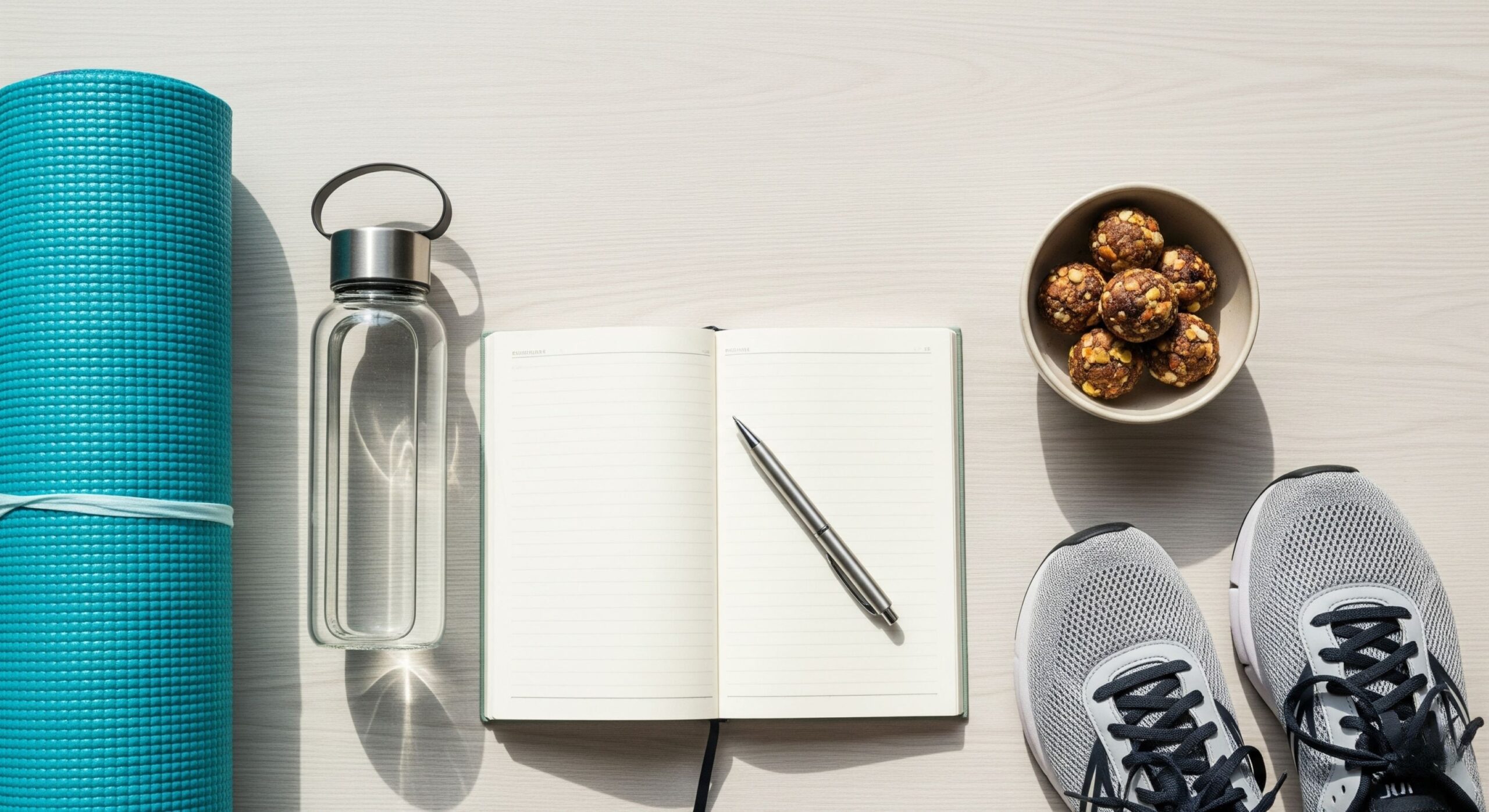
You can use a notebook, calendar, or simple habit tracker to record activities such as exercise, sleep routines, or meal preparation.
Focus on patterns rather than judging yourself over an occasional missed day.
Focus on Consistency, Not Perfection
There will be days when work, family responsibilities, travel, or unexpected events interrupt your routine. That does not mean you have failed.
Return to your habits when you can and make adjustments when necessary. A flexible approach is often more sustainable than following strict rules that leave no room for everyday life.
Common Mistakes to Avoid When Building a Healthy Lifestyle
Some approaches can make healthy living harder to maintain. Be aware of these common mistakes:
- Changing everything at once: Too many new habits can feel overwhelming. Start with a few manageable changes.
- Following extreme diets: Restrictive eating plans may be difficult to sustain and may not meet your nutritional needs.
- Exercising beyond your current ability: Increase activity gradually and allow time for recovery.
- Ignoring sleep and stress: Nutrition and exercise are important, but they are not the only parts of well-being.
- Expecting immediate results: Meaningful lifestyle changes take time and may look different for each person.
- Comparing your progress with others: Your health needs, schedule, and starting point are unique.
A balanced approach should support your life rather than become another source of pressure.
Frequently Asked Questions About Holistic Healthy Lifestyle
1. What is a holistic healthy lifestyle?
A holistic healthy lifestyle is an approach to well-being that considers physical health, mental and emotional wellness, social relationships, and everyday habits. It focuses on how these areas interact and encourages balanced, sustainable choices.
2. What are the seven habits of a holistic healthy lifestyle?
Seven important habits include eating a balanced diet, staying physically active, getting enough sleep, practicing mindfulness, managing stress, maintaining healthy social connections, and prioritizing preventive health care and self-care.
3. How can I start a holistic healthy lifestyle?
Start with small changes that fit your daily routine. You could add more nutritious foods to your meals, take regular walks, establish a consistent sleep schedule, or spend a few minutes practicing mindfulness. Build additional habits gradually.
4. What is the difference between holistic health and traditional healthcare?
Holistic health is an approach that considers multiple aspects of a person’s well-being, including physical, mental, social, and environmental factors. Traditional healthcare includes medical services such as diagnosis, treatment, and disease prevention. These approaches are not necessarily opposites. Healthy lifestyle practices can complement appropriate medical care.
5. Can a holistic healthy lifestyle improve mental well-being?
Healthy lifestyle habits may support mental well-being. Physical activity, adequate sleep, stress-management practices, and positive social connections can contribute to emotional health. However, lifestyle changes alone are not a substitute for professional mental health care when it is needed.
6. How long does it take to develop healthy lifestyle habits?
There is no fixed timeline for everyone. The time needed depends on the habit, your circumstances, and how consistently you practice it. Focus on repeating manageable actions rather than expecting every new habit to become automatic within a specific number of days.
Conclusion: Build a Healthier Life One Habit at a Time
A holistic healthy lifestyle is built through everyday choices that support your physical, mental, and social well-being. Eating balanced meals, staying active, sleeping well, managing stress, and maintaining meaningful relationships are practical ways to create a healthier routine.
You do not need to make dramatic changes to get started. Choose one realistic habit, practice it consistently, and gradually build on your progress. With patience and flexibility, small steps can become a sustainable part of a healthier life.
Start where you are, make choices that fit your needs, and remember that lasting well-being is a journey rather than a destination.