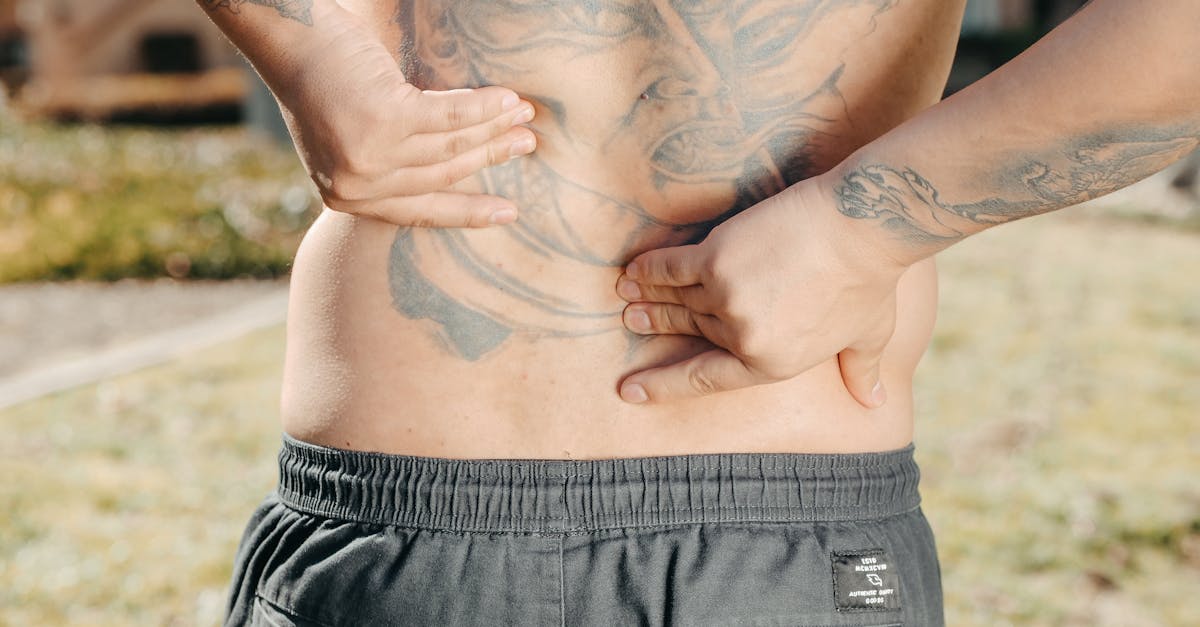

Sarah considered herself the picture of health. At 42, she was a yoga teacher, a weekend runner, and a devotee of green smoothies. So when her doctor called with routine bloodwork results, she was utterly floored. Her LDL “bad” cholesterol was dangerously high, despite her healthy lifestyle and slim physique. Immediately, she confronted a jarring reality: the serious health risks faced by a high cholesterol thin person. This scenario is surprisingly common and directly challenges one of America’s most deep-seated health myths.
“How is that even possible?” she asked, completely bewildered. “I do everything right. I don’t even eat red meat!”
In truth, Sarah’s story is far from unique. In the United States, we’re often taught a very simple, yet dangerously incomplete, story about cholesterol: it’s a problem for heavier people with a diet full of greasy, fried foods. Consequently, this narrative is so ingrained in our culture that we often grant a “health halo” to those who look fit, assuming their internal health must be pristine. However, the truth is that your body weight can be a misleading indicator of your heart health. Indeed, being a high cholesterol thin person is more common than you might think, as the silent, complex processes inside your body are influenced by a host of factors that have nothing to do with the number on a scale.
Therefore, this article is here to dismantle those outdated beliefs. We will dig deep into the science, separating fact from fiction and exploring why a person’s appearance is one of the least reliable predictors of their cholesterol levels. Ultimately, it’s time to move beyond the myths and empower ourselves with a more complete understanding of what truly drives cardiovascular risk for everyone, including a seemingly healthy, slim person.

Common Myths About a High Cholesterol Thin Person
Myth 1: “Only people with a higher weight get high cholesterol.”
Fact: This is perhaps the most pervasive and damaging myth of all. In reality, your liver is the primary cholesterol producer in your body, manufacturing about 75% of what you need to function. Cholesterol isn’t just a villain; it’s an essential substance used to build stable cell membranes, produce critical hormones like estrogen and testosterone, and synthesize vitamin D. The remaining 25% comes from your diet.
Think of it this way: your body has its own internal cholesterol-making factory, and your genes are the factory foreman. For many people, genetics plays a far bigger role than lifestyle. A prime example is Familial Hypercholesterolemia (FH), a genetic disorder that causes extremely high LDL cholesterol from birth. In fact, according to the CDC, about 1 in 250 people have FH. Because the high cholesterol is present from such a young age, the arteries have decades to accumulate plaque, leading to a much higher risk of early heart disease. Consequently, people with FH, who are often a classic example of a high cholesterol thin person, can be marathon runners with perfect diets and still face this elevated risk if their condition isn’t managed.
“Having FH means that your LDL cholesterol level is very high from birth… which increases your risk for coronary artery disease, heart attack, and stroke, even at a young age.”
— Centers for Disease Control and Prevention (CDC)
Myth 2: “If I eat a low-cholesterol diet, I’m safe.”
Fact: This myth is a holdover from the low-fat craze of the 80s and 90s. While it seems intuitive that eating less cholesterol would lead to lower blood cholesterol, the science has evolved. We now know that for most people, dietary cholesterol has a surprisingly small effect on their blood cholesterol levels. In other words, avoiding eggs is not the silver bullet for managing cholesterol.
Instead, the real dietary culprits are saturated and trans fats. When you consume these fats—found in red meat, full-fat dairy, and fried foods—they signal your liver to ramp up its own production of LDL cholesterol. So, while a heart-healthy diet is incredibly important, focusing solely on the cholesterol number on a nutrition label is missing the point. Ultimately, a diet low in saturated fat will have a much more significant impact, particularly for a thin person with high cholesterol.

Myth 3: “I feel great, so my cholesterol must be fine.”
Fact: High cholesterol is often called a “silent killer” for a very good reason—it has no symptoms. You can’t feel your arteries slowly clogging, a process known as atherosclerosis. This process begins when excess LDL cholesterol gets deposited into the artery walls, leading to the formation of “plaque.” As this plaque grows over years, it narrows the artery, reducing blood flow. Crucially, you feel absolutely nothing as this happens. The first sign of trouble, even for a high cholesterol thin person, is often a major medical event like a heart attack or stroke. This is precisely why regular screening is so vital; it’s the only way to see what’s happening on the inside.
Risk Factors for a High Cholesterol Thin Person
If weight and diet aren’t the only culprits, what else should you be paying attention to? The answer lies in a more holistic view of health that includes your genetics, your habits, and even your hormones. In short, many factors contribute to the profile of a high cholesterol thin person.

The Genetic Blueprint: A Key Risk Factor
This is arguably the most overlooked factor. Your genetic code contains the instructions for how your body processes cholesterol. To truly understand your risk, you need to become a family health detective. Ask your relatives direct questions: “Did anyone have a heart attack before age 55 for men, or 65 for women?” Knowing this information can provide your doctor with critical clues about your own inherited risk, which is a major reason a slim person can have high cholesterol.
The Modern Epidemic: Stress and Poor Sleep
Furthermore, modern life takes a toll. When you’re under chronic stress, your body pumps out cortisol, which can contribute to higher blood cholesterol. Similarly, we often cope with stress by reaching for comfort foods or skipping workouts—all of which negatively impact cholesterol. Likewise, a lack of quality sleep is another major stressor. In fact, research shows that poor sleep can disrupt metabolism-regulating hormones, affecting the lipid profile of any individual, including a high cholesterol thin person.
The Role of Age and Gender in Cholesterol
Additionally, cholesterol levels naturally tend to rise as we get older. For women, the hormonal shifts of menopause can bring a particularly sharp change, as declining estrogen levels reduce its protective effect on the heart. As a result, many women see a significant jump in their LDL levels. Men, on the other hand, tend to have a higher risk earlier in life compared to pre-menopausal women.
Underlying Health Conditions and Their Impact
Finally, high cholesterol can be a side effect of another medical issue. Conditions like type 2 diabetes, chronic kidney disease, and an underactive thyroid (hypothyroidism) can all disrupt normal metabolic processes and lead to unhealthy cholesterol levels. Therefore, managing any existing health conditions effectively is an essential part of a comprehensive heart health strategy.
“Your body makes all the cholesterol it needs. Saturated fat and trans fat cause your body to make more LDL (bad) cholesterol. This is why it’s important to limit these fats in your diet.”
— American Heart Association
Deeper Insights for a High Cholesterol Thin Person
Understanding the ‘Skinny Fat’ Phenomenon (TOFI)
Here’s a less common perspective: it’s possible to have a normal Body Mass Index (BMI) but still carry a high percentage of body fat. This condition is sometimes called “skinny fat,” or more scientifically, “Thin on the Outside, Fat on the Inside” (TOFI). The concern here is the dangerous visceral fat that wraps around your abdominal organs. This internal fat is metabolically active and releases inflammatory substances that can increase insulin resistance and signal the liver to produce more LDL cholesterol. For this reason, TOFI powerfully underscores why relying solely on the scale can be misleading for a high cholesterol thin person.

Bonus: The Gut Health Link for a High Cholesterol Thin Person
One of the most exciting frontiers in medical research is the connection between gut health and overall health. In fact, emerging research shows a fascinating link between your gut microbiome and your cholesterol levels. The trillions of bacteria in your digestive tract play a key role in your metabolism. Some studies suggest that certain beneficial gut bacteria can help prevent the absorption of cholesterol and help break down bile acids. As a result, the liver has to pull cholesterol from the blood to make more, effectively lowering your circulating cholesterol levels. Thus, nurturing a healthy gut could become a key complementary strategy for any high cholesterol thin person.

Action Plan for a High Cholesterol Thin Person
Feeling empowered with this new information is great, but taking action is what truly matters. Here is a comprehensive guide to taking control of your heart health.
Step 1: Know Your Numbers and What They Mean
First and foremost, the most important step is to get a baseline lipid panel. This simple blood test measures:
- LDL (Low-Density Lipoprotein): The “bad” cholesterol. An optimal level is below 100 mg/dL.
- HDL (High-Density Lipoprotein): The “good” cholesterol. A protective level is 60 mg/dL or higher.
- Triglycerides: A type of fat in the blood. An optimal level is below 150 mg/dL.
- Total Cholesterol: The sum of your LDL, HDL, and other lipids. Desirable is below 200 mg/dL.
While these are general guidelines, your doctor will help you determine your personal targets based on your overall risk profile, especially if you are a thin person with high cholesterol.

Step 2: Proactively Discuss Your Risk with a Doctor
Next, don’t just wait for your doctor to bring it up. Prepare for your appointment by writing down your family health history and any questions you have. For instance, ask questions like, “Given my family history, what is my personal risk for heart disease?” or “What lifestyle changes would be most effective for me?” This collaborative approach ensures you are a partner in your own healthcare.
Step 3: Lifestyle Strategies for a High Cholesterol Thin Person
Moreover, stop equating thinness with health. Instead, focus on a holistic view of well-being that includes these pillars for every high cholesterol thin person:
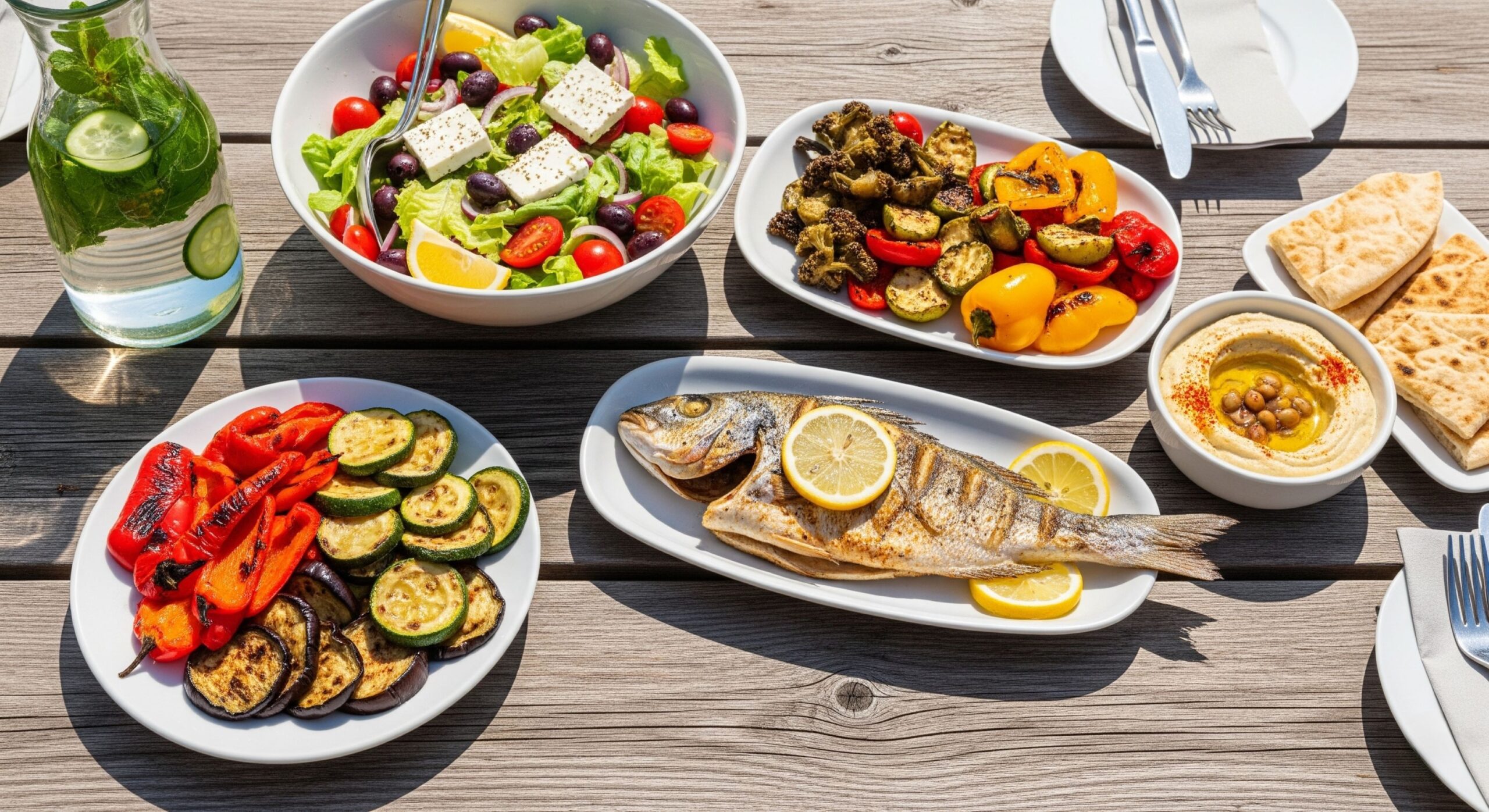
- Adopt a Heart-Healthy Eating Pattern: Focus on whole foods like those in the Mediterranean diet. Crucially, increase your intake of soluble fiber (found in oats, barley, and beans), as it helps remove cholesterol from your body.
- Move Your Body Regularly: Aim for at least 150 minutes of moderate-intensity exercise per week. Activities like brisk walking can help raise your protective HDL cholesterol and are fantastic for managing stress.
- Master Stress Management: You can’t eliminate stress, but you can manage your response to it. Incorporate practices like mindfulness, meditation, or yoga into your daily routine. Indeed, even a few minutes in nature can have a calming effect.

Final Thoughts for the High Cholesterol Thin Person
Sarah’s story, fortunately, has a positive ending. Her diagnosis was a wake-up call that prompted a deeper conversation with her doctor about her strong family history of high cholesterol. As a result, she started a cholesterol-lowering medication and doubled down on her healthy lifestyle. Within six months, her LDL was well within the healthy range.
Ultimately, her journey reminds us that heart health is complex and has very little to do with how we look in the mirror. It’s time to move past the outdated myths and empower every high cholesterol thin person with a comprehensive view of their health. Be curious, ask questions, and be proactive. Because what you don’t know can hurt you, but what you learn can empower you for a lifetime.
FAQ for the High Cholesterol Thin Person
1. How often should I get my cholesterol checked?
Generally, the American Heart Association recommends that all adults 20 and older have their cholesterol checked every four to six years. However, if you have a family history of high cholesterol, known cardiovascular disease, or other risk factors, your doctor will likely recommend more frequent testing.
2. Can a high cholesterol thin person lower levels with diet and exercise alone?
It depends. For many people with moderately high cholesterol, lifestyle changes can be very effective. However, for a high cholesterol thin person with a strong genetic predisposition (like FH), lifestyle changes alone are often insufficient to reach safe LDL levels. In these cases, medications like statins are frequently crucial and life-saving.
3. Are cholesterol medications (like statins) safe for long-term use?
Yes, for the vast majority of people. Statins are among the most studied medications in the world and have a long track record of safety. While some may experience side effects, the proven benefits of statins in reducing the risk of heart attack and stroke for high-risk individuals far outweigh the potential risks for most patients. Always discuss the pros and cons with your doctor.
4. What’s the real difference between “good” (HDL) and “bad” (LDL) cholesterol?
Think of them as two types of delivery trucks. LDL (Low-Density Lipoprotein) is the “delivery truck” that carries cholesterol to the cells. If you have too much LDL, it can deposit its cargo inside your arteries, leading to plaque. On the other hand, HDL (High-Density Lipoprotein) is the “garbage truck” that scavenges excess cholesterol and carries it back to the liver to be disposed of. That’s why one is “bad” and the other is “good.”
5. Do children need to worry about high cholesterol?
Absolutely, especially with a family history of high cholesterol or early heart disease. The process of atherosclerosis can begin in childhood. Consequently, the American Academy of Pediatrics recommends cholesterol screening for certain children. For a child who might be a future high cholesterol thin person due to genetics, early diagnosis and treatment are critical.
Sources and References
- Centers for Disease Control and Prevention (CDC) – Information on Familial Hypercholesterolemia.
- American Heart Association – Details on dietary fats and cholesterol.
- Mayo Clinic – Overview of cholesterol causes.
- National Heart, Lung, and Blood Institute (NHLBI) – General information on high blood cholesterol.
- Sleep Foundation – The connection between sleep and cholesterol.
- The North American Menopause Society – Cholesterol changes during menopause.
- Harvard Health Publishing – Gut health and its link to cholesterol.
Only People with a Higher Weight Get High Cholesterol
Weight is not the only factor. Genetics can play a significant role.
Fact: Your liver produces ~75% of your cholesterol, and your genes are the “factory foreman” dictating production speed. Conditions like Familial Hypercholesterolemia (FH) can cause high cholesterol regardless of weight or diet.
A Low-Cholesterol Diet is All You Need
What you eat matters, but not for the reason you think.
Fact: The real dietary culprits are saturated and trans fats, which signal your liver to produce more LDL (bad) cholesterol. Dietary cholesterol has a surprisingly small effect for most people.
If I Feel Fine, My Cholesterol is Fine
High cholesterol is a “silent killer” with no obvious symptoms.
Fact: Plaque buildup in arteries (atherosclerosis) happens silently over years. The first sign of a problem for many is a heart attack or stroke. Regular screening is essential.
Genetics
Your family history is a powerful predictor.
Ask your relatives about early-onset heart disease. Your genetic blueprint can dictate how your body processes cholesterol, independent of your lifestyle.
The “Skinny Fat” Phenomenon
You can be thin on the outside, but fat on the inside.
Visceral fat, which surrounds your organs, is a key driver of hidden health risks. It releases inflammatory substances that can raise LDL cholesterol and insulin resistance.
Stress & Poor Sleep
The modern epidemic is linked to your heart.
Chronic stress increases cortisol, which can raise cholesterol levels. Poor sleep disrupts hormones and metabolism, impacting your lipid profile.
Your Action Plan: Moving from Myth to Reality
Get a routine lipid panel, a simple blood test that measures your LDL (bad), HDL (good), and triglyceride levels. Understand what your results mean and what your personal targets should be.
Don’t wait for your doctor to bring it up. Share your family health history and discuss your risk factors to create a personalized plan. This collaborative approach is key.
Holistic well-being is more important than weight. Adopt a heart-healthy eating pattern (like the Mediterranean diet), exercise regularly, and master stress management techniques like mindfulness and yoga.