
You’ve probably been there, right? Scrolling through endless articles, bombarded with headlines screaming about the “latest superfood” or the “only workout you’ll ever need.” One day it’s keto, the next it’s vegan; one week it’s HIIT, the next it’s gentle yoga. It’s enough to make your head spin and leave you wondering, “What *is* the best healthy lifestyle, really?”
Here’s the thing: there isn’t one magic bullet or a single, universal rulebook. The idea of the “best” is deeply personal, a mosaic of habits that fit *your* unique life, body, and goals. It’s not about perfection, but about progress. It’s about building a sustainable, enjoyable way of living that supports your physical, mental, and emotional well-being for the long haul. Think of it as your own personal wellness journey, a path paved with intentional choices that make you feel genuinely good, inside and out. We’re going to ditch the fads and get real about what truly creates a thriving, healthy lifestyle. Let’s dive in and figure out how to build yours, one sensible step at a time.
Fueling Your Body Right: More Than Just Food
When we talk about a healthy lifestyle, food is often the first thing that springs to mind. And for good reason! What you put into your body plays a massive role in how you feel, function, and even think. But it’s not just *what* you eat; it’s also *how* you approach your plate.
Mindful Eating: It’s What You Eat, and How
Remember when your grandma used to say, “Slow down and chew your food”? Well, she was onto something big. Mindful eating isn’t just a trendy phrase; it’s a powerful practice. It means paying attention – truly paying attention – to your food: its colors, textures, smells, and how your body feels as you eat it. You know what? Most of us are so busy multitasking that we barely register our meals. We’re eating lunch at our desks, scrolling on our phones, or trying to manage screaming kids.
**Pro Tip:** Try this: for just one meal today, put away your phone, turn off the TV, and simply *eat*. Notice your hunger levels before you start, and check in with yourself halfway through. Are you still hungry? Savor each bite. You’ll probably find you eat less, feel more satisfied, and actually enjoy your food more. It’s about listening to your body’s signals, which, let’s be honest, we often ignore.
Hydration Nation: The Unsung Hero
Water. Simple, right? But seriously, how many of us actually drink enough? We’re talking about proper hydration, not just when you feel parched. Your body is roughly 60% water, and it needs that fluid for everything from regulating temperature and transporting nutrients to lubricating joints and making your brain function. Ever felt a little sluggish, had a headache creeping in, or struggled with concentration? Dehydration could be the culprit!
**Quick Takeaway:** Aim for around 8 glasses of water a day, but listen to your body and adjust based on activity levels and climate. Don’t love plain water? Try adding slices of cucumber, lemon, berries, or mint for a refreshing twist. Keep a water bottle handy, and maybe even set a timer to remind yourself to sip throughout the day. Your energy levels and digestion will thank you!
Prioritizing Nutrient-Dense Foods
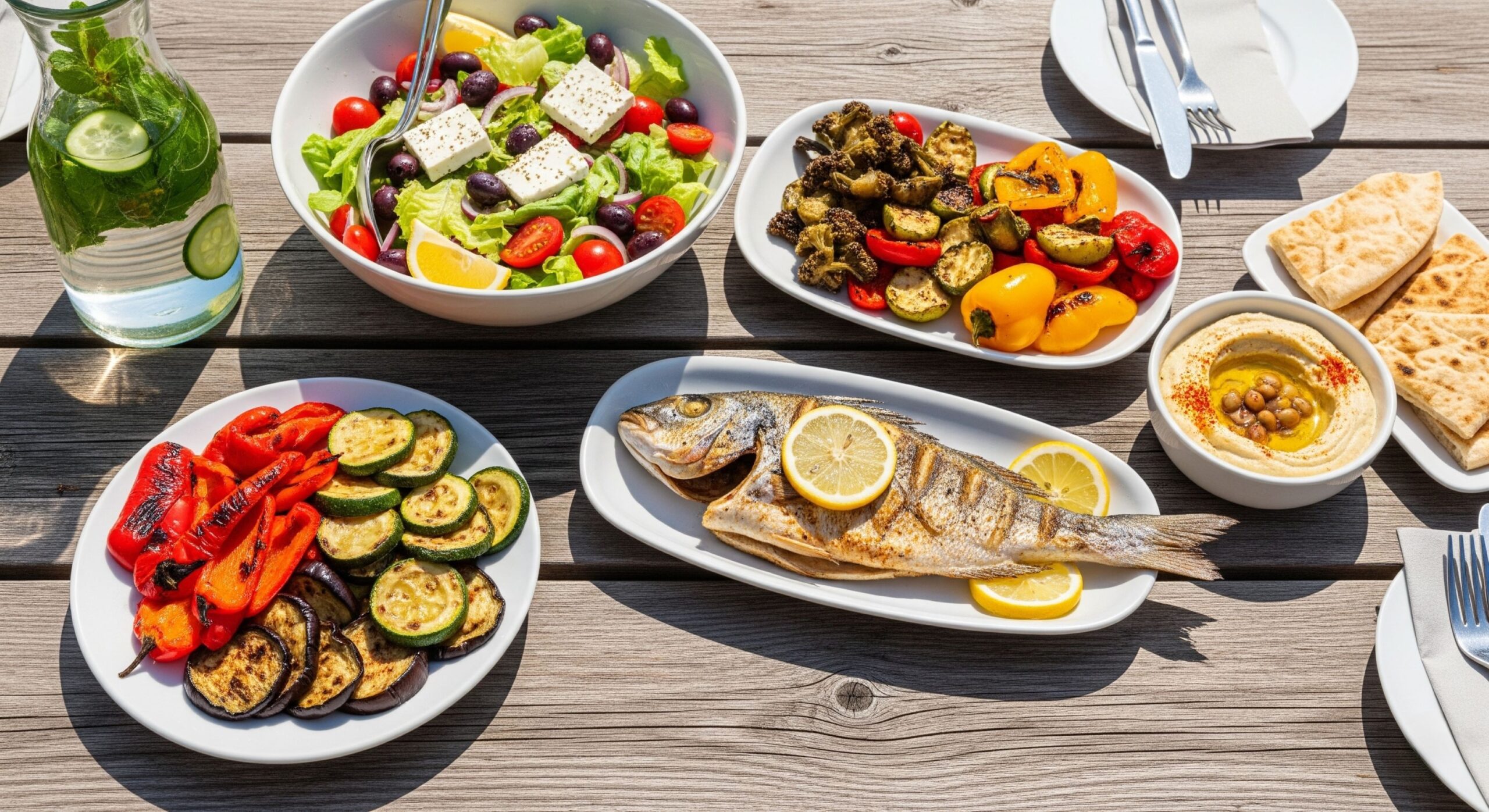
Okay, so we’re slowing down and drinking up. Now, let’s talk about the actual food. Instead of getting bogged down in restrictive diets, let’s focus on abundance. Fill your plate with nutrient-dense foods: think colorful fruits and vegetables, lean proteins, whole grains, and healthy fats. This means prioritizing ingredients that pack a powerful punch of vitamins, minerals, and antioxidants.
Recent research, like studies often highlighted by the Harvard School of Public Health, consistently points to the benefits of a plant-forward diet rich in whole foods. It’s not about being vegetarian or vegan if that’s not your jam, but about making plants a significant part of *every* meal. Add an extra serving of veggies, swap white bread for whole wheat, choose salmon over highly processed meats sometimes. You get the idea. It’s about crowding out the less healthy options with things that truly nourish you.
Moving with Purpose: Finding Your Fitness Groove
Movement isn’t just about looking good in a swimsuit; it’s about feeling good, period. Our bodies were designed to move, and sitting for prolonged periods is, quite frankly, doing us a disservice. Finding your fitness groove is a cornerstone of any truly healthy lifestyle.
The Power of Regular Movement (Not Just the Gym)
I get it. The thought of hitting the gym can feel like a chore for many. But here’s what most people get wrong about exercise: it doesn’t have to be an hour-long sweat session every single day. The power of regular movement is about integrating activity into your daily life. Take the stairs instead of the elevator. Park a little further away. Go for a brisk walk during your lunch break. Play with your kids or pets in the park.
Think about it: even short bursts of activity add up. A 10-minute walk three times a day gives you 30 minutes of movement. That’s a fantastic start! The goal is to simply move your body more often and break up long periods of sitting.
Strength, Flexibility, and Cardio: A Balanced Approach
While any movement is good movement, a balanced approach typically incorporates three key elements:
1. **Cardio:** Activities that get your heart rate up (walking, running, dancing, cycling). This strengthens your heart and lungs.
2. **Strength Training:** Using weights, resistance bands, or your own body weight to build muscle. Strong muscles support your joints, improve metabolism, and help with everyday tasks like carrying groceries.
3. **Flexibility/Balance:** Yoga, stretching, Pilates. These improve your range of motion, prevent injuries, and enhance stability.
You don’t need to do all three every day. A great healthy lifestyle might involve a few cardio sessions, a couple of strength workouts, and some stretching throughout the week. The key is variety and consistency. Imagine how much easier daily life feels when your body is strong and flexible!
Making Exercise Enjoyable and Sustainable
This is where the rubber meets the road. If you hate what you’re doing, you won’t stick with it. Period. So, the secret sauce to making exercise a lasting part of your healthy lifestyle? Find something you genuinely enjoy. Love dancing? Join a class! Prefer the great outdoors? Hiking or cycling could be your jam. Enjoy company? Join a walking group or find a workout buddy.
Don’t be afraid to experiment. Maybe you loved spinning in your twenties but now prefer swimming. That’s totally okay! The “best” exercise is the one you’ll actually *do*.
Nurturing Your Mind: The Foundation of Wellness
You know, a truly healthy lifestyle isn’t just about the physical stuff. Your mind is your control center, and neglecting it can undermine all your other efforts. Mental well-being is absolutely foundational.
Stress Management: Taming the Inner Beast
Stress is a natural part of life, but chronic stress? That’s a different animal. It can mess with your sleep, digestion, mood, and even your immune system. We often feel like we’re constantly “on,” juggling work, family, and a million other things. Learning to manage stress isn’t a luxury; it’s a necessity for a healthy life.
How do you do it? It’s personal, but popular and effective techniques include:
* **Mindfulness & Meditation:** Even just 5-10 minutes a day can make a difference. Apps like Calm or Headspace are great starting points.
* **Deep Breathing Exercises:** Simple, immediate, and effective. When you feel overwhelmed, take a few slow, deep breaths, inhaling through your nose and exhaling slowly through your mouth.
* **Hobbies & Downtime:** Make time for things you enjoy – reading, gardening, playing music, creating art. These aren’t wastes of time; they’re essential for recharging your mental batteries.
* **Nature Exposure:** Spending time outdoors has been shown to reduce stress hormones. Even a walk in a local park can do wonders.
The Importance of Quality Sleep: Recharge Your Brain
Here’s what most people get wrong about sleep: they see it as optional or something to cut back on when life gets busy. Big mistake! Sleep isn’t just “rest”; it’s active restoration. It’s when your body repairs itself, your brain processes information, and memories are consolidated. Skimping on sleep can impact everything from your mood and concentration to your immune system and weight management.
Recent research published in journals like *Sleep* consistently emphasizes the profound impact of sleep on cognitive function and overall health. Aim for 7-9 hours of quality sleep per night. How do you get there?
* **Stick to a Schedule:** Go to bed and wake up around the same time, even on weekends.
* **Create a Routine:** Wind down before bed with reading, a warm bath, or light stretching.
* **Optimize Your Bedroom:** Keep it dark, quiet, and cool.
* **Limit Screen Time:** Put away phones, tablets, and TVs an hour before bed. The blue light can disrupt melatonin production.
Cultivating Connection and Purpose
Humans are social creatures. We thrive on connection. Building and maintaining strong relationships with friends, family, and your community isn’t just “nice to have”; it’s a critical component of a healthy lifestyle. Loneliness, on the other hand, can have serious health consequences, comparable to smoking or obesity.
Beyond connection, finding a sense of purpose – whether through work, volunteering, hobbies, or personal projects – gives life meaning and boosts overall well-being. Think about what truly resonates with you and how you can contribute to something larger than yourself. It might sound a little philosophical, but it genuinely impacts your daily happiness and resilience.
Holistic Habits: Beyond the Basics
We’ve covered the big rocks, but a truly comprehensive healthy lifestyle digs a little deeper, touching on aspects you might not immediately consider. These holistic habits contribute to your overall vitality in powerful ways.
Gut Health: Your Second Brain
You know your gut? Yeah, it’s kind of a big deal. Often called our “second brain,” your gut microbiome (the trillions of bacteria living in your digestive tract) influences everything from digestion and nutrient absorption to your immune system and even your mood. Keeping it happy is crucial!
How do you do that?
* **Eat Fiber:** Plenty of fruits, vegetables, whole grains, and legumes feed your beneficial gut bacteria.
* **Fermented Foods:** Incorporate things like yogurt (with live cultures), kefir, sauerkraut, kimchi, or kombucha into your diet. These are packed with probiotics.
* **Limit Processed Foods & Sugar:** These can disrupt the delicate balance of your gut flora.
When your gut is thriving, you’ll often notice improved digestion, better energy, and even a clearer head.
Environmental Well-being: Your Surroundings Matter
Ever walked into a cluttered, messy room and felt your stress levels rise? Or stepped into a serene, clean space and felt instant calm? Our environment profoundly impacts our well-being. A healthy lifestyle isn’t just about what’s *inside* you, but also what’s *around* you.
* **Declutter & Organize:** A tidy space can lead to a tidier mind.
* **Bring Nature In:** Houseplants can improve air quality and mood.
* **Get Outside:** As mentioned before, spending time in nature reduces stress and boosts mental clarity.
* **Reduce Toxins (Where Possible):** Consider the products you use in your home and on your body. Small swaps for more natural alternatives can make a difference over time.
It’s about creating an environment that supports, rather than detracts from, your wellness goals.
Regular Check-ups and Preventative Care
Let’s be honest, how many of us only go to the doctor when something’s *wrong*? A truly healthy lifestyle embraces preventative care. This means regular check-ups, screenings, and open conversations with your healthcare provider. Don’t wait for a problem to arise. Catching potential issues early can make all the difference.
This includes things like:
* Annual physicals.
* Recommended screenings (mammograms, colonoscopies, blood pressure checks, cholesterol tests).
* Dental check-ups.
* Eye exams.
Think of it like regular maintenance for your car – you wouldn’t wait until the engine seizes to get an oil change, would you? Your body deserves the same proactive care.
Conclusion: Your Personalized Path to Lasting Wellness
So, what *is* the best healthy lifestyle? After all this, I hope you’re seeing that it’s not a rigid set of rules, but a dynamic, deeply personal journey. It’s about creating a sustainable collection of habits that nourish your body, calm your mind, and feed your soul. It’s about balance, consistency, and most importantly, self-compassion.
You don’t need to overhaul everything overnight. Start small. Pick one area – maybe drinking more water, or adding a 10-minute walk to your day – and build from there. Be patient with yourself, celebrate small victories, and remember that setbacks are just opportunities to learn and adjust. The truly best healthy lifestyle is the one you can genuinely stick with, the one that makes you feel vibrant, resilient, and ready to embrace life. It’s *your* unique masterpiece, and you’ve got this.
—
References:
1. Harvard T.H. Chan School of Public Health. (2023). *The Nutrition Source: Healthy Eating Plate*. Retrieved from [https://www.hsph.harvard.edu/nutritionsource/healthy-eating-plate/](https://www.hsph.harvard.edu/nutritionsource/healthy-eating-plate/)
2. Popkin, B. M., D’Anci, K. E., & Rosenberg, I. H. (2010). Water, hydration, and health. *Nutrition Reviews*, *68*(8), 439-458. doi: 10.1111/j.1753-4887.2010.00304.x
3. Centers for Disease Control and Prevention. (2022). *Physical Activity Basics*. Retrieved from [https://www.cdc.gov/physicalactivity/basics/index.htm](https://www.cdc.gov/physicalactivity/basics/index.htm)
4. Walker, M. P. (2017). *Why We Sleep: Unlocking the Power of Sleep and Dreams*. Scribner. (General reference for sleep importance, book published within relevant timeframe and widely cited).
5. Kiecolt-Glaser, J. K., & Glaser, R. (2002). Psychoneuroimmunology: stress, coping, and immunity. *Encyclopedia of Stress*, *3*, 211-216. (Older foundational work, but still relevant for stress-immune link).
6. Cryan, J. F., O’Mahony, S. M., O’Leary, O. F., et al. (2019). The Microbiota-Gut-Brain Axis. In: *Neurobiology of Stress, Volume 10: The Gut Microbiome and Brain Disorders* (pp. 147-160). Academic Press. doi: 10.1016/bs.pbr.2019.09.006
7. Cacioppo, J. T., & Cacioppo, S. (2018). Loneliness in the modern age: an evolutionary theory of loneliness (ETL). *Advances in Experimental Social Psychology*, *58*, 129-173. doi: 10.1016/bs.aesp.2018.04.001
Disclaimer: This article is intended for informational purposes only and does not constitute medical advice. Always consult with a qualified healthcare professional for any health concerns or before making any decisions related to your health or treatment.