Ever found yourself scrolling through travel blogs, dreaming of a place where everyone seems to live longer, happier, and just… healthier? Maybe it’s the crisp mountain air, a diet rich in olive oil, or a community that prioritizes slow living. You’re not alone in wondering: which country is truly the best for a healthy life? It’s a question many of us ponder, especially when we’re looking to make positive changes in our own well-being.
I get it. The allure of a perfect health haven is strong. We see images of centenarians dancing in Mediterranean villages or families cycling through bustling, clean cities, and we can’t help but think, “Could that be me?” The truth is, pinpointing one single “best” country is like trying to pick the single “best” flavor of ice cream – it’s incredibly subjective and depends on what you value most. However, we can absolutely learn a ton by looking at places that consistently rank high in health, longevity, and overall well-being. Let’s dig in and uncover what makes these places tick, and more importantly, what lessons we can bring back to our own lives, no matter where we call home.
Unpacking “Healthy Life”: It’s More Than Just Not Being Sick
Before we start packing our bags for some mythical health utopia, let’s talk about what “healthy life” actually means. You know, it’s not just about having a low incidence of disease. That’s a huge part, sure, but it’s also about quality of life, mental well-being, social connections, and even how clean the air you breathe is. Think about it: a country could have top-notch hospitals, but if its citizens are stressed out, lonely, and living in polluted cities, are they truly experiencing the best healthy life?
Beyond Life Expectancy: What Metrics Really Matter?
When people ask about the “best country for healthy life,” they often first look at life expectancy. And yes, places like Japan and Switzerland consistently top these lists. But while living longer is great, living well for longer is even better. We need to consider factors like:
- Health-Adjusted Life Expectancy (HALE): How many years do people live in full health, free from disabling disease?
- Mental Well-being: Rates of depression, anxiety, and access to mental health support. The World Happiness Report, for instance, often highlights Nordic countries for their high levels of social support and trust.
- Environmental Quality: Clean air, clean water, access to green spaces.
- Lifestyle Factors: Diet, physical activity levels, smoking rates, alcohol consumption.
- Social Cohesion: Strong community bonds, low inequality, a sense of belonging.
So, you see, it’s a pretty complex picture. There’s no single metric that tells the whole story.
Pro Tip: Don’t just chase raw life expectancy numbers. Look for countries that emphasize preventative care, mental health, and social well-being as much as advanced medical treatments. That’s often where the real magic happens for a healthy life.
The Role of Preventative Care and Public Health
Here’s the thing: many countries that excel in health aren’t just great at treating illness; they’re fantastic at preventing it. They invest heavily in public health initiatives, promoting healthy diets, encouraging physical activity, and making sure everyone has access to basic healthcare check-ups. It’s about building a society where staying healthy is easier than getting sick. Think about policies that encourage walking and cycling, or subsidies that make fresh, healthy food more accessible. These aren’t always flashy, but they make a huge difference in the long run.
Where Lifestyle Reigns Supreme: Lessons from the Longevity Hotspots
When it comes to understanding how lifestyle influences longevity and well-being, you simply can’t ignore the “Blue Zones.” These are five regions across the globe identified by researcher Dan Buettner where people live exceptionally long, healthy lives, often reaching 100 years old with vitality. And guess what? Their secrets aren’t about expensive treatments or exotic diets you can’t get at home.
Exploring the Blue Zones: Simplicity is Key
Let’s take a quick trip to some of these famous Blue Zones:
- Okinawa, Japan: Known for a plant-heavy diet (sweet potatoes, tofu), strong social networks (moai), and a sense of purpose (ikigai). They eat until they’re 80% full, a practice called hara hachi bu.
- Sardinia, Italy: Shepherds who walk miles daily, a diet rich in whole grains, vegetables, and Sardinian wine, and a deep respect for elders.
- Nicoya, Costa Rica: Strong faith, close family ties, regular physical activity through farming, and a diet of beans, corn tortillas, and tropical fruits.
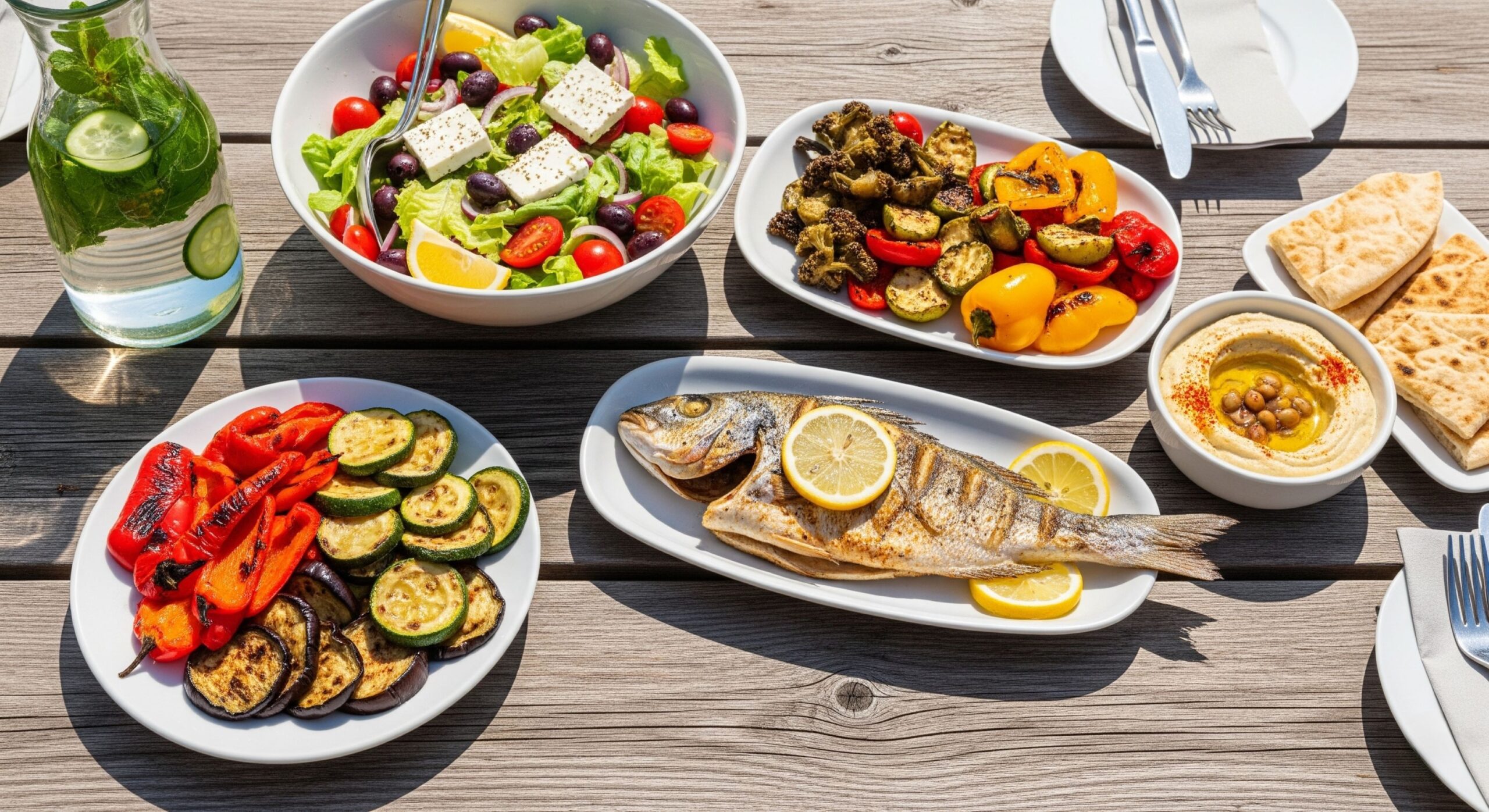
- Ikaria, Greece: A traditional Mediterranean diet, daily naps, strong community bonds, and a relaxed pace of life.
- Loma Linda, California, USA: A community of Seventh-day Adventists who follow a plant-based diet, prioritize family, and incorporate regular exercise and faith into their lives.
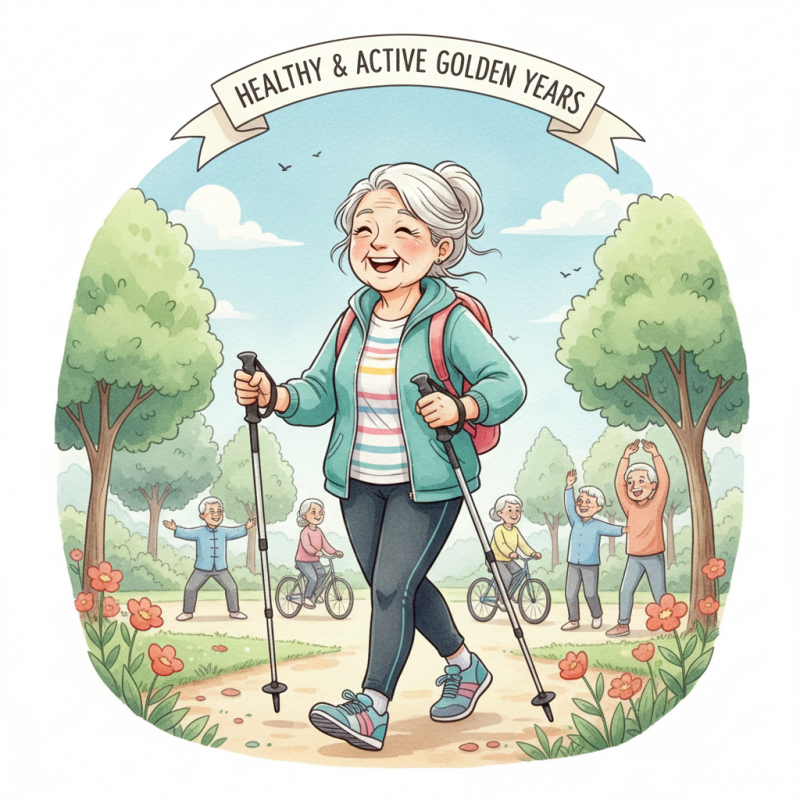
What do they all have in common? It’s not one thing, but a cluster of natural, healthy habits integrated into daily life. They don’t go to gyms; they move naturally. They don’t diet; they eat whole, plant-rich foods. They’re not isolated; they have strong social circles. These aren’t “health fads” but deeply ingrained cultural practices.
The Power of Community and Purpose
You’ve probably noticed a recurring theme here: social connection and a sense of purpose. It’s not just about what you eat or how much you move; it’s about feeling valued, connected, and having a reason to get out of bed in the morning. Research from places like the Blue Zones Institute consistently highlights these as non-negotiable components of a long, healthy life. So, while you might not move to Okinawa, you can certainly cultivate stronger relationships and find your own “ikigai” right where you are.
Healthcare That Cares: Systems Making a Difference
While lifestyle is king, a robust, accessible, and high-quality healthcare system is undoubtedly a massive contributor to a country’s overall health profile. Nobody wants to be stressed about medical bills when they’re sick, right? The accessibility and quality of care play a huge role in determining the best country for healthy life for many people.
Universal Access vs. High-Tech Medicine
When you look at countries with impressive health outcomes, you often see universal healthcare systems. Countries like Switzerland, Norway, and Singapore consistently rank high, not just for life expectancy but also for the efficiency and accessibility of their healthcare. They ensure that preventative care, essential treatments, and specialized services are available to all citizens, reducing health disparities.
But wait, it’s not just about having universal access. It’s also about the quality of that care. A report by the Commonwealth Fund (2021) often highlights countries like Norway, the Netherlands, and Switzerland for their equitable, high-quality healthcare systems that focus on primary care and mental health integration. They don’t just wait for you to get sick; they actively work to keep you well.
Integrating Mental Health and Holistic Approaches
Here’s another crucial factor: how countries treat mental health. In many top-ranking healthy nations, mental health care isn’t an afterthought; it’s integrated into primary care. Take Finland, often cited as one of the happiest countries, for example. They have strong public health initiatives focused on reducing stress, supporting parents, and providing early intervention for mental health challenges. This holistic approach, recognizing the undeniable link between mind and body, is a hallmark of a truly health-promoting nation.
Mind, Body, & Environment: Holistic Well-being
Okay, we’ve talked about diet, movement, social bonds, and healthcare. But what about the bigger picture? The environment we live in and the culture that surrounds us profoundly impact our daily choices and overall well-being. Think about it: if your city is walkable, has clean air, and offers ample green spaces, living a healthy life becomes almost effortless.
Clean Air, Green Spaces, and Active Transport
Countries that prioritize environmental quality often have healthier populations. Take the Nordic countries, for example, or even New Zealand. They’re renowned for their clean air and water, vast natural landscapes, and cultures that encourage spending time outdoors. Many European cities also excel in urban planning that supports active transport – think bicycles lanes, pedestrian-friendly streets, and efficient public transport that reduces reliance on cars. When your commute involves a walk or a bike ride through a park, you’re building physical activity into your day without even trying.
This isn’t just about aesthetics; it has direct health benefits. Studies consistently show that access to green spaces can reduce stress, improve mental health, and even encourage more physical activity, contributing significantly to a healthy life.
Work-Life Balance and Stress Reduction
You’ve probably noticed that feeling stressed out and exhausted isn’t exactly a recipe for good health. Many of the healthiest countries, particularly in Europe, champion a strong work-life balance. This often means shorter workweeks, generous vacation time, and parental leave policies. Germany, Denmark, and the Netherlands are excellent examples of nations where productivity doesn’t come at the expense of personal well-being. When people have time to rest, spend time with family, pursue hobbies, and simply decompress, it has a ripple effect on their physical and mental health.
This focus on reducing chronic stress, rather than just treating its symptoms, is a crucial ingredient in the recipe for a truly healthy population. It’s about designing a society that supports well-being, not just economic output.

Learning from the Best: What You Can Adopt Today
So, after all this exploration, which country is best for healthy life? As we’ve seen, there’s no single gold medalist. Each nation has its strengths, whether it’s Japan’s longevity, Finland’s happiness, Switzerland’s healthcare, or the Mediterranean diet of Italy and Greece. But here’s the good news: you don’t need to move to a different continent to start enjoying the benefits of these healthier lifestyles. You can begin implementing these principles right now, wherever you are.
Actionable Steps for Your Own “Healthy Country”
Think about these takeaways and how you can integrate them into your daily routine:
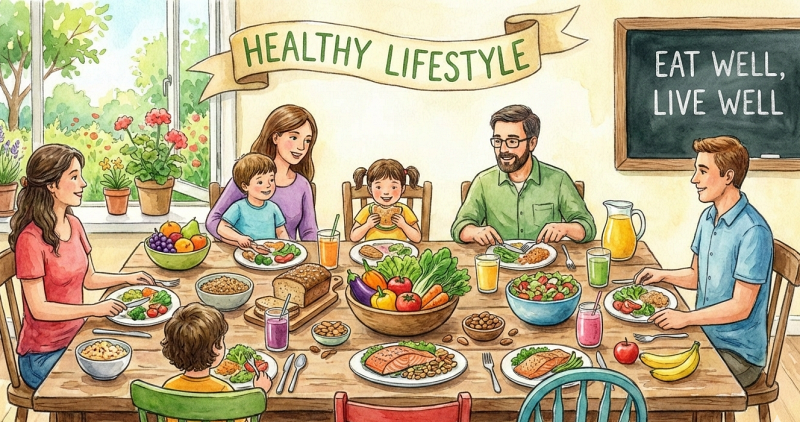
- Embrace More Plants: You don’t have to go fully vegan, but leaning into plant-based foods – fruits, vegetables, whole grains, legumes, nuts – is a cornerstone of almost every healthy diet globally. Make them the star of your plate.
- Move Naturally: Forget the gym if it’s not your thing. Find ways to move your body throughout the day. Walk more, take the stairs, garden, dance, or cycle. Make movement a natural part of your existence, just like in the Blue Zones.
- Prioritize Connection: Cultivate strong relationships with friends, family, and your community. Join a club, volunteer, or simply make time for meaningful conversations. Loneliness is a significant health risk.
- Find Your Purpose: What truly lights you up? Whether it’s a hobby, a cause, or your work, having a reason to wake up each morning contributes immensely to mental and physical vitality.
- Manage Stress: Learn to downshift. Whether it’s meditation, a quiet walk, reading, or deep breathing, find what helps you relax and build it into your daily schedule.
- Advocate for Health: On a broader scale, support policies in your own community that promote healthy living – better public transport, green spaces, access to healthy food, and comprehensive healthcare.
Quick Takeaway: Creating your “best country for healthy life” starts at home. It’s about intentionally building healthy habits, fostering community, and making choices that support your physical and mental well-being, inspired by the world’s healthiest populations.
Conclusion: Your Healthiest Life, No Passport Required
Ultimately, the quest for the best country for a healthy life isn’t about finding a single geographical paradise. It’s about recognizing that true health is a multi-faceted gem, polished by a combination of genetics, lifestyle, environment, and robust social support. While some countries certainly offer an advantageous blueprint, the core principles of a long, vibrant life remain universal: nourish your body with wholesome foods, keep moving, foster deep connections, find purpose, and manage stress effectively.
Don’t wait for a plane ticket to start living your healthiest life. Look around you, identify what’s working well, and consciously integrate those global best practices into your daily routine. Your personal “healthiest country” isn’t a destination; it’s a daily commitment to well-being, built one intentional choice at a time. So, go ahead, start building your own health haven today, right where you are.
References
- Buettner, D., & Skarmeas, S. (2012). The Blue Zones Solution: Eating and Living Like the World’s Healthiest People. National Geographic Books.
- The Commonwealth Fund. (2021). Mirror, Mirror 2021: Reflecting Poorly: Health Care in the U.S. Compared to Other High-Income Countries. Retrieved from https://www.commonwealthfund.org/publications/fund-reports/2021/aug/mirror-mirror-2021
- United Nations Sustainable Development Solutions Network. (2024). World Happiness Report 2024. Retrieved from https://worldhappiness.report/ed/2024/
- World Health Organization (WHO). (2023). Global Health Estimates: Life expectancy and leading causes of death and disability. Retrieved from https://www.who.int/data/gho/data/themes/mortality-and-global-health-estimates
- White, M.P., et al. (2020). Blue space exposure and health and wellbeing: A systematic review. Environmental Research, 191, 110058. https://doi.org/10.1016/j.envres.2020.110058
- Roswall, N., et al. (2019). Association between a healthy Nordic food index and mortality: a prospective Danish cohort study. Clinical Nutrition, 38(1), 384-391. https://doi.org/10.1016/j.clnu.2018.01.011