
Hey there! You’ve probably found yourself scrolling through social media, seeing perfectly curated images of “healthy” people, or perhaps you’ve just woken up feeling a bit… less than amazing. The idea of living 100% healthy can feel like this elusive dream, right? Like chasing a unicorn while juggling kale and a meditation cushion.
I get it. In a world full of conflicting health advice, quick fixes, and overwhelming information, it’s easy to feel lost. You might wonder if achieving peak health means giving up everything you love or following an impossible regimen. The truth is, “100% healthy” isn’t about perfection; it’s about optimizing your well-being across all dimensions of your life. It’s a dynamic, ongoing journey, not a fixed destination. Think of it less as a finish line and more like consistently tending to a vibrant garden—your body and mind.
So, how do we actually get there? How do we build a lifestyle that supports genuine, sustainable health? Well, grab your favorite warm drink, because we’re going to break down the pillars of optimal health into actionable, no-nonsense steps that you can start implementing today. Let’s ditch the overwhelm and embrace a more balanced, joyful path to feeling your absolute best.

Nourish Your Body From the Inside Out: Food as Fuel and Medicine
You’ve heard it a million times: “You are what you eat.” And honestly, there’s a huge amount of truth to that. What you put into your body directly impacts your energy levels, mood, immune function, and long-term health. But before you panic and swear off all your favorite treats, let’s talk about what genuinely nourishing your body looks like when you want to live 100% healthy.
Prioritize Whole, Unprocessed Foods
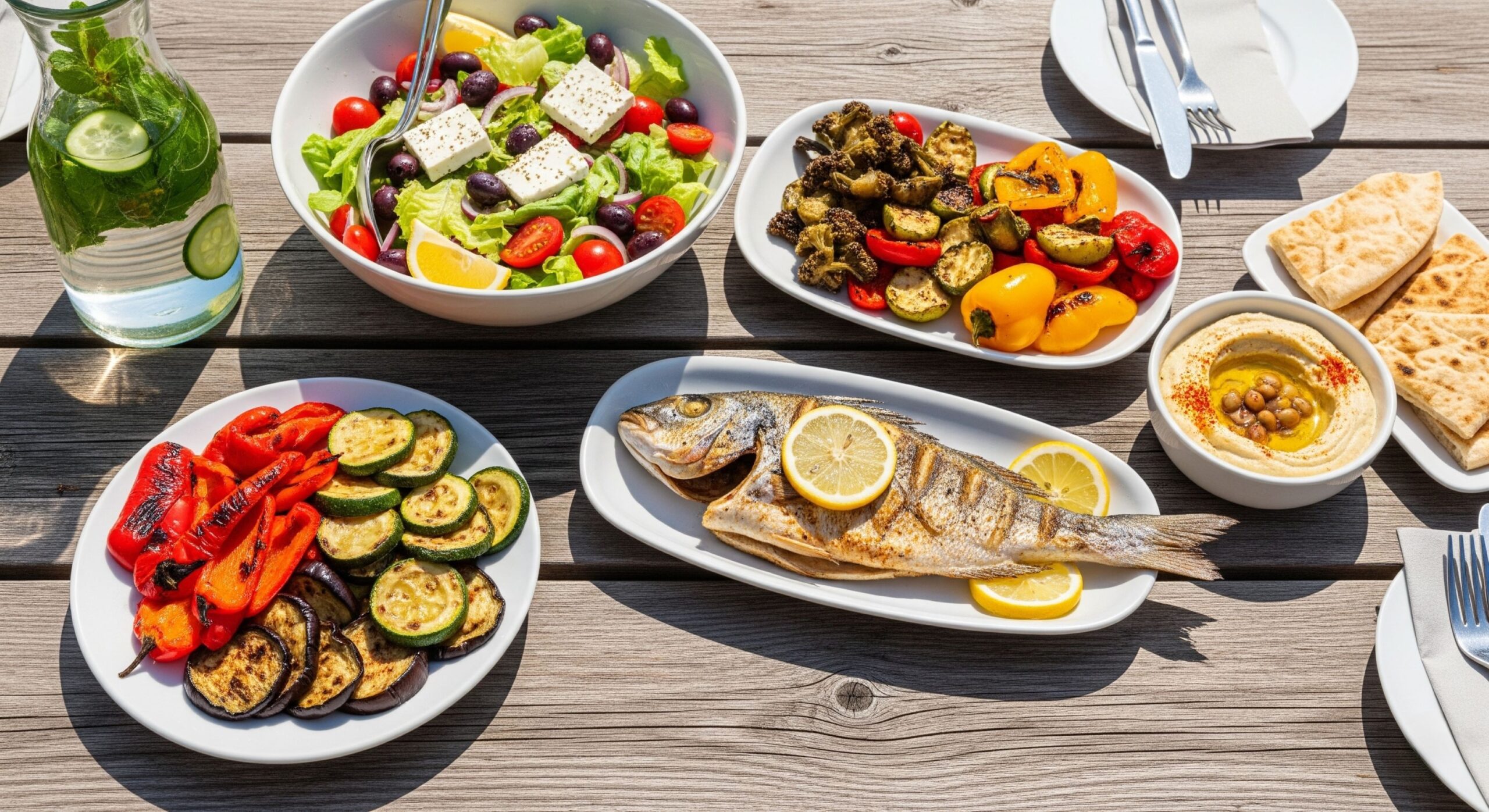
Here’s the thing: nature knows best. Our bodies thrive on foods that are as close to their natural state as possible. Think vibrant fruits and vegetables, lean proteins, whole grains, and healthy fats. These are packed with vitamins, minerals, fiber, and antioxidants that your body craves. Processed foods, on the other hand, often come loaded with added sugars, unhealthy fats, and artificial ingredients that can disrupt your gut health, mess with your energy, and contribute to chronic conditions.
Pro Tip: Aim for a “rainbow” on your plate at every meal. Different colors often indicate different beneficial nutrients. The more varied your produce, the wider range of vitamins and antioxidants you’re getting!
Hydration is Non-Negotiable
Water isn’t just for quenching thirst; it’s essential for virtually every bodily function. It helps transport nutrients, regulate body temperature, lubricate joints, and even keeps your skin looking fresh. Many of us walk around mildly dehydrated without even realizing it, mistaking thirst for hunger or feeling sluggish when all we really need is a glass of water. Think about it: our bodies are mostly water! So, make it a habit to sip throughout the day. Keep a reusable water bottle handy, and maybe even add a slice of lemon or cucumber if plain water isn’t your jam.
Listen to Your Gut: The Second Brain
Your gut health? Yeah, it’s kind of a big deal. Emerging research from institutions like Johns Hopkins highlights the profound connection between your gut microbiome and everything from your mood and immune system to your metabolism. To support a happy gut, focus on probiotic-rich foods like yogurt, kefir, sauerkraut, and kimchi, and prebiotic foods like garlic, onions, bananas, and oats. These feed the beneficial bacteria in your gut, helping them flourish. When your gut is happy, you’ll feel it throughout your entire system, helping you live 100% healthy from the inside out.
Move Your Body, Fuel Your Life: The Power of Physical Activity
If there’s one “magic pill” for health, regular physical activity would be it. It’s not just about looking good; it’s about feeling incredible, boosting your brainpower, and strengthening your body from bones to heart. When we talk about how to live 100% healthy, moving your body is absolutely central to the conversation.
Find Movement You Enjoy
Forget the idea that exercise has to be a grueling chore. The best kind of exercise is the one you actually stick with! Whether it’s dancing in your living room, hiking a local trail, swimming, cycling, or lifting weights, find something that sparks joy. When you enjoy it, it stops feeling like a “should” and starts feeling like a “want.” Aim for at least 150 minutes of moderate-intensity aerobic activity or 75 minutes of vigorous-intensity activity each week, combined with strength training two or more days a week, as recommended by the CDC.
Incorporate Movement into Your Daily Life
You don’t need to block out an hour every day at the gym to make a difference. Small movements add up! Take the stairs instead of the elevator. Park further away. Go for a brisk walk during your lunch break. Stand up and stretch every hour if you have a desk job. Even just 10-minute bursts of activity throughout the day can significantly improve your cardiovascular health and energy levels. It’s about building a lifestyle that naturally encourages movement, rather than seeing it as a separate task.

Strength Training Isn’t Just for Bodybuilders
Now, let’s talk about strength training. Many people, especially women, shy away from it, but it’s crucial for everyone! Building muscle mass helps boost your metabolism, improves bone density (super important as you age!), enhances balance and stability, and reduces your risk of injury. You don’t need heavy weights to start; bodyweight exercises like squats, lunges, and push-ups are incredibly effective. Think of it as investing in your future self – a stronger, more resilient you, ready to tackle anything.
Master the Art of Rest: Why Sleep Isn’t Optional
You’ve probably noticed that when you don’t get enough sleep, everything feels harder. Your patience wears thin, your focus dwindles, and you’re more likely to reach for unhealthy snacks. Sleep isn’t just about feeling rested; it’s a fundamental pillar if you truly want to live 100% healthy. It’s when your body repairs itself, your brain consolidates memories, and your hormones rebalance.
Prioritize 7-9 Hours of Quality Sleep
The National Sleep Foundation recommends 7-9 hours of sleep for most adults. And I know, sometimes that feels impossible with work, family, and life’s demands. But consistently skimping on sleep has serious consequences for your physical and mental health. It weakens your immune system, impairs cognitive function, and can even contribute to weight gain and chronic diseases. Think of sleep as your body’s nightly detox and repair cycle; you wouldn’t skip an oil change on your car, so don’t skip this vital process for your body!
Create a Consistent Sleep Routine
Our bodies thrive on routine. Going to bed and waking up around the same time each day, even on weekends, helps regulate your circadian rhythm—your internal body clock. About an hour before bed, start winding down. This means dimming the lights, avoiding screens (the blue light can disrupt melatonin production), and engaging in relaxing activities like reading, taking a warm bath, or gentle stretching. Your bedroom should be a sanctuary: dark, quiet, and cool. Check out our article on mindful bedtime routines for more tips on creating a relaxing pre-sleep ritual!
Quick Takeaway: Sleep isn’t a luxury; it’s a biological necessity. Make it a non-negotiable part of your daily health strategy. Your brain and body will thank you!
Cultivate a Resilient Mindset: Mental & Emotional Well-being
You can eat all the kale and run all the marathons, but if your mind isn’t healthy, you’re not truly living 100% healthy. Our mental and emotional states deeply impact our physical health, influencing everything from inflammation to heart health. It’s time to give your brain the same care you give your biceps.
Practice Mindfulness and Meditation
In our always-on world, our minds can feel like a chaotic traffic jam. Mindfulness is simply the practice of being present and aware, without judgment. Just a few minutes of meditation each day can significantly reduce stress, improve focus, and enhance emotional regulation. You don’t need to become a zen master; even a few deep breaths, noticing your surroundings, or savoring a meal mindfully can make a huge difference. Apps like Calm or Headspace offer guided meditations that are perfect for beginners.
Manage Stress Effectively
Stress is an unavoidable part of life, but chronic, unmanaged stress can wreak havoc on your body. It elevates cortisol levels, which can lead to weight gain, sleep problems, and a weakened immune system. Think about it: your immune system is like a security team for your body, and chronic stress makes them tired and less effective. Identify your stressors and find healthy coping mechanisms. This could be anything from journaling, spending time in nature, listening to music, or talking to a trusted friend or therapist. Prioritizing stress management is crucial for maintaining optimal well-being and truly thriving.

Nurture Your Relationships and Find Purpose
Humans are inherently social creatures. Strong social connections aren’t just nice to have; they’re essential for our mental and physical health. Studies consistently show that people with robust social networks tend to live longer, healthier lives. Make time for friends and family, engage in your community, and actively work on building meaningful relationships. Furthermore, having a sense of purpose—whether it’s through your work, volunteering, hobbies, or personal projects—gives life meaning and fuels a sense of fulfillment, which is vital for long-term emotional resilience. Don’t underestimate the power of connection in your quest to live 100% healthy.
Beyond the Basics: Embracing a Holistic Lifestyle
Living 100% healthy isn’t just about what you eat or how much you exercise. It’s about creating an environment that supports your well-being in every way. It means looking at your life holistically and making choices that serve your overall health.
Limit Exposure to Toxins
Our modern world is full of environmental toxins—in our food, water, air, and even the products we use daily. While you can’t eliminate all of them, you can certainly minimize your exposure. Choose organic produce when possible, filter your tap water, use natural cleaning products, and opt for personal care items free of harsh chemicals. Small changes can make a big difference in reducing the burden on your body’s detoxification systems. Think about it: your liver and kidneys work hard enough; let’s give them a break!
Cultivate a Sense of Gratitude and Positivity
You know what? Your mindset has incredible power. Practicing gratitude—actively acknowledging the good things in your life—can literally rewire your brain for more positive thinking. Start a gratitude journal, or simply take a few moments each day to reflect on what you’re thankful for. A positive outlook doesn’t mean ignoring problems, but rather approaching them with resilience and optimism. It’s a powerful tool for boosting your mood, reducing stress, and even improving your physical health. When you choose to see the good, you open yourself up to a healthier, happier existence.
Internal Link Opportunity: Want to deepen your gratitude practice? Read our guide on starting a daily gratitude journal to unlock its full potential!
Seek Regular Preventative Care
Don’t wait until something feels wrong to see a doctor. Regular check-ups, screenings, and open communication with your healthcare provider are crucial for preventative care. This includes everything from dental check-ups to eye exams and age-appropriate screenings for cancer or other conditions. Catching potential issues early can save you a lot of trouble (and worry!) down the line. It’s an active step in managing your health, rather than just reacting to illness.
Conclusion: Your Continuous Journey to 100% Health
So, can you truly live 100% healthy? The journey to optimal well-being is an ongoing one, a dance between intentional choices and gentle self-compassion. It’s not about achieving some mythical state of perfection, but rather about consistently striving for balance across your physical, mental, and emotional landscapes. It’s about building sustainable habits that nourish you, move you, rest you, and connect you. You don’t have to overhaul your entire life overnight; small, consistent steps add up to profound changes.
Remember, this is your unique path. Be kind to yourself, celebrate your progress, and learn from your setbacks. The goal isn’t to be “perfectly healthy” every single day, but to make conscious choices that support your vitality and joy most of the time. Embrace this journey with curiosity and self-love, and you’ll find yourself not just living healthier, but living a richer, more fulfilling life. You’ve got this!
References
- Centers for Disease Control and Prevention. (2022, June 2). How Much Physical Activity Do Adults Need? Retrieved from https://www.cdc.gov/physicalactivity/basics/adults/index.htm
- Johns Hopkins Medicine. (n.d.). The Brain-Gut Connection. Retrieved from https://www.hopkinsmedicine.org/health/wellness-and-prevention/the-brain-gut-connection
- The National Sleep Foundation. (2022). How Much Sleep Do We Really Need? Retrieved from https://www.sleepfoundation.org/how-sleep-works/how-much-sleep-do-we-really-need
- Harvard Health Publishing. (2021, July 13). Mindfulness meditation may ease anxiety, mental stress. Harvard Medical School. Retrieved from https://www.health.harvard.edu/mind-and-mood/mindfulness-meditation-may-ease-anxiety-mental-stress
- Holt-Lunstad, J., Smith, T. B., & Layton, J. B. (2010). Social Relationships and Mortality Risk: A Meta-analytic Review. PLoS Medicine, 7(7), e1000316. https://doi.org/10.1371/journal.pmed.1000316
- Mayo Clinic. (2023, December 29). Stress management: Practicing gratitude and a positive outlook. Retrieved from https://www.mayoclinic.org/healthy-lifestyle/stress-management/in-depth/stress-relief/art-20044476
Disclaimer: This article is intended for informational purposes only and does not constitute medical advice. Always consult with a qualified healthcare professional for any health concerns or before making any decisions related to your health or treatment.