
Herlin Donohue stood in her hallway, staring at her running shoes like they were artifacts from a lost civilization. For decades, her body had been a Toyota Camry—reliable, uncomplaining, predictable. Then, a dense fog rolled in.
It wasn’t just “getting older.” It felt like a physiological hijacking. Mood swings made her a stranger in her own skin. Sleep vanished. The mental sharpness she needed to run her career simply evaporated.
Herlin refused to accept the dusty narrative that aging is an inevitable slide into frailty. She didn’t view her symptoms as a character flaw. Instead, she found a midlife health center that identified them for what they were: a treatable biological transition.
Her story marks a cultural pivot. We are ditching “anti-aging” hysteria—which treats wrinkles like a pathology—for a “pro-aging” philosophy obsessed with healthspan. The goal isn’t just to keep breathing; it is to stay capable. The CDC notes that while we are living longer, the quality of those bonus years hasn’t kept up.
Navigating this phase requires more than good genes. It demands a strategy. You must invest in muscle, gray matter, hormones, and friendships with the same paranoia you apply to a retirement fund. Here is how people like Herlin keep the lights on.
Menopause: Hormones & Metabolic Reboot
For years, menopause was the ghost at the dinner table. Taboo. Fear drove the conversation, fueled by misinterpreted data from the early 2000s regarding Hormone Therapy (HT). That era is dead. The Menopause Society and other major health bodies have updated the playbook: the menopausal transition is a critical window for preventive maintenance.
The Biological Shift
Perimenopause isn’t just the end of babies. It is a systemic reboot. Estrogen receptors sit in your brain, bones, blood vessels, and muscles. When estrogen leaves the building, the effects ripple outward. Women get hot flashes, sure, but the silent changes are the dangerous ones. Bone density craters, insulin sensitivity weakens, and cardiovascular risk spikes.
Herlin’s “brain fog” wasn’t hysteria. It was likely the result of these hormonal shifts slamming into cerebral glucose metabolism. The brain runs on glucose. When estrogen withdraws, the brain struggles to find a new energy balance.
Treatment Options
Experts now agree: for healthy women under 60 or within 10 years of menopause, the benefits of Hormone Therapy usually outweigh the risks. This is a sharp U-turn from the “avoid at all costs” advice of the last decade.
It starts with a risk assessment. Doctors look at cardiovascular history, breast cancer risk, and clotting factors. FDA-approved bioidentical hormones—chemically identical to what your body makes—are frequently prescribed in patches or gels. These delivery methods minimize clot risk. We aren’t trying to turn the clock back to age 20. We are smoothing the transition so the body adapts without a crisis.
Nutrition for Metabolism
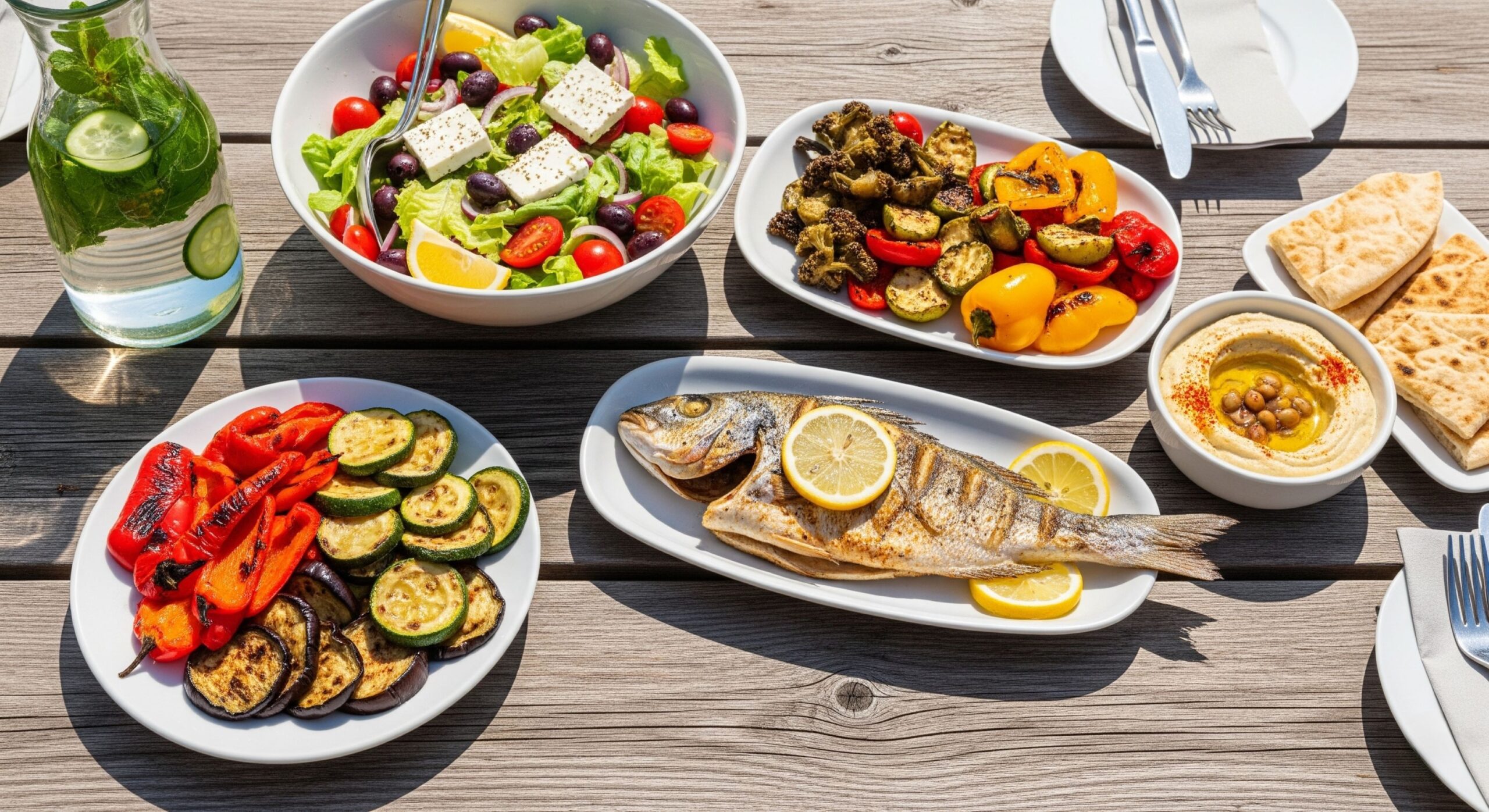
A “hormone-balancing diet” is really just metabolic triage. You cannot eat estrogen. But you can eat to support the liver and gut.
1. Phytoestrogens: Soy (edamame, tofu) and flaxseeds contain isoflavones. These weak plant compounds bind to estrogen receptors. For some women, two servings of soy daily act like a dimmer switch on hot flashes.
2. Fiber: Estrogen exits the body through the gut. If you are constipated, your body reabsorbs “used” estrogen. Not good. Aim for 25 to 30 grams of fiber daily.
3. Protein: As hormones drop, the body becomes a terrible recycler of protein. A 60-year-old woman needs more protein than a 30-year-old just to build the same muscle. Target 25-30 grams of high-quality protein at every meal.
Strength: The Armor Against Frailty
Jean, a grandmother in her 70s, realized something was wrong when her apartment stairs felt less like steps and more like a mountain. She wasn’t sick. She was becoming frail. She was suffering from sarcopenia: the age-related theft of muscle mass.
Muscle Matters
Muscle isn’t vanity; it is an organ of longevity. Skeletal muscle regulates blood sugar and acts as body armor against falls. Starting around age 30, sedentary adults lose 3% to 5% of their muscle mass per decade. By age 70, the loss hits the gas pedal.
The good news? Muscle tissue listens when you talk to it. Jean discovered she could build mass even in her 70s.
The “Power” Approach
Walking is great for the heart, but it won’t build the muscle you need to catch yourself when you trip. The CDC recommends a dual approach:
* Aerobic Activity: 150 minutes of moderate intensity per week.
* Muscle-Strengthening: At least two days a week targeting all major groups.
New evidence suggests focusing on power—moving weight quickly. Older adults lose fast-twitch muscle fibers (the ones that react instantly) faster than slow-twitch fibers.
* Actionable Steps:
* The Sit-to-Stand: Sit in a sturdy chair. Stand up explosively. Sit down slowly (3-4 seconds). Repeat for 10 reps. This proof-squeezes the quads and glutes.
* Grocery Carry: Carrying heavy bags builds grip strength. Surprisingly, grip strength is a strong predictor of overall mortality risk.
* The Slow Lower: When lowering a weight, take your time. This phase creates micro-tears in the muscle, stimulating stronger regrowth.
Cognitive Reserve: Building a Resilient Brain
Jeffrey Galvin, 74, restored his mother’s 1931 Steinway piano and learned to play. He wasn’t trying to “biohack” his hippocampus. He just loved the music. Biologically, however, he was engaging in a potent intervention.
Cognitive Reserve
The “Cognitive Reserve” hypothesis suggests we can build a backup generator for the brain. High reserve means more neural pathways. If disease blocks one road, traffic reroutes through the back streets. We cannot always prevent Alzheimer’s physical plaques, but we can strengthen the brain against their impact.
Brain Activities that Work
Passive activities like watching documentaries don’t force the brain to rewire. You need friction.
1. Musical Training: This forces motor skills, listening, and visual reading to sync up. Even short-term training speeds up processing in older adults.
2. Learning Languages: Learning Spanish or Mandarin strengthens executive control—the ability to switch tasks and filter distractions. Bilingualism is linked to delaying dementia symptoms.
3. Complex Games: Strategy games require resource management. The key is novelty. If you are a crossword master, doing another crossword is too easy. Go fail at Sudoku.
Social Connection & Community
Glenda, a participant in a walking program, admitted the exercise was secondary. “When you walk with people,” she said, “it’s a whole lot easier.” Her observation touches on a hard medical truth: loneliness breaks the body.
The Impact of Isolation
The U.S. Surgeon General has flagged loneliness as an epidemic. Its mortality risk rivals smoking 15 cigarettes a day. Isolation triggers a chronic “fight or flight” response. Cortisol stays high, inflammation creeps up, and the immune system gets distracted.
Doctors now use “social prescribing,” recommending coffee dates and clubs alongside blood pressure meds.
Building Connections
Diversify your social connections like a financial portfolio.
* Casual Interactions: Chatting with a barista or nodding to a neighbor creates a “sense of village.”
* Volunteering: Working with youth provides purpose. It breaks the bubble of age-segregated living.
* Technology: Video calls to family count, provided they supplement in-person contact rather than replace it.
Sleep and Supplements
The body’s ability to repair itself fades with age. Recovery—mostly sleep—moves from “nice to have” to “survival requirement.”
Better Sleep
As we age, deep, restorative sleep becomes elusive. We produce less melatonin. Waking up at 3 a.m. becomes the new normal. Do not accept this. Chronic sleep deprivation puts a fast-forward button on cognitive decline.
The Routine:
1. The Buffer: Cut the stress inputs 90 minutes before bed.
2. Light Control: Blue light murders melatonin production. Use amber-tinted glasses or read a physical book.
3. Temperature: Think cave, not sauna. Keep the room cool (65-68°F).
Supplements
No pill replaces a salad or a squat, but certain supplements fill the gaps for aging bodies.
* Vitamin D3: Older skin stops synthesizing D3 from the sun efficiently. It is crucial for bones and immunity. Test your levels.
* Magnesium Glycinate: This form is absorbable and aids muscle relaxation without sending you running to the bathroom.
* Omega-3 Fatty Acids: Critical for brain health and lowering inflammation. If you hate fatty fish, buy a high-quality supplement.
When to Call the Doctor
Seek immediate attention if you experience:
* Sudden confusion (often a sign of UTI or stroke).
* Shortness of breath with easy activities.
* A fall, even if you feel fine.
* Unexplained weight loss.
Frequently Asked Questions
Q: Is it safe to lift weights with arthritis?
A: Generally, yes. Strength training usually helps because strong muscles act as shock absorbers for the joints. Start low impact (bands, water aerobics) and fix your form. Pain is a signal to modify, not a stop sign.
Q: Does Hormone Therapy cause cancer?
A: The fear stems from a 2002 study using synthetic hormones on older women. Newer data shows that for women starting therapy within 10 years of menopause, the risk is rare. Transdermal patches carry even lower risks.
Q: Can supplements fix “brain fog”?
A: Be skeptical of “brain boosting” blends. The best supplement for the brain is sweat. However, fixing deficiencies in Vitamin B12, Vitamin D, and Iron can clear the haze. Get a blood panel before you buy expensive bottles.
Moving Forward
Herlin is running marathons again. She isn’t as fast as she was at 30, but she is running. Jeffrey is still stumbling through Chopin, but his brain lights up with every new chord. Jean carries her own groceries.
These stories show that healthy aging is not the absence of change; it is the presence of adaptation. It is a lifelong project built on steps taken, vegetables eaten, and hours slept. Start where you are today.
References:
1. The Menopause Society. The 2022 hormone therapy position statement of The North American Menopause Society. Menopause. 2022;29(7):767-794. doi:10.1097/GME.0000000000002028.
2. Centers for Disease Control and Prevention. How much physical activity do older adults need? Updated December 4, 2025.
3. U.S. Department of Health and Human Services, Office of the Surgeon General. Our epidemic of loneliness and isolation: The U.S. Surgeon General’s advisory on the healing effects of social connection and community. 2023.
4. National Institute on Aging. How can strength training build healthier bodies as we age? Published June 30, 2022.
5. Stern Y. Cognitive reserve in ageing and Alzheimer’s disease. Lancet Neurol. 2012;11(11):1006-1012. doi:10.1016/S1474-4422(12)70191-6.
Disclaimer: This article is intended for informational purposes only and does not constitute medical advice. Always consult with a qualified healthcare professional for any health concerns or before making any decisions related to your health or treatment.