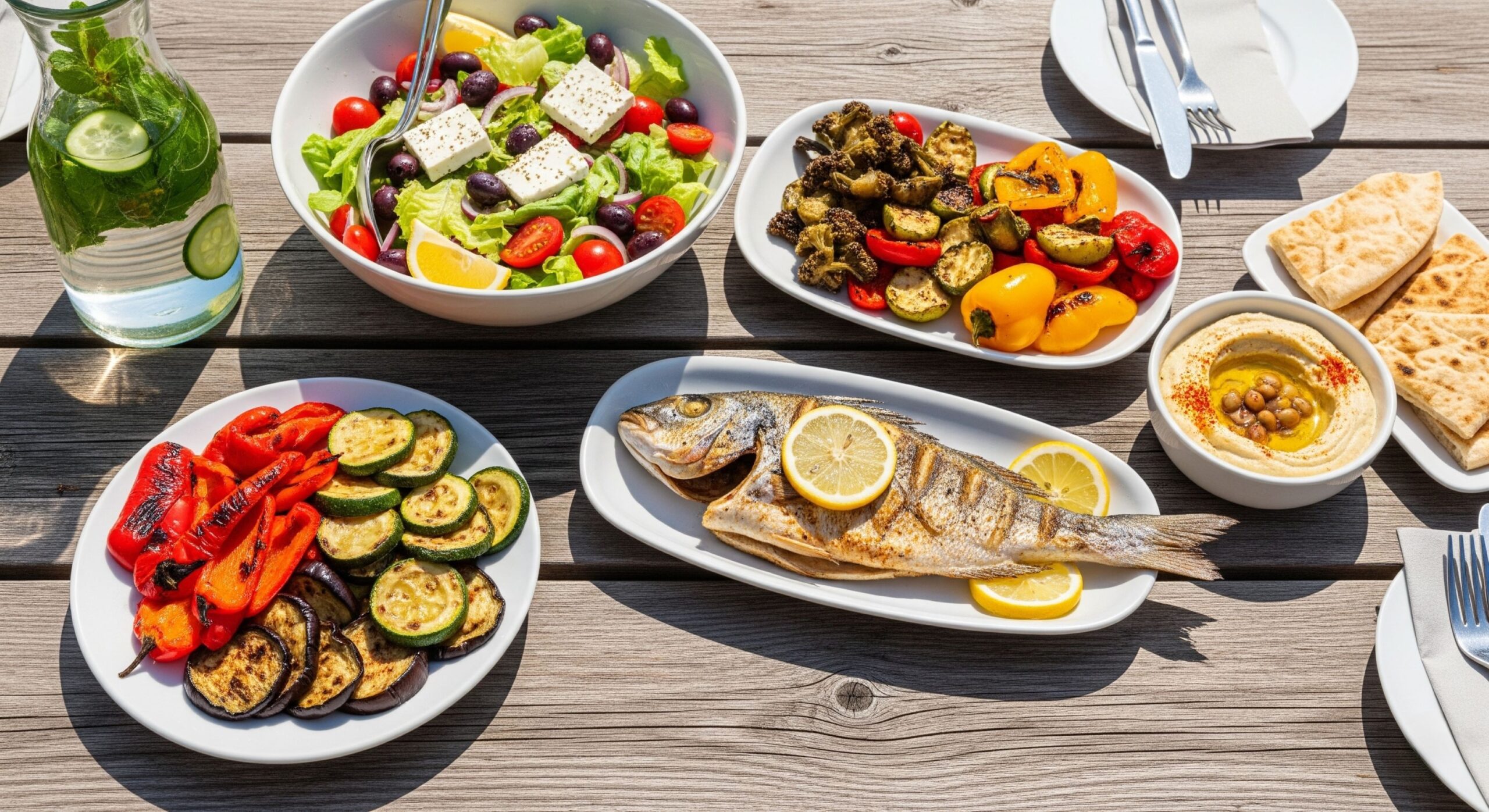

Have you ever felt tired after eating a meal, or found yourself reaching for a sugary snack despite not feeling hungry? In our fast-paced modern world, processed foods have become a convenient and ever-present part of our lives. They are quick, cheap, and undeniably tasty, as they satisfy our cravings with a powerful combination of sugar, salt, and fat. However, this convenience comes at a significant cost to our health and well-being. This guide is your comprehensive roadmap to understanding, identifying, and ultimately reducing processed foods in your diet, empowering you to reclaim your health and vitality with every conscious choice you make.
What Are Processed Foods? A Breakdown of the Levels
To effectively reduce processed foods, you first need to understand what they are. Many people, for instance, often misunderstand the term “processed,” since it can range from something as simple as cutting an apple to creating a complex, factory-made cookie. A helpful way to categorize foods is by the NOVA classification system, which divides foods into four groups based on their level of processing.
“Foods that have been stripped of most of their natural nutritional value and contain additives like flavorings, colors, or preservatives are often classified as ultra-processed.”
Group 1: Unprocessed and Minimally Processed Foods
These are whole foods in their natural state or those that have undergone minimal processing without adding any new ingredients. Examples include fresh fruits and vegetables, meat, fish, eggs, milk, and plain grains. We use minimal processing methods like washing, cutting, roasting, and pasteurizing. Ultimately, these foods form the foundation of a healthy diet.
Group 2: Processed Culinary Ingredients
These are substances we derive from Group 1 foods through processes like pressing, refining, and milling. Think of things like vegetable oils, sugar, salt, and flour. While you shouldn’t eat them on your own, we use them in cooking to make meals more palatable and delicious.
Group 3: Processed Foods
This group consists of foods made by combining Group 1 foods with Group 2 ingredients. Manufacturers often can, bottle, or salt processed foods to preserve them. Examples include canned vegetables, simple cheeses, and bread made with just flour, water, yeast, and salt. While they are not ideal for regular consumption, they are less harmful than their ultra-processed counterparts.
Group 4: Ultra-Processed Foods
This is the group we need to focus on. Ultra-processed foods are industrial formulations made entirely or mostly from substances extracted from foods, like fats, starches, and sugars. They often contain a multitude of additives like flavors, colors, emulsifiers, and preservatives. As a result, these foods are ready-to-eat and are engineered for maximum palatability. Common examples are sodas, packaged snacks, instant noodles, sugary cereals, and frozen dinners.
Understanding this spectrum, therefore, helps you make informed decisions. An apple is unprocessed, but applesauce with added sugar is a processed food. In short, a homemade chicken stew is a minimally processed meal, but a ready-to-eat frozen meal with a long list of additives is ultra-processed.
The Hidden Dangers: Why Processed Foods Harm Your Health
When you start to reduce processed foods, you are not just eliminating calories; you are removing a potent combination of ingredients that directly contribute to chronic disease. Specifically, these hidden dangers work in synergy to negatively impact your body from the inside out.
The Problem with Sugar, Salt, and Unhealthy Fats
Ultra-processed foods are meticulously engineered to hit the “bliss point,” a term the food industry uses to describe the perfect balance of sugar, salt, and fat that makes a food irresistibly palatable. This combination overrides your body’s natural satiety signals, causing you to eat more and more.
“Excessive consumption of added sugars is linked to an increased risk of cardiovascular disease, as it can contribute to high blood pressure, inflammation, and weight gain.”
Furthermore, many processed foods contain cheap, unhealthy fats like trans fats and highly refined vegetable oils. Researchers link these fats to increased levels of “bad” cholesterol (LDL) and inflammation throughout the body, raising your risk of cardiovascular disease.
Nutrient Deficiency and Inflammation
While processed foods are calorie-dense, they are often nutrient-poor. This is because extensive processing strips away essential vitamins, minerals, and fiber. Your body needs these nutrients to function correctly. This phenomenon of “empty calories” means you can feel full without actually being nourished.
“The regular consumption of ultra-processed foods, which are typically low in fiber and micronutrients, has been shown to promote chronic low-grade inflammation in the body.”
The lack of fiber is particularly problematic. In fact, fiber is crucial for a healthy digestive system. Without it, you are more likely to experience constipation and other gut issues. Moreover, the absence of natural nutrients and the presence of additives also contribute to chronic inflammation, a state of low-grade, persistent inflammation that we now recognize as a root cause of most modern diseases, including heart disease, diabetes, and even some cancers.
The Psychological Battle: Overcoming Cravings and Habits
The journey to a healthier diet is not just about what you eat; it’s also a psychological challenge. Processed foods are designed to be addictive, and breaking away from them requires mental resilience and a new approach to eating.
Understanding the Dopamine Loop
When you eat a highly palatable processed food, your brain releases a rush of dopamine, a neurotransmitter associated with pleasure and reward. This, in turn, creates a powerful neurological loop: you eat the food, you feel good, and your brain remembers that feeling, prompting you to seek out that food again. Consequently, this loop strengthens over time, and your brain starts to crave that specific combination of sugar, fat, and salt. Breaking this cycle involves retraining your brain to find satisfaction in whole, unprocessed foods.
“The high sugar and fat content in ultra-processed foods can stimulate the brain’s reward system, leading to a reinforcing cycle of cravings similar to addictive behaviors.”
Tackling Emotional Eating
For many, processed foods are a source of comfort. In other words, we often reach for them when we are stressed, bored, or sad. This is known as emotional eating. The immediate pleasure from these foods provides a temporary distraction from negative emotions. However, it doesn’t solve the underlying problem and can lead to feelings of guilt and shame. To overcome this, you must, therefore, learn to distinguish between physical hunger and emotional hunger. Instead of turning to food, try new coping mechanisms like going for a walk, listening to music, or talking to a friend.
Your Step-by-Step Guide to Reducing Processed Foods
This section provides a practical, actionable plan to help you successfully transition to a diet rich in whole foods. The key is to start small and make gradual, sustainable changes.
Step 1: Become a Label Detective
The first and most important step is to understand what you are currently eating. This is because you cannot change what you don’t acknowledge. Begin by reading the ingredient labels on the foods you buy. Look for things you can’t pronounce, ingredients you don’t recognize as food (e.g., carrageenan, xanthan gum), and high amounts of sugar, sodium, and trans fats.
“A good rule of thumb is to look for a short list of ingredients that you can recognize and pronounce, as this is a strong indicator of less-processed food.”
Step 2: Start with One Small Change
Don’t try to overhaul your entire diet overnight. In fact, this often leads to feelings of deprivation and burnout. Instead, identify one ultra-processed food you eat regularly and find a healthier, less-processed alternative.
For example, if you typically drink soda, try sparkling water with a squeeze of fresh lemon or lime. If you usually grab a bag of chips for a snack, swap them for a handful of roasted, unsalted almonds or a piece of fruit. Making one small, successful change builds momentum and confidence for the next step.
Step 3: Master the Perimeter of the Grocery Store
The layout of most grocery stores is designed to keep you in the middle aisles where all the processed and packaged foods are located. The good stuff—fresh produce, meat, dairy, and fish—is almost always on the outer perimeter. Therefore, make it a new habit to do most of your shopping along the perimeter of the store. This will naturally guide you toward whole, unprocessed foods.
If you do venture into the inner aisles, stick to a pre-planned list. This helps you avoid impulse purchases of unhealthy snacks and processed foods. When you buy groceries, think about buying ingredients to make meals, not pre-made meals themselves.
Step 4: Fall in Love with Cooking
Cooking from scratch is the most effective way to eliminate processed foods from your diet. When you cook your own meals, you have complete control over the ingredients. You decide how much salt and sugar to add. You can use healthy fats and whole ingredients.
“Replacing processed foods with home-cooked meals based on whole foods like fruits, vegetables, and lean proteins can significantly improve nutrient intake and reduce the risk of diet-related diseases.”
Step 5: Embrace Healthy Swaps
As you begin your journey, you will find that many processed foods have delicious and healthy alternatives. For this reason, here are some simple and effective swaps to get you started:
- Swap Soda for Infused Water or Tea: Instead of sugary soft drinks, try infusing water with sliced fruits like lemons, cucumbers, or berries. Unsweetened herbal teas are another great option.
- Swap Chips for Roasted Nuts or Seeds: Chips are a staple of processed snacking. Trade them for a handful of roasted almonds, walnuts, or pumpkin seeds. They are crunchy, satisfying, and packed with healthy fats and protein.
- Swap Sugary Cereals for Oatmeal: Many breakfast cereals are high in sugar and low in fiber. A bowl of oatmeal topped with fresh fruit, nuts, and a sprinkle of cinnamon is a much more nutritious and filling alternative.
- Swap Packaged Condiments for Homemade Dressings: Bottled salad dressings and sauces often contain hidden sugars, unhealthy oils, and preservatives. Make your own simple dressing with olive oil, vinegar, and your favorite herbs.
- Swap Frozen Dinners for Quick Homemade Meals: Instead of a frozen pizza or TV dinner, try a quick-cooking meal like a stir-fry with fresh vegetables and protein, or a simple pasta with a homemade tomato sauce.
Building a Sustainable Lifestyle: Beyond the Diet
Successfully reducing processed foods is not about a temporary diet; it’s about building a new, sustainable lifestyle. Ultimately, the goal is to create a long-lasting relationship with food that nourishes your body and mind.
Focus on Adding, Not Subtracting
Shift your mindset from one of deprivation to one of abundance. Instead of thinking about what you are giving up, focus on all the delicious, whole foods you are adding to your diet. Fill your plate with a variety of colorful vegetables, fresh fruits, lean proteins, and whole grains. When your body is properly nourished, it naturally starts to crave the right foods and feel satisfied.
Handle Social Situations and Eating Out
Navigating social events and restaurant dining can be challenging when you are trying to avoid processed foods. In this regard, here are some strategies to help you stay on track:
“A whole-foods-based diet is a powerful tool for disease prevention, as it provides essential vitamins, minerals, and antioxidants that support long-term health.”
At social gatherings, make a plate that is rich in fruits and vegetables first. This will help you feel full and less tempted by processed snacks. In restaurants, you can also ask for dressings on the side, or ask that a dish be prepared without excess salt or sugar.
The Power of Mindful Eating
Mindful eating involves paying attention to your food and how you feel while you eat. Put another way, it’s about slowing down and listening to your body’s hunger and fullness cues.
“Engaging in mindful eating practices, such as paying attention to the taste and texture of food, can help reduce overeating and improve overall satisfaction with meals.”
Conclusion: A Healthier Future, One Bite at a Time
Reducing processed foods is one of the most powerful changes you can make to improve your health. By understanding what these foods are and why they are harmful, you take the first step toward reclaiming your well-being. The journey is not always easy, but it is incredibly rewarding.
“The majority of the US population’s daily calories come from ultra-processed foods, highlighting the need for widespread dietary changes to combat chronic diseases.”
You have the power to change your health trajectory. By learning to read labels, making smart swaps, and prioritizing cooking with whole ingredients, you can build a lifestyle that supports your body from the inside out. Remember to be patient and kind to yourself throughout this process. Every small, conscious choice you make contributes to a healthier, happier you. The journey to a more vibrant life starts now, with a single, mindful bite.
Article Sources
The information in this article is based on research from the following credible sources:
- World Health Organization (WHO)
- American Heart Association (AHA)
- National Library of Medicine (PubMed)
- Journal of Physiology and Pharmacology
- Mayo Clinic
- The American Journal of Clinical Nutrition
- Harvard T.H. Chan School of Public Health
- Journal of Obesity
- Centers for Disease Control and Prevention (CDC)