
The Benefits of Holistic Exercise: Yoga and Pilates for Body and Mind
For many, the journey to a healthier life often begins with a focus on physical fitness. We lift weights and run miles, pushing our bodies to their limits. The goal is to achieve stronger muscles, improved endurance, and a more athletic physique. While these goals are valuable, they often overlook a critical part of true wellness: the mind-body connection. This singular focus on the physical can leave us feeling incomplete, neglecting our mental and emotional health.
Holistic exercise practices like Yoga and Pilates are gaining popularity. They offer more than just physical gains. These disciplines provide a balanced approach to fitness that nurtures both the body and the mind. Ultimately, they teach us that true strength comes from mental clarity and emotional resilience. This article will, therefore, explore the profound benefits of Yoga and Pilates, showing how they transform us physically while cultivating inner peace and mental fortitude.
“The physical and mental health benefits of yoga are well-documented. They provide a powerful combination for well-being.”
– Johns Hopkins Medicine
A Deeper Connection: The Philosophy of Holistic Fitness
The term “holistic” comes from the Greek word holos, which means “whole.” This philosophy views a person as a single, integrated system where the physical, mental, and emotional aspects are all connected. While traditional workouts often treat the body like a machine, a holistic approach sees physical health as a direct reflection of our mental state. For example, stress and a lack of focus can lead to physical tension and chronic pain. On the other hand, a strong, flexible body can improve mental clarity and emotional stability.
Yoga and Pilates use this principle. They don’t just focus on burning calories or building biceps. Instead, they prioritize balance, control, and conscious movement. Each exercise requires a high degree of mental focus, forcing you to tune into your body and the sensations you feel. This mindful awareness sets these practices apart. You are not just performing a movement; you are experiencing it, understanding its purpose, and connecting it to your breath. Consequently, this deliberate, inward focus becomes the essence of a holistic practice, which unlocks a new level of physical and mental well-being.
Yoga: Unifying the Body, Breath, and Mind
Yoga originated in ancient India. It is a practice that uses physical postures (asanas), breathing techniques (pranayama), and meditation. It promotes physical health and spiritual growth. The word “yoga” itself means “to unite,” perfectly describing its goal of bringing together the mind, body, and spirit. Ultimately, the true power of yoga is in its ability to create inner peace.
The Physical Transformation
Yoga offers a wide array of physical benefits. First, it dramatically improves flexibility. Holding poses like Downward-Facing Dog or Warrior II stretches your muscles and tissues, which gradually increases your range of motion. Enhanced flexibility can help prevent injuries and reduce muscle soreness, and it also improves your overall posture. According to a 2017 study, “regular yoga practice is effective in improving flexibility, balance, and strength in healthy individuals.”
Beyond flexibility, yoga builds functional strength. Poses like Plank and Crow Pose use your body weight for resistance, strengthening your core, arms, legs, and back. This type of strength is practical and balanced, supporting daily activities and other forms of exercise. In addition, regular yoga practice significantly enhances balance and stability. For instance, standing on one leg in Tree Pose requires constant engagement of your stabilizer muscles. This leads to improved coordination and a reduced risk of falls.
Finally, the emphasis on proper alignment in every pose works wonders for your posture. A slumped back is a common issue in our modern, sedentary lives. Yoga encourages you to lengthen your spine, open your chest, and engage your core. This corrects imbalances and helps you stand taller. A study found that a 12-week yoga program significantly improved posture in young adults.
“Regular yoga practice can decrease levels of stress-related hormones. It has been shown to improve mood and psychological well-being.”
– Mayo Clinic
The Mental and Emotional Journey
The mental benefits of yoga are arguably its most profound. It requires you to synchronize your movements with your breath, which pulls you out of your daily distractions and brings you into the present moment. This practice of mindfulness is a powerful tool for stress reduction. When you are fully focused on your breath, your mind has less chance to dwell on worries. In turn, this mental quietude lowers your cortisol levels and leaves you feeling calm and centered. A review concluded that yoga practice has a significant effect on reducing cortisol levels.
Yoga also improves concentration and focus. Holding a challenging pose requires intense mental discipline. You learn to quiet your mind and direct your full attention to the task at hand. This ability translates directly to other areas of your life, making you more productive and less prone to mental fatigue.
Furthermore, yoga provides a safe space for emotional release. Many poses, especially hip and chest openers, are believed to release pent-up emotions. As you stretch, you may feel a powerful sense of release, which leads to greater emotional balance and resilience.
Pilates: Precision, Control, and Core Power
Pilates was developed in the early 20th century by Joseph Pilates. It was originally called “Contrology.” Its core philosophy is a series of controlled, precise movements designed to strengthen the body’s “powerhouse”—the deep core muscles. Pilates created the method to help bedridden patients and dancers. Its principles remain highly effective for anyone seeking to improve their physical foundation.
“Pilates is particularly useful for building strong, stable core muscles. This is essential for supporting your spine and improving posture.”
– National Health Service (NHS)
The Physical Reinforcement
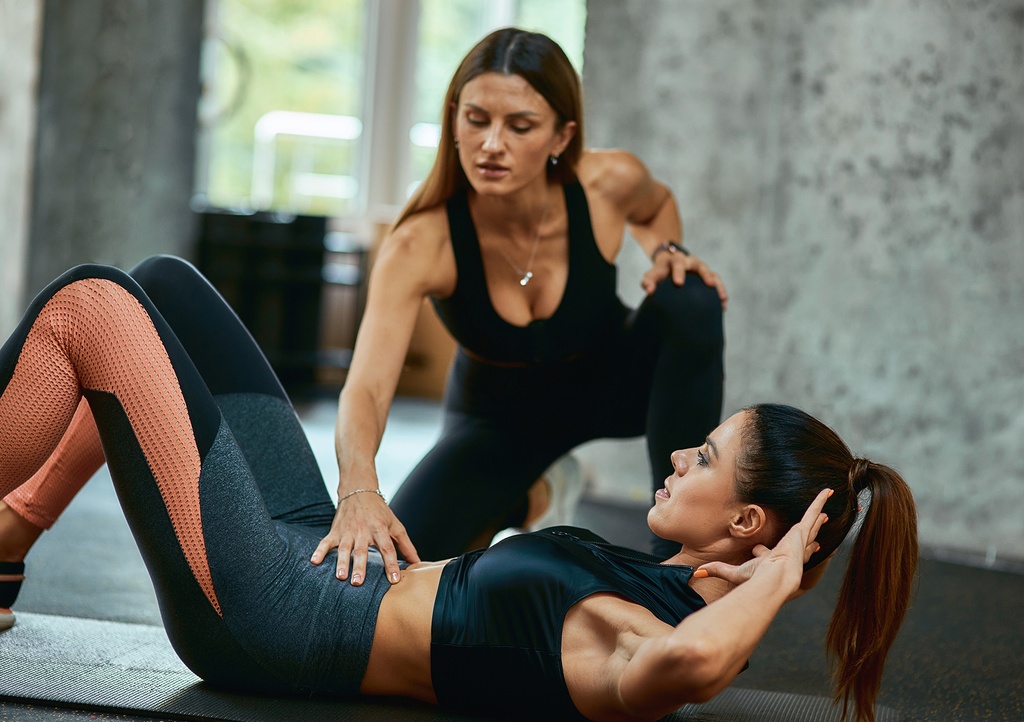
The physical benefits of Pilates stem from its focus on the core. It provides unparalleled core strength. Pilates exercises target the transverse abdominis, which is the deepest abdominal muscle and acts as a natural corset for your spine. A strong core protects your back from injury and improves your overall stability. In a study, researchers found that a Pilates program significantly increased the strength of the deep core muscles.
In addition, Pilates improves muscle tone without adding bulk. The exercises use eccentric contractions, which create long, lean muscles. This is appealing to those who want a strong, sculpted physique without heavy weightlifting. The practice also emphasizes postural alignment by teaching you to hold your body in a balanced and efficient way. By strengthening the muscles that support your spine, Pilates corrects imbalances and promotes an upright, confident posture.
Finally, Pilates is a powerful tool for injury prevention. Its low-impact nature makes it safe for all ages and for those recovering from injuries. It strengthens the stabilizing muscles around joints, which helps prevent future sprains. For this reason, physical therapists often recommend it to safely rebuild strength after an injury.
“Pilates is a safe and effective way to strengthen your body. It can also improve your flexibility and mind-body awareness.”
– American Council on Exercise (ACE)
The Mental Discipline
While Pilates may not have the spiritual roots of yoga, it is a mind-body practice. Joseph Pilates himself stated that the exercises require complete mental concentration. Every movement is deliberate, so you must think about which muscles you are engaging. This mind-muscle connection is a key mental benefit. You learn to listen to your body and understand its capabilities and limitations.
The focus on precision and control also teaches you discipline and patience. Unlike a fast-paced workout, Pilates encourages you to slow down and perform each repetition with perfect form. As a result, this practice hones your ability to focus and improves your body awareness. This heightened awareness also makes you more attuned to your body’s signals, helping you recognize tension before it becomes a problem.
Yoga vs. Pilates: A Complementary Relationship
Both Yoga and Pilates are great for the mind and body. However, they have distinct differences. Understanding them can help you choose the right practice. Even better, you can incorporate both into your routine.
The Key Differences
Yoga is a comprehensive system. It includes physical postures, breathwork, and meditation. It emphasizes flexibility and spiritual connection, often flowing from one pose to the next. Classes can vary widely. For instance, some are physically demanding while others are gentle and restorative.
Pilates, on the other hand, is a more focused, anatomical system. It is a form of resistance exercise that targets core strength and muscle control. It relies on a set of standardized movements and often uses specialized equipment like the Reformer. While it uses breath, its primary purpose is for muscle engagement, not for a meditative state.
Choosing the Right Practice
If you want to improve flexibility and de-stress, Yoga may be for you. It’s also great if you want to connect with the meditative side of fitness. Its styles allow you to find a practice that suits your energy level, whether you want an invigorating workout or a deeply relaxing stretch.
Conversely, if your primary goals are to build a stronger core, improve posture, and prevent injury, Pilates is an excellent option. It is great for athletes looking to improve performance. Additionally, it helps those with back pain. It is a low-impact, yet highly effective, form of strength training. An article from The Washington Post highlighted how combining both practices can create a powerful mind-body connection.
“Pilates is recommended by physicians and physical therapists. It is used for rehabilitation after injury.”
– Physiopedia
How to Begin Your Holistic Fitness Journey
Starting a new routine can feel intimidating. However, the most important thing is simply to begin. Both Yoga and Pilates have many entry points for beginners. Many gyms and studios offer introductory classes, and there are countless online resources and apps that provide guided sessions.
Beginners should focus on the fundamentals. In Yoga, this means understanding basic poses and proper alignment. In Pilates, it means learning to engage your core and control your movements. Listen to your body and never push yourself into a position that causes pain. Consistency is more important than intensity. Even a few short sessions per week can lead to great results.
You can also use both practices in your fitness plan. A weekly Pilates session can build a strong core. At the same time, a yoga class can provide flexibility and mental calm. They are not mutually exclusive; they complement each other beautifully. This offers a well-rounded approach to fitness.
Conclusion: A Path to Lasting Well-being
The world of fitness has long focused on “no pain, no gain.” While this approach has its place, it often fails to address the full spectrum of human health. Yoga and Pilates offer a powerful alternative. This path invites us to slow down, listen, and connect with ourselves on a deeper level.
By embracing holistic exercise, we move beyond physical appearance. We discover a form of movement that nourishes us from the inside out. A healthy body is more than strong muscles; it is a vehicle for a calm, clear, and resilient mind. The true benefits of Yoga and Pilates go far beyond the mat, empowering us to live more balanced and purposeful lives. As you step onto the mat, you are not just working out; you are beginning a journey toward a more complete version of yourself. A recent review concluded that mind-body exercises can improve both physical and psychological outcomes.
“Pilates is a safe and effective way to strengthen and stretch. It can reduce stress and improve overall wellness.”
– Harvard Health Publishing
For more effective techniques and a deeper understanding of how to cope with daily pressures, explore different stress reduction methods.
Source Citations
- Johns Hopkins Medicine – 9 Benefits of Yoga for Body and Mind
- International Journal of Yoga – Effect of yoga on physical health: A review of current research
- Journal of Physical Therapy Science – Effects of a 12-week yoga program on posture, balance and flexibility of young adults
- Mayo Clinic – Yoga: Fight stress and find serenity
- Frontiers in Human Neuroscience – The Effect of Yoga on Cortisol Levels in Women with Self-Reported Symptoms of Stress
- National Health Service (NHS) – A guide to Pilates
- Journal of Bodywork and Movement Therapies – The effect of a Pilates exercise program on core muscle function
- American Council on Exercise (ACE)
- Physiopedia – Pilates
- The Washington Post – The mind-body benefits of Pilates and yoga
- Sports Medicine and Health Science – Mind-body exercises and health outcomes: A systematic review and meta-analysis
- Harvard Health Publishing – Why Pilates is good for your body