
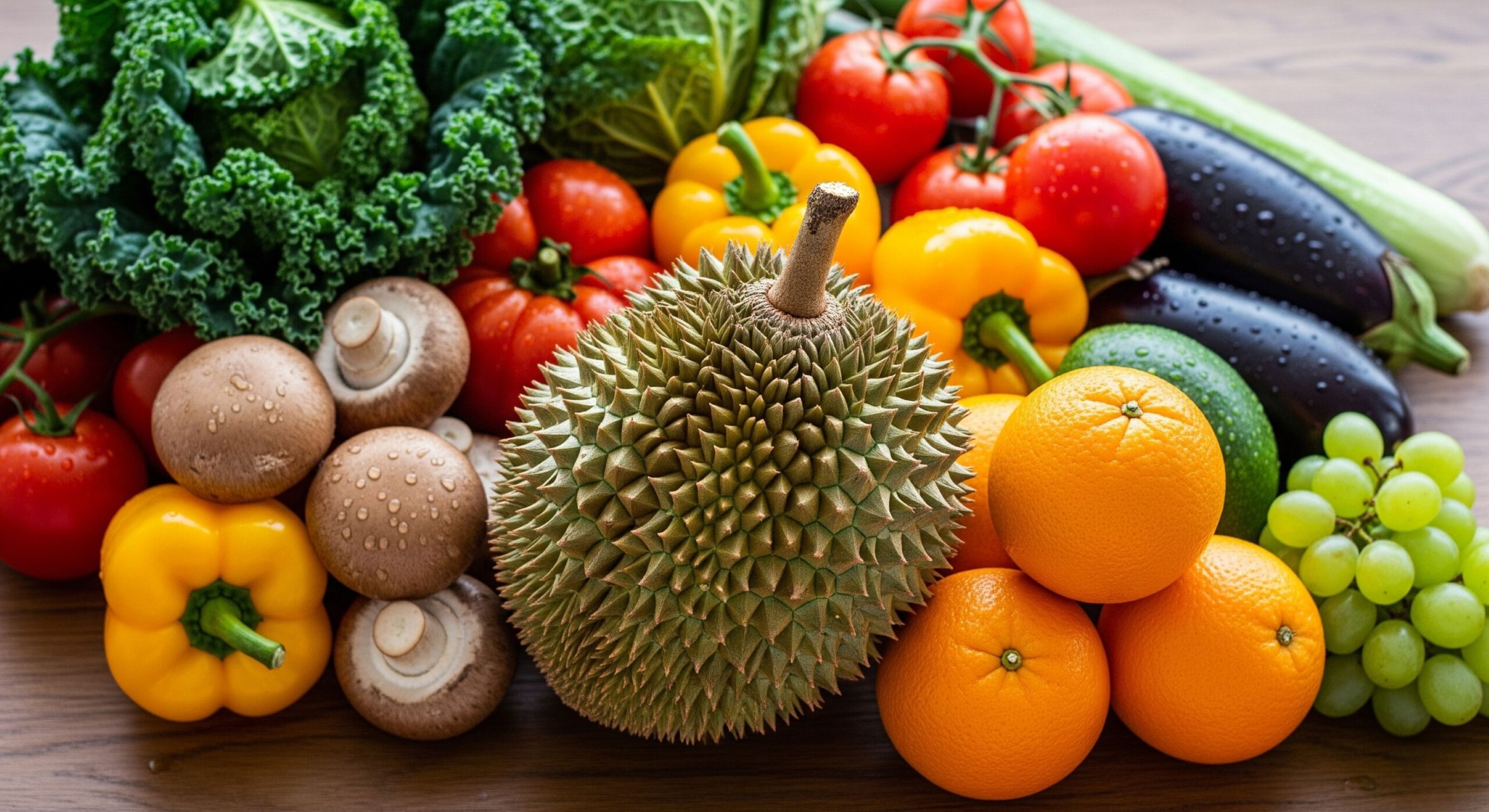
A dramatic shift is occurring in the world of food. Once a fringe lifestyle, the vegan diet has exploded into a global phenomenon, captivating millions for a variety of reasons. Beyond celebrity endorsements and viral social media posts, a powerful movement toward plant-based eating is fundamentally reshaping our relationship with food. This is not just a fleeting trend; it is a cultural, ethical, and nutritional reckoning. People are embracing veganism not only for their personal well-being, but also for the health of the planet and the welfare of animals. However, this transition also presents a unique set of hurdles. To truly understand this plant-powered revolution, we must thoroughly examine both its compelling benefits and its significant challenges.
The Allure of Plant-Based Eating: Unpacking the Benefits
The decision to adopt a vegan diet often stems from a powerful combination of motivations, but health consistently ranks as a top priority. When people shift from a standard Western diet to one rich in plants, they often experience a cascade of positive changes.
Cardiovascular Health
Most notably, a well-planned vegan diet can dramatically improve cardiovascular health. By nature, it contains no dietary cholesterol and is typically lower in saturated fat. As a result, individuals who follow a vegan diet often have lower blood pressure and lower levels of LDL (or “bad”) cholesterol, significantly reducing their risk of heart disease. Plant-based foods, such as grains, nuts, and legumes, are rich in soluble fiber, which actively helps to remove cholesterol from the body. Regularly consuming these foods is a proactive step toward a healthier heart.
“A diet rich in vegetables, fruits, whole grains, legumes, and nuts is good for your heart and overall health.” — American Heart Association
Weight Management and Blood Sugar Control
Furthermore, a vegan diet can be a powerful tool for weight management. Plant-based foods are generally less calorie-dense and higher in fiber than animal-based foods. This high fiber content promotes a feeling of fullness, which helps prevent overeating and snacking between meals. When people incorporate more fruits, vegetables, whole grains, and legumes into their diet, they naturally consume fewer calories without feeling deprived. This shift in eating habits makes it easier to maintain a healthy weight and lower the risk of obesity-related illnesses. To understand how to properly manage portions, check out our guide on the science of balanced portions.
“Evidence supports the use of vegan diets for weight loss… in overweight and obese adults.” — Journal of the Academy of Nutrition and Dietetics
Beyond weight and heart health, a vegan diet can also aid in the management and prevention of type 2 diabetes. The high fiber content and low glycemic load of many plant foods help to stabilize blood sugar levels. Numerous studies have shown that people who consume a vegan diet have a lower incidence of type 2 diabetes. For those who already have the condition, a plant-based diet can improve insulin sensitivity and help them manage their blood glucose more effectively. For more information on the importance of early detection, visit our article on why early detection is crucial for diabetes. This dietary approach provides a natural and effective way to take control of a serious health condition.
“Plant-based diets… have been shown to improve glycemic control and reduce body weight.” — American Diabetes Association
Cancer Prevention
Finally, some evidence suggests that a vegan diet can help reduce the risk of certain cancers. Studies have consistently linked the consumption of red and processed meats to an increased risk of colorectal cancer. For more tips on reducing this intake, check out our guide on reducing processed foods. By eliminating these foods and increasing the intake of fruits, vegetables, and whole grains, which are packed with antioxidants and phytochemicals, a vegan diet supports the body’s natural defense systems. These powerful compounds actively protect cells from damage and inflammation, which are key factors in cancer development.
Global Impact: Environmental and Ethical Gains
In addition to personal well-being, the vegan diet offers profound benefits for the planet and its inhabitants. The animal agriculture industry is a major contributor to global greenhouse gas emissions and environmental degradation.
Reducing Your Carbon Footprint
Animal farming accounts for a significant portion of global greenhouse gas emissions. Cows and other ruminant animals produce large amounts of methane, a potent greenhouse gas, through their digestive processes. People can immediately reduce their individual carbon footprint by opting for plant-based foods instead of meat and dairy. A single person switching to a vegan diet can have a more significant impact on greenhouse gas emissions than switching to a hybrid car.
“Livestock production… accounts for about 14.5 percent of the world’s greenhouse gas emissions.” — United Nations Food and Agriculture Organization (FAO)
Conserving Water and Land
Furthermore, the animal agriculture industry consumes a staggering amount of fresh water. Producing a single pound of beef requires thousands of gallons of water, which is used to grow feed, hydrate the animals, and clean facilities. In contrast, growing plant-based foods is far more water-efficient. This massive water savings becomes even more critical as regions around the world face increasing water scarcity. For more information on how fluids affect health, check out this article on the importance of hydration.
“Global land use for agriculture could be reduced by more than 75% if everyone adopted a vegan diet.” — Science Magazine
Land use is another significant environmental issue. Vast amounts of land are cleared to graze livestock or grow crops to feed them. Deforestation for these purposes destroys vital ecosystems, including the Amazon rainforest, which acts as the “lungs of the planet.” Shifting to a plant-based diet frees up this land, allowing it to recover or be used to grow crops for human consumption, a far more efficient use of resources. This transition can help preserve biodiversity and protect fragile ecosystems.
A Compassionate Choice: The Ethical Dimension
For many, the ethical argument is the most compelling reason to go vegan. They believe that animals are sentient beings and that people should not use them for food, clothing, or entertainment. This ethical stance extends beyond simply avoiding meat and dairy; it also includes steering clear of products that are tested on animals, leather, and wool. A vegan lifestyle aligns with a belief in animal rights and the desire to live a life that minimizes harm to others. This commitment to compassion is a powerful driving force behind the ever-growing vegan movement. This lifestyle aligns with other holistic health topics, including the benefits of holistic exercise.
“A growing number of people feel that using animals as a food source is morally indefensible because of the suffering involved.” — Oxford University, Centre for Animal Ethics
Navigating the Hurdles: Challenges of a Vegan Lifestyle
Despite its compelling benefits, a vegan diet is not without its challenges. It requires careful planning and a deep understanding of nutrition to ensure it is healthy and sustainable in the long run.
The Nutritional Path: Avoiding Deficiencies
One of the most common concerns about the vegan diet is the potential for nutritional deficiencies. A vegan diet lacks certain nutrients that are abundant in animal products.
This is perhaps the most critical nutrient a vegan must manage. Vitamin B12 is essential for nerve function and the formation of red blood cells, and it is almost exclusively found in animal products. Such nutrient deficiencies can lead to symptoms like lightheadedness and chronic fatigue.
“Vitamin B12… is naturally found in animal products… Vegetarians and vegans… may need to use fortified foods or supplements to get enough Vitamin B12.” — National Institutes of Health (NIH)
Therefore, vegans must regularly consume B12 supplements or B12-fortified foods. Failure to do so can lead to serious and irreversible neurological damage. It is a non-negotiable part of a healthy vegan diet.
Iron: While plants contain iron, it is a different type (non-heme iron) that is not as readily absorbed by the body as the heme iron found in meat. Vegans must be mindful of their iron intake and consume plenty of iron-rich plant foods like lentil, chickpeas, tofu, and dark leafy greens. To enhance absorption, they should pair these foods with a source of vitamin C, such as citrus fruits or bell peppers.
Calcium and Vitamin D: People often associate calcium with dairy products, but many plant-based sources are available. These include fortified plant milks (almond, soy, oat), tofu, and leafy greens like kale and collard greens. Vitamin D, which is essential for calcium absorption and bone health, is synthesized by the body through sun exposure. However, people in colder climates or those with limited sun exposure may need to supplement, regardless of their diet.
Omega-3 Fatty Acids: These essential fatty acids are crucial for brain and heart health. While they are abundant in fatty fish, vegans can obtain them from sources like flaxseeds, chia seeds, walnuts, and hemp seeds. The body converts the form found in plants (ALA) into the more usable forms (EPA and DHA), but this conversion process is not efficient.
“For those following a vegan or plant-based diet, a common concern is how to get adequate omega-3 fatty acids.” — Harvard T.H. Chan School of Public Health
Many vegans opt to consume high-quality algae-based Omega-3 supplements to ensure adequate intake.
Social and Practical Hurdles
In addition to nutritional considerations, transitioning to a vegan diet can present social and practical challenges that require patience and preparation.
The Social Landscape: Eating Out and Gatherings
Eating out can be difficult, especially in areas with limited vegan options. Many restaurants are now adding vegan dishes to their menus, but people still need to be cautious and ask questions about ingredients and preparation methods to avoid cross-contamination. Attending family events or dinner parties can also be awkward. Hosts may not understand the dietary limitations, and vegans often find themselves bringing their own food to ensure they have something to eat. This requires a proactive approach and a willingness to educate others.
The Practicality: Meal Planning and Cost
Meal planning is a skill that becomes more important on a vegan diet. Relying on processed vegan alternatives can be expensive and unhealthy. A sustainable vegan diet is based on whole foods, which often requires more time in the kitchen for preparation and cooking. This can be a significant change for people who are accustomed to relying on convenience foods or meat-based dishes. However, preparing meals from scratch can be incredibly cost-effective, disproving the myth that a vegan diet is always more expensive. Whole foods like lentils, beans, rice, and seasonal vegetables are typically much cheaper than meat and cheese.
The Future of Veganism: Trends and Innovation
The vegan diet is not stagnant; it is rapidly evolving thanks to technological innovations and growing demand.
Food Technology and the Next Generation of Foods
Food science is revolutionizing the vegan experience with an explosion of new products. Plant-based meat companies are creating convincing alternatives that closely mimic the taste, texture, and appearance of meat. Products from brands like Beyond Meat and Impossible Foods are widely available and appeal not only to vegans but also to meat-eaters looking to reduce their consumption. Similarly, the plant-based dairy sector is booming, with high-quality alternatives to milk, cheese, yogurt, and ice cream becoming commonplace. These innovations make the transition to a vegan diet easier and more appealing to a wider audience.
Wider Accessibility and Mainstreaming
The vegan diet is no longer confined to specialty stores. Supermarkets now have entire sections dedicated to plant-based products, and mainstream restaurants are incorporating more vegan options into their menus. This increased accessibility removes a major barrier for many people. It means that eating a plant-based meal is no longer a difficult special event but a simple, everyday choice. This trend is spreading globally, with plant-based restaurants and products popping up in cities all over the world. Part of this ease comes from technology, such as wearable tech that can help track your nutrition, as well as AI in healthcare.
The Lasting Impact of the Vegan Revolution
In conclusion, the modern vegan diet is a powerful and growing trend, driven by a convergence of health, ethical, and environmental concerns. Its benefits—from improved heart health and weight management to a reduced carbon footprint and animal welfare—are undeniable. However, it is also a lifestyle that demands forethought, nutritional awareness, and a willingness to navigate social and practical hurdles. The success of this diet hinges on a commitment to careful planning, from supplementing key nutrients to proactively managing social situations.
The rise of veganism signals a profound shift in our collective consciousness about food. It challenges us to rethink our habits, consider our impact, and explore new ways to nourish ourselves. With continued innovation in food technology and increasing accessibility, the path to a plant-based lifestyle is smoother than ever before. It is a dietary revolution that is not only here to stay but will continue to shape our future, one plant-based meal at a time. This journey is a personal one, but its positive ripple effects are global and far-reaching.
References and Sources
- American Heart Association
- Journal of the Academy of Nutrition and Dietetics
- American Diabetes Association
- United Nations Food and Agriculture Organization (FAO)
- Science Magazine
- Oxford University, Centre for Animal Ethics
- National Institutes of Health (NIH)
- Harvard T.H. Chan School of Public Health