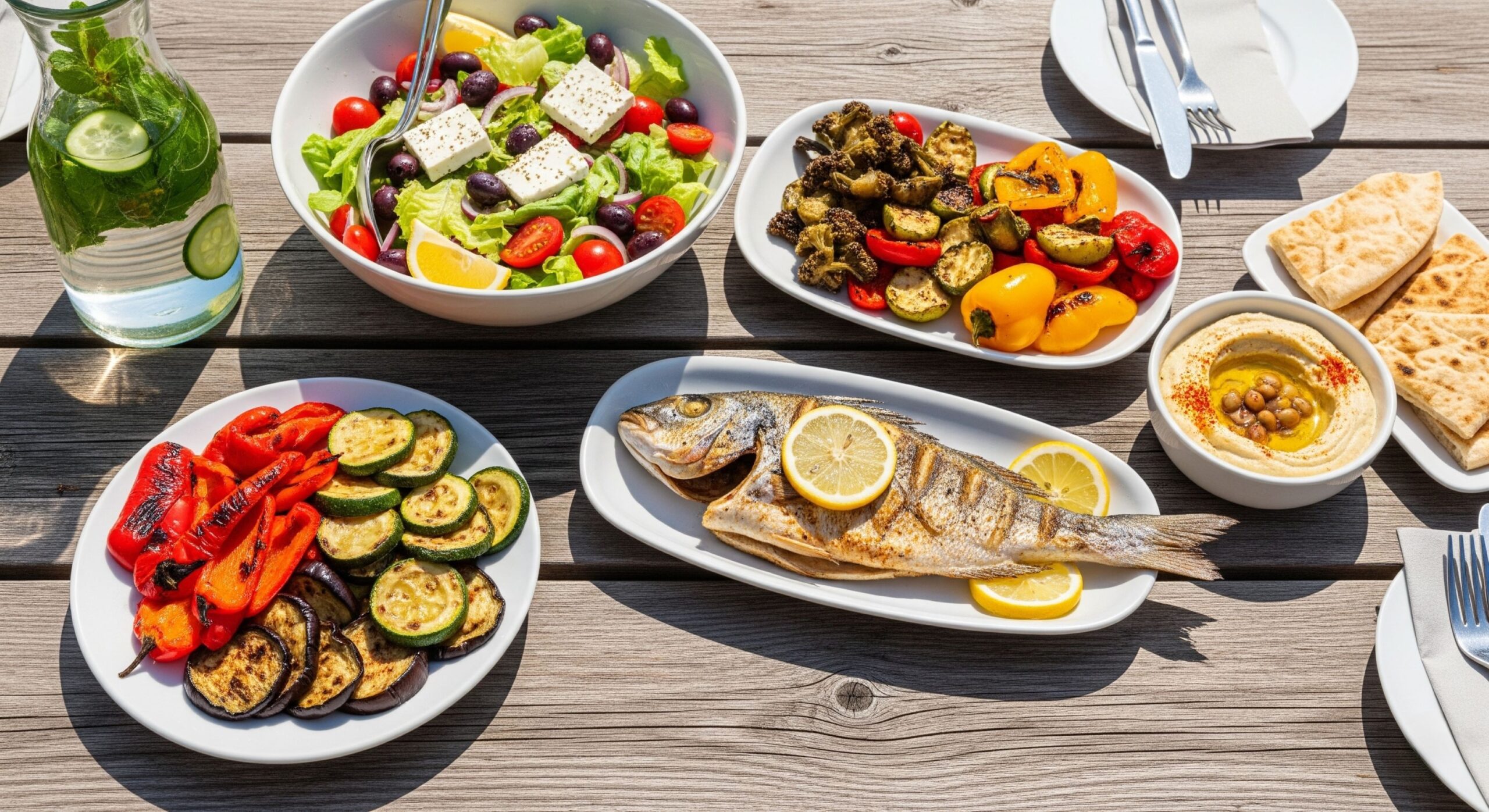

Starting Simple: Why a Gradual Approach Works
If the thought of “starting a diet” fills you with dread, you’re not alone. For many people, the word “diet” conjures images of tasteless food, constant hunger, and social isolation. As a result, it’s no wonder that so many of us try to eat healthier, only to give up a few weeks later. The truth is, the most successful and sustainable approach isn’t about dieting at all—it’s about making small, gradual changes that build into a healthy, lifelong habit. Indeed, this guide will walk you through the simplest first steps to eating healthier without feeling overwhelmed, helping you confidently and gently fix your diet for good.
The key is to reframe your thinking. Forget about extreme rules, restrictive meal plans, or the idea of a “perfect” diet. Instead, focus on progress, not perfection. In essence, this isn’t a race; it’s a journey. Therefore, by concentrating on adding good things rather than only removing bad things, you can create a positive and rewarding experience that will help you stay on diet for the long term.
The Mindset Shift: From Dieting to Nourishing
Redefining Your Relationship with Food
Before you change a single thing on your plate, you need to change your perspective. Think of your body as a high-performance machine that runs on quality fuel. For instance, you wouldn’t put cheap, watered-down gas into a sports car, so why would you fuel your body with anything less than the best? Consequently, this isn’t about punishment for past eating habits; it’s about providing your body with the nutrients it needs to thrive.
The old “diet” mentality often leads to a cycle of restriction and binging. You cut out all your favorite foods, feel deprived, and then eventually give in to a craving, often overeating in the process. This, in turn, creates feelings of guilt and failure, which makes it even harder to try again. In contrast, we’ll focus on a different approach: one that’s based on abundance, not scarcity. We’ll add new, nutritious foods to your meals, which naturally crowds out the less healthy options without the feeling of deprivation. This, crucially, is a much kinder and more effective way to start. It’s about building a positive relationship with food, understanding that every meal is an opportunity to nourish yourself and feel good. Additionally, this approach supports long-term mental and physical well-being.
Your Easiest First Steps to Eating Healthier
When it comes to how to fix my diet, the best way to start is by tackling one or two easy wins. These are simple changes you can implement right now that will have a big impact on your overall health and well-being. Specifically, they’re designed to build momentum and show you that healthy eating doesn’t have to be a monumental effort. Furthermore, you can also explore the science of balanced portions for a deeper understanding of food intake.
Simple, Actionable Steps You Can Take Today
- Hydrate, Hydrate, Hydrate. This is arguably the easiest and most impactful first step you can take. Many people mistake thirst for hunger, which consequently leads to unnecessary snacking. Therefore, before you grab a snack, try drinking a large glass of water. Wait 15 minutes and see how you feel. You might find your “hunger” was just a signal that you needed to rehydrate. Aim for at least eight glasses of water a day. In fact, keeping a water bottle with you at all times is an excellent way to make this a habit. Ultimately, you can learn more about hydration here.
- Add, Don’t Subtract. This is a powerful mental trick. Instead of thinking, “I can’t eat this,” think, “What can I add to this meal to make it healthier?” For example, instead of skipping dessert, maybe you can add a handful of berries to your yogurt. Similarly, instead of just eating a sandwich for lunch, add a side salad. By doing so, you naturally become fuller and more satisfied with less of the unhealthy stuff.
- Implement the “One-Thing” Rule. Trying to change everything at once is a recipe for disaster. Pick just one single, simple change to focus on for an entire week. For instance, maybe it’s drinking one more glass of water a day, adding a serving of vegetables to your dinner, or swapping your morning soda for tea. By the end of the week, that one small change will feel like a normal part of your routine. The following week, you can add another one. Ultimately, this method creates a ripple effect of positive change.
- Practice Mindful Eating. In our fast-paced lives, we often eat while distracted—watching TV, scrolling on our phones, or working at our desks. As a result, this disconnects us from our food and our bodies’ satiety signals. To become a more mindful eater, take a moment to sit down and focus on your food. Notice its colors, textures, and smells. Chew slowly and savor each bite. Pay attention to when you feel full. This simple practice, in turn, can help you eat less and enjoy your food more, leading to a much healthier relationship with eating. As a bonus, Harvard Health Publishing explains that mindful eating can help you regain control over your eating habits.
Practical Kitchen Changes to Fix Your Diet
Your kitchen is your control center. Therefore, making a few strategic changes here can make a world of difference in your daily choices. This is where you can truly take control and fix your diet for the long haul. Consider these key actions:
Taking Control of Your Kitchen Space
- Clean Up Your Pantry and Fridge. This step isn’t about throwing out everything you own, but about creating an environment that supports your new goals. To begin, move the healthy options to the front and center of your fridge and pantry, and place the less healthy snacks on a higher, less visible shelf. If you have trigger foods that you can’t resist, consider getting rid of them or donating them. After all, out of sight is out of mind. The Academy of Nutrition and Dietetics offers a guide on how to make over your pantry for better health.
- Stock Up on Healthy Essentials. This is the flip side of cleaning out your pantry. Make a list of healthy foods you enjoy and keep your kitchen stocked with them. Think about essentials like fresh fruits and vegetables, lean proteins (chicken, fish, tofu), whole grains (quinoa, brown rice, whole-wheat bread), and healthy fats (avocado, nuts, olive oil). Having these items readily available, therefore, makes it easy to make a healthy choice when hunger strikes. The National Institute on Aging recommends smart food shopping to simplify healthy eating.
- The “Swap It” Strategy. One of the easiest ways to improve your diet is by making simple, healthy substitutions. You can still eat many of your favorite foods, just with a healthier twist. For example, swap sour cream for Greek yogurt on your baked potato. In a similar vein, use whole-wheat bread instead of white bread for your sandwiches. Moreover, replace sugary breakfast cereals with oatmeal. These small swaps can significantly boost the nutritional value of your meals without sacrificing taste. Start by reducing processed foods.
- Learn to Cook a Few Simple, Healthy Meals. You don’t have to become a gourmet chef overnight. Just knowing how to cook a few go-to meals that you enjoy can be a game-changer. This is because cooking at home gives you full control over the ingredients, portion sizes, and preparation methods. Start with something simple like a stir-fry, a sheet pan dinner with roasted vegetables and chicken, or a hearty lentil soup. In fact, there are countless free, easy recipes available online that can get you started.
“People who prep their meals in advance tend to eat more vegetables and have greater diet variety.”
How to Stay on Diet (And Avoid Extreme Diets)
Consistency is more important than intensity. In fact, the real secret to a sustainable healthy lifestyle is learning how to stay on diet by embracing flexibility and being kind to yourself. Therefore, extreme dieting and restrictive rules are the fastest paths to burnout and failure. You can learn more about different eating plans in our popular diets guide. Consider these strategies to stay on track:
Strategies for Long-Term Success
- Plan Ahead, But Be Flexible. When you plan your meals for the week, you’re less likely to resort to unhealthy takeout or fast food. In short, take a few minutes on Sunday to outline what you’ll eat and make a shopping list. This simple act reduces stress and makes healthy choices effortless during a busy week. However, life happens, so be prepared to adjust. If your plans change, don’t beat yourself up. Just get back on track with your next meal.
- Embrace Imperfection. You will have days where you eat a slice of cake or have a bag of chips. That is completely normal and, indeed, perfectly okay. One “off” meal or day will not derail your progress. The key is to acknowledge it without guilt and move on. Don’t let a small slip-up turn into a full-blown binge. Remember, this is a lifestyle change, not a temporary fix. UCSF Health advises that a healthy diet is about balance and moderation, not perfection.
- Don’t Starve Yourself. Calorie restriction is often a component of extreme diets, but it can backfire. This is because when you don’t eat enough, your body goes into survival mode, slowing your metabolism and increasing cravings for high-calorie, sugary foods. Consequently, this can lead to a cycle of intense hunger followed by overeating. Focus on eating nourishing, satisfying meals that include protein, healthy fats, and fiber to keep you full and energized throughout the day. The Harvard T.H. Chan School of Public Health’s Healthy Eating Plate promotes filling your plate with a variety of nutrient-rich foods.
- Find Your “Why” and Your Community. Think about the real reason you want to eat healthier. Is it to have more energy to play with your kids? To feel more confident in your clothes? To prevent future health issues? Keeping this “why” at the forefront of your mind, then, can be a powerful motivator when the journey gets tough. In addition, don’t go it alone. Find a friend, family member, or online community who shares your goals. Sharing tips, successes, and struggles, moreover, can provide invaluable support.
The Path Forward
Building a Foundation for a Healthier You
Starting a new healthy eating pattern doesn’t have to be a dramatic, painful process. It’s about taking small, intentional steps that accumulate into a significant, positive change. By shifting your mindset from restriction to nourishment, making simple changes in your kitchen, and being patient and kind to yourself, you can fix your diet for good. Remember that every small, healthy choice you make is a win. Celebrate your progress and know that you are building a foundation for a healthier, happier you. You’ve got this.
Sources
- Centers for Disease Control and Prevention. “Eating Healthier.”
- World Health Organization. “Healthy diet.”
- Mayo Clinic. “Healthy diet.”
- Harvard Health Publishing. “Mindful eating.”
- Harvard T.H. Chan School of Public Health. “The Nutrition Source.”
- Academy of Nutrition and Dietetics. “How to Do a Healthy Pantry Makeover.”
- National Institute on Aging. “Smart Food Shopping Tips.”
- National Institutes of Health. “Meal prep helps adults eat more vegetables.”
- UCSF Health. “Healthy Eating: A Guide to Eating Well.”
- National Institute of Diabetes and Digestive and Kidney Diseases. “Take Charge of Your Health: Eating and Physical Activity Goals.”