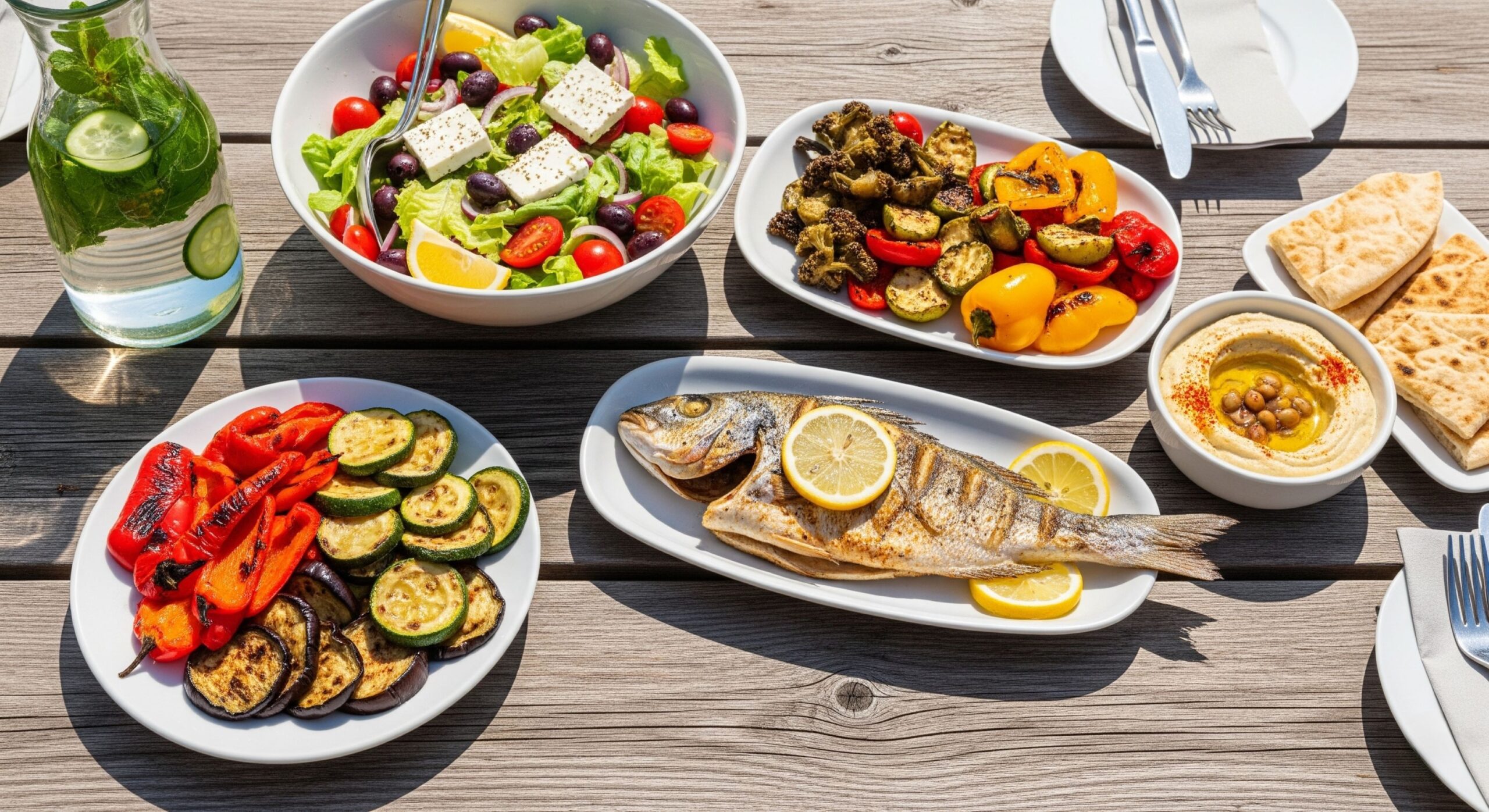

In the world of dieting, few numbers are as popular as 1200. Many people believe this number is a magic bullet for losing weight quickly. They think it’s a simple goal that promises a new, leaner body. If you search for diet plans online, you’ll find countless stories and meal plans that focus on this low number. But is a 1200-calorie diet truly a safe or healthy way to reach your goals? In this guide, we’ll explain what a 1200-calorie diet is and why people like it. Most importantly, we’ll look at the big risks and better, safer options you should consider before starting.
But is a 1200-calorie diet truly a sustainable or even safe path to a healthier you?
— Source: Academy of Nutrition and Dietetics
The Appeal of the 1200-Calorie Diet
The idea behind a 1200-calorie diet is simple: eat no more than 1200 calories per day. People like this simple rule for a few reasons. First, it gives them fast results. When you eat so few calories, you are almost certain to lose weight at the start. This quick progress can be very motivating. Also, the diet feels easy to follow. You don’t have to count macros or follow complex schedules. You just need to stay under 1200 calories. For people who find other diets confusing, this simple rule can be a relief. Finally, many websites offer ready-made meal plans, which makes it easy to begin without much planning.
The science of weight loss is about eating fewer calories than your body burns. One pound of fat holds about 3,500 calories. So, to lose one pound, you must have a calorie deficit of 3,500 over time. A 1200-calorie diet creates a huge deficit for most people, which leads to losing several pounds each week. For example, if your body needs 2,000 calories to stay the same weight, a 1200-calorie diet gives you an 800-calorie deficit every day. This means you could lose about 1.5 pounds a week, which feels fast. However, what you see on the scale might not just be fat. This is where the problems begin.
The Dangers: Why This Diet is Not for Everyone
While a 1200-calorie diet sounds like a quick fix, it comes with many serious health risks. The biggest danger is not getting enough nutrients. It’s very hard to get all the vitamins, minerals, and other important nutrients you need from so few calories. Over time, this can cause serious health issues. For instance, a lack of calcium can weaken your bones, and not enough iron can make you feel tired and lead to anemia. Your body needs these basic building blocks to work right, and restricting them so much can cause real harm.
The single most important reason a 1200-calorie diet is so dangerous for most people is the high risk of nutrient deficiencies.
— Source: Mayo Clinic
Besides nutrient issues, a 1200-calorie diet can hurt your metabolism. When you eat very little for a long time, your body slows down its metabolism to save energy. This makes it harder to lose weight and easier to gain it back once you start eating normally again. In short, you teach your body to live on less, which can make it very hard to keep the weight off later.
A diet this strict can also lead to serious muscle loss. Your body looks for the easiest energy source. When you cut calories so much, it might start breaking down muscle for energy instead of fat. This is not good. Muscle burns more calories than fat, even when you’re resting. When you lose muscle, your metabolism drops even more.
Your body always looks for the easiest source of energy, and when you cut calories so drastically, it might start breaking down muscle tissue for fuel instead of fat.
— Source: Journal of the American College of Sports Medicine
The physical and mental toll of a 1200-calorie diet is also a big issue. You’re likely to feel tired, grumpy, and have trouble thinking clearly. Many people report “brain fog” because their brain needs glucose from carbs to work. When you don’t eat enough, you feel low on energy. This makes it hard to focus at work or school, enjoy your hobbies, or even find the energy to exercise.
The Yo-Yo Effect
The biggest problem with a 1200-calorie diet is that it’s not a lasting plan. Most people can’t stick to it for more than a few weeks or months. Sooner or later, the hunger and tiredness become too much. When this happens, people often quit the diet and return to their old eating habits. Sometimes, they even eat more than before. This leads to the well-known “yo-yo effect,” where you quickly lose weight only to gain it all back, and sometimes more. This cycle can be very damaging to both your body and your mind, and it teaches your body to store fat more efficiently.
Also, a diet this strict can create an unhealthy relationship with food. It might make you obsess over every calorie, feel guilty after eating, or view food as something to be feared. This can even lead to eating disorders.
Is This Diet Ever Right for You?
For most people, a 1200-calorie diet is simply not a safe or effective long-term plan. It’s very important to note that you should never start this kind of diet without a doctor’s advice. In some rare, short-term cases, a doctor might suggest a very low-calorie diet for a patient. For example, to help a person with a significantly higher weight lose weight fast before a life-saving surgery. But even then, the doctor closely watches the patient to make sure they get the right nutrients and don’t suffer from bad side effects. For most healthy adults, 1200 calories is simply not enough to fuel your body correctly.
A Better Way: Lasting Health and Weight Loss
Instead of trying a dangerous diet, you can reach your health goals in a safer way that you can stick with for a long time. A much better plan is to eat a moderate amount less each day and exercise regularly. For instance, a deficit of 250-500 calories per day lets you lose weight at a healthy pace (about half a pound to one pound per week). This won’t cause the metabolic problems and nutrient issues that a very low-calorie diet can.
The quality of your calories is as important as the number. When you choose nutrient-rich foods, you get more for your calories. Focus on eating lean proteins, healthy fats, complex carbs, and lots of fruits and vegetables. This way, your body gets the fuel it needs while you still lose weight. Think about it: a 1200-calorie diet of processed foods and soda gives you very little nutrition. But the same number of calories from whole foods will make you feel full, energized, and nourished. You can also use a guide to food portions to help you.
Exercise is also a key part of losing weight. By doing both cardio and strength training, you burn calories and build muscle. This helps you lose weight while also boosting your metabolism. Remember, muscle burns more calories than fat, so building muscle is a great way to increase your metabolism over time.
Conclusion
In short, while the idea of a 1200-calorie diet is tempting, its risks are far greater than its benefits for most people. The risk of nutrient issues, a slow metabolism, muscle loss, and a difficult yo-yo cycle makes it an unsafe choice. Instead of chasing a number, focus on a balanced, steady, and enjoyable lifestyle. When you switch your mindset from quick limits to long-term health, you set yourself up for lasting success, not just on the scale but in your overall well-being.
By shifting your mindset from rapid restriction to sustainable health, you set yourself up for lasting success, not just on the scale but in your overall well-being.
— Source: Harvard Health Publishing
Sources
- Heymsfield, S. B., et al. (2012). “Effect of dietary composition on energy expenditure during weight loss: The role of fat and carbohydrate.” The American Journal of Clinical Nutrition. https://ajcn.nutrition.org/article/S0002-9165(23)00475-7/fulltext
- Hall, K. D., et al. (2007). “The role of energy expenditure in the regulation of body weight.” The American Journal of Clinical Nutrition. https://ajcn.nutrition.org/article/S0002-9165(23)00475-7/fulltext
- Strasser, B., et al. (2010). “Resistance training to prevent muscle mass loss during caloric restriction.” Journal of the American College of Sports Medicine. https://www.ncbi.nlm.nih.gov/pmc/articles/PMC6036151/
- World Health Organization. (2020). “Healthy diet.” https://www.who.int/news-room/fact-sheets/detail/healthy-diet
- Harvard Health Publishing. (2015). “Eat less, not less healthy: The secrets to successful weight loss.” https://www.health.harvard.edu/blog/eat-less-not-less-healthy-the-secrets-to-successful-weight-loss-201509178351
- Academy of Nutrition and Dietetics. (n.d.). “Is a low-calorie diet right for you?” https://www.eatright.org/health/weight-loss/your-weight-and-health/is-a-low-calorie-diet-right-for-you
- Centers for Disease Control and Prevention. (2022). “Losing weight.” https://www.cdc.gov/healthyweight/losing_weight/index.html
- American College of Sports Medicine. (n.d.). “Exercise and Weight Management.” https://www.acsm.org/docs/default-source/files-for-resource-library/exercise-and-weight-management.pdf
- Brown, J. D. (2012). “Systematic review of yo-yo dieting and weight cycling.” Obesity Reviews, 13(S2), 25-34. https://onlinelibrary.wiley.com/doi/abs/10.1111/j.1467-789X.2012.01026.x
- Mayo Clinic Staff. (2022). “Low-calorie diets: Are they safe and effective?” Mayo Clinic. https://www.mayoclinic.org/healthy-lifestyle/weight-loss/in-depth/low-calorie-diets/art-20048496
The 1200-Calorie Diet
Quick Fix or Dangerous Trap?