
In our modern world, we all feel the constant pressure to move faster, work harder, and do more. We are a generation of go-getters, entrepreneurs, and multi-taskers, and our schedules often look more like a battlefield than a calendar. The idea of a “healthy lifestyle” can feel like an impossible dream, a luxury reserved for those with endless free time and resources. We tell ourselves we’ll start tomorrow, or next week, or once this big project is finally done. But tomorrow never comes, and the project never ends. Crafting a healthy lifestyle routine for busy people requires a new mindset.
This article is for you. It is a guide that rejects the all-or-nothing mindset. It does not demand that you spend hours in the gym or follow a strict diet plan. Instead, this is a blueprint for a healthy lifestyle routine for busy people, integrating small, sustainable habits into the chaos of your everyday life. The secret is not to find more time, but to use the time you have more wisely and intentionally. Ultimately, it’s about making your health a non-negotiable part of your identity, not just another item on your to-do list. Let’s redefine what a healthy lifestyle looks like for the chronically busy.
Section 1: The Micro-Habit Revolution: Redefining Nutrition
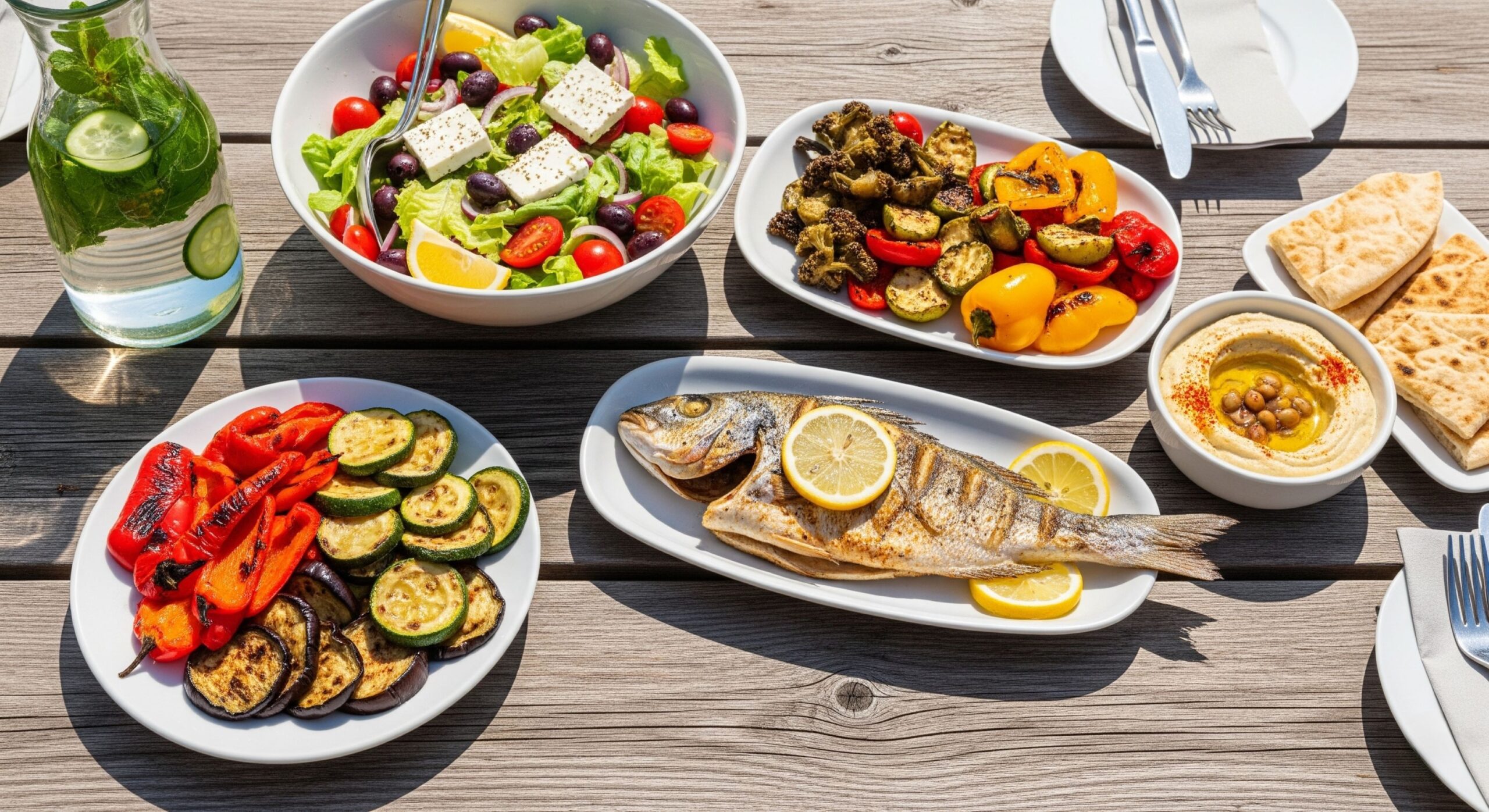
The first major hurdle for busy people is often nutrition. The convenience of fast food and pre-packaged meals is a powerful siren song when you’re low on energy and short on time. But fueling your body doesn’t have to be a complicated, time-consuming affair. The key is to think in “micro-habits” rather than grand plans.
Tip 1: The 15-Minute Meal Prep. Forget the idea of spending your entire Sunday afternoon cooking. Instead, dedicate just 15 to 20 minutes to a single, impactful task. For instance, you can wash and chop all your vegetables for the week, pre-portion your protein, or make a large batch of a grain like quinoa. This simple action significantly reduces the friction of preparing a healthy meal later in the week.
Case Study: The Architect’s Sunday Ritual
Meet Sarah, a junior architect in a bustling firm. Her workdays often extended past 7 PM, leaving her exhausted and reaching for takeout menus. Sarah decided to try a small change. On Sunday evenings, she would turn on a podcast and spend just 15 minutes chopping up bell peppers, onions, and chicken breasts. She stored them in containers in the fridge. Throughout the week, when she came home, she could toss the pre-cut ingredients into a pan for a quick stir-fry or a sheet pan meal. This single, consistent action saved her countless hours and helped her avoid hundreds of dollars in unhealthy, guilt-ridden meals. The change was so minor, she barely noticed it, but the impact was monumental.
Tip 2: Smart Snacking is a Game Changer. Hunger pangs between meetings can derail even the most well-intentioned day. Therefore, always keep healthy snacks within reach. Stock your desk drawer or work bag with items like nuts, seeds, whole-grain crackers, or a piece of fruit. Furthermore, this simple habit prevents the impulsive run to the vending machine. Think of these snacks as an investment in your energy levels and focus.
“The World Health Organization emphasizes that a healthy diet is a life-long process, not a quick fix. Small, sustainable changes over time, such as incorporating more fruits and vegetables, are key to preventing chronic diseases and promoting overall health.” – World Health Organization
Tip 3: Hydrate Creatively. We all know we should drink more water, but it’s easily forgotten. To make hydration a non-negotiable habit, make it appealing. Infuse your water with lemon, cucumber, or berries. Keep a stylish water bottle on your desk at all times. In addition, set a reminder on your phone to drink every hour. These small nudges help you stay consistently hydrated without conscious effort, which in turn boosts your energy and cognitive function.
Section 2: Movement Without the Marathon
The traditional image of a healthy person is someone who spends an hour at the gym, sweating through a rigorous workout. For most busy individuals, this is simply not realistic. Consequently, we often give up on exercise entirely. However, movement is essential for both physical and mental health. The solution lies in integrating movement into your life, not carving out a separate, large block of time for it. This is a core component of a successful healthy lifestyle routine for busy people.
Tip 1: The 10-Minute Power Burst. You can gain significant benefits from short, intense bursts of activity. When you have a break, use it for a 10-minute walk, a quick set of squats and push-ups, or a jump rope session. These mini-workouts get your heart rate up and help you reset your mind, making you more productive afterward. They are easy to fit into a lunch break or between meetings.
Case Study: The Marketing Manager Who Walked Her Way to Health
Ben, a marketing manager, was always on back-to-back calls. He felt constantly chained to his desk, and his step count was almost non-existent. Ben’s team was having a meeting about a new campaign, and he was taking the call from home. He decided to turn it into a walking meeting, pacing around his apartment as he listened and contributed. The idea was simple, yet effective. He began to schedule “walking calls” with clients and his team whenever possible. Over time, he found that not only was he more physically active, but his mind also felt clearer, and he was able to think more creatively during these calls.
Tip 2: Habit Stacking Your Way to Fitness. This is a powerful technique where you pair a new habit with an existing one. For example, you can do 20 squats every time you boil water for coffee. Similarly, you can do lunges down the hallway when you’re walking to a colleague’s office. You are already doing the base activity, so you simply stack a small movement habit on top of it. This method requires no extra time and makes the new behavior feel effortless.
According to the Mayo Clinic, even short bouts of exercise can have significant health benefits. They state that the most important thing is simply to move more and sit less throughout the day, which reinforces the value of micro-habits.
Section 3: The Unsung Hero: Rest and Recovery
In a culture that glorifies being busy, rest is often seen as a sign of weakness or laziness. However, rest is not a luxury; it is a necessity for peak performance and long-term health. Rest includes not only sleep but also mental and emotional downtime.
Tip 1: The 5-Minute Wind-Down. Before bed, many of us scroll through our phones or watch TV, which stimulates our brains and makes it harder to sleep. Try a simple 5-minute wind-down routine instead. This could be anything from gentle stretching to writing down your thoughts in a journal or simply listening to calming music with your eyes closed. This small habit signals to your body that it is time to relax and prepare for rest.
The Sleep Foundation recommends that adults get 7 to 9 hours of sleep per night for optimal health and well-being. Furthermore, they highlight that sleep plays a critical role in cognitive function, including memory, concentration, and problem-solving, all of which are crucial for busy professionals.
Tip 2: Digital Detox Pockets. The constant influx of notifications and emails can cause significant mental fatigue. To combat this, schedule “digital detox pockets” throughout your day. For example, silence your phone for 30 minutes during lunch or for an hour after dinner. The world will not fall apart. These small pockets of disconnection allow your brain to rest and recharge, improving your focus when you are back online.
Section 4: Beyond the Basics
Many wellness guides focus on what to do. This article takes a slightly different approach by focusing on who you are. The most powerful shift you can make is to stop viewing these habits as chores and instead see them as an expression of your identity. You are not “someone who needs to work out”; you are “an active person.” You are not “someone who should eat healthy”; you are “a person who fuels their body with good food.”
A study published in the National Library of Medicine found that linking a new behavior to a pre-existing identity can lead to increased habit formation and maintenance. The research suggests that when a behavior aligns with an individual’s self-concept, they are more likely to stick with it over the long term.
This perspective has a unique power. When you make these habits a part of your identity, you no longer rely on willpower alone. When faced with a choice—to hit the snooze button or to get up and stretch—you ask yourself, “What would a person who prioritizes their health do?” This question re-frames the decision, making the healthy choice the natural one.
Section 5: Your Lifestyle, Your Rules
This article offers a blueprint, but it is not a rigid plan. The real magic lies in adapting these ideas to your unique circumstances. Here are some quick examples of how to tailor these tips to your specific lifestyle.
- For the New Parent: Your “10-minute power burst” might be a short walk with the baby in the stroller, and your “5-minute wind-down” could be listening to a podcast in a dark room before you fall asleep.
- For the Student: Instead of a long study session, try the Pomodoro Technique, using the 5-minute breaks for quick stretches or push-ups. Your “smart snacking” strategy might involve filling a small bag with trail mix before you head to the library.
- For the Frequent Traveler: Your “15-minute meal prep” is packing a protein bar and a piece of fruit in your carry-on. Your “10-minute power burst” is a brisk walk around the airport terminal during a layover.
The key is to give yourself grace. Some days, you will nail every single micro-habit. Other days, you won’t. This is not a failure. It is simply life. The goal is to be consistent, not perfect.
In conclusion, you are not defined by the limitations of your busy schedule. A healthy lifestyle routine for busy people is not an inaccessible ideal; it is a series of small, intentional choices. Start today by choosing one tiny micro-habit from this guide. Just one. Tomorrow, choose another. Over time, these small actions will accumulate, transforming your energy, your mindset, and ultimately, your life. The greatest investment you can make is in yourself. You have the power to create a healthier, more vibrant life, one intentional moment at a time. The time is now.
Sources
Blueprint for a Healthy Life
Achieve wellness through small, impactful habits that can be integrated into your busy day.
Micro-Nutrition
Fuel your day with intention and smart choices.
- • Mindful Eating: Pay attention to your body’s hunger cues.
- • Smart Snacking: Keep healthy options like nuts or fruit easily accessible.
- • Creative Hydration: Infuse water with lemon, cucumber, or mint to make it more appealing.
Micro-Movement
Incorporate physical activity without disrupting your flow.
- • Desk Stretches: Do simple stretches every hour to combat sedentary work.
- • Walk & Talk: Take calls while walking or pacing around the room.
- • Stair Challenge: Choose the stairs over the elevator whenever possible.
Rest & Recovery
Prioritize rest to reset your body and mind for the next challenge.
- • Digital Sunset: Put away screens at least 30 minutes before bed.
- • 5-Minute Reset: Use breaks for deep breathing or a brief meditation session.
- • Quality Sleep: Ensure your bedroom is cool, dark, and quiet for better rest.
Identity Shift
Embrace a healthier identity to make habits stick effortlessly.
- • Action-Based Identity: Change “I need to exercise” to “I am an active person.”
- • Celebrate Small Wins: Acknowledge every small step forward to build momentum.
- • Practice Patience: Understand that progress is not linear and be kind to yourself.