

For decades, the medical advice was simple for those with a fluttering, irregular heartbeat: coffee was an enemy. The common belief, shared in doctors’ offices across the country, was that the jolt from caffeine could trigger the heart problems that patients and doctors worked hard to prevent. But now, scientific research is telling a different story. Consequently, this new view challenges long-held beliefs and changes a daily habit from a potential risk into a surprising benefit in the fight against one of the nation’s most common heart conditions.
This is the story of coffee and atrial fibrillation, and it has recently taken a surprising turn. Atrial fibrillation, also called AFib, is the most common type of irregular heartbeat. Specifically, it is an electrical problem that causes the heart’s upper chambers to quiver wildly instead of beating steadily. This unsteady rhythm can, in turn, lead to blood clots, stroke, and heart failure. It creates serious problems for the more than 10 million Americans who have it. For these people, the fear of starting an episode has often meant living a careful life and avoiding things like coffee.
However, a major clinical trial, supported by other studies, has completely changed this advice. The results suggest that a daily cup of coffee may not only be safe for many people with AFib, but, in fact, it could also lower the risk of the irregular heartbeat coming back. This discovery is, therefore, changing conversations between doctors and patients across the country.
The Case Against Caffeine
The reason for blaming coffee seemed to make sense. After all, caffeine is a known stimulant that affects the brain and nerves. It can also temporarily raise heart rate and blood pressure. Furthermore, for some people, it can cause palpitations, which feel like a racing or pounding heart. For this reason, for a condition where the heart’s rhythm is already unstable, adding a substance known to “rev up” the heart seemed like a risky choice.
Let’s look at an example. A 68-year-old retired teacher from Ohio named Robert is diagnosed with AFib. He had a procedure called cardioversion, which uses an electrical shock to reset the heart’s rhythm. His heart doctor, following standard practice, told him to cut out all caffeine. For Robert, who had enjoyed a cup of coffee every morning for 40 years, this felt like losing a treasured routine. He followed the advice and switched to herbal tea, always on guard for the flutter in his chest to return.
Robert’s story is common. Indeed, the advice he got was based on the idea of how caffeine affects the body and a cautious “better safe than sorry” view. The fear was that caffeine’s stimulating effects could irritate the heart’s electrical system. This could make the heart more likely to receive the mixed-up signals that cause AFib. However, this long-held medical belief was based more on theories and patient stories than on strong evidence from clinical trials.
The Plot Twist: The DECAF Trial
The story changed in a big way with a major new study called DECAF. The name stands for Does Eliminating Coffee Avoid Fibrillation?. Researchers from places like the University of California, San Francisco (UCSF) and the University of Adelaide led the study. Specifically, it was designed to test the common belief about coffee. Moreover, it was the first long-term trial of its kind to look at how coffee directly affects this heart condition.
The study included 200 patients who had AFib. They were all regular coffee drinkers who had recently had a cardioversion procedure to fix their heart rhythm. The patients were consequently placed into one of two groups. One group was told to keep drinking at least one cup of coffee a day. The other group, in contrast, had to stop all caffeine for six months. This included coffee, tea, soda, and even decaf coffee.
Study Results: A Clear Protective Effect
Researchers carefully tracked the patients. For instance, they used heart scans and regular check-ups to watch for the return of AFib or a similar condition called atrial flutter. The medical world watched closely. Would the results support decades of advice, or, conversely, show something completely new?
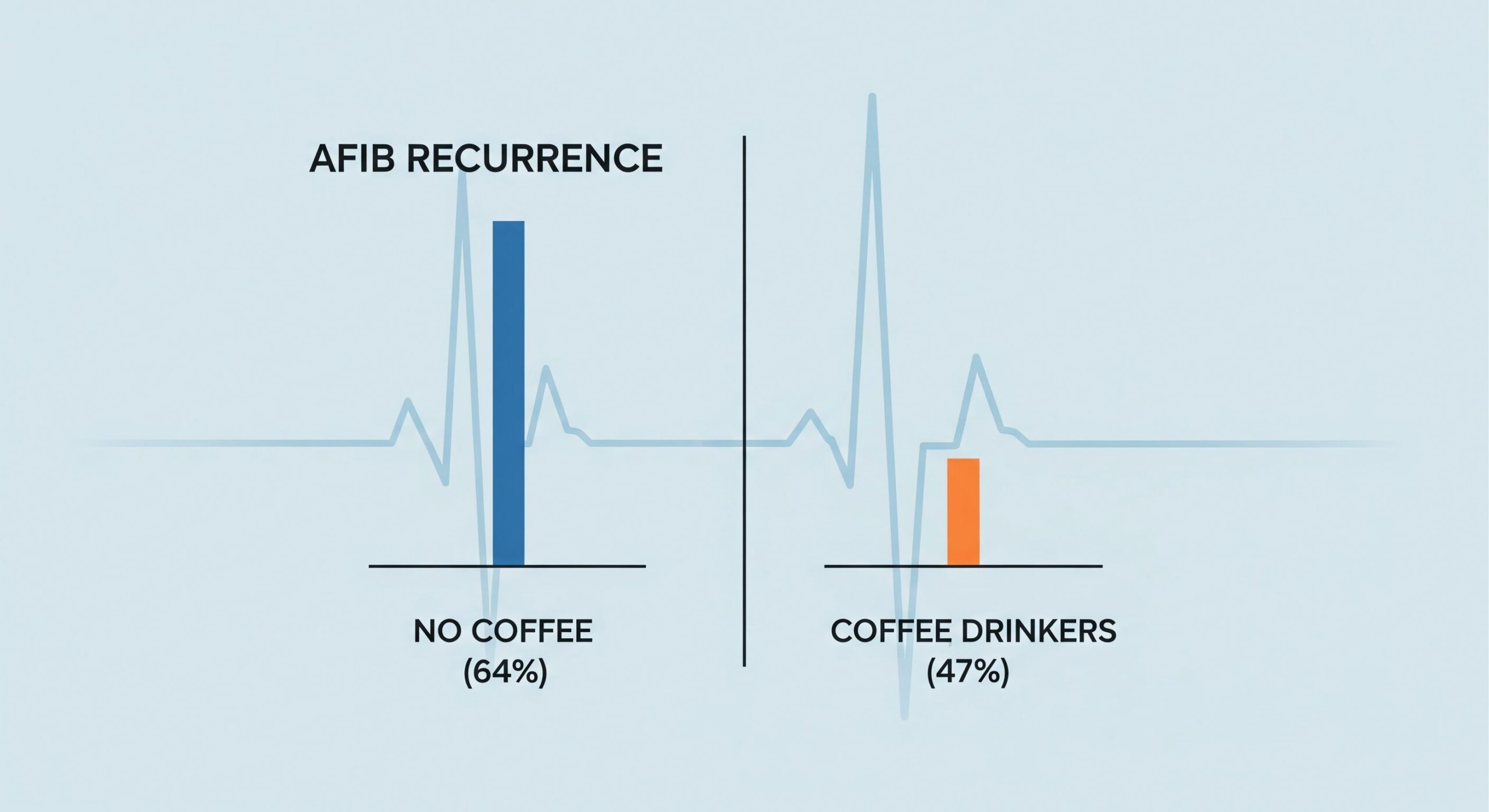
The results were presented to the American Heart Association and published in a top medical journal. They were amazing. Over the six months, the condition returned for 64% of the patients who avoided caffeine. By comparison, the condition returned for only 47% of those who kept drinking coffee.
This means that the coffee drinkers had a 39% lower risk of an AFib episode. The findings were clear and meaningful. In short, the study showed that coffee did not increase the risk of AFib returning. In fact, it seemed to have a strong protective effect. For patients like Robert, and for millions of others who had faithfully given up their morning habit, the news was a big surprise.
“The results were astounding,” stated first author Christopher X. Wong of the University of Adelaide and Royal Adelaide Hospital. “In contrast to conventional wisdom, we found the coffee drinkers experienced a significant reduction in AF compared to those who avoided coffee and caffeine.”
How Coffee Might Protect the Heart
The main question from the DECAF trial was: how could a known stimulant have a stabilizing effect on the heart’s rhythm? Researchers have suggested several strong theories that may explain this surprising result. It seems the answer is not just about caffeine, but rather, about the complex mix of hundreds of substances found in a coffee bean.
One leading theory involves caffeine’s interaction with adenosine receptors in the heart. In this case, Adenosine is a chemical that can sometimes encourage AFib to start. By blocking these receptors, caffeine may therefore effectively stop one of the triggers for an arrhythmia episode.
A Cocktail of Protective Compounds
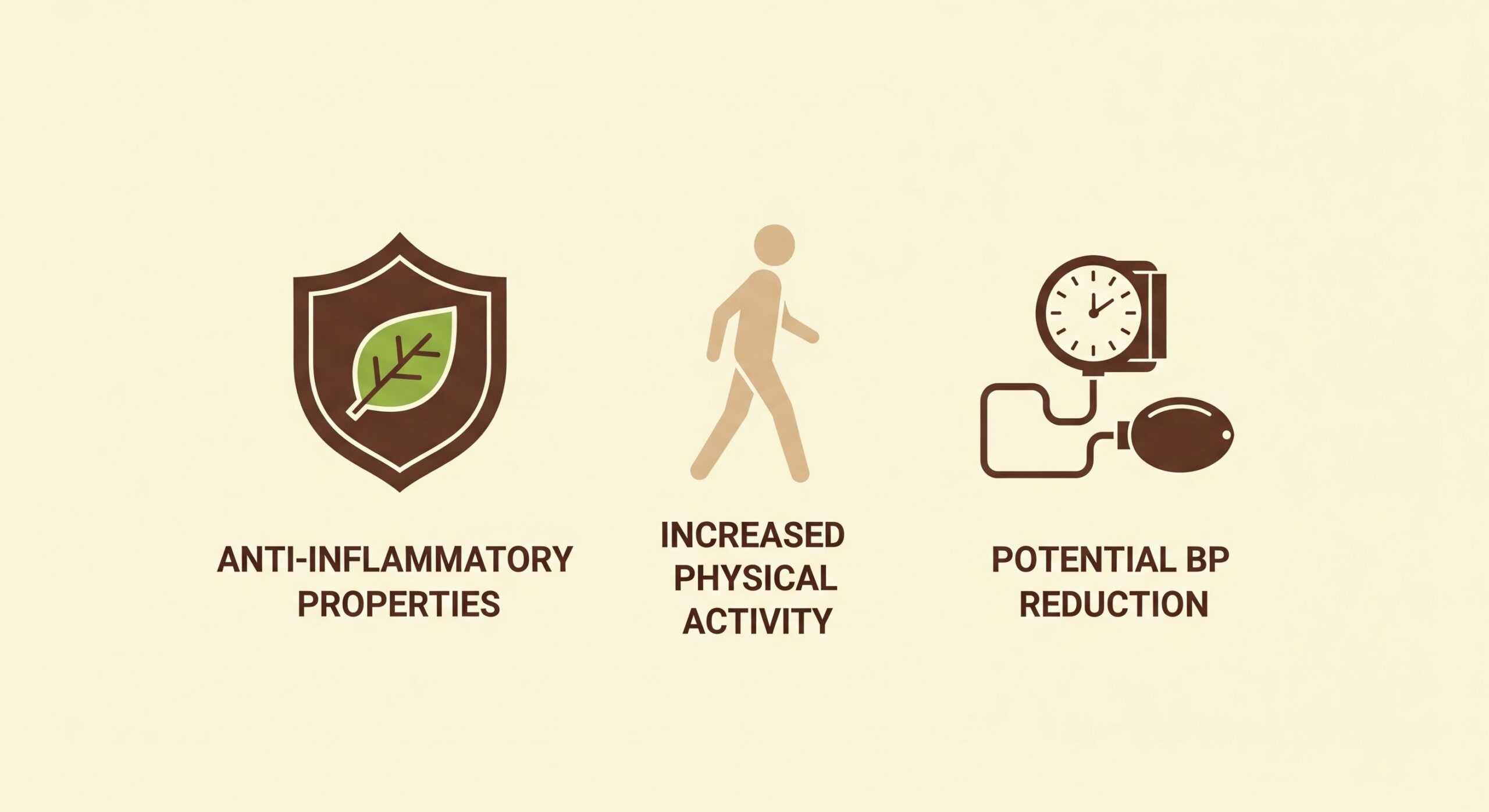
Also, coffee is rich in antioxidants and has well-known anti-inflammatory effects. Indeed, long-term inflammation is a known factor in the physical changes in the heart that can lead to AFib. The natural compounds in coffee may consequently help to calm this inflammation, supporting a healthier heart and a more stable rhythm.
Another strong explanation is in caffeine’s influence on behavior and overall health. As senior study author Dr. Gregory M. Marcus, a cardiologist at UCSF Health, explained, “Coffee increases physical activity which is known to reduce atrial fibrillation.” In addition, data from other studies using fitness trackers confirmed that when people consume caffeine, they tend to be more active. As a result, Increased physical activity is strongly linked to better heart health and a lower impact from AFib.
Finally, caffeine acts as a mild diuretic, which can help reduce blood pressure over time. High blood pressure is a major risk factor for developing AFib. Because of this, by slightly lowering blood pressure, daily coffee consumption could lessen the strain on the heart. This reduces the likelihood of the arrhythmia developing or recurring. It is this combined profile—part stimulant, part anti-inflammatory, part activity-booster—that may explain coffee’s newfound role as an unexpected guardian of the heart’s rhythm.
New Advice: Moderation and Personalization
The results of the DECAF trial are causing experts to rethink diet advice for people with AFib. The evidence shows that for many patients who already drink coffee, there is no reason to stop. In fact, continuing their moderate habit could be helpful. Ultimately, this change gives patients more control and lets them keep a simple, enjoyable part of their day without extra worry.
It is important, however, to remember moderation and personal reactions. The study focused on patients who were already regular coffee drinkers, having about one cup per day on average. Therefore, the protective effect was seen at this level. The results, consequently, do not give people a green light to drink too much coffee or caffeine. Health experts usually recommend keeping caffeine under 400 milligrams a day, which is about three or four cups of coffee.
Also, where the caffeine comes from is important. For example, the complex mix of substances in coffee is different from what is in energy drinks. Those drinks are subsequently often loaded with sugar and other stimulants. For this reason, the health benefits seen in the DECAF study are just for coffee. They cannot be applied to other products with caffeine.
The Importance of Personalization
Experts also warn that some people may still be sensitive to caffeine and find that it triggers their symptoms. The 2023 guidelines for AFib state that while there is no general reason for everyone to avoid caffeine, it might help certain patients. Specifically, this applies to those who can connect their episodes directly to drinking caffeine. In the end, the experience with AFib is very personal. The conversation between a patient and their heart doctor is still the most important part of managing the condition.

Let’s go back to Robert, our patient from Ohio. With this new information, he might make another appointment with his heart doctor. Together, they could talk about the DECAF trial and decide if adding back a single morning cup of coffee makes sense. They might agree to watch his symptoms closely. For Robert, enjoying his morning coffee again would be more than just returning to a favorite habit. It would represent a new, less fearful, and more confident approach to his heart health.
A New Understanding
The story of coffee and atrial fibrillation is a great example of how medical science is always changing. Specifically, it shows how careful research that focuses on patients can break down old beliefs. This, in turn, leads to better and more specific advice. As a result, something that was once seen as a risk is now viewed differently. In other words, it is not a trigger for heart problems, but a possible helper in keeping a steady heartbeat.
For the millions of Americans living with AFib, this changing story offers hope and comfort. It suggests that a simple, daily pleasure may not be a risk. Instead, it could be a small, enjoyable step toward better heart health. As research continues to study the complex link between diet and heart wellness, the simple coffee bean has shown it is more complex and helpful than we ever thought. In conclusion, it has earned its place as an unlikely, but welcome, protector of the heart.
Frequently Asked Questions (FAQ)
Q: So, is coffee good or bad for AFib?
A: According to the DECAF trial, for people who already drink coffee, one cup a day may not only be safe but could even lower the risk of AFib returning by 39%. This changes the old advice that it was bad.
Q: Does this mean I should start drinking coffee if I have AFib but don’t drink it now?
A: Not necessarily. The study’s benefits were seen in people who were already regular coffee drinkers. If you don’t drink coffee, it’s best to discuss any dietary changes with your doctor before starting.
Q: Does this apply to all caffeine, like energy drinks?
A: No. The article makes it clear that these findings apply to coffee, which has a complex mix of compounds. These benefits do not apply to energy drinks or other products loaded with sugar and different stimulants.
Q: What if I personally feel palpitations when I drink coffee?
A: The new advice is general, but AFib is a very personal condition. If you are sensitive to caffeine and can directly link your symptoms to drinking it, you should listen to your body and talk to your cardiologist. The guidelines still recommend avoiding it for those specific cases.
Bonus: Other Coffee Benefits

While the findings on atrial fibrillation are groundbreaking, coffee’s potential health benefits don’t appear to stop at the heart. A large body of research has linked moderate, regular coffee consumption with a wide range of other positive outcomes.
Studies have suggested that coffee drinkers may have a lower risk of developing type 2 diabetes, Parkinson’s disease, and certain types of liver conditions. The same antioxidants and anti-inflammatory compounds that may protect the heart are believed to play a role in these benefits as well. As with all dietary advice, moderation is key, and these benefits are most often associated with black coffee, as adding large amounts of sugar or cream can quickly offset the perks.
References
- University of California – San Francisco. (2025, November 10). Surprising heart study finds daily coffee may cut AFib risk by 39%. ScienceDaily.
- News-Medical. (2025, November 10). One cup of coffee a day could keep atrial fibrillation from coming back.
- Healthline. (2025, November 10). AFib: 1 Cup of Coffee Per Day May Lower Risk of Recurrence.
- The Times of India. (2025, November 11). Irregular heartbeat? Coffee may cut AFib risk by 39%, US study finds.
- American Heart Association. (2025, November 9). Cup of coffee a day may not be harmful for some adults with AFib and could lower episodes.
- Everyday Health. (2025, November 10). A Daily Cup of Coffee May Help People With Atrial Fibrillation.
- New Atlas. (2025, November 9). Coffee has ‘astounding’ impact on irregular heartbeat in world-first trial.
- NBC News. (2024, April 16). Coffee may protect against irregular heartbeats.
- Mattioli, A. V., et al. (2017). Beverages Of Daily Life: Impact Of Caffeine On Atrial Fibrillation. Journal of Atrial Fillation.
- TCTMD. (2025, November 9). DECAF: Daily Coffee, Not Abstinence, Beneficial for AF Patients.
- The Times of India. (2025, November 10). Can people with heart disease drink coffee?
- Hindustan Times. (2025, November 10). Study says coffee may offer heart-healthy benefits, protects against irregular heartbeats.
- HCPLive. (2025, November 9). DECAF: Caffeine Consumption Does Not Increase, May Improve Atrial Fibrillation Risk.