
You finish a sweaty session of crunches, gaze hopefully in the mirror, and wonder why that stubborn belly hasn’t budged. Here’s the thing: while abdominal training does build stronger, more resilient abs, it doesn’t automatically reveal a six-pack. You’ve probably noticed friends who train hard but still don’t see the lines they want—or people who rarely do crunches yet have visible abs. Confusing? It doesn’t have to be.
In this article, we’ll clear up the core issues by dispelling myths and misconceptions of abdominal training, unpack the real science behind a strong midsection, and give you smart, actionable steps that actually work. Think of it this way: your core is more than a “look”; it’s a 360-degree system that stabilizes your spine, powers your lifts, and helps you move better in everyday life.
Abdominal Training vs. Fat Loss: You Can’t Crunch Away a Belly
Myth: Spot Reduction Works
Let’s tackle the biggest myth first: doing hundreds of sit-ups won’t selectively melt belly fat. Research shows you can’t “spot reduce” fat from one area with targeted exercises. A controlled study found that a six-week abdominal routine improved core endurance but didn’t change belly fat specifically—total body fat matters far more for seeing definition.
But here’s what most people miss: abdominal training still matters for strength, posture, and performance. It’s just not the fat-loss switch.
What Actually Burns Fat
Body fat decreases when your overall energy balance shifts: you consistently burn more calories than you consume. That can happen through a mix of nutrition, resistance training, and cardio. High-intensity interval training (HIIT) and steady-state cardio both help reduce body fat when paired with a sustainable eating plan. Resistance training helps maintain lean mass, which supports a healthier metabolism and better body composition while you lose weight.
Visible Abs: It’s a Body Fat and Muscle Story
Visible abs come from two things working together: lower body fat levels and adequate muscle thickness in the rectus abdominis and obliques. Men often see clear definition around 10–15% body fat, and women around 18–24%, though genetics and where you store fat play big roles. If you add quality abdominal training that progressively overloads the muscles, you’ll build those “lines” so they show once your body fat is in range.
Pro Tip: Pair a modest calorie deficit (about 300–500 calories/day), two to three full-body strength sessions weekly, and two cardio sessions (HIIT or brisk intervals). Keep ab work focused and progressive, not endless.
What Your “Core” Really Is—and Why It’s More Than Abs
The 360-Degree Core
Your core isn’t just the six-pack. It’s a network: rectus abdominis (front), internal and external obliques (sides), transverse abdominis (deep corset), multifidus and erector spinae (back), diaphragm (top), and pelvic floor (bottom). Together, they stabilize your spine and transfer force between your upper and lower body. When you brace correctly, you create pressure in your trunk—like pumping air into a cylinder—so your spine stays stable while you move.
Breathing and Bracing: The Unsung Heroes
Now, let’s talk about breathing. Good abdominal training uses your breath strategically. In most strength moves, you’ll inhale 360 degrees into your belly and sides, then brace—think “tight but not rigid”—before you move. This helps generate intra-abdominal pressure, protects your back, and lets you lift or sprint more powerfully. During planks and anti-rotation drills, imagine widening your lower ribs and expanding your waist slightly on the inhale, then maintaining a gentle brace as you exhale.
Back Pain, Posture, and Everyday Strength
Core training shines when it supports daily life: picking up kids, carrying groceries, or sitting at your desk without slumping. Stronger deep core muscles and better motor control can help reduce the risk of persistent low back pain and improve functional performance. You’re not trying to “freeze” your spine; you’re teaching it to be stable when it needs to be and mobile when it should be.
Quick Takeaway: Think 360° core. Train your front, sides, back, diaphragm, and pelvic floor with breathing and bracing—not just endless crunches.
Smarter Abdominal Training: Exercise Selection That Actually Works
Start With Anti-Movement Patterns
Strong cores resist unwanted motion first. Build your base with anti-extension, anti-rotation, and anti-lateral flexion drills:
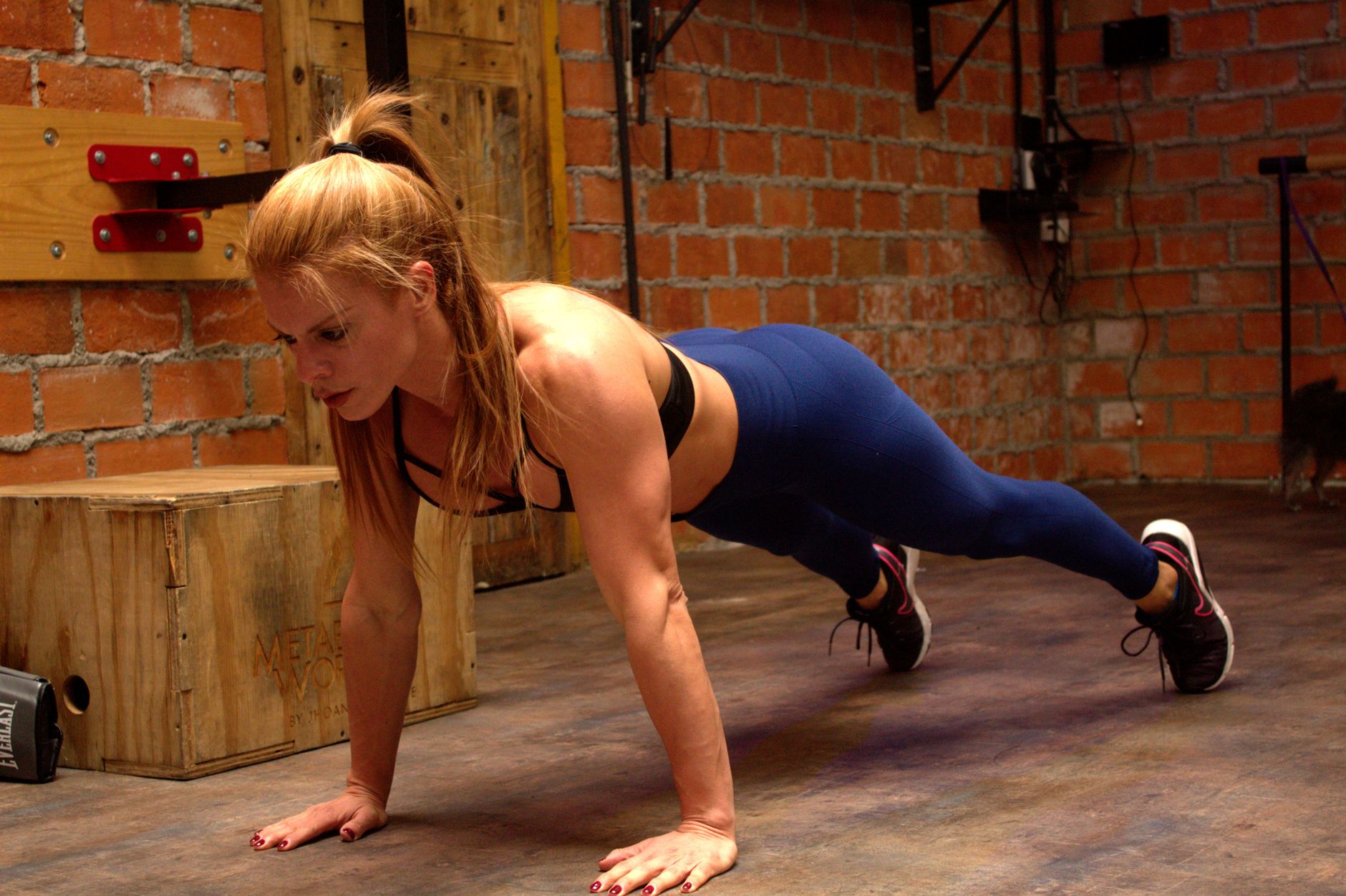
- Anti-extension: dead bug, hollow hold, hard-style plank
- Anti-rotation: Pallof press, cable press-outs, tall-kneeling anti-rotation holds
- Anti-lateral flexion: suitcase carries, side planks
These teach your trunk to stay solid while your arms and legs move—exactly what you need in most sports and daily tasks.
Then Add Dynamic Flexion and Rotation—With Control
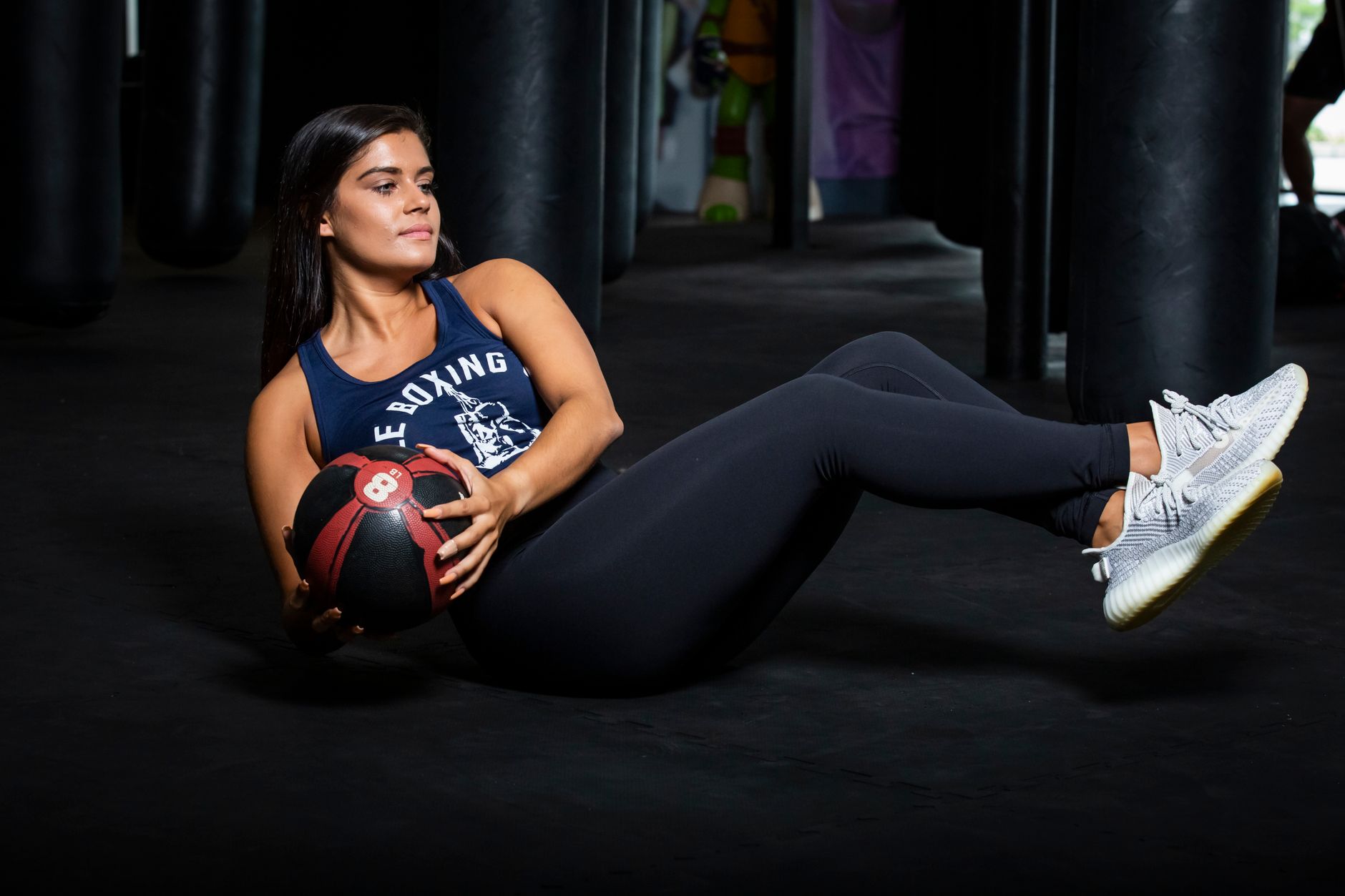
Crunches aren’t “bad.” They’re just overused. When your base is solid, add controlled flexion and rotation:
- Flexion: reverse crunch, stability ball crunch, cable crunch
- Rotation: half-kneeling chops and lifts, medicine ball rotational throws
Rotate through your mid-back (thoracic spine) instead of cranking your lower back. Keep ribs tucked and brace lightly to protect your spine while you move.
Don’t Forget Loaded Carries and Compound Lifts
Farmers carries, front-rack carries, and overhead carries are core gold. They challenge your obliques, transverse abdominis, and spinal stabilizers under real-world conditions. Squats, deadlifts, and presses also demand strong bracing, so treat each rep like a core rep: inhale, expand 360, brace, move, then reset.
Pro Tip: Build a core “menu”: 1 anti-extension, 1 anti-rotation or anti-lateral flexion, and 1 dynamic move. Rotate exercises every 4–6 weeks and add small progressions.
Frequency, Volume, and Progression: How Often to Train Your Abs
How Much Is Enough?
Two to four focused abdominal training sessions per week works for most people. You don’t need marathon ab circuits. Aim for 8–15 quality reps per set (or 15–45 seconds for isometrics like planks), two to four sets per exercise, with intent and control. Beginners can start with 2 exercises; intermediates can use 3–4. Keep total core work to 10–20 minutes at the end of your sessions—or as a short standalone workout.
Progressive Overload Still Rules
Your abs grow like any muscle. Progress by increasing time under tension, adding load, slowing tempo, or advancing the leverage. Examples:
- Plank: 3 x 30s → 3 x 45s → 3 x 60s → add weight or move to RKC plank
- Dead bug: knees bent → straight legs → add band or cable resistance
- Cable crunch: increase load slightly week to week, keeping reps crisp and controlled
When to Rest
If your trunk feels stressed or your lower back is cranky, reduce intensity and total sets for a week. Sleep, walking, and gentle mobility work accelerate recovery. Remember, heavy compound lifting already taxes your core—so scale ab volume accordingly on those days.
Quick Takeaway: Train abs 2–4 times weekly for 10–20 minutes. Progress tension or load slowly. Quality beats quantity every time.
Form Fixes: Common Ab Mistakes That Sabotage Results
Mistake #1: Overusing Hip Flexors
If your lower back aches during sit-ups, you’re probably pulling with your hip flexors instead of your abs. Try reverse crunches with a posterior pelvic tilt—flatten your low back to the floor, then curl your pelvis toward your ribs. Keep ribs down and move slowly.
Mistake #2: Yanking on Your Neck
During crunch variations, think “chest to ceiling” instead of “chin to chest.” Keep a tennis ball-sized space under your chin. Place fingertips lightly behind your ears or cross your arms on your chest. If your neck still complains, swap in dead bugs or planks to build endurance without strain.
Mistake #3: Chasing Burn Over Tension
A fiery burn doesn’t always equal effective stimulus. Focus on tension and position. In planks, squeeze your glutes, press the floor away, and keep ribs stacked over pelvis. In anti-rotation drills, don’t let the band yank you around—own the position for the entire set.
Pro Tip: Film one set from the side. Check rib position, spinal alignment, and breath. Small posture tweaks can unlock better tension and results.
Special Cases and Persistent Myths: Gadgets, Pregnancy, and Back Safety
Myth: Ab Gadgets Are a Shortcut
Ab wheels and sliders can be effective if you brace well, but no gadget replaces smart programming. Most “shock belt” or “vibrating core” devices don’t build meaningful strength or cut fat. Save your money; invest your time in proven patterns and progress them steadily.
Pregnancy, Postpartum, and Pelvic Floor
Now, let’s talk about a sensitive but common topic. During pregnancy and postpartum, connective tissue at the midline (linea alba) can stretch—a condition called diastasis recti. Gentle, well-coached core work that emphasizes breathing, pelvic floor coordination, and graded tension can help. Avoid aggressive high-pressure moves early on (like heavy ab rollouts or high-intensity sit-ups) and work with a clinician if you’re unsure. The goal isn’t to “close the gap” at all costs; it’s to restore tension and function across the abdominal wall.
Back Safety: Flexion Isn’t Evil—But Context Matters
Spinal flexion under high load or high fatigue can irritate sensitive backs. That doesn’t mean flexion is off-limits. Use anti-movement training to build a base, sprinkle in controlled flexion and rotation, and pay attention to what your body tolerates. Many people feel better when they cycle movements across the week instead of hammering the same pattern daily.
Quick Takeaway: Skip gimmicks. If you’re pregnant, postpartum, or have back pain, favor 360° breathing, gentle bracing, and graded progressions—ideally with a pro’s guidance.
Putting It Together: A Simple Week of Core Work
Two Plug-and-Play Templates
Here are two sample structures you can add to your strength sessions right away. Pick a level that feels challenging but rock-solid.
Option A (Beginner-Friendly, 10–12 minutes):
- Dead bug – 3 x 8–10 per side
- Side plank (knees or feet) – 3 x 20–30s per side
- Pallof press – 3 x 8–12 per side
Option B (Intermediate, 12–15 minutes):
- RKC plank – 3 x 20–30s
- Suitcase carry – 3 x 20–30 meters per side
- Cable crunch – 3 x 10–15
- Half-kneeling chop – 2 x 8–10 per side
Progression Roadmap (4–6 Weeks)
Week 1–2: Own the positions. Moderate sets, submaximal holds, perfect breathing.
Week 3–4: Add 5–10 seconds to holds or 1–2 reps per set. Nudge cable or band load slightly.
Week 5–6: Move to more demanding variations (e.g., dead bug with band, suitcase carry heavier, RKC plank longer) while keeping form tight.
Nutrition and Recovery Support the Results
To see your hard work, match your training with consistent nutrition and adequate sleep. Aim for protein with each meal (about a palm or two, depending on your size), plenty of fiber-rich plants, and mostly minimally processed foods. Sleep 7–9 hours, and keep daily steps up. The combo is where the magic happens.
Pro Tip: Treat core training like any lift: plan it, log it, and progress it. Then let nutrition and sleep do their quiet, powerful work in the background.
Conclusion
Abdominal training doesn’t fail you—misconceptions do. You can’t crunch away belly fat, but you can build a strong, defined midsection by training the whole core, breathing and bracing well, and progressing smartly. Pair that with a consistent calorie deficit, full-body lifting, and cardio you’ll actually do, and the results show up. Start with one anti-extension move, one anti-rotation or lateral stability drill, and one dynamic exercise, 2–4 times per week. Keep reps crisp, posture dialed in, and progress gradual. Do that for six weeks—and watch your core, your lifts, and your confidence get stronger.
References
- Vispute, S. S., Smith, J. D., LeCheminant, J. D., & Hurley, K. S. (2011). The effect of abdominal exercise on abdominal fat. Journal of Strength and Conditioning Research, 25(9), 2559–2564. https://doi.org/10.1519/JSC.0b013e3181e347e0
- Viana, R. B., Naves, J. P. A., Coswig, V. S., et al. (2019). Is interval training the magic bullet for fat loss? A systematic review and meta-analysis comparing moderate-intensity continuous training with high-intensity interval training. British Journal of Sports Medicine, 53(10), 655–664. https://doi.org/10.1136/bjsports-2018-099928
- Hayden, J. A., Ellis, J., Ogilvie, R., et al. (2021). Exercise therapy for chronic low back pain. Cochrane Database of Systematic Reviews, 9, CD009790. https://doi.org/10.1002/14651858.CD009790.pub2
- World Health Organization. (2020). Guidelines on physical activity and sedentary behaviour. Retrieved from https://www.who.int/publications/i/item/9789240015128
- National Institute of Diabetes and Digestive and Kidney Diseases (NIDDK). (2021). Health Risks of Overweight & Obesity. Retrieved from https://www.niddk.nih.gov/health-information/weight-management/health-risks-overweight
- Mayo Clinic. (2023). Diastasis recti. Retrieved from https://www.mayoclinic.org/diseases-conditions/diastasis-recti