
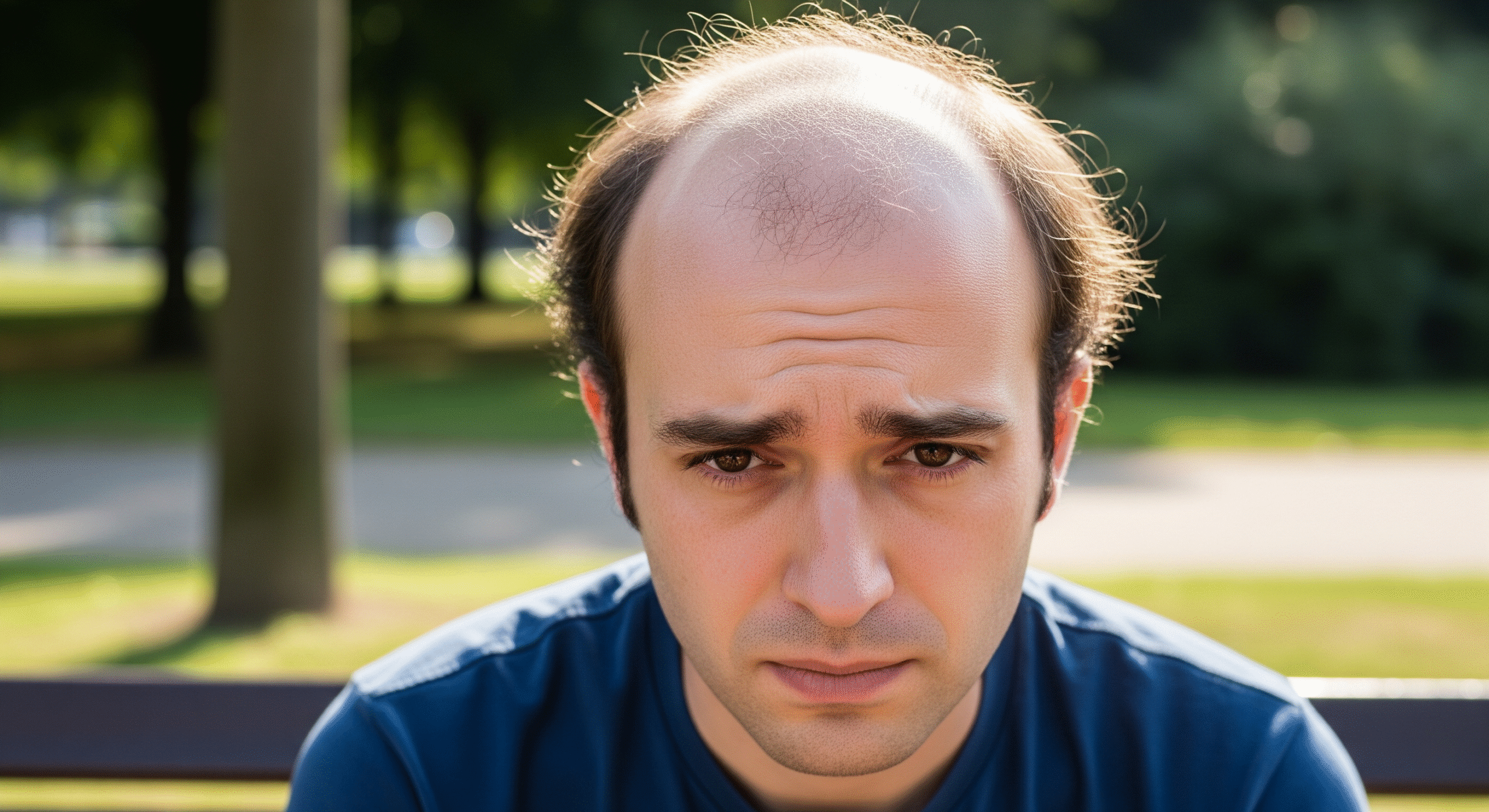
Excessive Hair Loss: Why It Happens and How to Fix It
Waking up to find a startling number of strands on your pillow or watching them spiral down the shower drain can be a jarring experience. While losing 50 to 100 hairs a day is a natural part of the hair growth cycle, witnessing a dramatic increase in shedding can trigger feelings of anxiety and concern. As a matter of fact, excessive hair loss is a common problem that affects millions of people worldwide, but its root causes are often complex and multifaceted. Understanding why it happens is the first crucial step toward finding an effective solution. This article provides a comprehensive guide to the underlying reasons for hair loss and, more importantly, a detailed roadmap to regaining a fuller, healthier head of hair.
The Biology Behind the Loss: A Closer Look at the Hair Growth Cycle
To truly grasp the dynamics of hair loss, you must first understand how hair grows. Hair follicles, the tiny pockets in your skin from which hair grows, undergo a continuous cycle of growth, rest, and renewal. This cycle consists of three primary phases:
“On any healthy scalp, about 90% of the hairs are actively growing, a phase called anagen. A few hairs are in the catagen phase, which lasts a couple of weeks and marks the transition from growth to rest. The remaining hairs are in the telogen, or resting, phase. When this phase ends, the hairs are shed.”
— Harvard Health Publishing
- Anagen (The Growth Phase): This is the longest phase, lasting anywhere from two to seven years. During this period, cells in the hair bulb divide rapidly, pushing the hair shaft up and out. About 85-90% of your hair is in this active growth phase at any given time.
- Catagen (The Transition Phase): A brief, transitional stage that lasts for only about two to three weeks. In this phase, the hair follicle shrinks, and the hair detaches from the blood supply, marking the end of active growth.
- Telogen (The Resting Phase): This phase lasts for approximately three months. The club hair is fully formed and rests in the follicle. After this period, the old hair is shed to make way for a new one entering the anagen phase.
Most forms of hair loss result from a disruption to this delicate cycle. For instance, a trigger can prematurely force a large number of hairs from the anagen phase into the telogen phase, leading to noticeable shedding. In other cases, the growth phase itself can shorten, leading to thinner, weaker hair over time.
Common Culprits Behind Excessive Hair Loss
Excessive hair loss is not a single disease but a symptom of an underlying issue. Here is a breakdown of the most common factors that can disrupt your hair’s natural rhythm.
Genetics
Without a doubt, genetics is the most frequent cause of hair loss. This condition, known as Androgenetic Alopecia, is commonly called male or female pattern baldness. As a result of this inherited trait, your hair follicles become overly sensitive to dihydrotestosterone (DHT), a hormone that is a byproduct of testosterone. Over time, DHT causes the follicles to shrink, or “miniaturize,” leading to progressively thinner and shorter hair strands until the follicle no longer produces hair.
“The most common cause of hair loss, androgenetic alopecia, is inherited. The genes can be inherited from either parent. Androgenetic alopecia is progressive, which means it will continue to worsen with age.”
— American Academy of Dermatology Association
For men, this condition typically manifests as a receding hairline and a thinning crown. For women, it appears as a general thinning of the hair, especially along the part line, with the frontal hairline usually remaining intact. While you cannot change your genes, you can certainly manage this condition with the right treatments.
Hormonal Changes
Hormones play a pivotal role in regulating the hair growth cycle. Consequently, any significant hormonal shift can cause a temporary but often frightening period of hair loss.
- Pregnancy and Childbirth: Many women experience thick, lush hair during pregnancy due to elevated estrogen levels. After giving birth, however, estrogen levels plummet, causing a phenomenon known as postpartum hair loss or Telogen Effluvium. Large amounts of hair that were held in the growth phase suddenly transition into the shedding phase. Typically, this is a temporary condition, and hair fullness returns within a few months.
- Thyroid Issues: Both an overactive thyroid (hyperthyroidism) and an underactive thyroid (hypothyroidism) can lead to hair loss. Thyroid hormones are essential for maintaining the normal function of hair follicles. A hormonal imbalance can cause a diffuse thinning of hair all over the scalp.
- Menopause: As women enter menopause, estrogen and progesterone levels decline. This hormonal shift can lead to thinner hair or increased shedding.
“Changes in hormone levels during pregnancy, childbirth, or menopause can affect hair growth. Thyroid disorders can also cause hair loss. The hair loss is typically temporary and may be restored once the hormone balance is corrected.”
— Merck Manual
Nutritional Deficiencies
Your hair is a reflection of your overall health, and a lack of essential nutrients can directly impact its strength and growth. To illustrate, hair cells are among the fastest-growing cells in the body, so they require a steady supply of vitamins and minerals to function properly.
“Iron is a key component of the enzymes involved in hair synthesis. Therefore, iron deficiency is associated with hair loss and plays a role in various types of alopecia.”
— National Center for Biotechnology Information (NCBI)
- Iron: Iron is crucial for transporting oxygen to your hair follicles. An iron deficiency, or anemia, is a significant and easily correctable cause of hair loss. In fact, it’s one of the most common deficiencies linked to excessive shedding, particularly in women.
- Zinc: Zinc helps with hair tissue growth and repair. A zinc deficiency can lead to hair loss and a dry, flaky scalp.
- Vitamin D: Research suggests that vitamin D plays a key role in the creation of new hair follicles. Deficiencies have been linked to various forms of hair loss, including alopecia areata.
- Protein: Since hair is primarily made of protein, an insufficient intake can lead to weaker, brittle hair and reduced growth.
Stress
Chronic and severe stress can wreak havoc on your body, and your hair is no exception. A period of intense emotional or physical stress, such as a major illness, surgery, or a traumatic event, can trigger Telogen Effluvium. The stress causes a large number of hair follicles to enter the resting phase prematurely. Then, about two to three months later, you will notice a significant increase in hair shedding. While this condition is usually temporary, reducing stress through meditation, exercise, and proper sleep is vital for recovery.
“Telogen effluvium is the most common cause of non-scarring hair loss. It occurs when a stressful event pushes a large number of hair follicles prematurely into the telogen phase. It’s usually a temporary condition, and once the stressful event is over, hair growth resumes.”
— Cleveland Clinic
Medical Conditions and Medications
A variety of medical conditions can either directly or indirectly cause hair loss. Autoimmune diseases such as Alopecia Areata cause the immune system to mistakenly attack hair follicles, resulting in circular patches of hair loss. Other conditions like lupus and diabetes can also lead to hair thinning. On the other hand, certain medications, including blood thinners, antidepressants, and chemotherapy drugs, can have hair loss as a side effect.
“In people with alopecia areata, the immune system mistakenly attacks the hair follicles, leading to hair loss. It can affect any hair-bearing site on the body, although the scalp is the most commonly affected area.”
— National Alopecia Areata Foundation
Physical and Environmental Factors
Your daily habits and environment also play a role in the health of your hair. For example, wearing tight hairstyles like ponytails or braids for extended periods can cause a type of hair loss called Traction Alopecia. Similarly, excessive use of heat styling tools, frequent chemical treatments, and sun exposure can weaken hair shafts, leading to breakage and damage.
“Traction alopecia is a type of hair loss that is caused by a constant pulling force on the hair follicles. It often occurs as a result of wearing tight hairstyles like ponytails, braids, or dreadlocks.”
— National Center for Biotechnology Information (NCBI)
Solutions and Treatments: Taking Back Control
When you face excessive hair loss, the first and most important step is to get a proper diagnosis from a dermatologist or trichologist. They can identify the specific cause and recommend a tailored treatment plan. However, a variety of treatments and lifestyle changes can make a significant difference.
Diet and Nutrition
An effective hair care strategy starts from the inside out. Your diet is a powerful tool for promoting healthy hair growth.
- Focus on Nutrient-Dense Foods: Incorporate lean proteins (chicken, fish, eggs), leafy greens (spinach, kale), nuts and seeds (almonds, chia seeds), and fruits into your daily meals.
- Ensure Adequate Iron Intake: For those with iron deficiency, consuming iron-rich foods like red meat, legumes, and fortified cereals is critical. Furthermore, consider a supplement after consulting with your doctor.
- Vitamins and Minerals: Ensure you get enough zinc, vitamin D, and biotin. These can be found in foods like oysters, fatty fish, and eggs, respectively.
- Protein: Since hair is primarily made of protein, an insufficient intake can lead to weaker, brittle hair and reduced growth.
Lifestyle Adjustments
Your daily habits can either hinder or help your hair health. Making a few key adjustments can significantly improve your hair’s condition.
- Manage Stress: Since stress is a major trigger for Telogen Effluvium, find healthy ways to manage it. Activities like yoga, meditation, regular exercise, and mindfulness can help reduce cortisol levels and promote a healthier hair growth cycle.
- Prioritize Sleep: Lack of sleep can elevate stress hormones. Aim for 7-9 hours of quality sleep per night to give your body and hair follicles the rest they need to repair and regenerate.
- Quit Smoking: Smoking restricts blood flow to the hair follicles, thereby hindering the delivery of essential nutrients and oxygen.
Topical and Oral Treatments
For Androgenetic Alopecia, certain medications have a proven track record of slowing or reversing hair loss.
“Minoxidil is an FDA-approved drug that stimulates hair growth by increasing blood flow to hair follicles and extending the anagen (growth) phase of the hair cycle.”
— National Center for Biotechnology Information (NCBI)
- Minoxidil (Rogaine): This topical solution or foam is widely available and works by increasing blood flow to the hair follicles, encouraging them to enter the anagen phase and remain there for longer. While it won’t cure the condition, it is highly effective at slowing its progression.
- Finasteride (Propecia): This is an oral medication for men that works by blocking the enzyme that converts testosterone into DHT, thereby preventing follicle miniaturization.
- Other Solutions: Some dermatologists may recommend Platelet-Rich Plasma (PRP) therapy, which involves injecting a concentration of your own blood platelets into the scalp to stimulate hair growth. Similarly, low-level laser therapy (LLLT) is a non-invasive option that may stimulate follicles.
Hair Care Best Practices
The way you treat your hair matters. Simple changes to your hair care routine can prevent damage and breakage.
- Gentle Cleansing: Use a mild, sulfate-free shampoo and conditioner to avoid stripping natural oils from your scalp.
- Avoid Excessive Heat: Reduce the use of hair dryers, straighteners, and curling irons. When you do use them, always apply a heat protectant spray.
- Say No to Tight Hairstyles: Give your hair a break from tight ponytails, braids, and buns to prevent traction alopecia.
- Protect from the Sun: Just as you protect your skin, you should also protect your scalp from the sun’s damaging UV rays. Wear a hat or use a UV-protectant hair product.
Conclusion
Excessive hair loss is a complex issue, but it is far from hopeless. As a matter of fact, understanding its root cause is the most powerful step you can take. Whether your hair loss is due to genetics, hormonal shifts, nutritional deficiencies, or stress, there is a solution available. By adopting a holistic approach that includes a nutrient-rich diet, a stress-free lifestyle, and a gentle hair care routine, you can create an environment where your hair can thrive. If you notice a significant increase in shedding, do not hesitate to seek professional medical advice. A doctor can provide an accurate diagnosis and guide you toward the most effective treatment plan, empowering you to take back control and restore your confidence.
Sources
-
Harvard Health Publishing: “Hair loss—telogen effluvium”
This article explains the hair growth cycle and how conditions like telogen effluvium affect it.
-
American Academy of Dermatology Association (AAD): “Male-pattern baldness: Overview”
This source provides information on androgenetic alopecia, the most common cause of hair loss.
-
Merck Manual: “Hair Loss”
This authoritative source discusses various causes of hair loss, including hormonal changes and thyroid conditions.
-
National Center for Biotechnology Information (NCBI): “Iron and the Hair”
This scientific publication outlines the crucial role of iron in hair health and how a deficiency can lead to hair loss.
-
Cleveland Clinic: “Telogen Effluvium”
This article explains telogen effluvium, a type of hair loss caused by severe physical or emotional stress.
-
National Alopecia Areata Foundation: “What is Alopecia Areata?”
This source provides information on alopecia areata, an autoimmune disease that causes hair loss.
-
National Center for Biotechnology Information (NCBI): “Traction Alopecia”
This article discusses hair loss caused by constant pulling on the hair follicles, often from tight hairstyles.
-
National Center for Biotechnology Information (NCBI): “Minoxidil”
This publication confirms minoxidil as an FDA-approved drug for stimulating hair growth.