
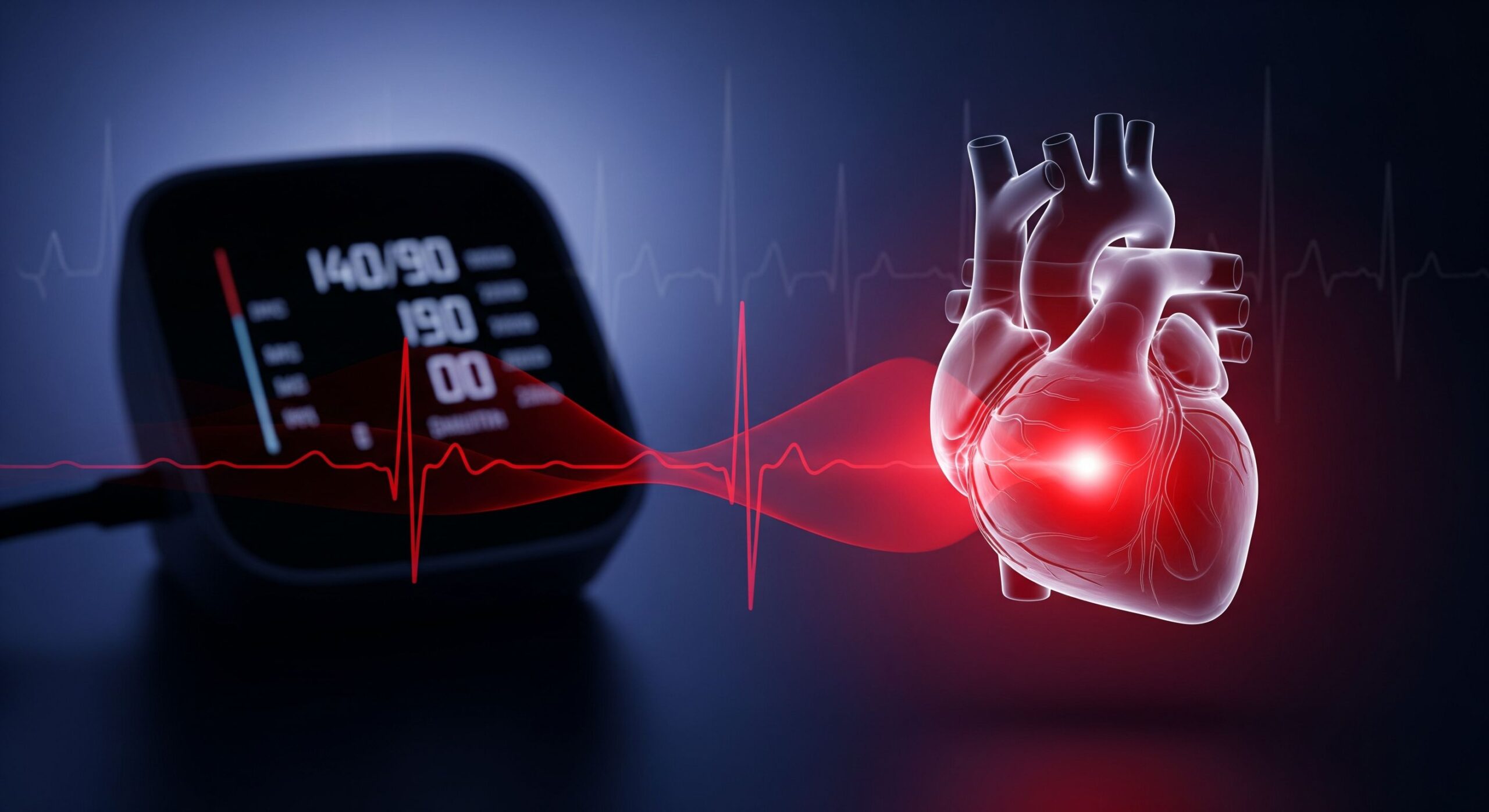
It is often called the “silent killer,” and it’s a primary link in the deadly relationship between high blood pressure and heart disease—the nation’s top cause of death. Nearly half of all adults in the United States have this condition, high blood pressure (or hypertension), but many do not know it. But *how* exactly does the pressure in your blood vessels lead to a deadly heart condition?
This article is your guide to understanding the deep and often unseen link between high blood pressure and heart disease. We will look at what blood pressure is and how high blood pressure develops. We will also cover the specific ways it slowly and steadily harms your heart. Subsequently, you will learn the real steps you can take to protect your heart health for years to come. Understanding this link is more than a school exercise. In fact, it is a key step toward a longer, healthier life.
What is Blood Pressure? (A Key Heart Disease Risk)
Before we look at the details of heart disease, let’s first get a basic understanding of blood pressure. Think of your body’s blood vessels as a complex network of pipes. Your heart is the pump and your arteries are the pipes. Blood pressure is the force of blood pushing against the walls of these arteries as your heart pumps it through your body.
A blood pressure reading has two numbers. They are measured in millimeters of mercury (mm Hg):
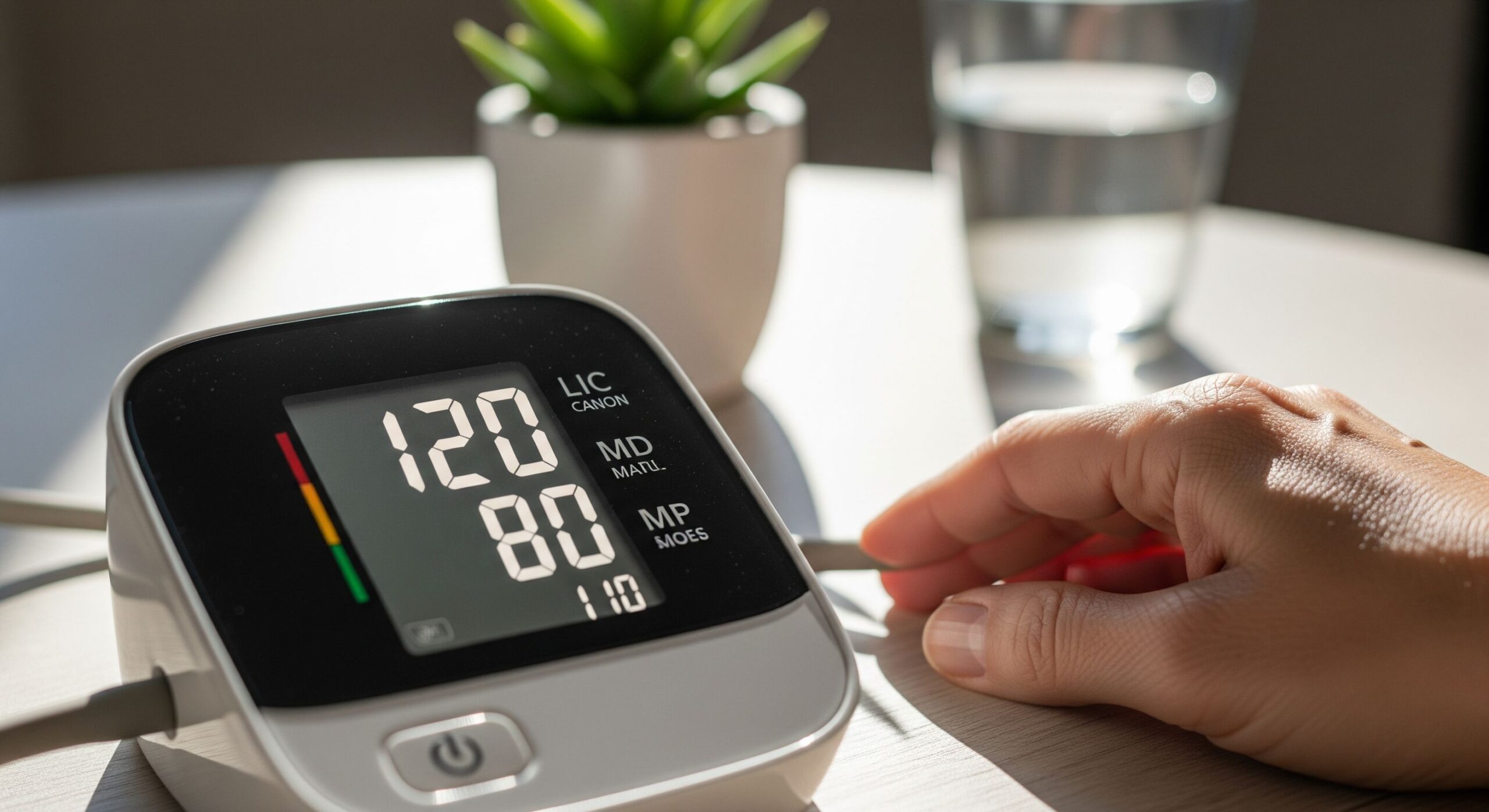
- Systolic Pressure (the top number): This measures the pressure in your arteries when your heart beats and pushes blood out.
- Diastolic Pressure (the bottom number): This shows the pressure in your arteries when your heart rests between beats.
According to the American College of Cardiology and the American Heart Association, a normal blood pressure reading for an adult is less than 120/80 mm Hg. Doctors usually diagnose high blood pressure when readings are 130/80 mm Hg or higher over time.
Of course, for years, high blood pressure can exist without any clear symptoms. For this reason, it earns its “silent killer” nickname. In fact, the only way to know if you have it is to get it measured regularly. This lack of symptoms, however, hides the slow, steady damage happening inside your body.
How High Blood Pressure Harms the Heart
So, how does this extra force in the arteries lead to heart problems? The damage is not sudden; instead, it is a slow process of wear and tear that weakens the entire heart and blood vessel system. Ultimately, the heart and arteries are made to work under a certain amount of pressure. When that pressure is always high, the system starts to break down in several key ways.
1. Artery Damage: The First Stage of Heart Disease
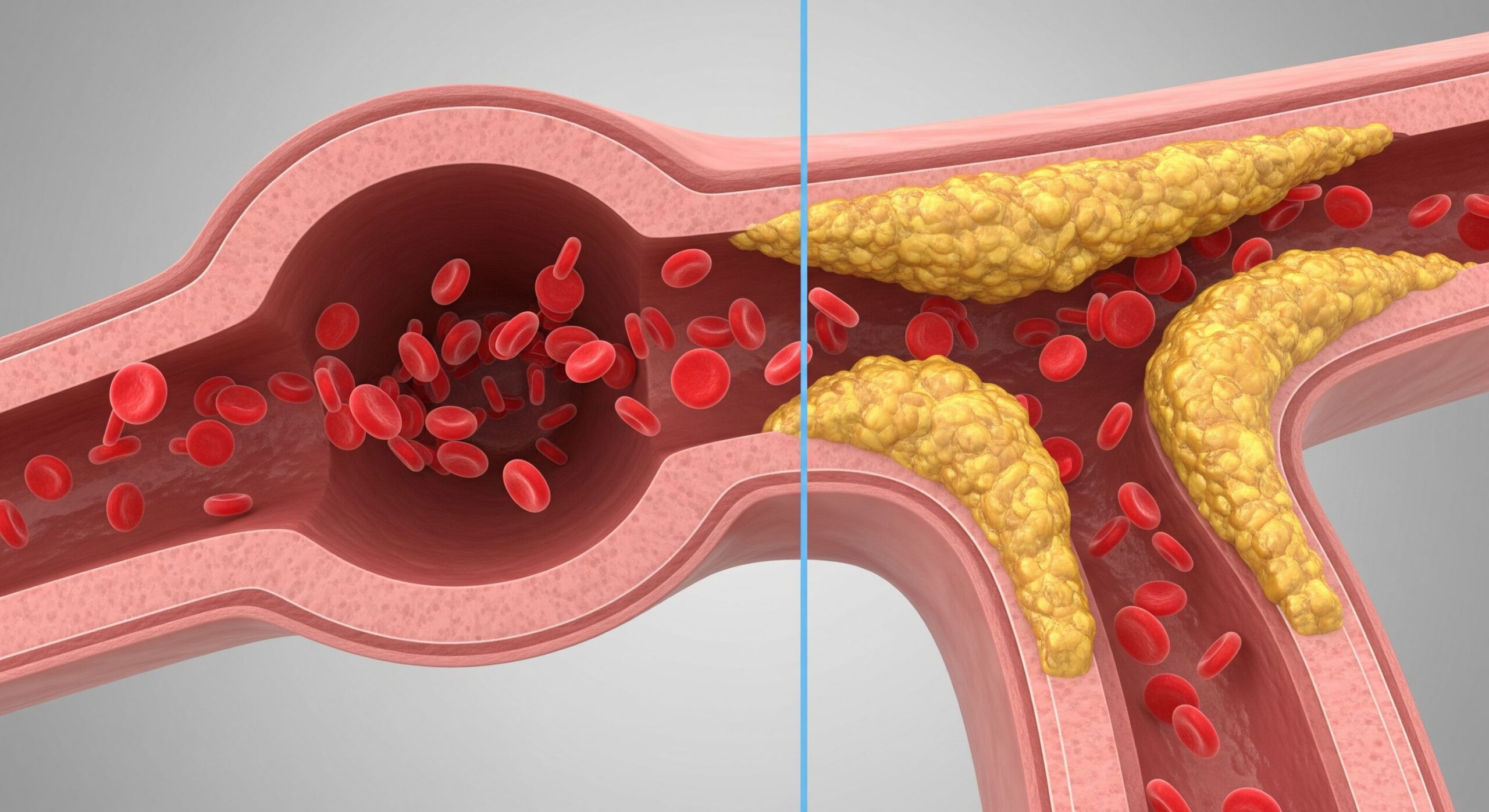
Healthy arteries are flexible, strong, and smooth on the inside. This lets blood flow freely. High blood pressure acts like a constant, strong spray against these soft inner walls. Over time, this pressure can cause tiny tears and damage to the artery lining.
Here, the problem gets worse. While the body’s natural healing process starts, in this case, it can be harmful. Fats, cholesterol, and other things in the blood, called plaque, subsequently start to build up where the damage is. This dangerous process is called atherosclerosis, or hardening of the arteries.
As plaque builds up, the arteries get narrower and less flexible, which makes it even harder for blood to get through. Consequently, a bad cycle begins: narrowed arteries raise blood pressure, which in turn causes more damage to the artery walls, leading to even more plaque buildup.
In fact, this insidious process of atherosclerosis is the main cause of many types of heart disease. When it happens in the arteries that bring blood to the heart muscle (the coronary arteries), it is known as Coronary Artery Disease (CAD). CAD is the most common type of heart disease in the United States.
2. Overworking the Heart: A Consequence of High Blood Pressure
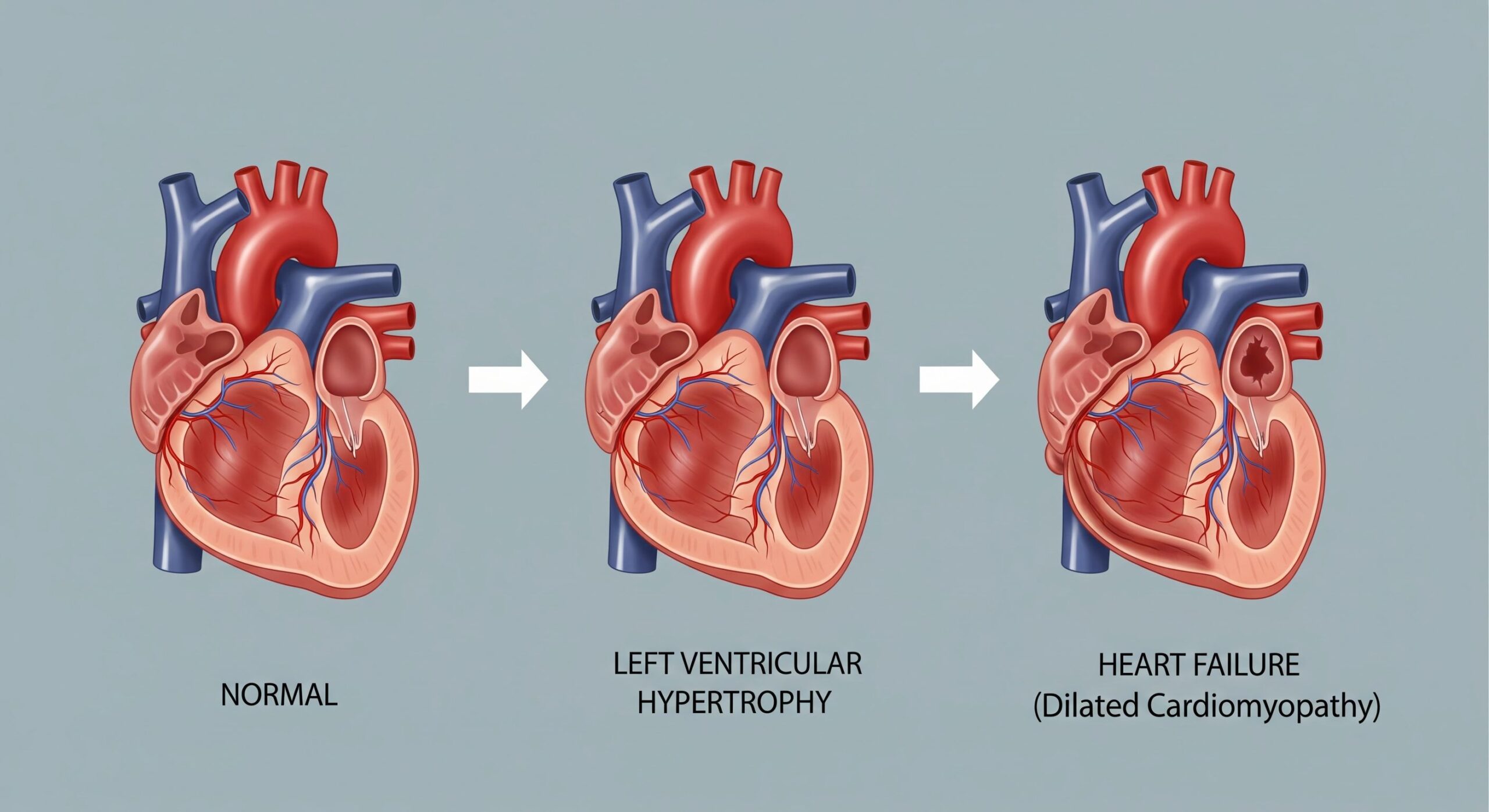
Your heart is a muscle. Like any muscle, it gets bigger when it has to work harder. Specifically, with high blood pressure, the heart must pump much harder to push blood through stiff, narrow arteries. To make up for this extra work, the heart muscle grows thicker and larger. This happens especially in the main pumping chamber, called the left ventricle.
This condition is called Left Ventricular Hypertrophy (LVH). A bigger muscle might sound stronger, but in this case, it is a bad sign. Unfortunately, an enlarged heart muscle works less well. It may struggle to pump blood effectively. Additionally, the thick walls can also become stiff. This keeps the chamber from filling up properly between beats. Over time, this constant strain can be too much for the heart, causing it to slowly fail.
Resulting Heart Conditions
The buildup of damage from atherosclerosis and an overworked heart muscle can lead to several serious, and often deadly, heart conditions.
- Heart Attack: A heart attack occurs when a coronary artery gets fully blocked, often by a blood clot that forms on a broken piece of plaque. Such a blockage stops blood flow to part of the heart muscle. Without blood full of oxygen, the heart muscle cells start to die. Data from the Alabama Department of Public Health shows that 69% of Americans who have a first heart attack have blood pressure over 140/90 mm Hg.
- Heart Failure: This doesn’t mean the heart stops working. Instead, it means the heart can’t pump enough blood and oxygen for the body’s needs. Years of high blood pressure can weaken or stiffen the heart muscle until it no longer pumps well. As a result, this can cause symptoms like shortness of breath, feeling tired, and swelling in the legs and belly. High blood pressure greatly raises the risk of heart failure. It makes men twice as likely and women three times more likely to get the condition.
- Arrhythmia: An arrhythmia is an irregular heartbeat. High blood pressure can damage the heart muscle and its electrical system. Consequently, this damage can interfere with the signals that keep the heart beating the right way. Atrial fibrillation (AFib), a messy rhythm in the heart’s top chambers, is a common type of arrhythmia linked to high blood pressure.
High Blood Pressure: A Real-World Wake-Up Call
Consider the story of Mark, a 45-year-old software developer. For years, Mark’s yearly check-ups showed slightly high blood pressure. He often passed it off as “white coat syndrome”—feeling nervous at the doctor’s office. He led a busy, stressful life and didn’t make time for regular exercise or a healthy diet. Then, one afternoon at work, he felt sudden chest pain and had trouble breathing. He was rushed to the emergency room and was told he had a minor heart attack.
Ultimately, his heart doctor explained that years of untreated high blood pressure had caused a lot of plaque buildup in his coronary arteries. The heart attack was a direct result. For Mark, this was a huge wake-up call. Indeed, it made the health risks he’d heard about feel real and life-changing. His story is common; in truth, it shows the danger of ignoring the silent warnings of high blood pressure until something bad happens.

Who is at Risk for High Blood Pressure?
Of course, anyone can get high blood pressure, but certain things increase your risk. Some of these you can’t control, while others are linked to your lifestyle choices.
Non-Modifiable High Blood Pressure Risks
- Age: The risk of high blood pressure goes up as you get older.
- Genetics and Family History: If high blood pressure runs in your family, you are more likely to get it.
- Race: High blood pressure is more common and often more severe in non-Hispanic Black adults.
Modifiable High Blood Pressure Risks
- Diet: A diet high in salt and low in potassium can lead to high blood pressure.
- Lack of Physical Activity: Not being active leads to a higher heart rate. This forces the heart to work harder and also raises the risk of having a higher weight.
- Having a higher weight: If you have a higher weight, your heart has to pump more blood to supply oxygen to your body. This extra work increases the pressure on your artery walls.
- Excessive Alcohol Consumption: Drinking too much alcohol can raise your blood pressure.
- Tobacco Use: Smoking and vaping can quickly and briefly raise your blood pressure. Over time, they can damage the lining of your arteries.
- Stress: High levels of stress can lead to a sharp but temporary rise in blood pressure.

Knowing these risk factors, especially the ones you can change, is the first step in preventing it. Therefore, for young
Managing High Blood Pressure to Prevent Heart Disease
The good news, however, is that you can prevent and manage high blood pressure. In fact, controlling your blood pressure is one of the most important things you can do to lower your risk for heart disease and stroke. The plan includes a mix of lifestyle changes and, if needed, medicine.
Lifestyle Changes for Blood Pressure Control

The Centers for Disease Control and Prevention (CDC) and the American Heart Association point to several key lifestyle changes. For instance:
- Adopt a Heart-Healthy Diet: Focus on a diet with plenty of fruits, vegetables, whole grains, and lean proteins. A popular eating plan is the DASH (Dietary Approaches to Stop Hypertension) diet. Specifically, it is designed to lower blood pressure. A key part is cutting back on sodium. Much of the salt in the American diet comes from processed and restaurant foods. Reading labels and cooking at home more can make a big difference.
- Get Regular Physical Activity: Aim for at least 150 minutes of moderate-intensity exercise, like brisk walking, swimming, or biking, each week. This helps make your heart stronger, improves blood flow, and helps you keep a healthy weight.
- Maintain a Healthy Weight: Losing even a small amount of weight if you have a higher weight can make a big difference in lowering your blood pressure.
- Limit Alcohol: If you drink alcohol, do so in moderation. This usually means no more than one drink per day for women and no more than two drinks per day for men.
- Do Not Smoke: If you don’t smoke, don’t start. If you do, unquestionably, quitting is the single best thing you can do for your heart health. Smoking damages your blood vessels and greatly raises your risk for heart attack and stroke.
- Manage Stress: Find healthy ways to cope with stress. You can try exercise, meditation, spending time in nature, or connecting with friends and family.

Medical Treatments for Hypertension
For example, for some people, lifestyle changes alone may not be enough to control high blood pressure. In these cases, a doctor may prescribe medicine. There are many different types of blood pressure medicines that work in different ways to lower pressure. Consequently, it is very important to take these medicines exactly as your doctor says. Never stop taking them without talking to your doctor first. Furthermore, checking your blood pressure regularly, either at a doctor’s office or at home, is key to making sure the treatment plan is working well.
Bonus: High Blood Pressure Myths vs. Facts
Myth: High blood pressure is not a big deal. I feel fine!
Fact: This is the most dangerous myth. Hypertension is called the “silent killer” precisely because it has no symptoms while it is causing serious damage to your heart and arteries. Feeling fine means nothing. Regular checks are the only way to know your numbers.
Myth: Only old people need to worry about high blood pressure.
Fact: While the risk does increase with age, high blood pressure is becoming more common in younger adults, even teenagers. This is often due to diet, lack of exercise, and having a higher weight. Everyone should know their blood pressure.
Myth: I don’t use table salt, so I don’t need to worry about sodium.
Fact: More than 70% of the sodium Americans consume comes from processed, packaged, and restaurant foods, not the salt shaker. Foods like bread, cold cuts, pizza, and canned soups can have very high hidden sodium levels.
Myth: If I have high blood pressure, I’ll have symptoms like nervousness, sweating, or headaches.
Fact: Most people with high blood pressure have no symptoms at all. A severe hypertensive crisis (dangerously high blood pressure) might cause headaches, but waiting for a symptom is a dangerous gamble. In short, regular checks are the only way.
Myth: Once I start blood pressure medication, I have to take it for life.
Fact: Not always. For many people, medication is a long-term tool. However, for some, especially those whose high blood pressure is borderline or linked to lifestyle, significant changes—like losing weight, adopting the DASH diet, and exercising regularly—can lower blood pressure enough that a doctor may be able to reduce or even stop medication. Above all, this must only be done under a doctor’s supervision.
Conclusion: Protecting Your Heart from High Blood Pressure
The link between high blood pressure and heart disease is clear and very serious. In fact, high blood pressure acts as a constant, unrelenting force, silently damaging arteries and overworking the heart muscle day after day. This gradual wear and tear leads to atherosclerosis, left ventricular hypertrophy, and a severely increased risk of a life-altering event. It is the primary driver behind countless heart attacks, strokes, and cases of heart failure, which remain leading causes of death and disability. The true danger lies in its silence; the damage accumulates long before any symptoms ever appear.
However, this is not a story without hope. Because hypertension is identifiable and manageable, its most severe consequences are largely preventable. Knowledge is the first and most critical tool. By understanding how high blood pressure inflicts its damage, you can fully grasp the importance of early detection and active management. The lifestyle changes and medical treatments discussed are not minor suggestions; rather, they are powerful interventions that can halt and even reverse some of the damage. You have the power to stop this silent progression before it leads to irreversible harm.
This understanding, of course, must lead to action. For example, for students and young adults, the choices made today about diet, exercise, and smoking directly build the foundation for future heart health. For everyone, the message is simple: know your numbers. Above all, get your blood pressure checked regularly. Have open, honest conversations with your doctor, and if a plan is recommended—whether lifestyle changes or medicine—stick to it. Taking control of your blood pressure is not a passive task. It is the single most important, proactive step you can take to protect your cardiovascular system and invest in a longer, healthier future.
Sources & References
- National Center for Biotechnology Information. (n.d.). HIGH BLOOD PRESSURE AND CARDIOVASCULAR DISEASE. Retrieved from PubMed Central.
- World Health Organization. (2025, September 25). Hypertension.
- American Heart Association. (2025, August 14). Health Threats from High Blood Pressure.
- Cleveland Clinic. (n.d.). Hypertensive Heart Disease: Symptoms, Causes & Treatment.
- Mayo Clinic. (n.d.). High blood pressure dangers: Hypertension’s effects on your body.
- The Link Between High Blood Pressure and Heart Disease: What You Need to Know. (2025, August 22).
- Healthline. (2024, February 12). Hypertensive Heart Disease: Types, Symptoms, and Diagnosis.
- Cleveland Clinic. (n.d.). Hypertension (High Blood Pressure): Symptoms and Causes.
- Centers for Disease Control and Prevention. (2024, December 13). Preventing High Blood Pressure.
- Centers for Disease Control and Prevention. (2024, May 15). Managing High Blood Pressure.
- The Long-Term Effects of Untreated Hypertension on Your Health. (2025, April 24).
- Manipal Hospitals. (n.d.). Hypertension Heart Diseases: Types & Symptoms.
- Gilbert Cardiology. (2022, July 26). Long-Term Effects of Hypertension.
- Vasculearn Network. (2025, August 5). High Blood Pressure in Young Adults: Early Detection and Prevention.
- Alabama Department of Public Health. (2021, May 13). Consequences of High Blood Pressure.
- Centers for Disease Control and Prevention. (2024, December 13). Managing High Blood Pressure.
- MedlinePlus. (2025, February 3). How to Prevent High Blood Pressure.
- Johns Hopkins Medicine. (n.d.). High Blood Pressure: Prevention, Treatment and Research.
- Centers for Disease Control and Prevention. (2024, May 15). Preventing Heart Disease.
- Centers for Disease Control and Prevention. (2025, January 28). High Blood Pressure Facts.
- Centers for Disease Control and Prevention. (n.d.). Estimated Hypertension Prevalence, Treatment, and Control Among U.S. Adults.
- American Heart Association. (2025, August 14). What is High Blood Pressure?.