
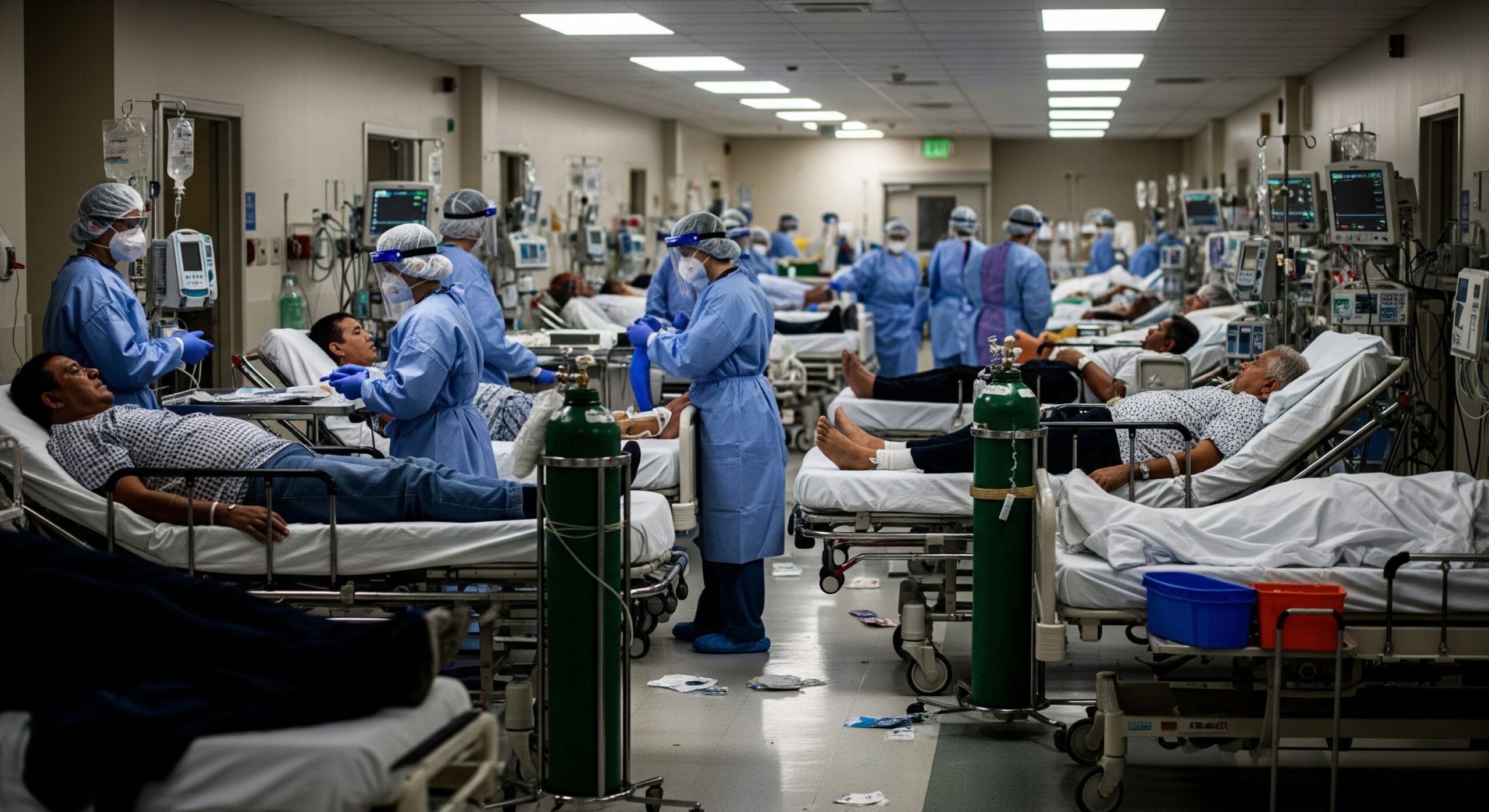
“Prevention is always better than cure. In this modern era, prevention also means a rapid and coordinated response to potential outbreaks.” – World Health Organization (WHO)
The Interconnected World and Disease Spread
Our modern world’s complexity directly impacts the speed and scale of disease spread. For instance, global travel allows a person who becomes infected on one continent to carry a disease to another before they even show symptoms. Moreover, climate change can alter the habitats of disease-carrying animals and insects, bringing them into contact with new populations. Furthermore, rapid urbanization creates densely populated areas, making it easier for infections to pass from person to person. These factors combine to create a perfect storm for new outbreaks. In previous centuries, a new illness might have stayed within a single village or region. Today, it can become a global crisis in a matter of weeks.
“Environmental changes, such as deforestation and climate change, have been linked to an increased risk of new infectious disease outbreaks.” – Centers for Disease Control and Prevention (CDC)
Understanding the Fundamentals: How Diseases Spread
To combat outbreaks effectively, we must first understand how they begin and spread. All infectious diseases start with a pathogen—a microscopic organism that causes illness. These include viruses, bacteria, fungi, and parasites. Each pathogen has a unique way of infecting a host and causing disease. Viruses, for example, need a host cell to replicate. They hijack the cell’s machinery to make more copies of themselves, ultimately killing the cell and releasing new viruses to infect other cells. In contrast, bacteria are single-celled organisms that can reproduce on their own, often causing illness by releasing toxins.
The pathogen then needs a way to get from one host to another. Scientists call this the “mode of transmission.” There are several common modes. Some diseases spread through direct contact, such as a handshake or a hug. Others spread through airborne droplets when an infected person coughs or sneezes. We also see diseases transmitted through contaminated objects, like a doorknob or a countertop. Additionally, some pathogens spread through contaminated food and water, while others, like malaria, rely on insect vectors like mosquitoes. Understanding a disease’s transmission mode helps public health officials design the right interventions. As a simple example, understanding the different types of headaches is crucial for proper diagnosis and prevention. The ongoing fight against these invisible enemies is a testament to human ingenuity and cooperation.
“Many infectious diseases spread through different routes, which highlights the importance of a diverse approach to prevention.” – National Institutes of Health (NIH)
Global Response: A United Front
Our global public health system forms the first line of defense against widespread disease. Organizations like the World Health Organization (WHO) and the U.S. Centers for Disease Control and Prevention (CDC) work tirelessly behind the scenes. They monitor disease trends worldwide, share vital information, and coordinate international responses. Consequently, when a new outbreak begins, these organizations can mobilize quickly, sending experts to affected areas to help with surveillance, testing, and containment. This international collaboration is essential. A single country cannot solve a global health crisis alone.
“Global health is critically dependent on cooperation and the rapid exchange of information among countries to identify and respond to threats.” – The Lancet
One of the most important tools in this global effort is a robust surveillance system. Public health agencies worldwide must constantly watch for new and unusual patterns of illness. This process, often called “disease surveillance,” involves collecting data from hospitals, clinics, and laboratories. When they detect a sudden increase in a specific type of illness, it can signal the start of an outbreak.
Modern surveillance systems increasingly use digital tools and data analysis to spot these trends faster. For instance, some systems track internet searches for symptoms or analyze social media conversations to get a real-time sense of disease activity. This rapid detection allows for an equally rapid response. Similarly, understanding the mind-body-soul connection is key to a holistic approach to wellness.
“Investment in robust surveillance systems is the cornerstone of global health security.” – New England Journal of Medicine (NEJM)
The Power of Prevention: Community and Individual Actions
While governments and global agencies play a critical role, each of us holds immense power to prevent disease. Individual and community actions are the most effective way to slow an outbreak and protect ourselves and our loved ones. Vaccination stands out as one of the most significant public health achievements in human history. To learn more about this, check out our guide to COVID and flu vaccines protection. It not only protects the vaccinated person but also contributes to “herd immunity,” which protects the entire community, including those who cannot get vaccinated for medical reasons. We must trust the science and embrace this proven tool. To fully fortify your health, you can also consider naturally boosting your immune system.
“Vaccination is one of the most cost-effective and high-impact public health interventions.” – UNICEF
Simple hygiene practices also offer powerful protection. Handwashing, for example, remains one of the best ways to prevent the spread of germs. A thorough handwash with soap and water for at least 20 seconds physically removes pathogens from our skin. We should also practice good respiratory etiquette. When we cough or sneeze, we should cover our mouths and noses with a tissue or our elbow, not our hands. This simple action prevents germs from becoming airborne and infecting others. Additionally, staying home when we feel sick is crucial. By isolating ourselves, we stop the chain of transmission and protect our co-workers, classmates, and community members. Remember, staying hydrated is also a key part of maintaining overall health.
“Washing hands with soap is a simple and effective way to prevent the spread of infectious diseases.” – WHO, World Hand Hygiene Day
Technology’s Transforming Role in Health Security
Technology is fundamentally changing how we approach disease outbreaks. We now have tools that would have seemed like science fiction just a few decades ago. For example, rapid genetic sequencing allows scientists to identify a new virus within hours. By sequencing the pathogen’s genome, they can quickly determine its characteristics, how it relates to other known viruses, and how it might behave. Information about AI in healthcare is essential for this. Furthermore, advanced data analytics and artificial intelligence (AI) are being used to predict outbreaks. AI can analyze vast amounts of data—including weather patterns, population movements, and even social media chatter—to identify potential hotspots before cases even begin to surge.
“Genomic sequencing has become an incredibly powerful tool for tracking the spread of pathogens and informing public health responses.” – Nature
Mobile technology has also become a powerful tool. Contact tracing apps, for example, can help identify people who have been in contact with an infected individual. While these apps raise privacy concerns, they offer a way to quickly alert people and advise them to get tested or isolate. For a broader view, consider the role of wearable tech in health monitoring. Telemedicine also played a huge role during recent health crises. It allowed people to consult with doctors remotely, reducing the risk of viral transmission in healthcare settings and ensuring people could still receive care. These technologies, however, require careful implementation to balance public health needs with individual privacy rights.
“The integration of AI in public health can revolutionize how we predict, detect, and manage disease outbreaks.” – National Library of Medicine
Building a More Resilient Future
Investing in Public Health Infrastructure
The lessons we learn from each new outbreak must guide us toward a more resilient future. We cannot simply wait for the next crisis to hit. We need to invest in our public health infrastructure now, ensuring it has the funding, staffing, and resources to handle any challenge. This means strengthening our hospitals, expanding our laboratories, and training a new generation of public health professionals. A strong public health system is a vital national security asset, just as important as a strong military. Crises also bring significant mental strain, and learning to master work stress is a key part of our personal resilience.
“Public health security is an investment, not an expense. Preparedness is key to minimizing the impact of future outbreaks.” – World Bank
Building Equitable Healthcare Systems
We also need to focus on building more equitable healthcare systems. We know that disease outbreaks disproportionately affect vulnerable populations. People in poverty, marginalized communities, and those without easy access to healthcare face a higher risk. By addressing these systemic inequalities, we can build a healthier society for everyone. This includes ensuring everyone has access to affordable healthcare, clean water, and nutritious food. A healthier population is a more resilient population.
“To achieve universal health security, we must address underlying health inequities and ensure fair access to care.” – CDC Health Equity
In conclusion, disease outbreaks are a permanent part of our modern world, testing our collective resilience. While we’ve made significant progress in understanding and combating pathogens through tools like global surveillance and vaccines, we must continue to build on this foundation. Moving forward, it’s essential to invest in public health systems, strengthen international cooperation, and empower ourselves with knowledge. By staying informed, practicing good hygiene, and trusting in science, we can build a healthier, safer world for future generations. This includes recognizing the importance of our mind-body-soul connection as a key part of overall wellness. We can and will rise to the occasion, protecting ourselves and each other from unseen threats.
Sources
- World Health Organization (WHO) – Emergencies
- Centers for Disease Control and Prevention (CDC) – One Health
- National Institutes of Health (NIH)
- The Lancet – COVID-19 and the need for a global health security network
- New England Journal of Medicine (NEJM) – The COVID-19 Pandemic: A Call to Action
- UNICEF – Immunization Facts
- WHO – World Hand Hygiene Day
- Nature – The role of genomics in tracking COVID-19
- National Library of Medicine (NLM) – Role of Artificial Intelligence in Public Health
- World Bank – Health Preparedness and Resilience
- CDC – Health Equity