
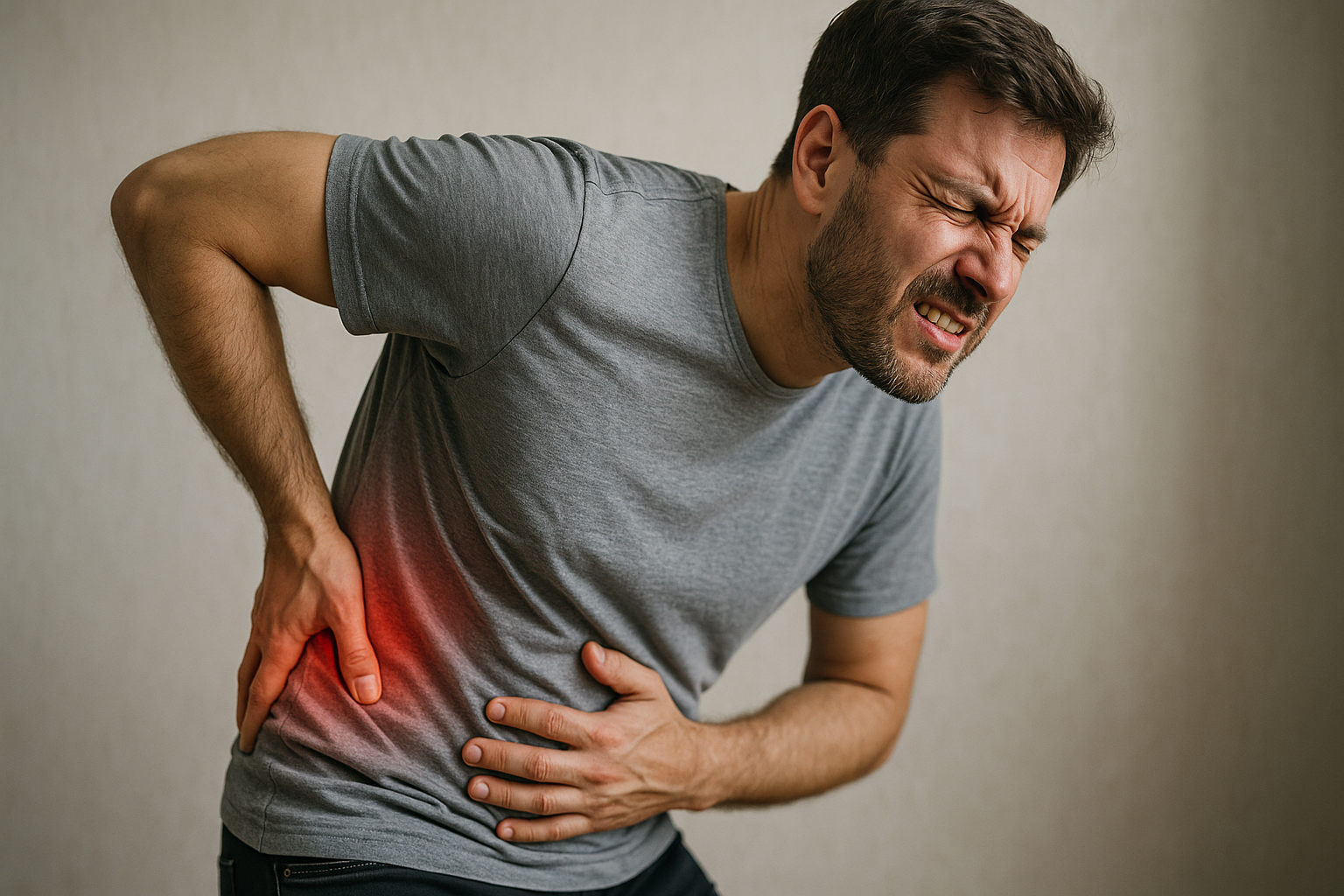
Kidney stones, also known as renal calculi or nephrolithiasis, are a surprisingly common health problem, affecting millions of people worldwide. The pain they cause can be excruciating, often described as one of the worst types of pain a person can experience. While the thought of passing a stone might be frightening, understanding what they are, why they form, and what you can do to prevent them is the first and most crucial step toward protecting your health. This comprehensive guide will walk you through the entire process, from the initial formation of a stone to the powerful, proactive steps you can take to stop them before they start.
Part 1: What Are Kidney Stones?
At their core, kidney stones are hard, solid deposits made of minerals and salts that form inside your kidneys. Think of them as tiny rocks that crystallize and clump together. Our kidneys work as the body’s natural filters, removing waste products from the blood and producing urine. However, when the concentration of certain substances in the urine becomes too high, these substances can form crystals. Over time, these crystals can bind together, creating a stone. The size of these stones can vary dramatically, from as small as a grain of sand to as large as a golf ball.
The Different Types of Kidney Stones
Not all kidney stones are the same; in fact, their composition varies, and understanding the type you have is essential for prevention and treatment. According to the National Institute of Diabetes and Digestive and Kidney Diseases (NIDDK), there are four main types of kidney stones:
- Calcium Stones: This is by far the most common type of kidney stone. Approximately 80% of all kidney stones are calcium stones, most of which are calcium oxalate. Oxalate is a naturally occurring substance found in many foods, and when it combines with calcium in the urine, it can form a stone. A less common type is calcium phosphate.
- Uric Acid Stones: These stones are more common in men than in women. They form when urine is too acidic. High-protein diets, particularly those rich in red meat, and certain medical conditions like gout can increase your risk of developing this type of stone.
- Struvite Stones: These stones are less common and typically form in response to a urinary tract infection (UTI). They can grow very quickly and become quite large, often without many symptoms. Consequently, they are sometimes called “infection stones.”
- Cystine Stones: These stones are rare and are caused by a hereditary disorder called cystinuria. This genetic condition causes the kidneys to excrete too much of a specific amino acid called cystine, which then forms stones.
Part 2: The Warning Signs: Recognizing the Symptoms
A small kidney stone may pass through your urinary tract without you even noticing. However, larger stones can cause significant and unforgettable symptoms. The pain from a kidney stone is often the first and most obvious sign.
Here are the symptoms you should watch for, as outlined by the Mayo Clinic:
- Severe, Sharp Pain: This is the hallmark symptom. The pain typically starts suddenly and is extremely intense. You may feel it in your side and back, below your ribs. The pain can radiate to your lower abdomen and groin. Interestingly, the pain may come in waves, fluctuating in intensity as the stone moves through your urinary tract.
- Pain During Urination: As the stone passes, you may feel pain or a burning sensation when you urinate.
- Changes in Urine Color: The presence of a stone can irritate the lining of the urinary tract, causing blood to appear in your urine. This can make the urine appear pink, red, or brown. In some cases, the blood may only be visible under a microscope.
- Cloudy or Foul-Smelling Urine: A urinary tract infection, which can be caused by a kidney stone, can make your urine cloudy and give it a strong, unpleasant smell.
- Nausea and Vomiting: The intense pain can often cause nausea and vomiting.
- Fever and Chills: If you have a fever and chills along with these symptoms, it could indicate that you have an infection in your kidney or urinary tract. Consequently, you should seek medical attention immediately.
Part 3: The Root Causes: Why Kidney Stones Form
Understanding the causes of kidney stones is crucial for effective prevention. While a combination of factors can contribute to their formation, a few key culprits stand out.
1. Dehydration: The Number One Cause
This is the most common reason people develop kidney stones. When you don’t drink enough water, your urine becomes highly concentrated. This means the minerals and salts that form stones are not diluted and are more likely to crystallize and stick together. Therefore, a simple lack of hydration creates the perfect environment for a stone to form.
2. Diet and Nutrition
What you eat and drink has a huge impact on your risk. A diet high in certain substances can contribute to stone formation. According to the National Kidney Foundation, focusing on a balanced diet is critical.
- High Sodium Intake: A high-sodium diet increases the amount of calcium your kidneys excrete. This excess calcium can combine with oxalate to form stones.
- Excess Animal Protein: Eating too much red meat, poultry, and eggs can increase uric acid production and reduce the amount of citrate in your urine. Citrate is a substance that helps prevent stones from forming.
- Oxalate-Rich Foods: Foods like spinach, beets, chocolate, and nuts are high in oxalate. You don’t need to completely avoid them, but consuming them in moderation and drinking plenty of water can help.
3. Medical and Lifestyle Factors
Certain medical conditions and lifestyle choices can also increase your risk, as explained by Harvard Health Publishing.
- Obesity: Being overweight or obese can alter the pH balance of your urine, making you more susceptible to uric acid stones.
- Digestive Diseases: Conditions like inflammatory bowel disease (IBD) or having had gastric bypass surgery can affect your body’s ability to absorb water and calcium.
- Family History: If someone in your family has had kidney stones, your risk increases.
- Certain Medications: Some diuretics and calcium-based antacids can increase your risk. It is important to discuss this with your doctor.
Part 4: The Prevention Plan: How to Stop Them Before They Start
The good news is that preventing kidney stones is largely within your control. By making simple yet powerful changes to your diet and lifestyle, you can significantly reduce your risk.
1. Drink, Drink, Drink!
This is the single most important and effective prevention strategy. Your goal is to produce light, clear urine. According to the Urology Care Foundation, the primary target is a high urine volume.
- Hydrate Consistently: Aim for at least 8 to 12 glasses (2 to 3 liters) of water a day.
- Try Citrus: Drinking lemonade or orange juice can be particularly helpful. The citrate found in these beverages binds to calcium in your urine, preventing it from forming stones.
2. Smart Dietary Choices
A few simple changes to your diet can make a world of difference.
- Slash the Salt: Reduce your sodium intake. Instead of using table salt, season your food with herbs and spices. Furthermore, check food labels for hidden sodium in processed foods, canned soups, and fast-food meals.
- Be Mindful of Protein: Limit your intake of animal protein, especially red meat. Consider incorporating more plant-based protein sources like beans and lentils into your diet.
- Don’t Fear Calcium: This may sound counterintuitive, but getting enough calcium from food sources is actually good for you. When you get enough calcium from your diet, it can bind to oxalate in your intestines, preventing the oxalate from being absorbed into your bloodstream and entering your kidneys. This is consistent with advice from Healthline.
- Balance Oxalate Intake: You don’t need to completely cut out foods like spinach or chocolate. Instead, enjoy them in moderation. When you do eat them, pair them with calcium-rich foods like milk or yogurt to help the calcium and oxalate bind together in your stomach.
3. Lifestyle Adjustments
- Maintain a Healthy Weight: Losing even a small amount of weight can reduce your risk.
- Get Moving: Regular physical activity can help you maintain a healthy weight and improve overall health.
4. Medical and Professional Guidance
While you can do a lot on your own, consulting a doctor is essential, especially if you have a history of stones.
- Understand Your Stone Type: If you’ve had a stone, ask your doctor to have it analyzed. Knowing its composition will help you and your doctor create a targeted prevention plan.
- Talk to a Registered Dietitian: A dietitian can help you create a personalized meal plan that is both delicious and effective for stone prevention, as recommended by WebMD.
- Consider Medications: In some cases, your doctor may prescribe medications to help control the level of minerals and salts in your urine.
Conclusion: Prevention is Your Best Medicine
Kidney stones are painful, but they are not an inevitable part of life. By understanding the underlying causes and committing to simple lifestyle and dietary changes, you can take control of your health. Drinking plenty of water, reducing your salt and animal protein intake, and balancing your diet are all powerful tools in your prevention arsenal. Furthermore, remember that knowledge is your greatest asset. By staying informed and working with your healthcare provider, you can significantly reduce your risk of ever experiencing the debilitating pain of a kidney stone.
Sources of Information
- National Institute of Diabetes and Digestive and Kidney Diseases (NIDDK)
- Mayo Clinic – Kidney Stones
- National Kidney Foundation – Diet and Kidney Stones
- Harvard Health Publishing – 5 Ways to Prevent Kidney Stones
- Urology Care Foundation – How to Prevent Kidney Stones
- Healthline – How to Prevent Kidney Stones
- WebMD – Kidney Stone Diet Slideshow