

It often starts with a sound.
A cough.
Just a little tickle in your chest. You might blame it on allergies, a bit of dust from the attic, or the dry winter air. After all, life is busy. The mortgage is due, the kids have soccer practice, and the car is making that weird noise again.
In the midst of all that, a small, persistent cough feels like background noise.
But sometimes, late at night, when the house has settled, a different thought creeps in. You look around at the home where you’ve built your life—the place you’ve celebrated birthdays, weathered storms, and marked your children’s height on a doorframe.
It’s your sanctuary. Your safe harbor.
What if it isn’t?
What if the very walls meant to protect you hide a danger you can’t see, smell, or touch? A danger someone installed decades before you ever signed the deed.
Let’s be brutally honest. If your home was built before the 1980s, there is a high probability that it contains asbestos. Consequently, that little cough or the shortness of breath you’ve been dismissing could be the first whisper of a serious disease.
Mesothelioma.
This guide isn’t about fear-mongering; instead, it’s about empowerment. Specifically, it’s about turning that vague, late-night anxiety into an actionable plan to protect the people you love, because the most dangerous threat is the one you don’t know exists.
What Exactly Is Asbestos?
Before you start searching your house, it’s important to understand what you’re looking for.
First, asbestos isn’t some evil chemical created in a lab. In fact, it’s a naturally occurring mineral that builders loved for centuries. And why wouldn’t they? It’s a miracle fiber—incredibly strong, fire-resistant, and an amazing insulator.
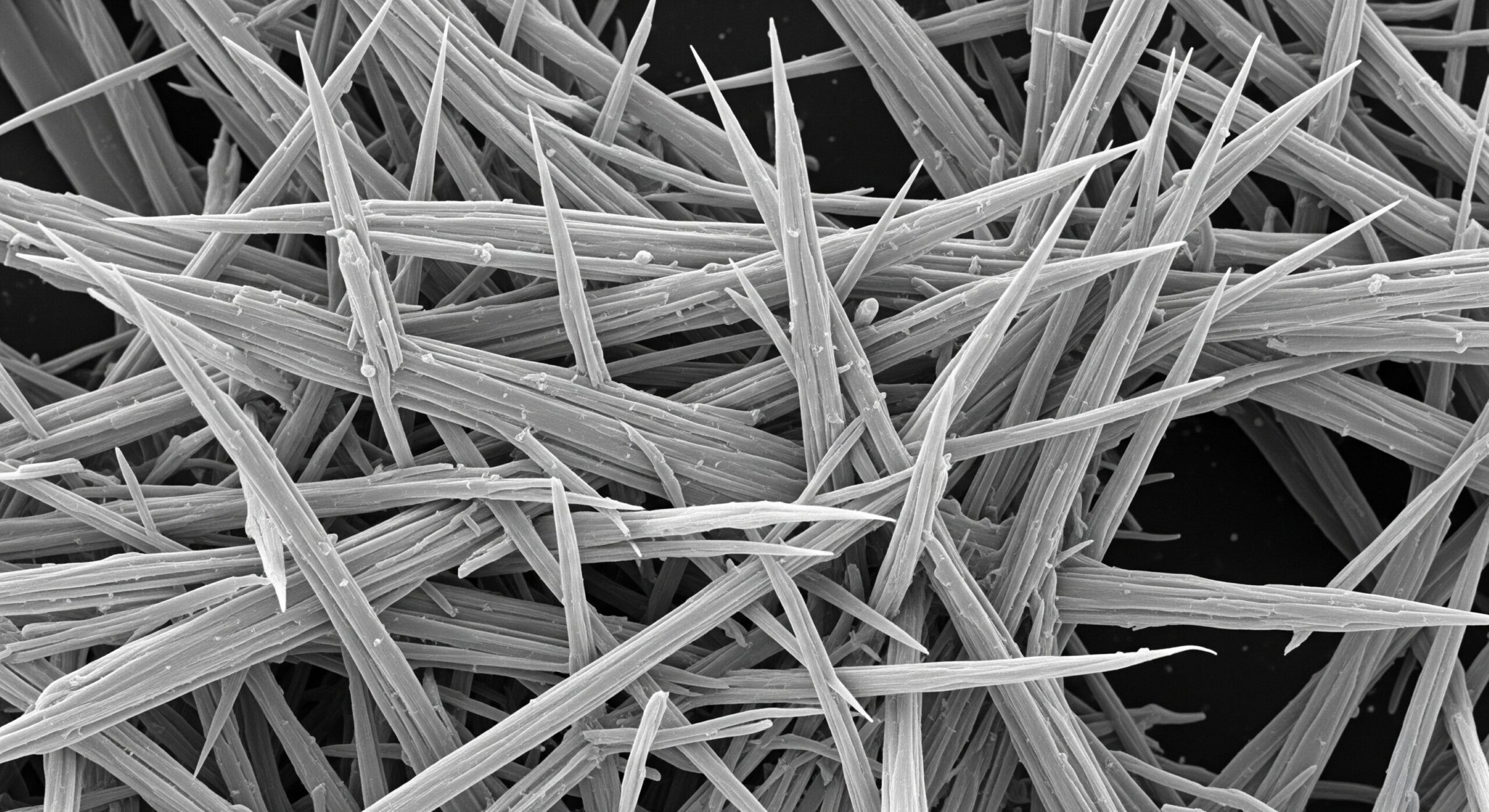
As a result, they put it in everything.
From the 1930s through the late 1970s, for instance, asbestos was the MVP of the American construction industry. Companies mixed it into cement, wove it into fabrics, and sprayed it onto ceilings. Similarly, you could find it in drywall, roof shingles, insulation around furnace pipes, and even the vinyl tiles on your basement floor.
It was cheap, effective, and ubiquitous. For this reason, the American Cancer Society notes that its widespread use means many older buildings still contain it today.
However, there was one catastrophic problem. When someone disturbs asbestos—during a renovation, a repair, or even just through natural decay—it releases microscopic, needle-like fibers into the air. These fibers are so small they can float, suspended, for hours.
Unfortunately, you can’t see them, but you can breathe them in.
“Because asbestos fibers are so small, once they are released into the air, they may stay suspended there for hours or even days.” — National Cancer Institute
The Invisible Threat to Your Health
The problem is, once they’re in your lungs, they don’t come out. Instead, they become tiny, indestructible daggers that embed themselves into the delicate lining of your lungs, abdomen, or heart.
And there they sit for decades.
Over the years, your body tries to fight them, creating inflammation and scar tissue. Eventually, this constant battle can cause healthy cells to mutate into cancer. This is the insidious nature of asbestos exposure. The damage isn’t immediate. In other words, it’s a ticking clock with a latency period that can be anywhere from 20 to 50 years. According to the CDC, the time between exposure and the first signs of disease can be as long as 50 years.
This means someone exposed as a child in the 1970s might only show mesothelioma symptoms today.
A Room-by-Room Asbestos Guide
Alright, take a deep breath. It’s time to walk through your house. You’re not going to touch anything or tear anything down; you are simply going to observe. Think of yourself as a detective, looking for clues from a bygone era of construction.
So grab a flashlight and let’s begin.
1. The Attic: Ground Zero
- What to look for: Insulation. The most infamous type is Zonolite, a pebbly, pour-in insulation that often has a silver or gold sheen and was used in millions of homes. Much of it was contaminated with tremolite asbestos. If you see this, do not disturb it. Also, look for older batt insulation that may look like dense, gray cotton candy.
- The Rule: If you don’t know what kind of insulation you have, assume it’s suspicious. The attic is not a place for DIY projects until you know for sure.
2. The Basement & Utility Room: The Engine Room
- What to look for: Pipe insulation. Look for a white, chalky-looking wrap around old furnace ducts, hot water pipes, or boilers. This is one of the most common and most “friable” (easily crumbled) forms of asbestos.
- Also look for: Older vinyl floor tiles, especially 9×9 inch tiles. The tiles themselves and the black mastic adhesive used to stick them down often contained asbestos. If they are cracked or broken, they can release fibers.
3. The Living Room & Bedrooms: The Infamous “Popcorn”
- What to look for: Textured ceilings. That bumpy, cottage-cheese-like texture popular from the 1950s to the early 80s is a prime suspect. Popcorn ceiling asbestos is incredibly common. In fact, scraping it off for a more modern look is one of the most frequent causes of household asbestos contamination.
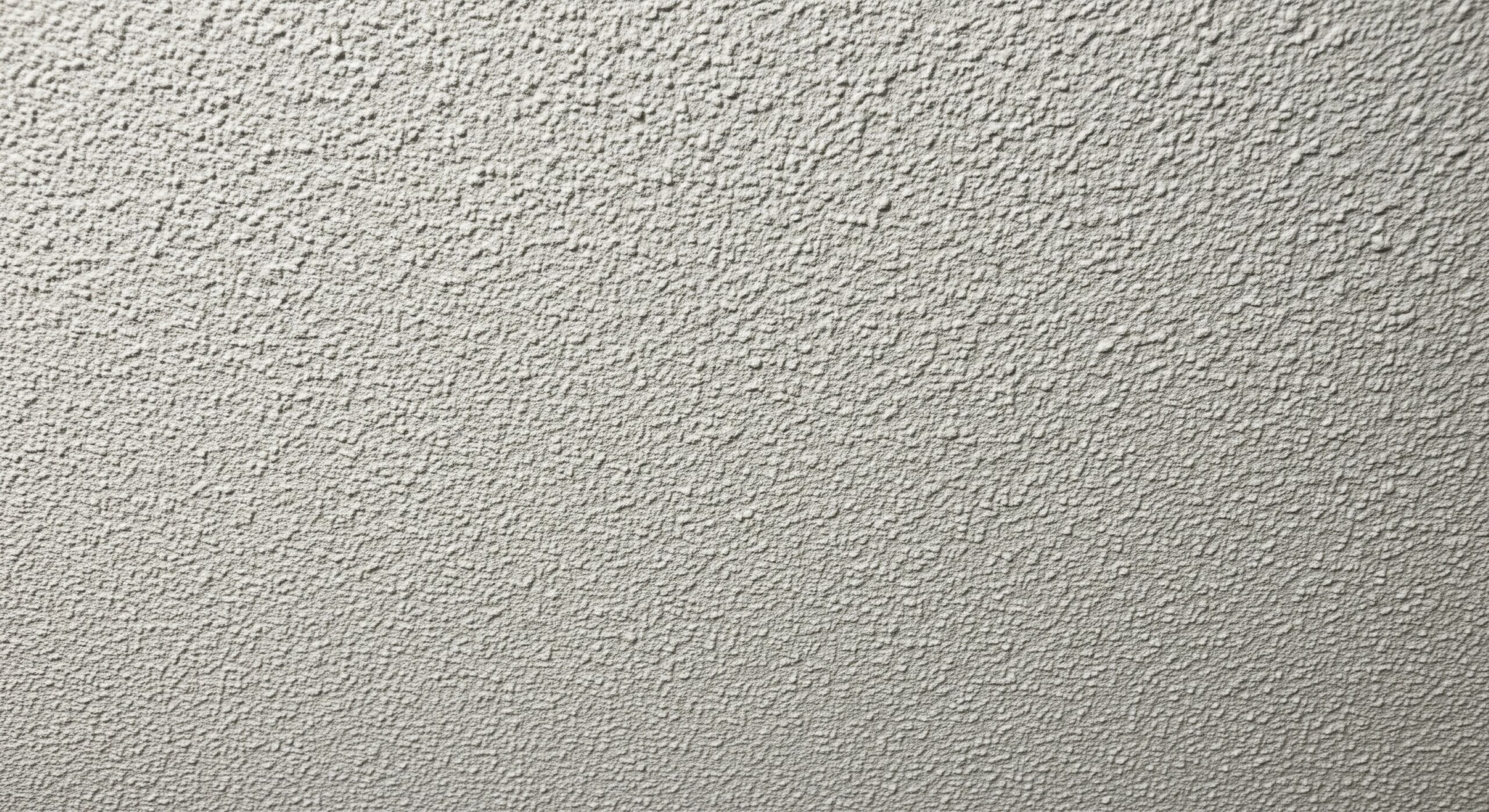
- Also look for: Drywall and joint compound. The “mud” used to tape and finish drywall sheets before the 1980s often had asbestos mixed in for strength. Sanding this down during a renovation is a high-risk activity.
4. The Kitchen & Bathroom: The Linings
- What to look for: Old linoleum or vinyl sheet flooring. The backing on these sheets often contained a layer of asbestos felt. Tearing up an old kitchen floor can be a huge mistake if you don’t know what you’re dealing with.
- Also look for: Cement sheets or millboard around old wood stoves or furnaces, and older HVAC ductwork connected with white asbestos tape.
5. The Exterior: The First Line of Defense
- What to look for: Shingles. Both roofing and siding shingles made before 1980 could be asbestos-cement products. They are generally safe unless you cut, drill, or break them.
Take a moment. Understandably, this is a lot to take in. For instance, when I first did this walkthrough in my own 1960s-era home, I felt a knot in my stomach. While it’s a normal feeling, the important thing is that you can now move from wondering to acting.
Asbestos Risk Calculator
Asbestos Risk Quick-Check
This is a simplified tool for educational purposes only and is NOT a substitute for a professional inspection. Answer the questions below to get a general idea of your potential risk level.
Should You Test for Asbestos?
You’ve done your inspection and found some suspicious materials. So, now what?
You might be tempted to go online and buy a DIY asbestos testing kit. It seems easy and cheap.
Do not take your own sample. The simple act of cutting or scraping materials can release dangerous fibers into the air. For your family’s safety, this crucial step should only be handled by a certified professional following OSHA guidelines.
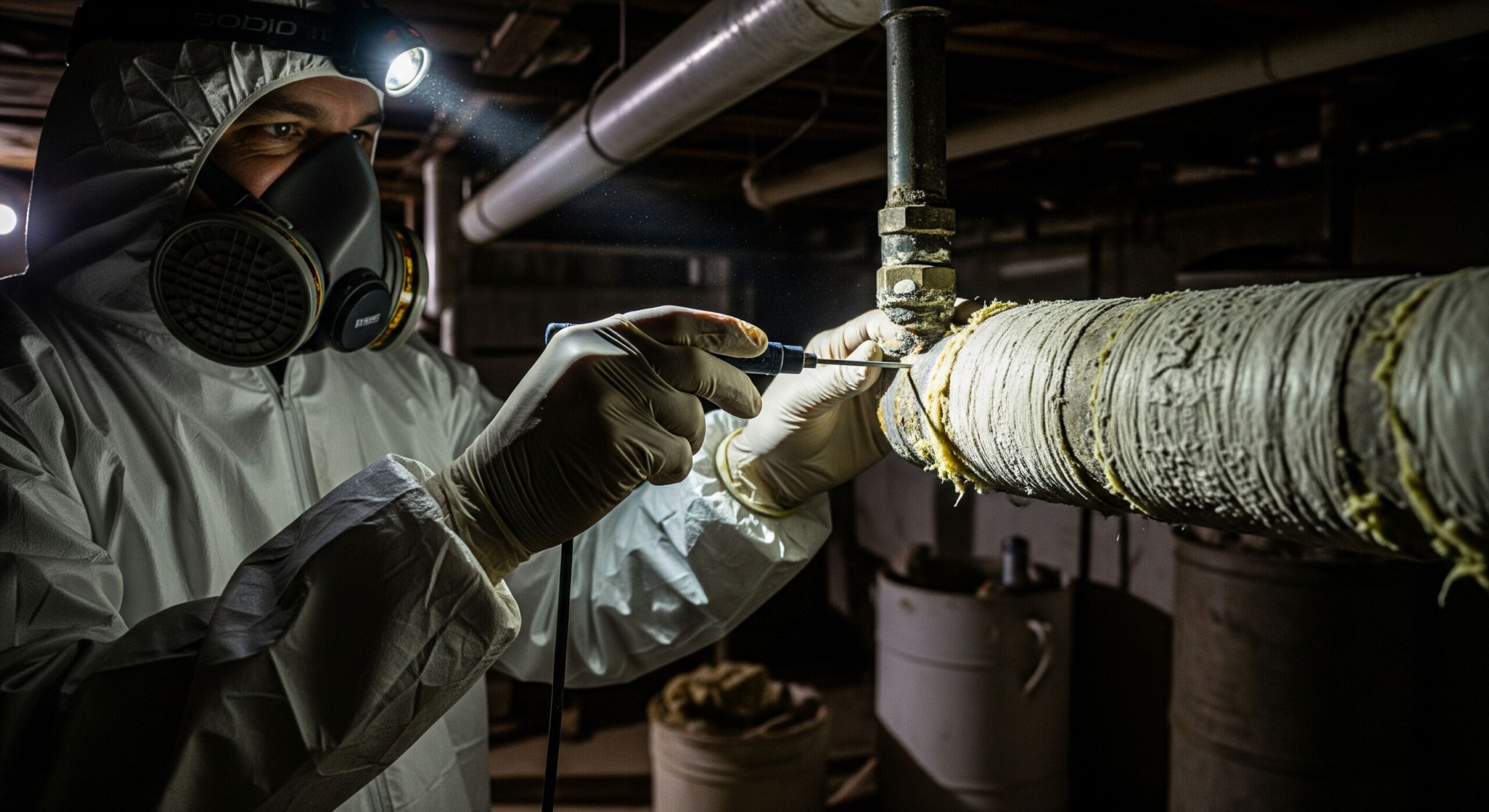
This is a job for professionals. Period.
- Find a Certified Inspector: First, search for an environmental testing company in your area that is specifically certified for asbestos assessment. These inspectors are trained to take samples safely without cross-contamination.
- The Process: A professional will come to your home, often in protective gear. They will then seal off the area, wet the material to prevent dust, and carefully take a small, sealed sample.
- Lab Analysis: Afterwards, the inspector sends the sample to a certified lab for Polarized Light Microscopy (PLM), the standard method for identifying asbestos fibers.
- The Report: Finally, you will get a definitive report that tells you yes or no, what type of asbestos is present, and its percentage in the material.
While this service does cost money—typically a few hundred dollars—it’s perhaps the most important investment you’ll ever make in your home. It’s the price of certainty and peace of mind.
What to Do If Your Test Is Positive
The report comes back, and your heart sinks. It’s positive.
First, the good news: asbestos that is in good condition and left undisturbed generally isn’t a threat. However, the danger comes from the fibers becoming airborne. The professional who did the testing can advise you on the risk level. However, if the material is damaged, or if you are planning a renovation, you have two main options:
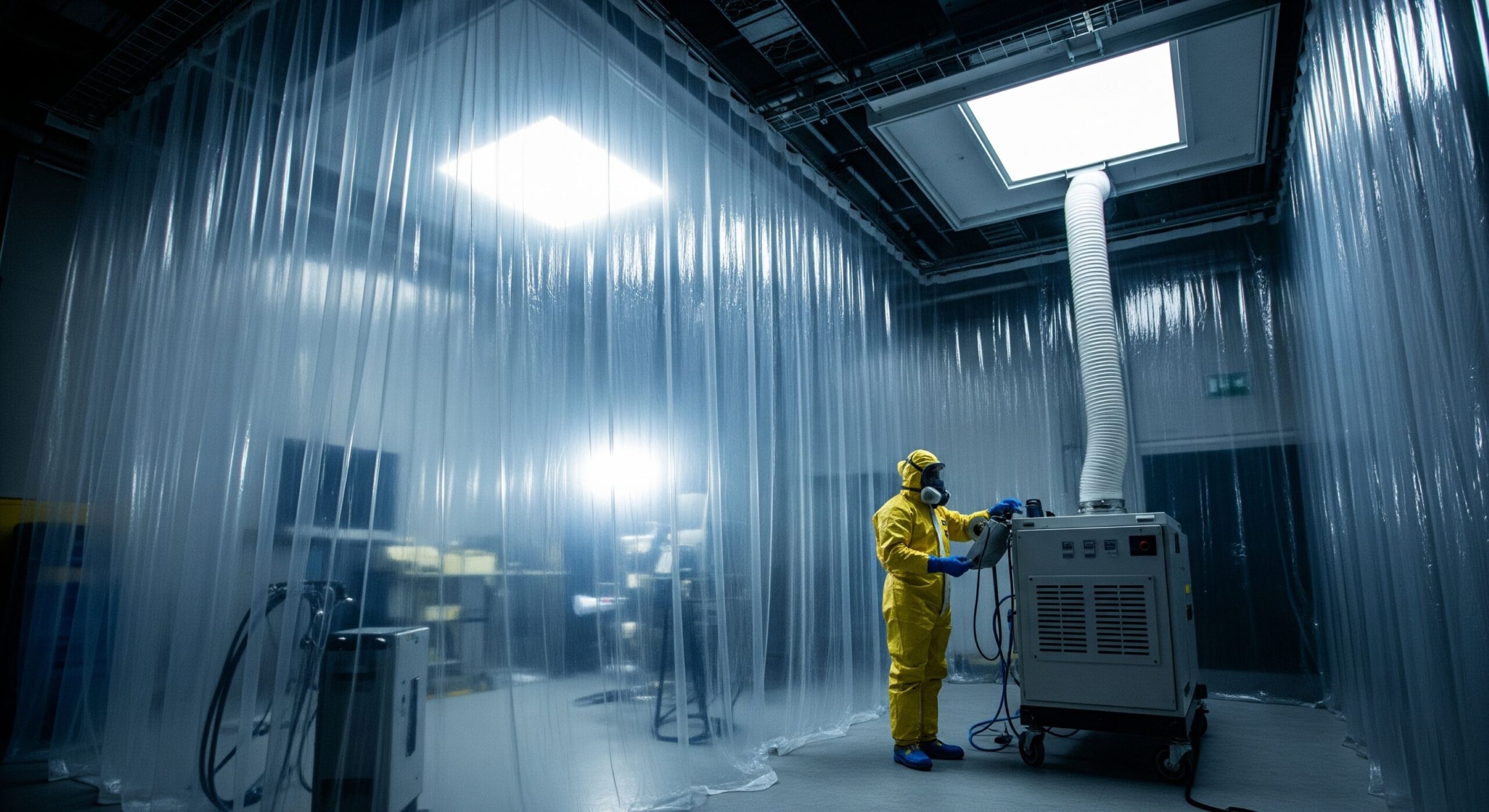
- Encapsulation: This process involves sealing the material so fibers cannot be released. A professional can do this with a special paint-like sealant or by covering it with a new, safe material (like installing a new ceiling over a popcorn one). This is often a cheaper and safer option for materials in good condition.
- Abatement (Removal): This is the complete removal of the asbestos-containing material. This is an expensive and serious undertaking that only a licensed and certified asbestos abatement contractor should perform. They will use hazmat suits, negative air pressure machines, and completely seal off that part of your home to ensure not a single fiber escapes.
Once again, this is not a DIY job. The regulations are strict for a reason. An improper removal can be more dangerous than leaving the material alone.
Case Study: A DIY Renovation Gone Wrong
To illustrate the risk, consider this scenario. Dave and Sarah Miller of Columbus, Ohio, were thrilled. They’d just bought their dream fixer-upper, a 1972 split-level. Their first project was turning a spare bedroom into a nursery. Dave, a weekend warrior, started by tearing down a wall and scraping the bumpy “popcorn” texture from the ceiling. Dust filled the air.
Days later, a retired contractor friend stopped by. He took one look at the fine white dust coating everything and his face went pale. “Stop. Right now,” he said. On his advice, they hired a certified inspector. The tests confirmed his fears: the ceiling texture and the drywall joint compound were loaded with asbestos. Consequently, the nursery, and much of the house, was now a contaminated zone. The abatement cost thousands of dollars and delayed their project by months. “It was terrifying,” Sarah later said. “We almost did the exact opposite of making a safe room for our baby. That contractor may have saved our child’s future health.”
Health, Rights, and Your Future
Now, we need to discuss the hardest part. If your home has asbestos, you and your family have likely been exposed. The level of that exposure depends on many factors, and it absolutely does not mean you will get sick. In fact, the vast majority of people with low-level household exposure do not.
“There is no known safe level of asbestos exposure.” — U.S. Environmental Protection Agency (EPA)

This is where you must become your family’s fiercest advocate.
Taking Action: Health and Legal Steps
- Talk to Your Doctor: Be upfront. Tell them about the presence of asbestos in your home and your history there. The Mayo Clinic states that symptoms like a painful cough, shortness of breath, or lumps under the skin on the chest are reasons to see a doctor, especially with a history of exposure. Above all, early detection is critical.
- Understand Your Rights: This is not about a lawsuit; it’s about justice and securing your family’s future. Mesothelioma is a devastating diagnosis with overwhelming medical bills. For decades, many companies that manufactured asbestos products knew about the dangers but hid the information to protect their profits.
- Seek Expert Counsel: If you or a loved one is ever diagnosed, you must speak with a mesothelioma law firm. These are specialized attorneys who understand the complex history of asbestos use and know how to trace your exposure back to the responsible companies. They work to secure asbestos compensation that can cover medical treatments, lost wages, and provide for your family. This is not ambulance chasing; rather, it is about holding those who caused harm accountable.
The Generational Echo: Secondhand Exposure
One of the most tragic aspects of asbestos exposure is its ability to travel. For example, before regulations tightened in the 1980s, workers in high-risk jobs—construction, shipbuilding, insulation—would come home covered in dust. They would hug their children. Then, their wives would shake out their work clothes before doing the laundry, unknowingly creating a toxic cloud in their own homes. This “secondhand” exposure has led to countless cases of mesothelioma in family members who never set foot on a construction site. It’s a heartbreaking reminder that this danger doesn’t always stay where you think it is.
Bonus: Asbestos Myths vs. Facts
Navigating the topic of asbestos can feel like walking through a minefield of misinformation. Therefore, let’s clear the air and bust some common myths.
Myth #1: “If my home has asbestos, it’s a death sentence.”
Fact: This is the most common fear, and thankfully, it’s untrue. The vast majority of people living in homes with undisturbed asbestos will not develop an asbestos-related disease. Instead, the risk increases significantly with the concentration of fibers in the air and the duration of exposure. Therefore, the key word is undisturbed. Asbestos that is in good, solid condition and left alone poses a minimal risk.
Myth #2: “It’s much cheaper and safer to remove it myself.”
Fact: This is arguably the most dangerous myth. Improper removal is more hazardous than leaving the asbestos in place. Without proper containment and equipment, you will contaminate your entire home with microscopic fibers, putting your family at a far greater risk than before. For this reason, this is a job for licensed professionals only.
Myth #3: “I’m safe as long as I don’t touch it.”
Fact: Although direct disturbance is the primary cause of fiber release, it’s not the only one. Over time, materials degrade. For instance, water damage can cause asbestos-containing materials to crumble. Even vibrations from drilling a hole can release fibers. It’s important to understand that these materials are not always inert.
Myth #4: “My home was built in 1985, so it’s safe.”
Fact: This is a common misconception. Although the EPA banned many asbestos products in the ’70s, the U.S. has never implemented a complete ban. More importantly, contractors in the early 80s may have been using up their existing stock of older materials. While the risk is significantly lower, you can’t be 100% certain without testing.
Frequently Asked Questions (FAQ)
How much does asbestos testing and removal cost?
Costs vary widely by region and the scope of the job. Professional testing can range from $250 to $750. Removal (abatement), on the other hand, is much more expensive. A small project, like removing pipe insulation, might cost $1,500. A large project, like removing a popcorn ceiling from an entire house, can easily cost $15,000 to $30,000. For this reason, you should always get multiple quotes from licensed contractors.
Do I have to disclose that my home has asbestos if I sell it?
In most states, yes. Real estate disclosure laws typically require sellers to disclose any known material defects about a property, and the presence of asbestos is almost always considered a material defect. Failing to disclose it can lead to serious legal trouble after the sale. In short, it’s best to be transparent.
Can I live in my house during asbestos removal?
We strongly recommend that you do not. Professional abatement companies will completely seal off the work area with plastic sheeting and use negative air pressure to prevent fibers from escaping. However, for your family’s safety and peace of mind, you should plan to stay elsewhere until the project is complete and the air has been professionally tested for clearance.
What’s the difference between “friable” and “non-friable” asbestos?
This is a critical distinction. Friable asbestos can be crumbled or reduced to powder by hand pressure when dry. Examples include popcorn ceilings and old pipe insulation. This type is much more dangerous because fibers can become airborne easily. Non-friable asbestos, in contrast, is bound into a solid material, like vinyl floor tiles or cement siding, and does not release fibers unless it is drilled, cut, sanded, or broken.
Sources & References
This article was compiled using information from the following reputable health and safety organizations:
- U.S. Environmental Protection Agency (EPA) – Learn About Asbestos
- Occupational Safety and Health Administration (OSHA) – Asbestos
- Mayo Clinic – Mesothelioma
- National Cancer Institute – Asbestos Exposure and Cancer Risk
- American Cancer Society – Asbestos and Cancer Risk
- Agency for Toxic Substances and Disease Registry (ATSDR/CDC) – Asbestos Health Effects
Your Home’s Story: A Safe Ending
Ultimately, your home is more than just wood, plaster, and nails. It’s the backdrop to your life’s story—a place that should represent safety, comfort, and peace.
Discovering that it might contain a hidden danger is deeply unsettling. However, by reading this guide, you have armed yourself with knowledge. You have moved from a place of vague anxiety to one of empowered action.
As a result, you now know where to look, who to call, and the right questions to ask, moving you out of the dark.
Take that knowledge and use it. Walk through your home, not with fear, but with the sharp eyes of a protector. Make the call. Get the test. Reclaim your peace of mind and ensure the story of your home is a long, healthy, and happy one. Remember, you are not alone in this.
The Home Asbestos Danger Zones
An Interactive Guide for Homeowners built before the 1980s. Click on each section to reveal details.
1. The Attic: Insulation & Vermiculite
Ground Zero for Friable Asbestos
The attic often contains the most dangerous, easily crumbled (friable) materials.
- Zonolite Insulation: Pebbly, pour-in insulation that can have a silver or gold sheen. Highly likely to be contaminated.
- Older Batt Insulation: Look for dense, gray-colored materials that resemble cotton candy.
2. Basement & Utility: Pipes & Flooring
The Engine Room’s Hidden Threat
Areas housing mechanical systems frequently used asbestos for heat and fire resistance.
- Pipe Insulation: White, chalky wrap around boilers, hot water pipes, and ducts. Very friable when damaged.
- Vinyl Floor Tiles: Especially 9×9 inch tiles from the era, including the black mastic adhesive underneath.
3. Living Spaces: Ceilings & Walls
The Infamous Popcorn Ceiling
Renovations in these areas are high-risk due to widespread use in finishing materials.
- Textured Ceilings: Bumpy, cottage-cheese texture (Popcorn/Acoustic). Scraping or water damage is dangerous.
- Drywall Joint Compound: The ‘mud’ used to seal seams between drywall sheets often contained asbestos for strength.
4. Kitchen & Bath: Linings & Cement
Look Beneath the Surface
Asbestos was used in flooring materials, often in the backing layer, and near heat sources.
- Sheet Flooring Backing: The felt backing of old linoleum or vinyl sheet flooring is a common culprit.
- Cement Sheets: Boards or millboard found near furnaces or wood stoves used for heat shielding.
5. The Exterior: Siding & Roofing
The First Line of Defense
These materials are typically non-friable (safer) unless they are actively broken or worked on.
- Roofing Shingles: Older asphalt or cement roofing shingles.
- Siding Shingles: Asbestos-cement siding is strong and fire-resistant but releases fibers when cut or drilled.
CRITICAL WARNING: SAFETY FIRST
Never Sample Asbestos Yourself!
The single most dangerous action is disturbing the material without proper precautions.
- Danger: Cutting, scraping, or sanding releases microscopic fibers into the air, contaminating your home.
- Action: If you suspect asbestos, hire a certified inspector for safe testing and lab analysis.
- Safety: Undisturbed, materials are usually safe. Only disturb it if a professional is handling the removal (abatement).