
Ever been in a crowded room, trying to catch every word, but it all just blends into noise? Or maybe you’ve watched a loved one slowly withdraw because they can’t quite follow conversations anymore. It’s heartbreaking, right? Hearing loss isn’t just about missing sounds; it’s about missing connections, missing moments, and sometimes, missing out on life itself. That’s where an amazing profession steps in: the audiologist career.
You might think of an audiologist as someone who just fits hearing aids, and while that’s certainly part of it, it’s like saying a chef just heats food. There’s so much more going on behind the scenes! These highly skilled healthcare professionals are literally changing lives by restoring one of our most precious senses. If you’re someone who loves science, thrives on helping others, and is looking for a dynamic and deeply rewarding career, then becoming an audiologist might just be your perfect fit. Let’s pull back the curtain and see what this incredible path really entails.
What Does an Audiologist Actually Do? More Than Just Hearing Aids!
Here’s the thing: an audiologist is essentially a primary healthcare provider for everything related to hearing and balance. They’re not just handing out devices; they’re detectives, diagnosticians, therapists, and educators all rolled into one. Think about it: our ears are incredibly complex, housing not just our hearing system but also our vestibular system, which controls balance. When something goes wrong in either, an audiologist is often the first person you’d see.
Diagnosing Hearing & Balance Disorders: The Detective Work
When someone suspects they have a hearing issue or feels dizzy, an audiologist is the expert who figures out exactly what’s going on. They use a battery of sophisticated tests and equipment to pinpoint the problem. You’re talking about pure-tone audiometry, speech testing, otoacoustic emissions (OAEs), and auditory brainstem responses (ABRs), just to name a few. It’s a bit like being a sound engineer and a neurologist combined. They can differentiate between conductive hearing loss (problems with sound getting to the inner ear), sensorineural hearing loss (inner ear or nerve issues), and even central auditory processing disorders, which affect how the brain interprets sound.
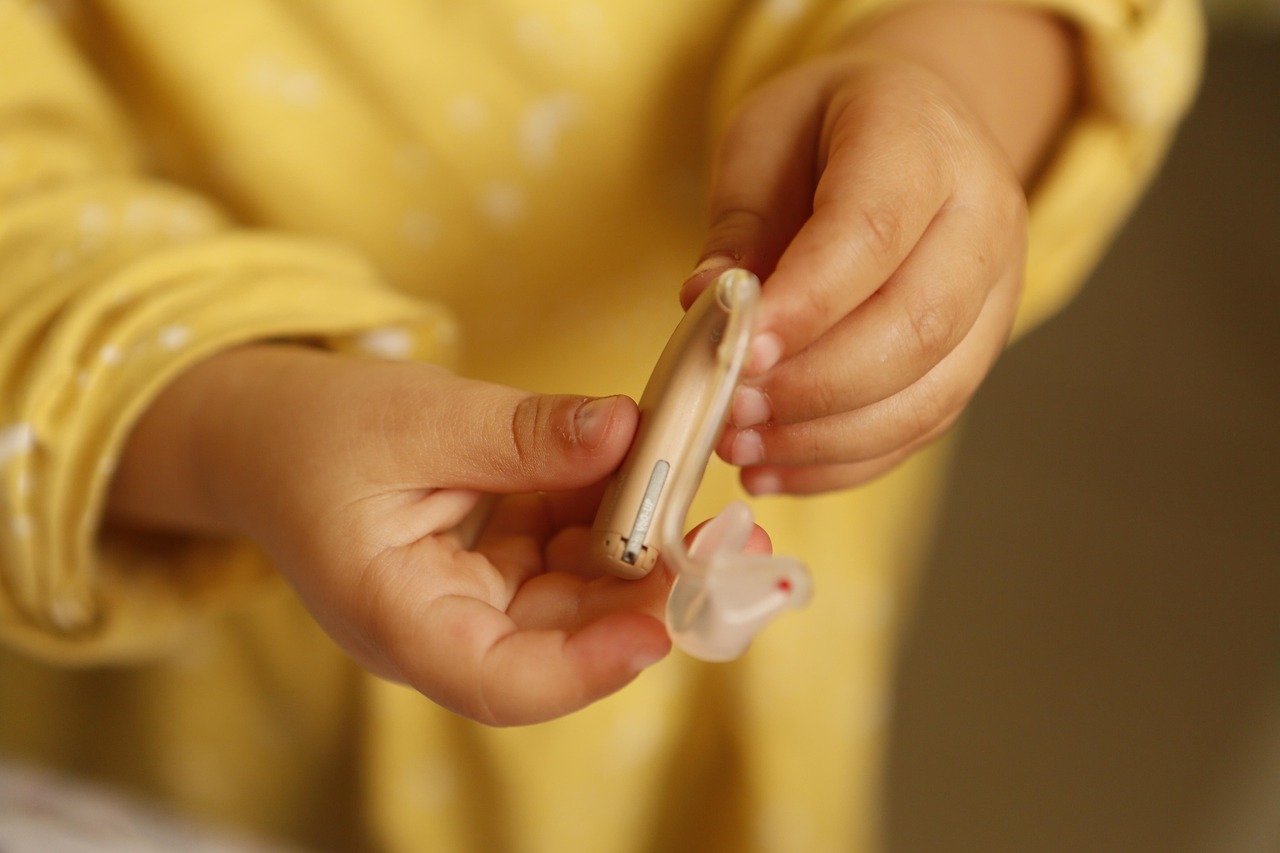
Pro Tip: An audiologist’s diagnostic skills are crucial not just for adults, but for infants and children too. Early detection of hearing loss in kids can drastically improve their speech and language development outcomes. You get to be part of that life-changing intervention!
Treatment and Rehabilitation: Restoring Connection
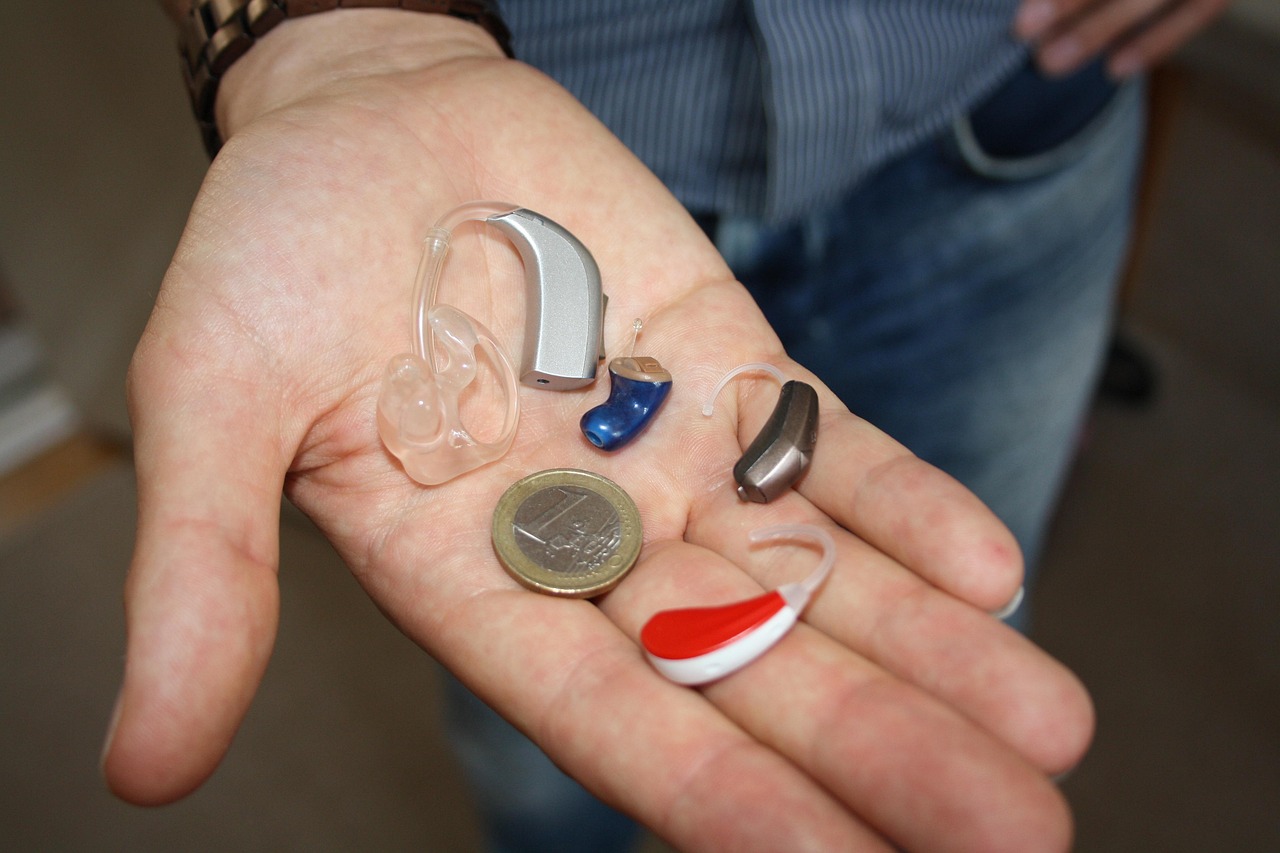
Once a diagnosis is made, the real magic happens. Audiologists don’t just identify the problem; they create personalized solutions. This could involve fitting and programming hearing aids tailored to an individual’s unique hearing loss and lifestyle. But wait, there’s more! They also work with cochlear implants, which are advanced devices for severe-to-profound hearing loss. They provide aural rehabilitation, teaching patients strategies to communicate better, manage tinnitus (ringing in the ears), and cope with dizziness or balance issues. It’s about empowering people to reconnect with their world.
Beyond the Clinic: Prevention and Education
An audiologist’s role isn’t always reactive. A significant part of the job involves prevention. They educate patients about noise-induced hearing loss, recommending hearing protection for musicians, factory workers, or even just concert-goers. Think about all those construction workers, or even people enjoying a loud hobby. Recent research from the World Health Organization (WHO) highlights that over a billion young people are at risk of hearing loss due to unsafe listening practices. Audiologists are on the front lines, helping people keep their hearing healthy for longer. They also advise on assistive listening devices like amplified phones or specialized alarm clocks, ensuring every patient has the tools they need to live fully.
Your Roadmap to Becoming an Audiologist: Education & Licensure
Becoming an audiologist isn’t just a walk in the park; it requires serious dedication and a deep commitment to learning. This isn’t a two-year associate’s degree path. You’re looking at a doctoral-level profession, which means a rigorous academic journey. But trust me, every bit of hard work is worth it when you see the relief on a patient’s face.
The AuD Degree: What to Expect
To practice audiology in the United States, you’ll need a Doctor of Audiology (AuD) degree. This typically involves four years of graduate study after earning your bachelor’s degree. During these years, you’ll dive deep into subjects like anatomy and physiology of the auditory and vestibular systems, psychoacoustics, diagnostic procedures, hearing aid technology, cochlear implants, and aural rehabilitation. It’s intense, yes, but incredibly fascinating. You’ll spend countless hours in labs, learning how to operate complex equipment and interpret results. Plus, a huge component of the AuD program is clinical rotations, where you gain hands-on experience under the supervision of seasoned audiologists. You’ll work with real patients, from tiny newborns to the gracefully aged, getting a feel for different settings and challenges.
Getting Licensed and Certified: Your Professional Passport
Once you’ve earned your AuD, you’re not quite done. You’ll need to obtain state licensure to practice, which typically involves passing a national examination. Many audiologists also pursue board certification through the American Board of Audiology (ABA) or a Certificate of Clinical Competence in Audiology (CCC-A) from the American Speech-Language-Hearing Association (ASHA). These certifications aren’t always mandatory for practice, but they signal a commitment to professional excellence and often open more doors. Think of it as earning your professional passport – it shows you’re ready to make a real impact.
Continuous Learning: Staying Sharp in a Dynamic Field
The world of hearing health is constantly evolving, with new technologies and research emerging all the time. That’s why audiologists are lifelong learners. You’ll participate in continuing education credits to maintain your license and certifications, keeping your skills sharp and your knowledge current. This could mean attending conferences, taking online courses, or engaging in research. It’s a field where complacency just isn’t an option, which is great if you love to learn and grow!
The Traits of a Great Audiologist: Skills You’ll Need to Thrive
So, you’re thinking about diving into an audiologist career. Beyond the degrees and certifications, what kind of person really shines in this field? It’s not just about being smart; it’s about being human. You know what I mean?
Empathy and Communication: Connecting with Patients
This is probably one of the most vital skills. Imagine being a patient, feeling isolated because you can’t hear your grandkids, or embarrassed because you keep asking people to repeat themselves. You need an audiologist who not only understands the science but also understands *you*. Being a good listener (pun intended!) and a clear, compassionate communicator is paramount. You’ll need to explain complex diagnoses in simple terms, answer endless questions with patience, and offer emotional support. It’s about building trust and making patients feel heard, even before their hearing improves.

Analytical Minds and Problem Solvers: Diagnosing Complex Issues
While empathy is crucial, you’ve also got to be sharp. Audiology is a science-driven field that demands a strong analytical mind. You’ll be interpreting intricate audiograms, analyzing balance test results, and troubleshooting highly technical hearing devices. Sometimes, a patient’s symptoms won’t fit a neat little box, and you’ll need to use your critical thinking skills to piece together the puzzle. If you love solving mysteries and piecing together data points to form a clear picture, you’ll thrive here.
Patience and Precision: The Art of Aural Care
Working with hearing and balance can sometimes be a delicate dance. Fitting a hearing aid perfectly often requires multiple adjustments. Explaining the nuances of tinnitus management might take several sessions. Testing a child’s hearing can require immense patience and creative engagement. You need precision in your measurements, patience in your explanations, and persistence in finding the best solution for each unique individual. It’s not a rush job; it’s about meticulous care.
A Day in the Life: Where Your Audiology Career Can Take You
One of the cool things about an audiologist career is the variety of environments you can work in. It’s not a one-size-fits-all job, which means you can really tailor your path to what excites you most. Think about it this way: your skills are in demand in so many different places!
Clinical Settings: Hospitals, Private Practices, ENTs
Most audiologists work in clinical settings. This could be a bustling hospital, where you’re part of a multidisciplinary team, perhaps working alongside ear, nose, and throat (ENT) doctors, neurologists, or even speech pathologists. You might be conducting newborn hearing screenings, evaluating vertigo patients, or managing complex hearing loss cases. Then there are private practices, which often offer a more intimate, patient-focused experience, allowing you to build long-term relationships. Or you could be in an ENT office, providing the crucial diagnostic and rehabilitative services that complement the physician’s medical care.
Educational and Research Roles: Shaping the Future
If you have a passion for teaching or uncovering new knowledge, an audiology career can take you into academia or research. You could become a professor, training the next generation of audiologists, or conduct groundbreaking research into new treatments for hearing loss, balance disorders, or tinnitus. Imagine being part of the team that develops the next big innovation in cochlear implant technology or discovers new ways to prevent hearing damage. That’s a pretty exciting prospect, right?
Niche Specialties: From Tinnitus to Vestibular Care
The field of audiology is broad, and many audiologists choose to specialize. You could become an expert in pediatric audiology, focusing on the unique needs of children. Or maybe you’re fascinated by the complexities of balance disorders and dedicate your practice to vestibular audiology, helping patients overcome debilitating dizziness. Some audiologists specialize in tinnitus management, providing relief for those plagued by persistent ear ringing. You could even work in forensics, providing expert testimony related to hearing damage, or in industrial audiology, designing hearing conservation programs for companies. The options are truly diverse.
The Impact and Outlook: Why Audiology is a Rewarding Choice
Let’s get real. Beyond the science and the technical skills, what really makes an audiologist career so special? It boils down to making a profound difference in people’s lives. And guess what? The job market looks pretty good too!
Making a Real Difference: Restoring Connection
Think back to that feeling of isolation or frustration from not being able to hear properly. Now, imagine being the person who helps someone overcome that. You get to witness the moment a child hears their parent’s voice clearly for the first time with a new device, or when an elderly person can finally rejoin family conversations. That’s an incredible privilege. Audiologists don’t just fix ears; they restore relationships, boost confidence, and give people back a vital part of their identity. You’re helping people reconnect with the world and with each other. That’s a feeling few professions can offer.
Job Growth and Demand: A Stable Future
The truth is, an audiology career offers a very positive job outlook. The U.S. Bureau of Labor Statistics projects significant growth for audiologists in the coming years. Why? Well, two big reasons. First, our global population is aging. As people live longer, the prevalence of age-related hearing loss naturally increases. Second, there’s a growing awareness of hearing health and the importance of early intervention, which means more people are seeking audiological services. This means good news for you: a stable career with plenty of opportunities.
Quick Takeaway: With an aging population and increased awareness of hearing health, the demand for qualified audiologists is expected to remain strong, offering job security and diverse opportunities.
Addressing Common Myths: It’s Not Just About Old Age
One common misconception is that hearing loss only affects older people. Nope! While it’s more prevalent with age, hearing loss can affect anyone, at any age. Birth defects, genetic conditions, loud noise exposure, certain medications, and even illnesses can all lead to hearing impairment in children, teenagers, and young adults. As an audiologist, you’ll work with a diverse patient population, debunking myths and providing care across the lifespan. It’s a varied and engaging field, far from being solely focused on geriatric care.
Conclusion: Is an Audiologist Career Your Next Big Adventure?
So, there you have it. The audiologist career path is more than just a job; it’s a profound journey of science, compassion, and innovation. You get to blend cutting-edge technology with genuine human connection, making a tangible difference in people’s lives every single day. If you’re looking for a challenging yet incredibly fulfilling profession where you can apply your intelligence and your heart, then audiology deserves a serious look. It’s about empowering people to hear the world, engage with loved ones, and live their lives to the fullest. Could there be anything more rewarding than that? If this sounds like your kind of impact, start exploring AuD programs today. The world needs more people like you, ready to help others hear what they’ve been missing.
References
- American Speech-Language-Hearing Association (ASHA). (n.d.). Audiology. Retrieved from https://www.asha.org/aud/
- U.S. Bureau of Labor Statistics. (2023, September 6). Audiologists. Occupational Outlook Handbook. Retrieved from https://www.bls.gov/ooh/healthcare/audiologists.htm
- World Health Organization (WHO). (2022, March 2). One billion young people at risk of hearing loss from unsafe listening practices. Retrieved from https://www.who.int/news/item/02-03-2022-one-billion-young-people-at-risk-of-hearing-loss-from-unsafe-listening-practices
- Mayo Clinic. (2024, May 18). Hearing loss. Retrieved from https://www.mayoclinic.org/diseases-conditions/hearing-loss/symptoms-causes/syc-20373072
- National Institute on Deafness and Other Communication Disorders (NIDCD). (2023, April 20). Hearing Loss and Deafness. Retrieved from https://www.nidcd.nih.gov/health/hearing-loss-and-deafness