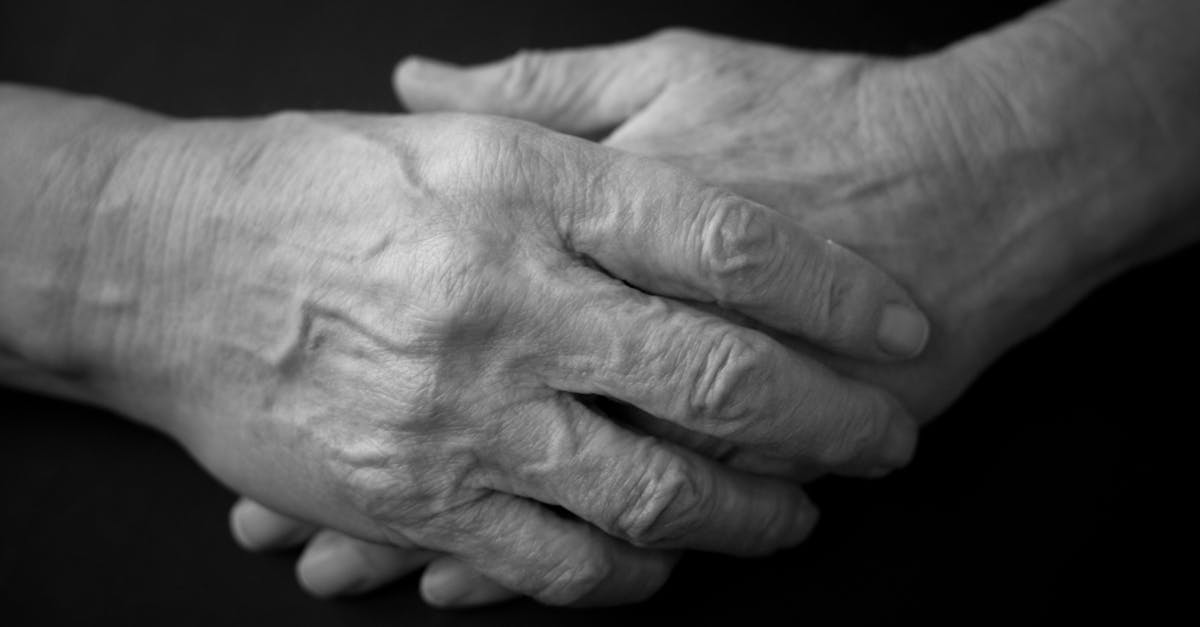

If you wake up already tired, wince when you reach for the coffee mug, and mentally rearrange your day around that familiar ache, you’re not alone. The CDC estimates that over one in five U.S. adults lives with ongoing pain, and many have “high-impact” pain that limits activities. That statistic isn’t just a number—it’s a snapshot of how chronic pain affects daily life in real, practical ways. Here’s the thing: pain isn’t only about sore joints or a cranky back. It ripples through sleep, mood, work, relationships, and even how you plan your grocery run. The good news? Small, consistent changes can stack up to big wins for function. Now, let’s talk about how to spot your biggest friction points and use evidence-backed strategies to reclaim your time, energy, and confidence.
How Chronic Pain Affects Daily Life from Morning to Night
Mornings: Stiffness, Start-Up Pain, and Energy Budgeting
You’ve probably noticed mornings often feel like moving through wet cement. Stiffness, neuropathic zings, or lingering fibromyalgia tenderness can slow everything—showering, getting dressed, even tying shoes. Think of it this way: your nervous system has its own “loading time.” Gentle motion before chores helps. Try a 5–10 minute “warm-up lap” around the home, light stretches in bed, or a warm shower to ease muscle tension. Keep commonly used items at waist height to avoid bending and reaching, and batch tasks (like packing lunch while coffee brews) to save steps.
Midday: Work, Focus, and Ergonomics
By noon, pain can chip away at focus. Research from the NIH suggests ongoing pain competes for attention, leading to brain fog and slower decision-making. A better setup helps: adjust your chair so hips are level with knees, bring screens to eye height, and use a headset to avoid phone cradling. Schedule “movement snacks” every 45–60 minutes—two minutes of gentle walking or shoulder rolls beat a single long stretch later. If your job is physical, rotate tasks to vary loads and keep a small toolkit handy: supportive footwear, wrist supports, or a back brace if your clinician recommends it.
Evenings: Fatigue, Flares, and Social Plans
By evening, many people hit the “flare zone.” You planned dinner out, but the pain scale jumped from a 3 to a 6 by 5 p.m. Here’s what most people miss: you can still say yes—just change the “how.” Pick venues with comfortable seating, shorter time frames, and easy exits. Keep a “flare kit” in your bag or car: heat pack, simple analgesics as advised, a water bottle, and a small snack to stabilize energy. Protecting tomorrow starts tonight, so wind down with a predictable routine: dim the lights, stretch gently, and park your phone away from bed.
Pro Tip: Map your “power hours.” When pain is lowest and focus is highest, schedule your most demanding task. Save low-effort wins (emails, folding laundry) for tougher hours.
The Hidden Brain Side: Memory, Mood, and Motivation
Brain Fog Is Real—And You Can Work Around It
Pain doesn’t just shout from your joints; it whispers across your brain. People report forgetfulness, trouble finding words, and slow processing. Scientists call part of this central sensitization—a hypersensitive alarm system in the nervous system. Simple supports help: keep a single to-do list, use phone reminders, and template recurring tasks (like a weekly grocery list). Break work into “sprints” (20–30 minutes) with quick resets. And if you blank on a word at dinner? Laugh it off. The stress of perfection often makes fog worse.
Mood: The Pain–Stress–Sleep Triangle
Chronic pain and mood are tightly linked. Anxiety and depression can ramp up pain sensitivity, while pain disrupts sleep, creating a loop. A 2023 review from major health organizations highlights cognitive behavioral therapy (CBT) and acceptance and commitment therapy (ACT) as helpful for both pain interference and mood. They don’t aim to “erase” pain; they help you respond to it differently, which often reduces suffering and boosts function. Mindfulness, paced breathing, and gentle yoga also lower stress hormones and calm an overactive alarm system.
Motivation vs. Avoidance: Breaking the Boom–Bust Cycle
On better days it’s tempting to do everything. Then the flare hits and you do nothing the next day. That boom–bust cycle is common. Try pacing: set a “just-right” amount of activity you can keep up on both good and bad days—then stick to it. Increase slowly, like 10% each week. It’s not weakness to stop while you still feel okay; it’s training your system to trust consistent movement.
Quick Takeaway: Treat mental focus and mood like weekly appointments. Even 10 minutes a day of CBT skills, mindfulness, or breathing is practice your nervous system remembers.
How Chronic Pain Affects Daily Life at Work and in Relationships
Workplace Wins: Rights, Routines, and Realistic Goals
Work isn’t just a paycheck—it’s identity and connection. Pain can shrink both if you don’t adjust. If you’re in the U.S., you may qualify for reasonable accommodations under the ADA: ergonomic chairs, sit–stand desks, modified schedules, or remote work options. Keep a symptom diary to identify triggers and share clear requests with HR or a supervisor: “A sit–stand desk and two 10-minute breaks would help me maintain productivity.” Then measure results so you can fine-tune.
Family Life and Caregiving—Negotiating the Load
At home, invisible labor adds up: dishes, bedtime routines, pet care. Create “low-pain defaults.” Use lighter cookware, meal kits on rough weeks, and laundry baskets with wheels. If you co-parent, swap tasks that trigger pain (you handle school emails, they handle heavy lifting). For caregivers, set a boundary budget: list non-negotiables, flexible tasks, and “nice-to-haves.” When pain spikes, trim from the last column first.
Talking About Pain Without Guilt
People can’t help if they don’t know what you need. Scripts help: “I want to come, but I’ll need a chair with back support,” or “I can help set up if I can sit during the event.” You’re not being difficult—you’re being clear. And clarity keeps relationships strong.
Pro Tip: Use the 2×2 check-in: What’s one thing that would make work/home 2% easier this week, and one thing that would make it 2% more enjoyable? Small levers move big outcomes.
How Chronic Pain Affects Daily Life: Sleep, Movement, and Flares
Sleep: The Nighttime Reset Your Nervous System Needs
Pain and poor sleep feed each other. If you’re waking at 3 a.m., you’re not weak—you’re human. CBT-I (cognitive behavioral therapy for insomnia) has strong evidence for improving sleep in chronic pain. Start with a wind-down window: 30–60 calm minutes where lights are low and screens are out of reach. Keep the bedroom cool and dark. If you can’t sleep after 20–30 minutes, get up and read something low-stakes until you feel drowsy again. During flares, stack comfort: heat or cold as advised, pillows for joint support, and paced breathing to quiet the stress response.
Movement: Graded Activity Beats All-or-Nothing
Exercise helps pain for many conditions—low back pain, osteoarthritis, fibromyalgia—when it’s graded and tailored. Cochrane reviews show small-to-moderate improvements in function with consistent exercise therapy. Start with “micro-workouts”: 5 minutes of walking, two sets of 6 bodyweight moves, or pool walking. Gradually build time or intensity, not both. Pair movement with something you like—music, a podcast, or a favorite view—so your brain links exercise to reward, not punishment.
Flares: Plan Ahead So You Don’t Panic
Flares happen, even when you’re doing everything “right.” Use a traffic-light plan:
- Green: Regular routines; build strength and stamina.
- Yellow: Scale to 60–80% of normal; add extra rest breaks.
- Red: Protect sleep, simplify meals, and use your flare kit. Keep gentle mobility so you don’t lock up.
Write your plan down. In a flare, it’s hard to remember good ideas.
Quick Takeaway: Aim for “some, not none.” On bad days, do the smallest version of your plan—a 3-minute stretch still counts as keeping the habit alive.
Treatments That Help Function (Not Just Pain Scores)
Non-Drug Tools with Solid Support
Guidelines from WHO, NICE, and major health systems recommend non-drug strategies early and often. That includes:
- Physical therapy: Mobility, strength, and posture work tailored to your condition.
- CBT or ACT: Skills to change your response to pain, reduce fear-avoidance, and improve daily function.
- Mindfulness and relaxation: Breathing, body scans, tai chi, or yoga to calm an overactive nervous system.
- Education: Learning how pain works reduces fear and gives you back a sense of control.
These don’t mean “the pain is in your head.” They target the brain–body loop that amplifies pain. Many people see better sleep, more steps, and less flare anxiety within weeks.
Medications: A Targeted, Safety-First Approach
Medication can be part of the mix—ideally with clear goals focused on function. Options your clinician may consider include acetaminophen, certain NSAIDs, topical agents, and specific nerve-pain medications. Opioids carry risks and are usually reserved for select cases with close monitoring, aligned with guidelines. Keep a simple tracker: dose, timing, benefit, side effects, and impact on activities like walking distance or work hours.
Devices and Self-Care: Small Helpers, Big Wins
Heat wraps, cold packs, and TENS units can take the edge off and help you move. Ergonomic tools—jar openers, reachers, lumbar supports—reduce joint strain. Compression sleeves or braces may help for certain conditions if recommended by your clinician. None of these fix everything, but together they raise your “functional ceiling.”
Myth to skip: “If it hurts, I should rest until it’s gone.” Total rest often backfires. Gentle, regular movement is your friend, even during flares—just scale it.
Pro Tip: Set “function goals,” not just pain goals. For example, “Climb one flight of stairs without stopping,” or “Cook dinner twice this week with one rest break.”
How Chronic Pain Affects Daily Life: Build a Plan You Can Stick With
Pacing With an Energy Budget
Think of your daily energy like a bank account. Every task makes a withdrawal. When you overspend, your nervous system slaps you with overdraft fees (hello, flare). Budget in advance:
- Assign “costs” to common tasks (shower = $2, grocery = $5).
- Cap your daily spend and add a 10–20% buffer for surprises.
- Deposit energy with short rests, hydration, and humor. Yes, humor counts.
Use timers for planned pauses and 30–90 second “reset breaths” between tasks.
Food, Hydration, and Inflammation
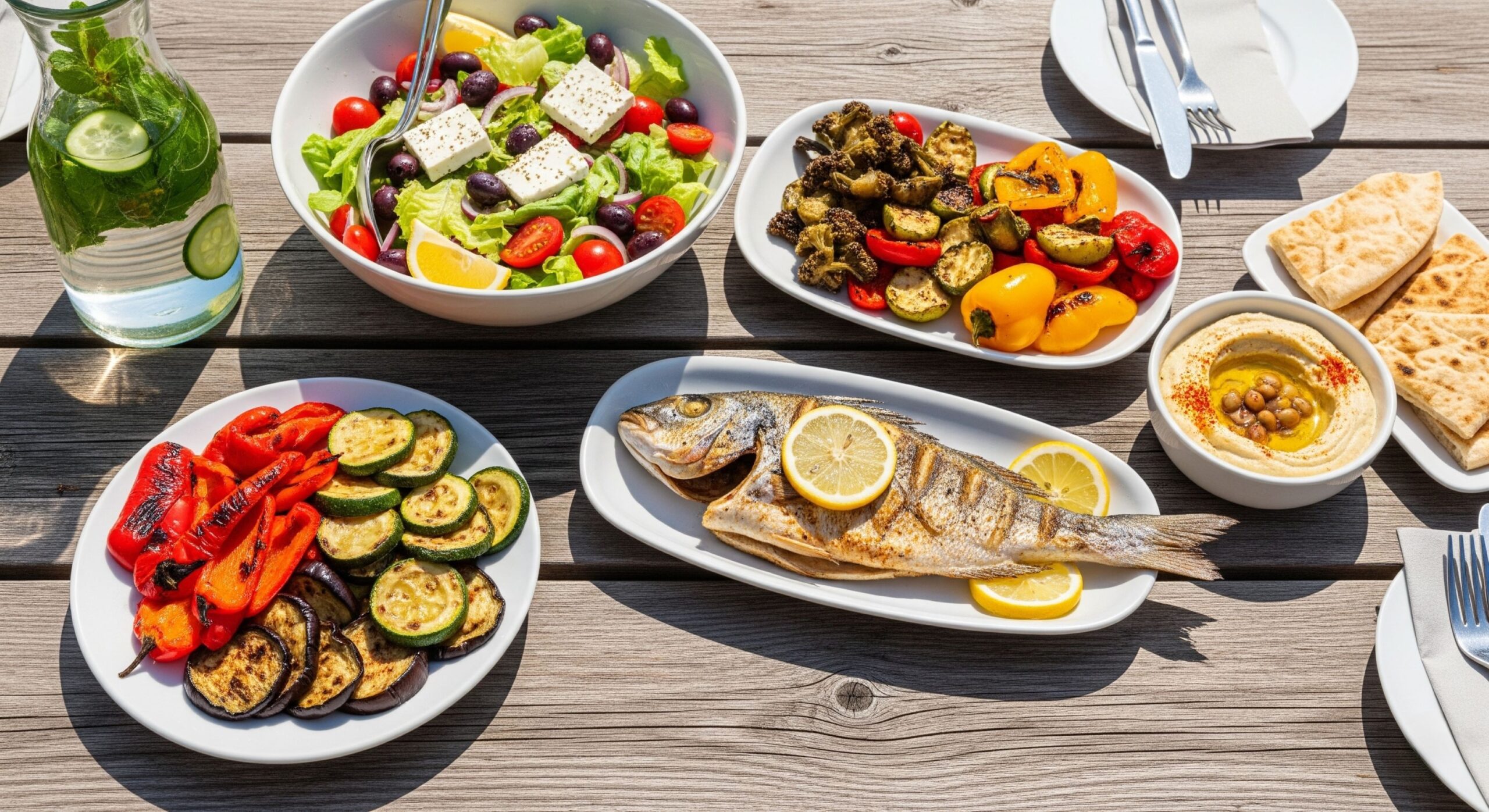
No single diet cures pain, but patterns matter. Many people feel better with a Mediterranean-style pattern: more plants, olive oil, fish, beans, and nuts; fewer ultra-processed foods and added sugars. Keep protein steady to support muscle repair, and drink water throughout the day—dehydration can make headaches and fatigue worse. If a certain food seems to trigger flares, track it for a few weeks and discuss it with a clinician or dietitian rather than cutting big food groups on your own.
Track What Matters (and Ignore the Rest)
A pain diary helps—if it’s simple. Track 3–5 things, tops: sleep hours, steps or movement minutes, stress level, flare triggers, and one functional win (e.g., “walked the dog”). Wearables and apps can help, but if tracking spikes your stress, scale back. The goal is pattern-spotting, not perfection.
Quick Takeaway: Weekly review beats daily worry. Spend 10 minutes each Sunday scanning for patterns, then choose one tiny tweak—like a 5-minute stretch before lunch.
Conclusion: Your Next Right Step
Chronic pain reshapes routines, but it doesn’t get the final say. The most reliable progress comes from stacking small, doable habits that protect sleep, spread movement across the day, and pace your energy. Pick one zone—mornings, work, or sleep—and try a single change this week, like a 10-minute warm-up walk, a sit–stand desk, or a wind-down ritual. Then track how it affects your function. Consistency beats intensity. And if you need help, ask your care team about physical therapy, CBT or ACT, and workplace accommodations. You’re not starting from scratch—you’re starting from experience.
References
- Centers for Disease Control and Prevention. (2023). Prevalence of Chronic Pain and High-Impact Chronic Pain Among Adults — United States, 2021. MMWR. Retrieved from https://www.cdc.gov/mmwr/volumes/72/wr/mm7215a3.htm
- World Health Organization. (2023). WHO guidelines on non-surgical management of chronic primary low back pain. Retrieved from https://www.who.int/publications/i/item/9789240075551
- National Institute for Health and Care Excellence (NICE). (2021). Chronic pain (primary and secondary) in over 16s: assessment of all chronic pain and management of chronic primary pain (NG193). Retrieved from https://www.nice.org.uk/guidance/ng193
- Hayden, J. A., Ellis, J., Ogilvie, R., Malmivaara, A., & van Tulder, M. W. (2021). Exercise therapy for chronic low back pain. Cochrane Database of Systematic Reviews, (9). https://doi.org/10.1002/14651858.CD009790.pub2
- National Institute of Neurological Disorders and Stroke (NINDS). (2024). Chronic Pain Information Page. Retrieved from https://www.ninds.nih.gov/health-information/disorders/chronic-pain
- NIH HEAL Initiative. (2024). Non-Opioid Pain Management. Retrieved from https://heal.nih.gov/research/clinical-research/non-opioid-pain-management
- Mayo Clinic. (2023). Chronic pain: Symptoms and causes. Retrieved from https://www.mayoclinic.org/diseases-conditions/chronic-pain/symptoms-causes/syc-20428293