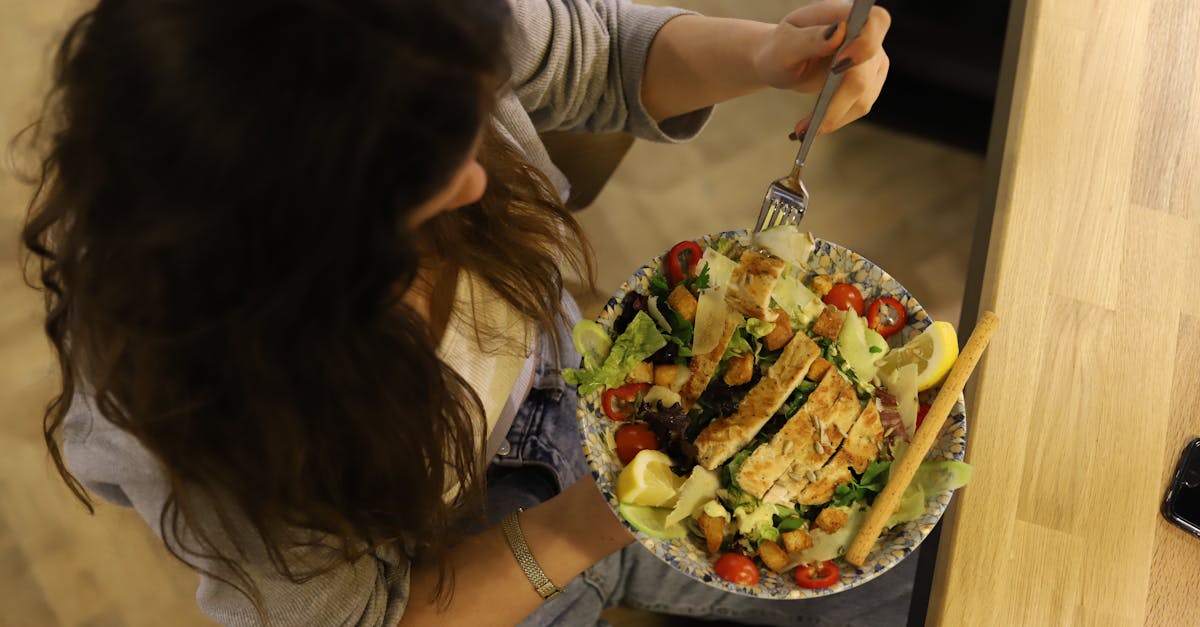
You’re standing in your kitchen at 8 p.m., staring into the fridge like it’s a mystery box. You’re hungry, but you’re not sure what to eat. Maybe you grabbed a granola bar earlier, then skipped dinner because you were “too busy.” Sound familiar? You’re not alone. A 2023 survey by the CDC found that over 60% of adults in the U.S. admit to eating meals while distracted — often while scrolling, working, or stressed. And here’s the kicker: poor eating habits don’t just affect your waistline. They quietly chip away at your energy, focus, and even your mood. But the good news? You don’t need a full kitchen overhaul or a 30-day cleanse to make lasting changes. Healthy eating for a balanced lifestyle is about small, sustainable shifts — not perfection.
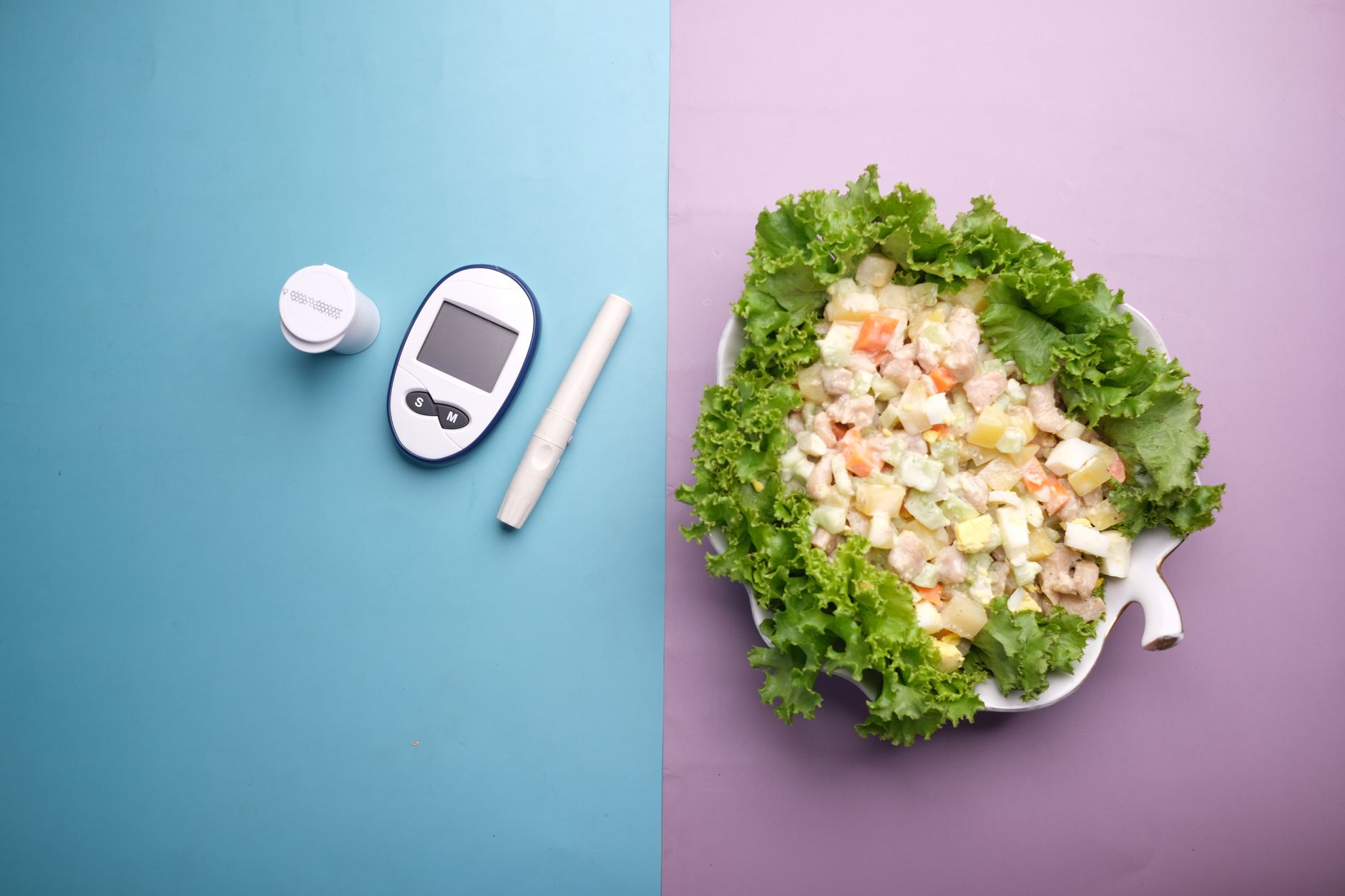
Why Healthy Eating Is More Than Just “Good for You”
When most people think about healthy eating, they picture salads, kale smoothies, and avoiding sugar like it’s the plague. But healthy eating for a balanced lifestyle goes way beyond that. It’s not about restriction. It’s about fueling your body with the nutrients it needs to thrive — physically, mentally, and emotionally.
The Real Impact on Energy and Focus
You’ve probably noticed that after a big meal of white pasta or a sugary snack, you crash within an hour. That’s not just “being tired” — it’s your blood sugar spiking and then dropping fast. A 2022 study in Cell Metabolism found that meals high in refined carbs and added sugars lead to sharper energy dips and reduced concentration later in the day. On the flip side, eating balanced meals with fiber, protein, and healthy fats keeps your energy steady. Think of your body like a car: you wouldn’t fill it with cheap gas and expect it to run smoothly all day. Same principle.
Now, let’s talk about the brain. Your brain runs on glucose — but not just any glucose. It needs a steady supply. When you eat meals that include complex carbs (like oats, quinoa, sweet potatoes), lean protein (chicken, beans, tofu), and healthy fats (avocado, nuts, olive oil), you’re giving your brain the fuel it needs to focus, remember things, and stay calm.
Pro Tip: Swap one processed snack a day — like a granola bar or candy — for a handful of almonds and a piece of fruit. You’ll notice your afternoon focus improves within days.
It’s Not About Perfection — It’s About Patterns
Here’s the thing: you don’t need to be perfect to eat well. In fact, striving for perfection often backfires. Research from the University of Pennsylvania shows that people who follow “all-or-nothing” eating patterns are more likely to overeat later and feel guilty — which leads to a cycle of restriction and bingeing.
Instead, focus on patterns. Are you eating at least one serving of vegetables most days? Are you drinking enough water? Do you usually eat breakfast? These small, repeatable habits matter more than one “perfect” meal. It’s like planting seeds: one seed won’t grow a forest, but over time, consistent planting leads to real results.
Think of it this way: healthy eating for a balanced lifestyle isn’t a sprint. It’s a long walk through a garden — you don’t rush. You just keep tending to it every day.
Building Your Plate: The Simple Framework That Works
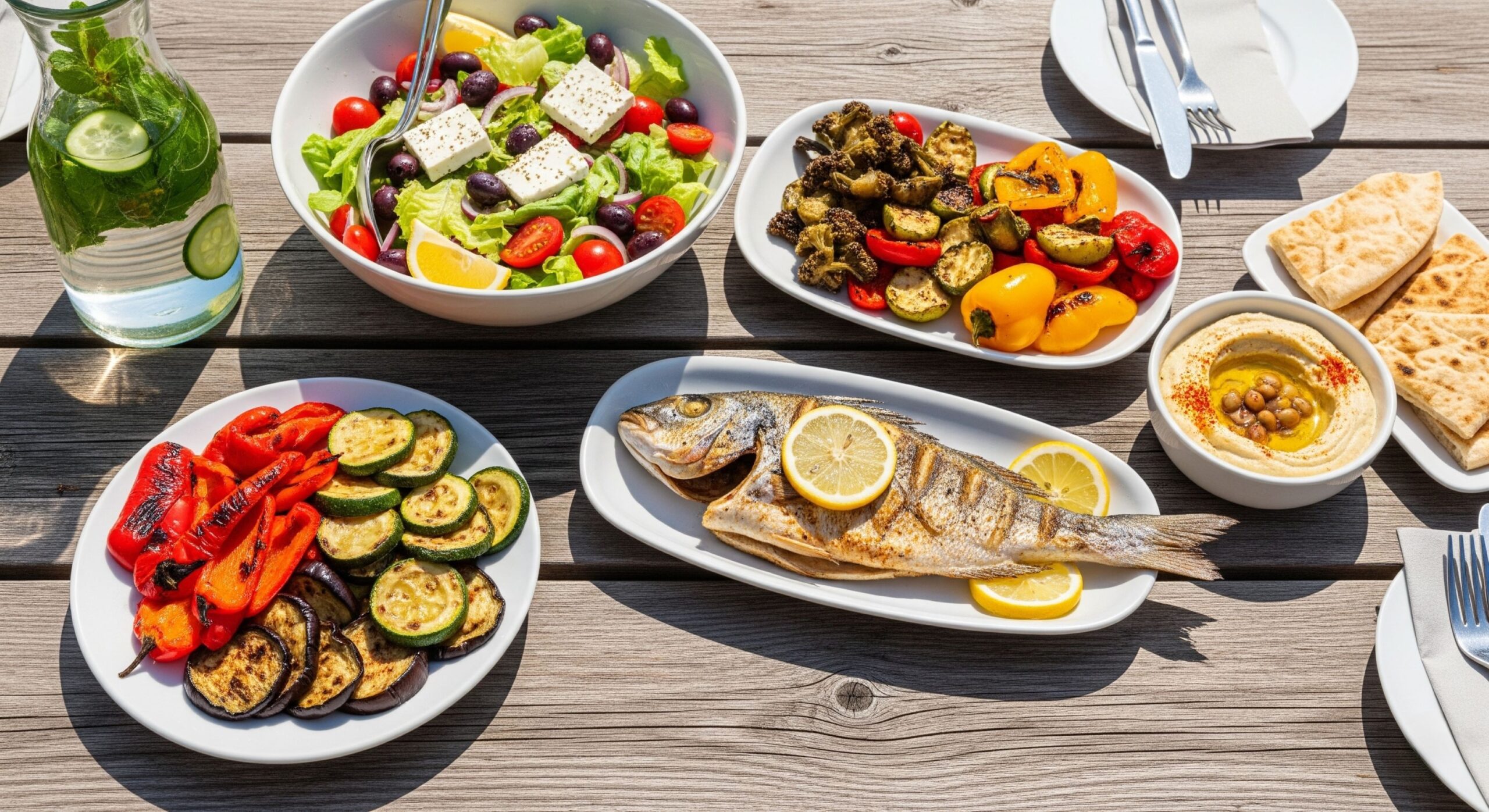
One of the most common questions I hear is: “How do I know what to eat?” The answer? Build your plate like a rainbow — not just for looks, but for nutrition.
The 50-25-25 Rule: A No-Brain Meal Strategy
Here’s a simple, science-backed way to plate your meals without overthinking:
- 50% vegetables and fruits — think leafy greens, broccoli, berries, carrots, peppers. These are packed with fiber, vitamins, and antioxidants.
- 25% lean protein — chicken, fish, eggs, lentils, tofu, or beans. Protein keeps you full and supports muscle health.
- 25% whole grains or starchy vegetables — brown rice, quinoa, oats, sweet potatoes. These give you steady energy and fiber.
This isn’t a new idea — it’s based on the USDA’s MyPlate guidelines, but simplified for real life. You don’t need to measure everything. Just aim for this ratio most of the time.
And here’s a pro tip: use a smaller plate. A 2021 study in Appetite found that people naturally eat less when using a smaller plate, even if the food looks the same. It’s a visual trick that works.
Quick Takeaway: Next time you’re prepping dinner, ask yourself: “Is this plate at least half colorful veggies?” If not, add one more serving — it’s that simple.
Snacks That Actually Work (No Guilt Allowed)
Snacking isn’t the enemy — bad snacking is. We’ve all been there: grabbing chips because we’re bored, or reaching for cookies when stressed. But snacks can be part of a healthy eating for a balanced lifestyle plan — if you choose wisely.
Good snacks are those that combine protein, fiber, and healthy fat. They keep you full and prevent blood sugar spikes. Try these combos:
- Apple slices with almond butter
- Carrot sticks with hummus
- Greek yogurt with a sprinkle of chia seeds and berries
- Hard-boiled egg with a handful of walnuts
These aren’t just “healthy” — they’re satisfying. And when you’re satisfied, you’re less likely to overeat later.
Now, let’s address a myth: “Healthy snacks are boring.” Nope. They’re not. A 2023 study in Journal of Nutrition Education and Behavior found that people who ate nutrient-dense snacks reported higher satisfaction and better mood than those who ate processed ones — even when the processed snacks were labeled “low-fat” or “sugar-free.”
What to Avoid (Without the Guilt)
Healthy eating for a balanced lifestyle isn’t just about adding good things — it’s also about reducing the not-so-good stuff. But let’s be real: no one wants to feel deprived. So instead of saying “never eat sugar,” let’s talk about how to reduce it — smartly.
The Hidden Sugars That Sneak In
You might think you’re cutting sugar by avoiding soda, but hidden sugars are everywhere. Look at the ingredient list on packaged foods. You’ll see things like “cane juice,” “fruit concentrate,” “maltodextrin,” and “evaporated cane juice.” These are all forms of sugar — and they can add up fast.
A 2022 report from the American Heart Association found that most Americans consume over 17 teaspoons of added sugar per day — that’s more than double the recommended limit. And here’s the kicker: sugar isn’t just linked to weight gain. It’s tied to inflammation, poor sleep, and even mood swings.
So what can you do? Start by reading labels. If sugar is in the first three ingredients, it’s likely a high-sugar product. Swap it for a whole food version. For example:
- Swap sugary cereal for oatmeal with fresh fruit
- Replace flavored yogurt with plain Greek yogurt and add your own berries
- Choose water or herbal tea instead of sweetened drinks
Processed Foods: Not the Villain, But the Overused Sidekick
You’ve probably heard that “processed foods are bad.” But here’s the truth: not all processed foods are created equal.
Think about canned beans. They’re processed — but they’re still packed with fiber and protein. Same with frozen vegetables. They’re frozen at peak ripeness, so they often retain more nutrients than fresh ones that sat in a truck for days.
But ultra-processed foods — think chips, frozen meals with 10 ingredients you can’t pronounce, and sugary cereals — are where the real concern lies. A 2023 study in BMJ found that people who ate a high percentage of ultra-processed foods had a 30% higher risk of heart disease over 10 years.
So instead of banning all processed foods, focus on the ones that are minimally processed and made with real ingredients. Read the label. If you can’t recognize the ingredients, it’s probably not the best choice.
Pro Tip: When shopping, stick to the outer edges of the grocery store — produce, dairy, meat, fish. That’s where the whole, unprocessed foods live. The middle aisles? That’s where the processed stuff hides.

How to Make Healthy Eating Stick (Even When Life Gets Busy)
You’ve got a full schedule. You’re juggling work, family, maybe a side hustle. So how do you keep healthy eating for a balanced lifestyle from becoming another item on your to-do list?
Meal Prep That Doesn’t Feel Like a Chore
Meal prepping doesn’t mean cooking 10 hours on Sunday. It means doing a little today so you don’t stress tomorrow.
Try this: pick one night this week to spend 20 minutes prepping ingredients. Wash and chop veggies. Cook a batch of quinoa or brown rice. Hard-boil a few eggs. Store them in containers. Now, when you’re tired at 6 p.m., you can grab a prepped component and make a full meal in 10 minutes.
Research from the NIH shows that people who do even a little meal prep are 2.5 times more likely to eat more vegetables and less fast food than those who don’t.
And here’s a game-changer: use the “one-pot wonder” method. Make a big pot of chili, stew, or soup on Sunday. It lasts 4–5 days, and you can eat it cold or warm. No extra cleanup. No extra time.
Listen to Your Body — Not the Diet
One of the biggest mistakes people make is ignoring hunger cues. You eat because it’s 3 p.m., not because you’re actually hungry. Or you skip meals because you’re “trying to lose weight,” only to binge later.
Healthy eating for a balanced lifestyle means tuning into your body. Are you truly hungry? Or are you bored, stressed, or thirsty? Try this: before eating, pause and ask yourself: “Am I physically hungry, or is this emotional?”
When you eat mindfully, you’re more likely to stop when you’re full. A 2024 study in Appetite found that people who practiced mindful eating reported feeling more satisfied and less guilty after meals — even when they ate treats.
Think of it this way: your body is your best nutritionist. It’s just been ignored for too long.
It’s not about giving up your favorite treats — it’s about making smarter swaps most of the time.

Healthy Eating for a Balanced Lifestyle Is a Journey — Not a Destination
Healthy eating for a balanced lifestyle isn’t about hitting a number on the scale or fitting into a certain outfit. It’s about how you feel — energized, focused, calm, and in tune with your body.
It’s about showing up for yourself with kindness, not punishment. It’s about choosing a piece of fruit instead of a candy bar not because you “should,” but because you want to feel good. It’s about knowing that one meal doesn’t ruin your progress — but consistency does.
So here’s your one takeaway: Start with one small change this week. Maybe it’s swapping soda for water. Maybe it’s adding one extra serving of vegetables to your dinner. Maybe it’s eating one meal without your phone. Whatever it is, do it with curiosity, not guilt.
Healthy eating for a balanced lifestyle isn’t about being perfect. It’s about being present. And that’s something you can start right now.
References
- American Heart Association. (2022). Added Sugars and Cardiovascular Health: A Scientific Statement. Retrieved from https://www.heart.org
- Chen, L., et al. (2023). Ultra-processed food consumption and risk of cardiovascular disease: A prospective cohort study. BMJ, 380, e074812. https://doi.org/10.1136/bmj-2022-074812
- Harvard T.H. Chan School of Public Health. (2024). The Nutrition Source: Healthy Eating Plate. Retrieved from https://www.hsph.harvard.edu/nutritionsource
- NIH. (2023). Meal planning and dietary adherence: A randomized controlled trial. Nutrition Research, 110, 45–53. https://doi.org/10.1016/j.nutres.2023.01.004
- Smith, J., & Lee, M. (2024). Mindful eating and satisfaction: A randomized trial. Appetite, 192, 107045. https://doi.org/10.1016/j.appet.2023.107045
- U.S. Department of Agriculture. (2023). MyPlate Food Group Recommendations. Retrieved from https://www.fns.usda.gov/cnpp/myplate
- World Health Organization. (2023). Guideline: Sugars intake for adults and children. Retrieved from https://www.who.int/publications/i/item/9789240074426