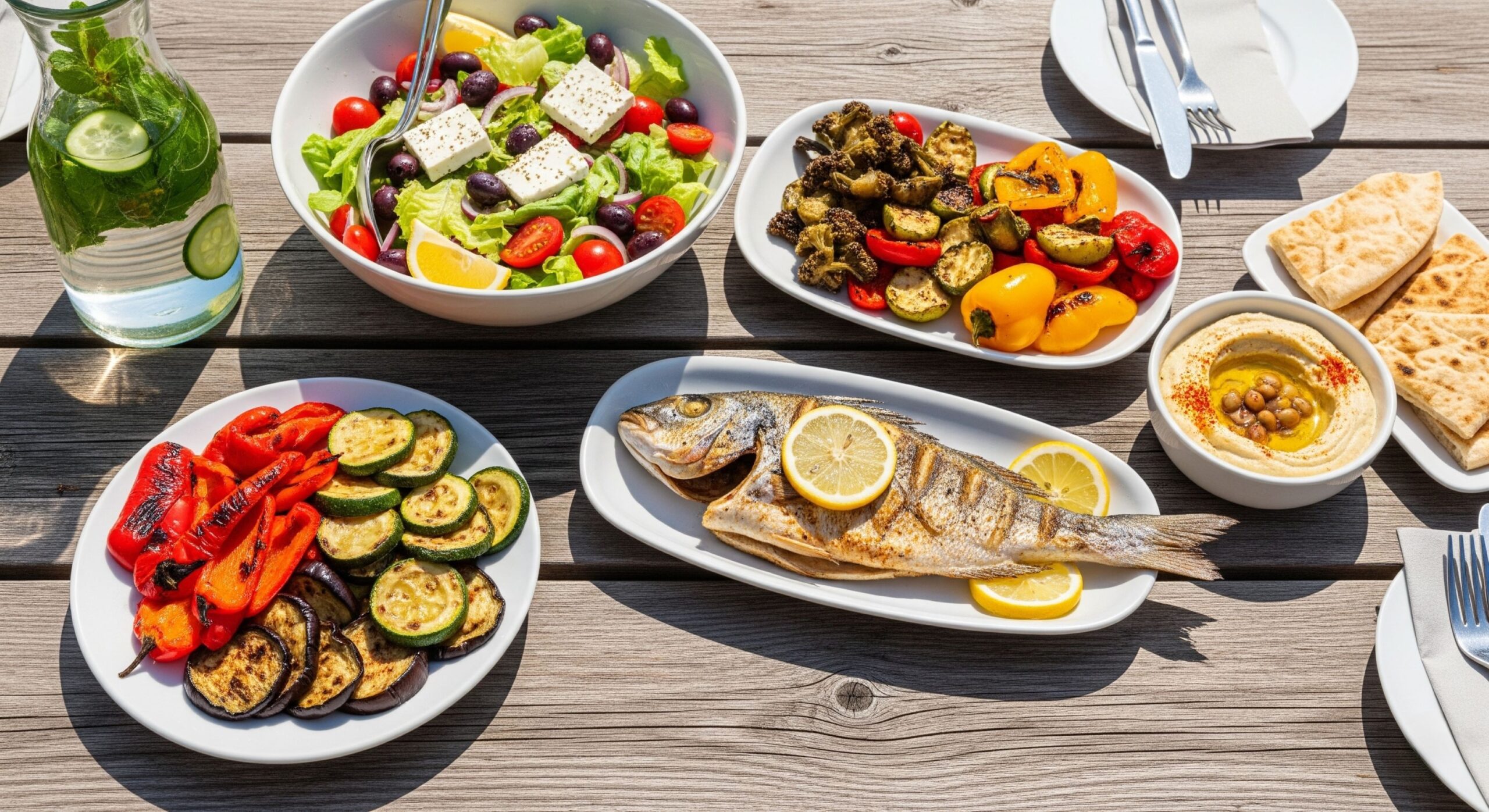

Have you ever finished a meal and felt uncomfortably full, or wondered if the serving size on the box was really what you were supposed to eat? In today’s world, where large portions have become the norm, it’s easy to lose our sense of what a balanced meal looks like. This “portion distortion” is a silent contributor to a wide range of health issues, but thankfully, the solution is simple and empowering.
This guide will demystify the art of portion control, offering a simple yet highly effective food portion guide that you can use every day. We will explore practical, easy-to-remember tips for managing how much food you eat at one time, and we’ll answer the age-old question: how many times should you eat a day for optimal health? By the end, you’ll feel confident and in control of your plate, paving the way for a healthier and happier you.
The Silent Epidemic of Portion Distortion
For generations, a “normal” serving was often much smaller than what we see today. Consider a movie theater popcorn bucket or a restaurant entrée; they are often big enough for two or even three people. This trend of supersizing has subtly, yet significantly, reshaped our perception of a standard meal. Our eyes have become accustomed to overflowing plates and large containers, and our stomachs have followed suit. This disconnect between what we think we should eat and what our bodies actually need is at the root of a major health challenge.
This problem is not just about our waistlines. Regularly eating portions that are too large puts a significant strain on our digestive systems and our bodies as a whole. It can lead to weight gain, of course, but also to blood sugar imbalances, fatigue, and an increased risk of chronic diseases like type 2 diabetes and heart disease. While many of us focus on what we eat, it’s arguably just as important to focus on how much we eat. Mastering this balance is a powerful step towards true wellness, and it’s much easier than you might think.
“Portion sizes have increased dramatically over the past 20 years, contributing to increased calorie intake and obesity rates.”
— National Institute of Diabetes and Digestive and Kidney Diseases
The key to reclaiming control is to re-educate our eyes and minds. We need to reset our internal “portion meter.” The good news is that you don’t need a scale or a measuring cup to do this. Your own hand is a surprisingly accurate and always-available tool.
Your Personal Food Portion Guide: Eating by the Handful
This simple, hands-on method helps you visually gauge a healthy serving size without a single kitchen tool. It provides a simple answer to the question of how much food you eat at one time.
Protein (Palm of Your Hand)
Your palm is the perfect size for a single serving of protein. This includes a piece of lean meat, poultry, fish, or plant-based options like tofu. A serving should be about the size and thickness of your palm.
- How it works: Place a piece of grilled chicken or a salmon fillet on your plate. If it fits within the area of your palm, you are on the right track. For ground meat, think of a patty that is roughly the size of your palm.
- Why it’s effective: Protein is crucial for building and repairing tissues, and it also helps you feel full and satisfied for longer. A palm-sized portion ensures you get enough without overdoing it, which can happen easily with high-fat meats.
Carbohydrates (A Cupped Fist)
When you make a loose fist, that is the ideal amount for a single serving of carbohydrates. This applies to foods like rice, pasta, quinoa, potatoes, and bread.
- How it works: Imagine a cup filled with cooked rice. A serving should be roughly what you can fit into the volume of your fist. For bread, a single slice often works as a good starting point.
- Why it’s effective: Carbs are your body’s primary source of energy. However, eating too many at once can lead to a spike in blood sugar. A fist-sized portion provides the energy you need without the crash that often follows an overly large serving.
Vegetables (Two Cupped Hands)
This is where you can be generous! A serving of vegetables should be about the size of two cupped hands. This includes leafy greens, broccoli, carrots, peppers, and other non-starchy vegetables.
- How it works: Scoop up a large handful of spinach or two handfuls of sliced bell peppers. That is one serving. The goal is to fill at least half of your plate with these nutrient-dense foods.
- Why it’s effective: Vegetables are packed with vitamins, minerals, and fiber. The high fiber content helps you feel full and supports a healthy digestive system. Filling up on veggies is an excellent strategy for reducing the overall calorie density of your meal.
Fats (Tip of Your Thumb)
For healthy fats like olive oil, butter, and nut butters, your thumb is the perfect measuring tool. A single serving is about the size of your thumb tip.
- How it works: A serving of butter for a piece of toast should not exceed the size of the tip of your thumb. When using oil for cooking or salad dressing, a quick drizzle that equals the size of your thumb tip is a good benchmark.
- Why it’s effective: Fats are essential for brain function and hormone production. However, they are also very calorie-dense. Using your thumb as a guide helps you get the benefits of healthy fats without the added calories. The American Heart Association recommends healthy fats in moderate portions for heart health.
Fruit (One Cupped Hand)
A serving of fruit should fit comfortably into one cupped hand. This is for whole fruits like an apple or a small bunch of grapes.
- How it works: An apple, orange, or peach should fit neatly in your hand. For smaller fruits like berries, fill your cupped hand to the top.
- Why it’s effective: Fruit is full of vitamins and natural sugars, but it is important to eat it in moderation. This simple method prevents you from overdoing it, especially with dried fruits or juices.
Practical Strategies for Everyday Portion Control
The visual guide is a fantastic starting point, but integrating other practical habits can make portion control a seamless part of your daily routine. These strategies work best when they become second nature.
“Our perception of portion size is heavily influenced by the size of the plates and bowls we use. Using a smaller plate can help reduce calorie intake without feeling restricted.”
— Cochrane Library
Tip 1: The Small Plate Trick
The size of your plate has a powerful psychological effect. Using a smaller plate—say, a salad plate instead of a dinner plate—can make a normal portion look much larger. This simple change can trick your brain into feeling more satisfied, even when you’re eating less. This is one of the easiest ways to manage how much food you eat at one time.
Tip 2: Listen to Your Body with Mindful Eating
Mindful eating involves paying close attention to your body’s signals of hunger and fullness. Before you eat, ask yourself: “Am I truly hungry, or am I just bored or stressed?” While eating, slow down and savor each bite. Chew your food thoroughly and set your fork down between bites. Your brain needs about 20 minutes to register that you’re full, so eating slowly helps prevent overeating. For a deeper guide, you can read about the benefits of mindfulness.
“Mindful eating, which involves paying attention to hunger and fullness cues, has been shown to reduce overeating and increase satisfaction from meals.”
— National Institutes of Health
Tip 3: The Half-Plate Rule
This rule is a game-changer. Simply aim to fill at least half of your plate with non-starchy vegetables (like leafy greens, broccoli, or bell peppers) before adding anything else. This ensures you get a significant amount of fiber and nutrients, and it naturally leaves less room for calorie-dense foods. This single habit can dramatically improve your diet without feeling like you’re on a restrictive regimen. You can also consider reducing processed foods for even better results.
Tip 4: Don’t Eat from the Container
When you sit down with a bag of chips or a carton of ice cream, it’s very easy to lose track of how much you’ve eaten. A simple fix is to pour a single, hand-sized serving into a bowl or on a plate. This forces you to acknowledge the serving size and prevents mindless overconsumption.
Tip 5: Hydrate, Hydrate, Hydrate
Sometimes, our bodies mistake thirst for hunger. Before reaching for a snack, try drinking a glass of water. Wait about 15 minutes, and if you are still hungry, then it is a good time to eat. Staying well-hydrated throughout the day can also support your metabolism and keep you feeling energized. Studies show that drinking water before a meal can significantly reduce calorie intake. Learn more about the importance of hydration for your overall health.
Finding Your Rhythm: How Many Times Should You Eat a Day?
The question of how many times should you eat a day has been debated for years, with a lot of conflicting advice. Some people swear by three square meals, while others prefer a “grazing” approach with five or six smaller meals. The truth is, there’s no single “best” answer that fits everyone. What matters most is your total calorie and nutrient intake throughout the day.
The Case for Three Meals
For many people, three balanced meals a day—breakfast, lunch, and dinner—work perfectly. This approach can help establish a clear eating routine and prevent constant snacking. It often makes meal planning easier and can be a good fit for those with busy schedules or those who simply do not feel hungry between meals. Research shows that eating frequency can influence glucose and insulin levels, which is beneficial for some people.
The Case for Five or Six Smaller Meals
Eating more frequently, but in smaller portions, can also be a very effective strategy. This method helps to stabilize blood sugar levels, which can prevent the energy crashes and intense hunger pangs that sometimes occur between larger meals. By eating every three to four hours, you can keep your metabolism consistently working and avoid feeling deprived. This approach is particularly useful for those who get hungry quickly or have a very active lifestyle.
“More frequent eating of smaller portions can help maintain stable blood sugar levels and prevent the spikes and drops that can trigger excessive hunger.”
— Academy of Nutrition and Dietetics
Ultimately, the best eating frequency is the one that works for you. Pay attention to your body’s hunger and fullness cues. Do you feel sluggish after a large meal? Do you get ravenously hungry if you wait too long to eat? Your personal rhythm is the most important factor. Intermittent fasting is one approach you can explore if you want to try a different eating schedule. The goal is to listen to your body and find what makes you feel your best.
The Big Picture: It’s About Awareness, Not Deprivation
Mastering portion control and finding your ideal eating frequency is a journey, not a destination. It’s not about being perfect or counting every calorie. Instead, it’s about building a greater awareness of your body’s needs and breaking away from the habits of “portion distortion.”
By using simple visual guides—like your hand—and applying a few practical strategies, you can effortlessly manage how much food you eat at one time. And by listening to your body, you can discover how many times you should eat a day.
“Small changes to eating behaviors, such as using a smaller plate or eating more slowly, can yield major impacts on long-term health and weight management.”
— Harvard T.H. Chan School of Public Health
Start small. Try using a smaller plate for one meal. Practice mindful eating for a few minutes each day. Over time, these small habits will add up to significant changes, leaving you feeling more energized, healthier, and more in tune with your body. You have the power to take control of your plate and, by extension, your well-being.
Article Sources
- National Center for Biotechnology Information (NCBI)
- National Institute of Diabetes and Digestive and Kidney Diseases (NIDDK)
- National Center for Biotechnology Information (NCBI)
- World Health Organization (WHO)
- USDA Agricultural Research Service (ARS)
- American Heart Association (AHA)
- Cochrane Library
- National Institutes of Health (NIH)
- Academy of Nutrition and Dietetics
- Harvard T.H. Chan School of Public Health