
A Realistic Guide to a Healthier You
Have you ever felt completely overwhelmed by the sheer volume of health advice out there? For instance, one day, you hear you should go keto, and the next you’re told to be vegan. One article preaches intense HIIT workouts, while another says you should only do gentle yoga. Consequently, it’s no wonder so many of us feel stuck, believing that a healthy lifestyle is an exclusive club reserved for disciplined athletes or people with unlimited free time.
However, the truth is, that’s simply not the case. This article will present various strategies to adopt a healthy lifestyle that is sustainable. A sustainable, healthy lifestyle isn’t about perfection; it’s about making small, consistent choices that fit into your unique life. It’s a gentle and personal journey, not a rigid, one-size-fits-all plan. Ultimately, this guide is your compass, designed to help you navigate the noise and build a foundation for lasting well-being, one manageable step at a time.
Strategies to Adopt a Healthy Lifestyle: A Sustainable Mindset
Before we even talk about kale or burpees, we need to address the most critical element: your mindset. Many people approach health with an “all or nothing” mentality. For instance, they start a new year with a grand resolution to work out for an hour every day and eat only salads. When they inevitably miss a single workout or give in to a craving, they feel like a failure, and the entire effort collapses. This is a crucial mistake. Lasting change doesn’t come from a dramatic, short-lived burst of effort; it comes from consistency, not intensity.
Embracing Micro-Habits
Think about it this way: what has a greater impact over a year? A person who runs 5 miles a day for one week and then quits, or a person who walks for just 15 minutes a day, every day? The second person builds a habit that sticks. They have integrated movement into their life, and it becomes effortless. Therefore, instead of focusing on massive overhauls, embrace micro-habits. These are tiny, simple actions you can perform daily that require minimal willpower. For example, maybe it’s drinking a glass of water first thing in the morning, taking the stairs instead of the elevator, or simply adding one serving of vegetables to your dinner.
These small victories build momentum and confidence, ultimately leading to bigger, more sustainable changes. In fact, research indicates that small, incremental changes are often more successful than large, abrupt ones for long-term health behavior change.
Cultivating Self-Compassion
The journey toward a healthier lifestyle can also be a challenge because of guilt and self-criticism. We often beat ourselves up for not being perfect. However, practicing self-compassion is a powerful tool for maintaining long-term habits. When you have a bad day or slip up on a goal, you should try to forgive yourself and get back on track the next day. Acknowledge that you are human, and progress is not a straight line. As a result, this shift from a punitive mindset to a compassionate one can prevent a single misstep from derailing your entire effort.
“Stress can have real physical and emotional effects on the body. Learning to manage stress is an essential part of a long-term health plan.” – American Psychological Association (APA)
For example, my friend Sarah spent years trying to lose weight by starting intense boot camps. She would be highly motivated for two or three weeks, but the demanding schedule and her stressful job made it impossible to maintain. Ultimately, she would get injured or simply burn out, and then she would abandon her efforts entirely. That’s why she tried a different approach.
Eventually, she decided to simply take a 20-minute walk every afternoon on her lunch break, no matter the weather. Over time, that simple habit made her feel more energized. She started to crave more movement and, consequently, added some light strength training at home. By shifting her focus from an intense goal to a simple, daily ritual, she successfully integrated exercise into her life for the long term.
Simple Nutrition: Key to a Healthy Lifestyle
The ‘Add, Don’t Subtract’ Principle
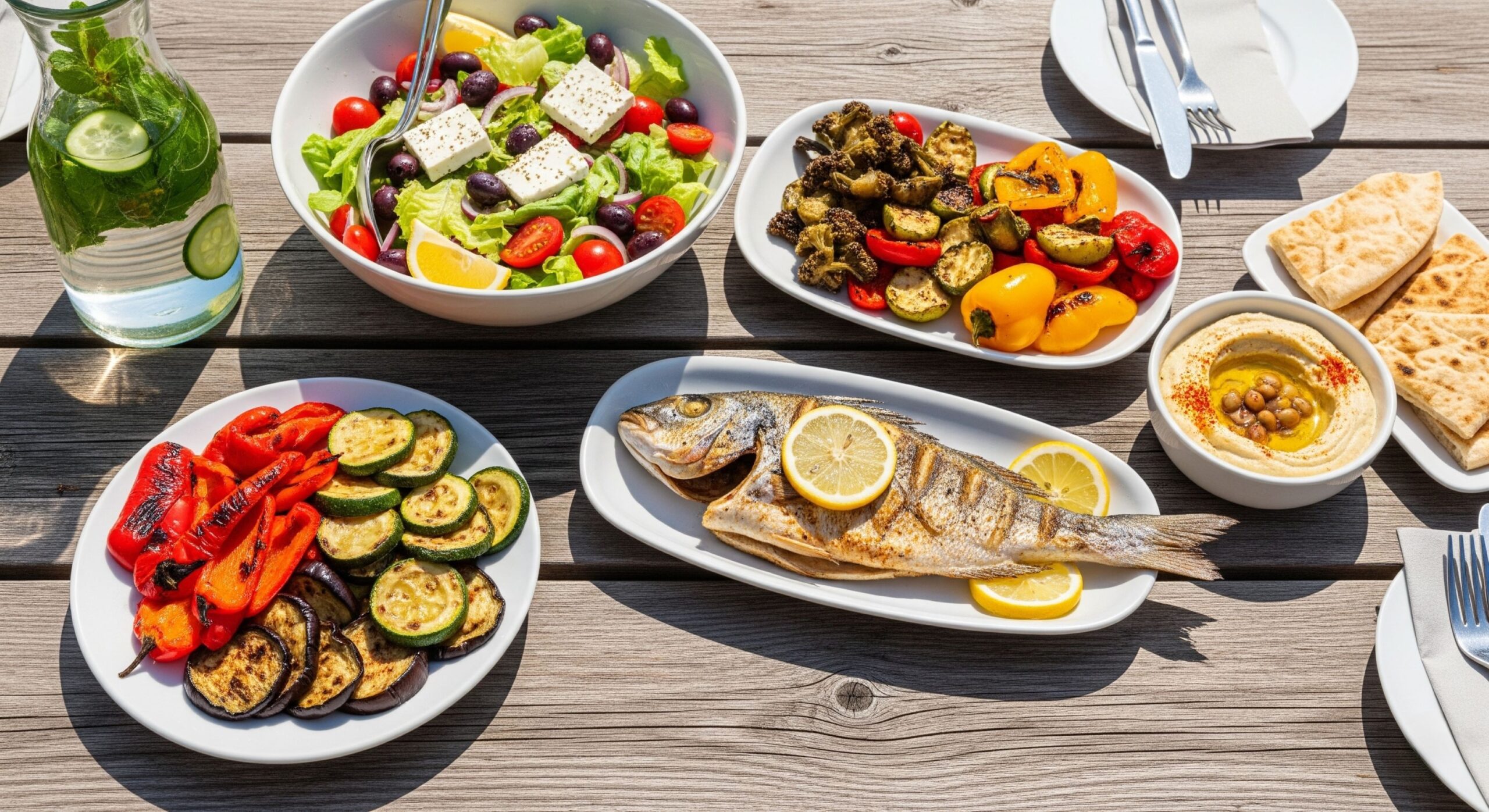
When we discuss nutrition, we often get caught up in the details of macronutrients, calorie counts, and rigid meal plans. Nevertheless, a healthier relationship with food starts with a different perspective. Instead of viewing food as a collection of rules to follow, think of it as fuel for your body and an act of self-care. It’s about nourishment, not deprivation. This simple mental shift can be the healthy step you need.
One of the best strategies to adopt a healthy lifestyle is the “add, don’t subtract” principle. Instead of immediately cutting out all your favorite foods, focus on what you can add to your diet. For example, can you add a handful of spinach to your eggs in the morning? Can you add a piece of fruit to your lunch? By focusing on including more nutrient-dense foods, you will naturally start to feel fuller and have fewer cravings for less healthy options. This approach is much more positive and feels less restrictive than simply taking things away. The World Health Organization, for instance, emphasizes adding a variety of fruits, vegetables, and whole grains to your diet as a core strategy for maintaining a healthy weight and reducing disease risk.
Mindful Eating and the 80/20 Rule
Beyond what you eat, mindful eating is a simple yet revolutionary practice. Instead of mindlessly consuming food while scrolling on your phone or watching TV, take a moment to be present with your meal. Pay attention to the colors, smells, textures, and flavors. Chew slowly and savor each bite. This practice not only helps you appreciate your food more but also allows your body to register feelings of fullness, which can prevent overeating. In short, it transforms eating from a task into a truly enjoyable experience.
Another powerful strategy is the 80/20 Rule. This principle says you should aim to eat nutritious foods 80% of the time, leaving the other 20% for your favorite indulgences. This prevents the feeling of being deprived and makes your eating habits more realistic and flexible. Furthermore, it allows for social events, holidays, and simply enjoying life without guilt. On the other hand, remember that a single meal or snack does not define your entire health journey. What you do consistently truly matters.
Making Meal Prep a Habit
Finally, think about meal preparation not as a dreaded chore, but as an investment in your future self. It doesn’t have to be a complicated, all-day affair. Simply preparing one or two main ingredients on a Sunday can save you hours during the week. For example, you can grill some chicken breasts and chop a large bowl of salad greens. Then, throughout the week, you can easily combine these ingredients with different sauces or whole grains to create quick, healthy meals. This simple act reduces your reliance on fast food and makes it easy to make good choices when you are tired or short on time.
Rediscovering Joy in Movement
Find What You Love
For many, the word “exercise” conjures images of sweaty gyms and exhausting routines. But a healthy body requires movement that feels good, not movement that feels like a punishment. Shifting your perspective from “working out” to “moving your body” can liberate you from the pressure to perform and allow you to find physical activities you actually enjoy. Ultimately, the key to consistency is finding an activity that brings you joy. Are you a nature lover? Try hiking or cycling. Do you enjoy rhythm? Take a dance class or turn up your favorite playlist at home. Do you prefer social interaction? Join a recreational sports league.
In contrast, when movement is a source of happiness rather than a burden, you are much more likely to stick with it for the long run. Moreover, you can incorporate movement into your everyday life. This approach is incredibly powerful because it requires no extra time in your schedule. For instance, you can take the stairs instead of the escalator, walk or cycle to the local store instead of driving, or do a few stretches while you wait for your coffee to brew. Don’t underestimate the power of these mini-movements; they add up over time and create a foundation of activity that your body will thank you for.
Sleep and Stress: The Silent Pillars of a Healthy Lifestyle
The Importance of Sleep
While diet and exercise are often at the forefront of health conversations, two other factors play an equally critical, though often overlooked, role: sleep and stress management. Think of them as the silent architects of your well-being. Without a solid foundation in these areas, your efforts with diet and exercise will always be an uphill battle.
Sleep is not a luxury; it is a biological necessity. It is during sleep that your body performs crucial repair and recovery processes. It balances hormones that regulate appetite, solidifies memories, and strengthens your immune system. Unfortunately, many people view sleep as something to be sacrificed in a busy world. This leads to a vicious cycle: chronic sleep deprivation can increase stress hormones, impair your ability to make good food choices, and leave you feeling too tired to exercise.
To improve your sleep, focus on sleep hygiene. Create a calming bedtime ritual, avoid screens at least an hour before bed, and make your bedroom a dark, cool, and quiet sanctuary.
“Chronic sleep deprivation can lead to a host of health problems, including an increased risk of heart disease, high blood pressure, and type 2 diabetes. Adequate sleep is a fundamental pillar of health.”
This statement is supported by a variety of medical studies and health organizations, including the CDC, which recommends good sleep hygiene for overall health.
Simple Strategies for Stress Management
Similarly, chronic stress can wreak havoc on your body, even if you eat well and exercise regularly. When you are stressed, your body releases cortisol, a hormone that can lead to weight gain, particularly around the midsection. Learning to manage stress is therefore a vital part of any healthy lifestyle. This doesn’t mean you must eliminate all stress from your life; it means you need to develop healthy coping mechanisms. This could be as simple as taking five minutes for deep breathing exercises, spending time in nature, or engaging in a relaxing hobby.
A key step is to identify your stressors, whether they are from work, family, or personal obligations. Once you identify them, you can start to apply techniques to manage them, rather than letting them manage you. For example, for years, Mark, a freelance graphic designer, struggled with chronic headaches and anxiety. He tried everything from eliminating gluten to starting an intense workout program, but nothing seemed to help. He felt like his body was in a constant state of low-grade panic, and his sleep was consistently restless.
The ‘Digital Sunset’ Approach
After months of frustration, a friend suggested he try a simple experiment: a “digital sunset.” At 9 PM every night, he would turn off all screens—his phone, his computer, and his TV—and spend the next hour reading, listening to a podcast, or doing some light stretching. The initial change was subtle, but over time, he noticed something remarkable. The quality of his sleep improved dramatically. He woke up feeling more rested, and his anxiety levels began to drop. Consequently, the headaches became less frequent, and he felt a general sense of calm he hadn’t experienced in years. Mark’s case proves that sometimes, the most effective strategies to adopt a healthy lifestyle have little to do with diet or exercise and everything to do with giving your nervous system the rest and recovery it truly needs.
The Two-Minute Rule: A Unique, Actionable Case Study
If you feel overwhelmed by the idea of making big changes, the Two-Minute Rule is a powerful yet simple strategy to get started. The concept is straightforward: when you start a new habit, it should take less than two minutes to do. The goal is to make the habit so small and easy that you can’t say no to it. For example, if you want to read more, the two-minute rule isn’t to read a book for 30 minutes. Instead, it’s to “read one page.”
This rule works because it separates the act of starting from the act of doing. The biggest hurdle to any new habit is often the initial friction of getting started. By making the start trivial, you bypass the psychological resistance and get yourself in motion. Once you’re in motion, it’s often easier to continue. For example, imagine you want to start a habit of daily journaling. Your two-minute rule might be to “write one sentence.” Once you have the pen in your hand and the notebook open, you may find yourself writing an entire page.
The goal of the rule isn’t to limit you to two minutes, but to ensure that you start. This simple strategy can be applied to nearly any aspect of your health journey, from nutrition to exercise to stress management. Ultimately, it turns a daunting goal into a manageable, daily victory.
Tailoring Healthy Strategies to Your Life
A true healthy lifestyle is adaptable. It is not about fitting your life into a rigid plan; it is about creating a plan that fits your life. Everyone has a unique schedule and unique circumstances. Here are some thoughts on how you can tailor these strategies to adopt a healthy lifestyle to fit your personal rhythm.
For the Night-Shift Worker
For the night-shift worker, the key is to prioritize sleep. This may mean creating a “daytime bedroom” with blackout curtains and white noise. Your most active time for exercise might be right before or after your shift when you have the most energy.
For New Parents and Busy Professionals
For a new parent, finding time for a long workout is often impossible. Focus on what you can do. Try doing a few squats while you hold your baby or going for a short walk with the stroller. Every minute of movement counts.
For the Frequent Traveler
For the frequent traveler, maintaining consistency is the biggest challenge. In this case, you can pack resistance bands, use hotel fitness centers for short workouts, and choose healthier food options at airports and restaurants when possible. The goal is simply to do your best with what you have.
Your path to a healthier life is unique, and it’s okay for it to look different from everyone else’s. Embrace the small victories, be patient with yourself, and remember that every positive choice you make is a step in the right direction. Ultimately, it’s not about being perfect; it’s about making progress.
Sources
A Realistic Guide to Health
Small steps, big results. Sustainable healthy living is about consistent choices that fit your unique life.
1. Adopt a Sustainable Mindset
Focus on progress, not perfection. Consistency always trumps intensity.
- Embrace Micro-Habits: Start with tiny actions. Drink a glass of water, or take the stairs.
- Practice Self-Compassion: Forgive yourself for slips. One bad day doesn’t ruin your journey.
2. Simple Nutrition
Think of food as fuel and nourishment, not a set of rules.
- ‘Add, Don’t Subtract’ Principle: Focus on what you can add to your diet, like an extra handful of spinach or piece of fruit.
- Practice Mindful Eating: Pay attention to your food. Chew slowly and savor each bite.
- Follow the 80/20 Rule: Eat healthily 80% of the time, and allow for a 20% room for enjoyment.
3. Find Joy in Movement
Exercise doesn’t have to be a chore. Find activities you genuinely enjoy.
- Redefine ‘Working Out’: If you hate the gym, try hiking, dancing, or cycling.
- Integrate Mini-Movements: Take the stairs, walk during lunch, or do quick stretches while waiting for coffee.
4. Sleep & Stress Management
These are the often-overlooked pillars of your health. Your body needs rest to recover.
- Prioritize Sleep Hygiene: Avoid screens before bed. Create a cool, dark, and quiet space.
- Find Your Coping Mechanisms: Take up a calming hobby, deep breathing, or spend time in nature.
5. The Two-Minute Rule
Bypass psychological resistance by making habits so easy you can’t say no.
- Example: Want to work out? The two-minute rule is just “put on your running shoes.”
- Example: Want to journal? The two-minute rule is “write one sentence.”
6. Tailor Your Health to Your Life
A truly healthy lifestyle is adaptable. Create a plan that works for your unique circumstances.
Night Shift Worker
Prioritize sleep with blackout curtains.
New Parent
Go for a short walk with a stroller; every minute counts.
Frequent Traveler
Use the hotel gym or bring a resistance band.