
Debunking Detox Myths for a Healthier You
What is Detoxification, Really?
The term “detox” is a major health buzzword, plastered on everything from juice diets and supplements to tea brands. But what does it really mean? At its core, detoxification is a natural, biological process your body constantly performs to neutralize and eliminate harmful substances. This process isn’t a new trend; it’s a concept with a rich history. Ancient cultures, from Egyptians and Greeks using fasting and herbal remedies to traditional Chinese and Ayurvedic medicine emphasizing seasonal purifications, have long understood the importance of ridding the body of internal “impurities.” Therefore, understanding this innate process is crucial for discerning fact from the magical claims often made by commercial detox products. Let’s explore the science behind the myth.
Your Body’s Internal Cleansing Factory
Before you get carried away with modern detox methods, you need to appreciate your body’s remarkable, built-in detoxification system. Think of your body as a sophisticated, self-cleaning machine. Your primary elimination organs tirelessly process and expel toxins without any special intervention.
The Liver: The Master Filter
The liver is the body’s undisputed detoxification champion. This multi-tasking organ acts as a high-powered filter, processing everything you consume, from medications and alcohol to hormones and environmental pollutants. The process happens in two distinct phases:
- Phase I (Oxidation): In this initial phase, a family of enzymes called Cytochrome P450 takes toxins and modifies them. This makes them more water-soluble, preparing them for the next stage. It’s like breaking down a large, complicated object into smaller, manageable parts.
- Phase II (Conjugation): Once modified, the toxins move to Phase II, where they are “conjugated” or attached to other molecules. This final step neutralizes them completely, making them safe for removal from the body. Think of it as putting the broken-down parts into a special container for safe disposal.
For example, when you eat processed foods, your liver works hard to process the additives. Enzymes in Phase I alter these substances so they can be further processed in Phase II. Once neutralized, the liver sends them to the intestines for elimination. Similarly, the liver processes hormones like estrogen, making sure they are broken down and excreted after they have served their purpose.
“No human studies have been done on detox diets to show that they have any effect on the body’s detoxification system,” explains Katherine Zeratsky, a registered dietitian at the Mayo Clinic. “The body has a natural detoxification system, which includes the liver and kidneys.”
The Kidneys: Your Body’s Water Treatment Plant
The kidneys are equally vital, functioning as a pair of precision filters for the blood. They tirelessly filter waste products and excess fluid, sending them to the bladder to be eliminated as urine. Proper hydration is critical for kidney function, as water helps them efficiently flush out these byproducts. Without enough water, your kidneys can’t filter waste properly, leading to a buildup of toxins.
Other Key Players
Your digestive tract, especially the intestines, plays a critical role in expelling waste and toxins through bowel movements. Your lungs remove gaseous waste, like carbon dioxide, with every exhale. The skin also helps excrete a small amount of waste through sweat. All these organs work together in a complex, interconnected system that operates seamlessly every day. The lymphatic system, often called the body’s drainage system, also helps by collecting waste and fluid from tissues and returning it to the bloodstream for elimination.
Detox: Myths vs. Facts
The modern detox industry has created many myths that have seeped into public consciousness. Let’s separate the fads from the facts.
Myth #1: Detox must be an extreme, punishing regimen.
Many people think that detox means suffering through days of a juice-only diet or a very strict fast.
Fact: Detox is a supportive process, not a punishing one.
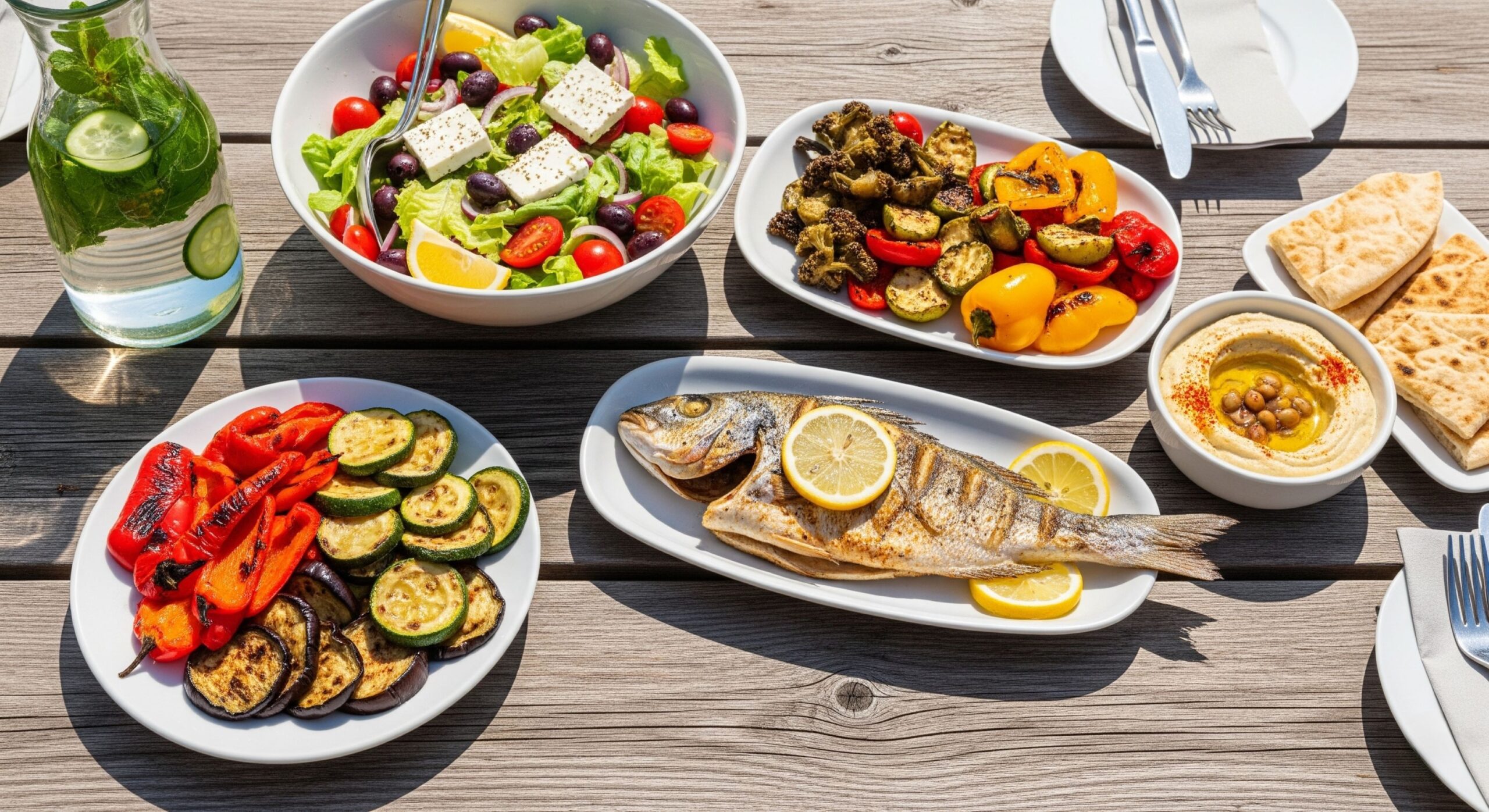
True detoxification isn’t about self-deprivation; it’s about supporting your body’s natural processes. This means giving your liver, kidneys, and other organs the essential nutrients, hydration, and rest they need to function optimally. A balanced diet rich in fruits, vegetables, lean protein, and healthy fats is the most effective way to help your body do its job. This is part of building a healthy lifestyle.
Case Study: Imagine someone who switches from a diet of fast food and sugary drinks to one rich in leafy greens, berries, and whole grains. They may feel an increase in energy and improved digestion. This isn’t because the new diet “magically” removed toxins; instead, it provided the vitamins, minerals, and antioxidants their detoxification organs needed to work more efficiently.
Myth #2: Detox diets and supplements can cure disease.
Many products are marketed with the promise of curing chronic conditions like autoimmune disorders, inflammation, and fatigue.
Fact: Detox helps reduce toxic burden, but doesn’t cure disease.
While reducing your exposure to toxins and supporting your body’s natural elimination pathways can certainly improve your overall health and well-being, it is not a cure for chronic illness. These conditions are often complex and require professional medical diagnosis and treatment. However, adopting a healthy lifestyle that supports detoxification can be an important component of a comprehensive treatment plan.
Myth #3: You need special products like charcoal to “cleanse.”
Many detox trends promote activated charcoal, bentonite clay, or similar products as a way to “bind to toxins” in your gut. While these substances can be used in medical settings to treat poisoning, they are not necessary for a healthy person. In fact, they can also bind to and remove beneficial nutrients, leading to deficiencies if used regularly. Your body has its own systems for this, so you don’t need a special product to do its job.
Popular “Detox” Trends That Are Overhyped
The popularity of detox has led to a variety of commercial and DIY programs. Let’s look at a few of the most common:
- Juice Cleanses: These regimens involve consuming only raw fruit and vegetable juices. While nutrient-dense, they lack fiber, which is crucial for digestive health and blood sugar regulation. This diet can also be dangerously low in protein and fat, which can lead to muscle loss.
- Intermittent Fasting (IF): This involves cycling between periods of eating and fasting. While not a “detox” in the traditional sense, IF can give your digestive system a break and promote cellular repair, a process called autophagy, which helps clean out damaged cells.
- Digital Detox: This modern concept involves taking a break from electronic devices and social media. The “toxins” here are mental—the constant stimulation and stress from screen time. Stepping away from gadgets can help reduce anxiety and improve your focus.
According to the Academy of Nutrition and Dietetics, “Detox diets are a great example of a diet trend with no scientific proof to back up their claims. If not careful, they can even be harmful to your body.”
Practical Steps to Support Your Body’s Natural Detox
Instead of relying on fad diets, you can actively support your body’s amazing detoxification system every day. Here are some simple, practical tips:
- Stay Hydrated: Drinking plenty of water is the easiest and most effective way to help your kidneys flush out waste. For example, carry a water bottle wherever you go, and make it a habit to drink a glass of water with a squeeze of lemon every morning to kickstart your day.
- Eat Your Fiber: Include high-fiber foods like vegetables, fruits, and whole grains. Fiber works like a broom for your digestive system, helping to move waste out efficiently. Try swapping your white bread for whole-grain bread, or add a handful of spinach to your morning smoothie. Other great sources are lentils, oats, and raspberries.
- Get Enough Sleep: When you sleep, your body goes into “repair mode.” This is when your brain cleans out harmful byproducts that have accumulated throughout the day. Prioritize 7-9 hours of sleep each night to give your body the time it needs to cleanse itself.
- Break a Sweat: Regular physical activity improves circulation and promotes sweating, which can help your body eliminate toxins through the skin. You don’t need to go to the gym; just go for a leisurely jog or a bike ride. A sauna session can also help you sweat, but be sure to stay hydrated.
- Reduce Processed Foods: By minimizing your intake of highly processed foods, you lessen the burden on your liver and kidneys, allowing them to work more efficiently. Instead of chips or sugary snacks, try a healthy snack like an apple or nuts.
The Power of Diet: Foods That Help
While no single food can “detox” your body, certain foods contain nutrients that actively support the organs responsible for detoxification. Incorporating these into your daily diet is a simple and effective strategy.
- Cruciferous Vegetables: Foods like broccoli, cauliflower, and kale contain sulfur-rich compounds that help the liver’s Phase II detoxification pathways. Steamed broccoli with a sprinkle of lemon juice makes a delicious and detox-friendly side dish.
- Antioxidant-Rich Fruits: Berries, citrus fruits, and pomegranates are packed with antioxidants that combat free radicals and reduce oxidative stress, which can damage cells and organs. Add a handful of blueberries to your breakfast oatmeal or yogurt.
- Probiotic Foods: Your gut health is directly linked to your body’s ability to eliminate waste. Fermented foods like yogurt, kefir, and sauerkraut contain beneficial bacteria that support a healthy gut microbiome, which is essential for a well-functioning digestive system.
- Lean Protein: Protein is vital for building and repairing tissues, including liver enzymes. Include lean protein sources like chicken, fish, beans, and lentils in your meals.
- Herbs and Spices: Turmeric, ginger, and garlic have anti-inflammatory and antioxidant properties that support liver function. Try adding fresh ginger and a pinch of turmeric to your morning tea.
A Unique Perspective: The Emotional Detox
While we often focus on physical detoxification, it’s worth considering the concept of an emotional detox. Just as your body accumulates physical toxins, your mind can harbor emotional toxins—resentment, anxiety, shame, and unexpressed feelings. These feelings can lead to stress, which in turn has a tangible, negative physical impact on your body by producing cortisol and other stress hormones. Studies have shown a clear link between chronic stress and inflammation, which can impair your body’s natural functions, including its ability to detoxify.
An emotional detox involves consciously processing and releasing these feelings. You can do this through practices like journaling, meditation, or talking to a therapist. Much like a physical detox, an emotional one isn’t about erasing feelings but about creating a healthier system for processing them, allowing your mind and body to operate with less internal resistance.
Conclusion: A Lifestyle, Not a Fad
Ultimately, true detoxification isn’t a trend you follow for a week, but a lifestyle you embrace for a lifetime. The most effective “detox” is a daily commitment to supporting your body’s innate wisdom. By fueling your body with whole foods, staying hydrated, getting adequate sleep, exercising regularly, and managing stress, you are actively participating in your body’s natural cleansing process.
The difference between your body’s natural detoxification and a commercial detox program is profound. The former is a continuous, automatic, and highly efficient system; the latter is a temporary, often restrictive, and sometimes unnecessary intervention. Instead of searching for a quick fix, focus on creating a sustainable, nourishing lifestyle that allows your body to thrive. By making small, consistent changes every day, you will feel better and give your body the tools it needs to keep you healthy for years to come.
Sources
-
Mayo Clinic: Zeratsky, K. (2020). Detox diets: What are they and do they work?
https://www.mayoclinic.org/healthy-lifestyle/consumer-health/expert-answers/detox-diets/faq-20058079 -
British Dietetic Association (BDA): The A to Z of diets: The BDA’s annual rundown of the celebrity diets to avoid.
https://www.bda.uk.com/resource/the-a-z-of-diets-the-bda-s-annual-rundown-of-the-celebrity-diets-to-avoid.html -
The New England Journal of Medicine: De Cabo, R. & Mattson, M. P. (2019). Effects of Intermittent Fasting on Health, Aging, and Disease.
https://www.nejm.org/doi/full/10.1056/NEJMra1905136 -
Journal of the Academy of Nutrition and Dietetics: Obert, J., et al. (2017). Popular weight loss diets: are they the right choice for you?
https://www.jandonline.org/article/S2212-2672(16)31238-7/fulltext
Debunking Detox Myths for a Healthier You
Detoxification is a natural, continuous process in your body. Let’s separate fact from fiction.
Detoxification: The Natural Process
Detoxification is a natural biological process your body performs to neutralize and eliminate harmful substances. It’s not a new trend, but a vital, long-standing function.
Your Body’s Internal Cleansing Factory
The Liver: Master Filter
Processes toxins in two phases for neutralization and elimination.
The Kidneys: Water Treatment Plant
Filter waste products and excess fluid from the blood.
Intestines & Lungs
Intestines remove solid waste, while lungs expel gaseous waste.
Detox: Myths vs. Facts
Detox helps reduce toxic burden, but doesn’t cure complex chronic illnesses. Always consult a medical professional for serious conditions.
The most effective detox is daily support for your body with whole foods, hydration, and rest. Small, consistent changes are far more powerful than a quick fix.
Practical Steps for Daily Detox
Stay Hydrated
Drinking plenty of water helps kidneys flush out waste.
Eat Fiber
Fiber from fruits and vegetables helps cleanse the intestines.
Get Enough Sleep
When you sleep, your brain clears out harmful byproducts.
Exercise Regularly
Improves circulation and helps eliminate toxins through sweat.
Emotional Detox
It’s not just physical; your mind can also hold emotional “toxins” like stress and anxiety. Practices like meditation and journaling help process these feelings.
Conclusion
True detox isn’t a quick diet, but a commitment to a sustainable lifestyle. Support your body every day with healthy habits!