
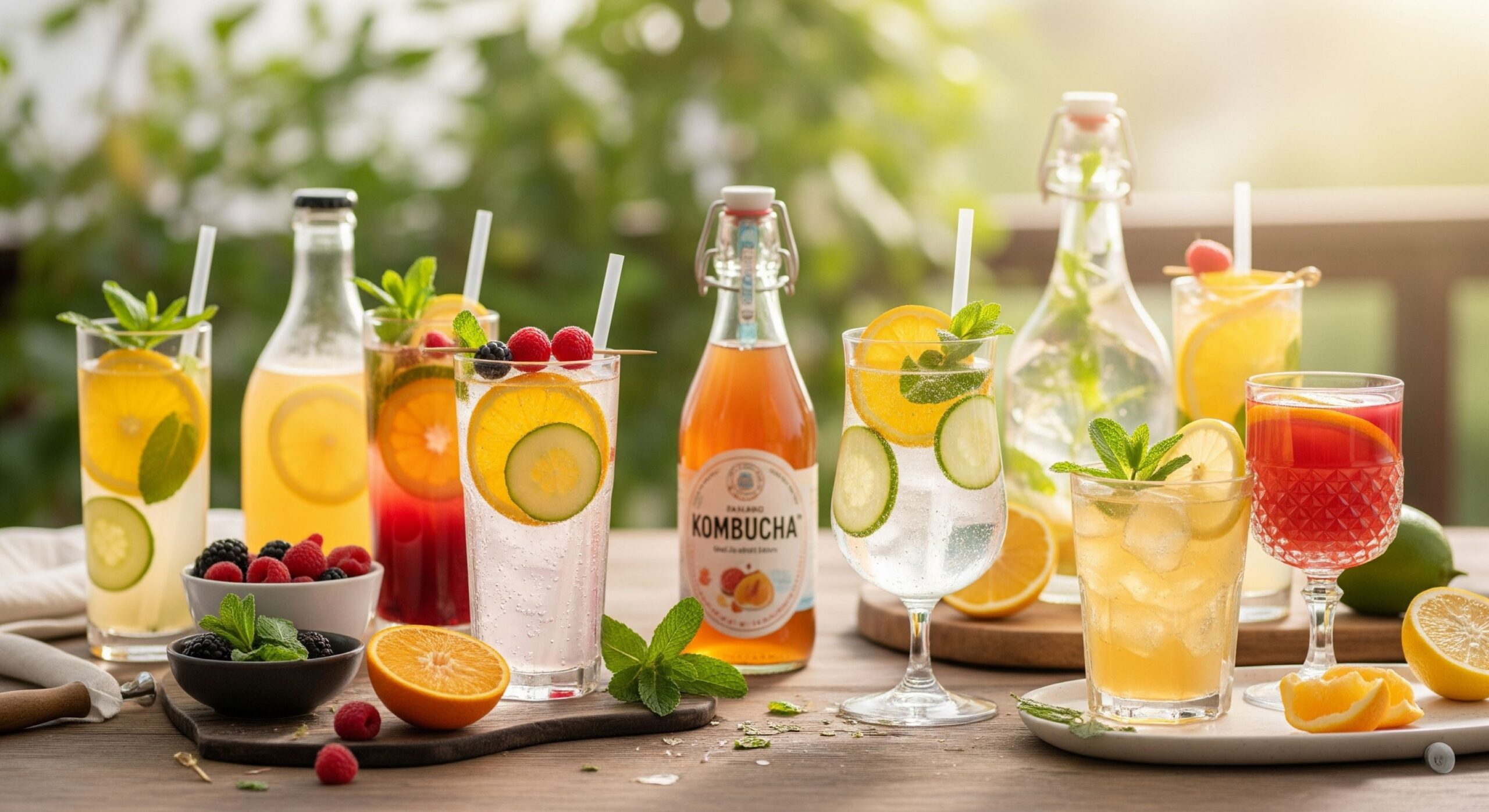
A Thirst for Change: The Rise of Non-Alcoholic Drinks
In today’s fast-paced world, people are becoming more mindful about their health, seeking choices that align with a more balanced lifestyle. Consequently, one of the most significant shifts we are seeing is the explosion of the non-alcoholic (NA) beverage market. What was once a niche category now stands as a powerful force in the drinks industry, offering a wide array of sophisticated and delicious alternatives to traditional alcoholic beverages. This movement is not just a passing fad; it is, in fact, a fundamental change in how we socialize, celebrate, and care for our bodies.
“The non-alcoholic beverage category is growing at a faster rate than any other segment of the beverage market.” – Forbes
This remarkable trend is a powerful indicator of a societal shift toward more mindful consumption.
The Driving Forces Behind the NA Revolution
Several key factors are fueling this remarkable trend. First and foremost, there is a growing global health consciousness. Consumers, particularly younger generations, are actively seeking ways to reduce their alcohol intake. As a result, they recognize the negative impacts of excessive drinking on their physical and mental well-being, from poor sleep and weight gain to increased anxiety. Consequently, they are looking for beverages that provide the same sense of ritual and enjoyment without the unwanted side effects.
“A growing number of people, particularly Gen Z, are prioritizing their mental and physical well-being by reducing their alcohol consumption. This has become a powerful motivator in their lifestyle choices.” – Statista
Furthermore, the rise of the “sober curious” movement has played a crucial role. This isn’t about being completely sober for life, but rather about a flexible approach to drinking. For this reason, individuals are choosing to reduce their alcohol consumption on certain days or occasions, often opting for a mindful moderation. This approach allows them to stay present, feel better the next day, and still enjoy social events.
“The ‘sober curious’ movement is more than just abstaining from alcohol; it’s about being more intentional with how we drink and fostering a healthier relationship with alcohol.” – The Guardian
In addition to these factors, technology and social media have also amplified this trend. Influencers and health advocates openly share their journeys of reducing or abstaining from alcohol, normalizing a lifestyle that was once seen as unconventional. The internet makes it easy to discover new brands and innovative products, creating a vibrant community around non-alcoholic options.
Innovation in a Bottle: The New Non-Alcoholic Landscape
The non-alcoholic market has evolved far beyond simple sodas and sugary juices. Today, it is a hub of innovation, with brands crafting beverages that rival their alcoholic counterparts in complexity and flavor. The key is in the ingredients and the production methods. For instance, many companies are using sophisticated distillation, fermentation, and botanical extraction techniques to mimic the taste, aroma, and even the “burn” of spirits. For example, the non-alcoholic spirit category has seen incredible growth.
“The challenge for non-alcoholic spirits is to replicate the mouthfeel and aroma of alcohol without the ethanol. Our goal is to provide a complex, layered sensory experience that feels complete on its own.” – The New York Times
Brands are creating alternatives to gin, whiskey, rum, and vodka using a mix of natural botanicals like juniper, coriander, and citrus peels. These drinks can be mixed into cocktails just like their alcoholic versions, which allows consumers to enjoy classic drinks like a NA gin and tonic or a mocktail mojito. This creativity gives people the freedom to experiment with new flavors and socialize without feeling left out. In addition, the NA beer and wine categories have improved dramatically. Early non-alcoholic beers often lacked body and flavor, but modern breweries have since mastered the art of dealcoholization.
“Modern non-alcoholic beers now offer the same full-bodied, hoppy, and crisp characteristics as their alcoholic counterparts, thanks to advancements in brewing technology.” – Food & Wine
Consequently, they now produce full-bodied, hoppy, and crisp beers that taste remarkably similar to the real thing. Likewise, non-alcoholic wines now offer the depth and complexity of a fine wine, with notes of fruit, spice, and earthiness. Producers are using high-tech methods to remove alcohol while preserving the wine’s intricate flavor profile.
The Social Shift: A New Way to Connect
The rise of non-alcoholic drinks has transformed the social scene. Previously, if you weren’t drinking, your options were limited and you might have felt awkward or isolated. Now, however, bars, restaurants, and cafes are embracing the trend. They are creating dedicated “NA” menus with elaborate and exciting mocktails, giving non-drinkers an equal seat at the table. This inclusivity is a huge step forward, making everyone feel welcome and catered to, regardless of their drinking choices. Furthermore, this trend has sparked a new wave of social events focused on alcohol-free enjoyment. There are now NA tasting events, sober bars, and wellness festivals that put a spotlight on mindful living and creative, delicious drinks. In fact, these events prove that you don’t need alcohol to have a great time and connect with others. They foster an environment of genuine connection and shared interests, moving the focus away from intoxication and toward authentic social engagement.
“The hospitality industry is responding to a massive cultural change. By offering high-quality non-alcoholic options, we are not just serving a drink; we are creating a more inclusive and welcoming environment for all patrons.” – Eater
This shift has also changed our personal celebrations. For a long time, alcohol was the centerpiece of special occasions, from weddings to birthday parties. Today, on the other hand, people are confidently toasting with sparkling non-alcoholic wines, craft sodas, and celebratory mocktails. This choice allows everyone to fully participate in the moment, create lasting memories, and feel fantastic the next morning.
The Health Benefits: More Than Just Avoiding Hangovers
Beyond the social implications, the health benefits of choosing non-alcoholic drinks are immense and undeniable. The most immediate benefit is the absence of a hangover. You can wake up feeling refreshed, energized, and ready to take on the day without the physical discomfort and mental fog. This alone can drastically improve your productivity and overall mood. From a long-term perspective, reducing alcohol consumption has a powerful impact on your health. It can lead to better sleep quality, as alcohol often disrupts the natural sleep cycle.
“Reduced alcohol consumption is directly linked to better sleep quality and mental clarity. It’s a simple change that can have profound long-term health benefits.” – Johns Hopkins Medicine
You can also experience improvements in skin health, a reduction in anxiety and depression, and better weight management, since many alcoholic drinks are high in calories and sugar. Additionally, a lower alcohol intake can improve your liver function, boost your immune system, and reduce your risk of developing chronic diseases.
“The health implications are substantial. Reducing alcohol intake can lead to improved liver health, lower blood pressure, and a stronger immune system, all of which contribute to a higher quality of life.” – National Center for Biotechnology Information
By choosing non-alcoholic options, you are actively choosing to nourish your body rather than simply indulging. Therefore, this decision is an act of self-care, a way to prioritize your health and well-being without sacrificing flavor, fun, or social connection.
A Sustainable and Mindful Future
The non-alcoholic beverage trend represents a larger shift toward more conscious consumption. Consumers are increasingly valuing sustainability, transparency, and products that contribute to their well-being. Consequently, non-alcoholic drinks fit perfectly into this framework. They are often made with natural ingredients, are packaged in eco-friendly ways, and appeal to a demographic that cares deeply about the planet and their personal health. The future of beverages is clear; in summary, it is inclusive, creative, and focused on wellness. The non-alcoholic market will continue to grow and evolve, pushing boundaries and offering consumers more exciting and sophisticated choices. Whether you are a dedicated non-drinker or simply looking to moderate your intake, the non-alcoholic movement offers a fantastic opportunity to explore new flavors and embrace a healthier, more mindful way of living. It’s a trend that everyone can raise a glass to.