

A centuries-old practice has made a viral comeback as a modern-day health sensation, and many are discovering the health benefits of cold plunging. From professional athletes to everyday wellness enthusiasts, people are embracing the icy embrace of frigid water. Consequently, they submerge themselves in ice baths, frozen lakes, or dedicated cold plunge tubs, claiming remarkable boosts to both mind and body. While this trend might seem modern, its roots run deep. Its popularity is not merely a product of internet hype; rather, a growing body of scientific research is beginning to validate the potent cold plunging health benefits long recognized by its proponents. To that end, this article will delve into the science behind cold plunging and its effects on the human body.
The History of Cold Plunging: From Ancient Rituals to a Modern Health Trend
Ancient Roots: Cold water immersion is not a new concept. Throughout history, for instance, many cultures have used it for therapeutic and spiritual purposes. Ancient Romans used cold rooms in their bathhouses, believing in the restorative properties of cold exposure. Similarly, Nordic and Slavic traditions have long used ice swimming as an initiation ritual and a way to build resilience. For example, Finnish saunas are often concluded with a quick dip in a frigid lake or snow—a form of cold plunging that shocks the body and promotes a sense of renewal, one of the earliest known cold plunging health benefits.

The Modern Revival: As a result, the practice of cold plunging has experienced a modern revival. This is largely driven by figures like Dutch extreme athlete Wim Hof, “The Iceman.” His remarkable feats in cold environments and his popular breathing method brought the practice into the mainstream. Subsequently, social media platforms like Instagram and TikTok amplified the trend, showcasing thousands of people taking the plunge and sharing their experiences. This digital resurgence has transformed the cold plunge from a niche activity into a global wellness movement, encouraging millions to brave the cold for their health.
The Instant Shock of a Cold Plunge: Your Body’s First Response
The Initial Physiological Response: When you first step into extremely cold water, your body has an instant and profound reaction. This is known as the “cold shock response,” a primal reflex where your body reacts immediately, initiating a series of physiological changes to protect you. Furthermore, your heart rate and blood pressure dramatically increase, your breathing becomes rapid and shallow, and your peripheral blood vessels also constrict quickly, a process called vasoconstriction. This sends blood from your extremities to your core to protect vital organs.
“Cold water exposure is a physiological challenge to the body’s organ systems. The body has to adjust to the cold environment. It regulates heat production and loss to maintain temperature in the brain and core organs.”
— Health effects of voluntary exposure to cold water – a continuing subject of debate
Adapting the Nervous System: Nonetheless, while this initial shock can feel intense and uncomfortable, it is a crucial part of the process. You learn to control your breath and remain calm, and your nervous system begins to adapt to the cold plunge. You switch from a “fight or flight” state to a state of deep calm and rest. Over time, consistent cold plunge practice trains your body to manage this response more effectively. As a result, this helps you build physical and mental resilience.
Mental Health Benefits of Cold Plunging: Sharpen Your Mind
Confronting Discomfort: Beyond the physical, the mental benefits of cold plunging are captivating. This practice forces you to confront discomfort, and you learn to override your body’s automatic reactions. Moreover, this mental exercise has a powerful effect on your psychological state.
The Norepinephrine Boost: In addition, cold plunging significantly boosts your levels of norepinephrine. This neurotransmitter is crucial for attention, focus, and mood regulation. In fact, studies have shown that a single cold water immersion can increase norepinephrine levels up to fivefold. Many people report a surge of mental clarity and energy after a plunge, a feeling that can last for hours. This natural boost is more sustainable than coffee and doesn’t come with the jitters. Therefore, cold plungers often find it easier to concentrate and feel more alert throughout the day.
Building Mental Toughness: The discipline required to get in and stay in cold water builds mental toughness. Your brain screams for you to get out, and your body rebels. Remaining calm and focused is a profound lesson in willpower. This practice teaches you to override your early survival instincts. By regularly stepping outside of your comfort zone, you develop resilience, which can help you cope with everyday stress more effectively. The anxiety from a difficult meeting might feel less daunting, because you have already mastered the art of enduring extreme cold. Thus, cold plunging becomes a form of psychological conditioning that prepares you to face life’s challenges with a calm and persistent mindset.

“Cold plunges build resilience and a level of tolerance for discomfort. They teach you to overcome it.”
— Healthline
Cold Plunging for Pain and Recovery: A Health Benefit for Athletes
The Cryotherapy Effect: Athletes frequently use cold plunges for muscle recovery. After an intense workout, for instance, your muscles sustain microscopic tears, which is a natural part of strengthening. This damage leads to inflammation, which causes swelling and soreness. Cold water immersion, also known as cryotherapy, can significantly reduce this inflammatory response. For those who experience joint pain, a cold plunge can provide significant relief after physical activity. This is one of the most sought-after cold plunging health benefits for active individuals.
Impact on Inflammation: First, cold exposure causes vasoconstriction. This narrowing of blood vessels immediately after a workout helps flush out inflammatory byproducts and lactic acid. Then, when you get out of the cold water, your blood vessels dilate, sending a fresh rush of oxygenated blood back to the muscles. This process helps to deliver essential nutrients and remove waste products. Some studies show that a cold plunge can reduce delayed onset muscle soreness (DOMS), making it a popular ritual for runners, weightlifters, and cross-fitters.
The Debate on Muscle Growth: The anti-inflammatory benefits are clear. However, there is an ongoing scientific debate; some research suggests that prolonged cold exposure immediately after resistance training can blunt long-term gains in muscle growth. This is because the inflammation that a cold plunge seeks to reduce is also a crucial signal for muscle repair and growth. Therefore, athletes should consider their specific training goals. A short plunge may be beneficial for an athlete focused on next-day recovery, while a strength athlete focused on building muscle might opt to wait a few hours before cold plunging.
Metabolic Health Benefits: Activating Brown Fat with Cold Plunging
Another benefit of the cold plunge is its effect on your metabolism. Your body has two main types of fat: white fat and brown fat. White fat stores energy, while brown adipose tissue (BAT) generates heat by burning calories. While babies have a lot of brown fat, adults typically have far less. However, regular cold exposure is a powerful activator of brown fat. When you take a cold plunge, your body’s survival instinct tells it to generate heat, which activates existing brown fat cells. Over time, this can even stimulate the growth of new cells. This process, known as thermogenesis, turns your body into a more efficient calorie-burning machine. Thus, consistent cold plunging can lead to a slight increase in your metabolic rate, which can aid in weight management.
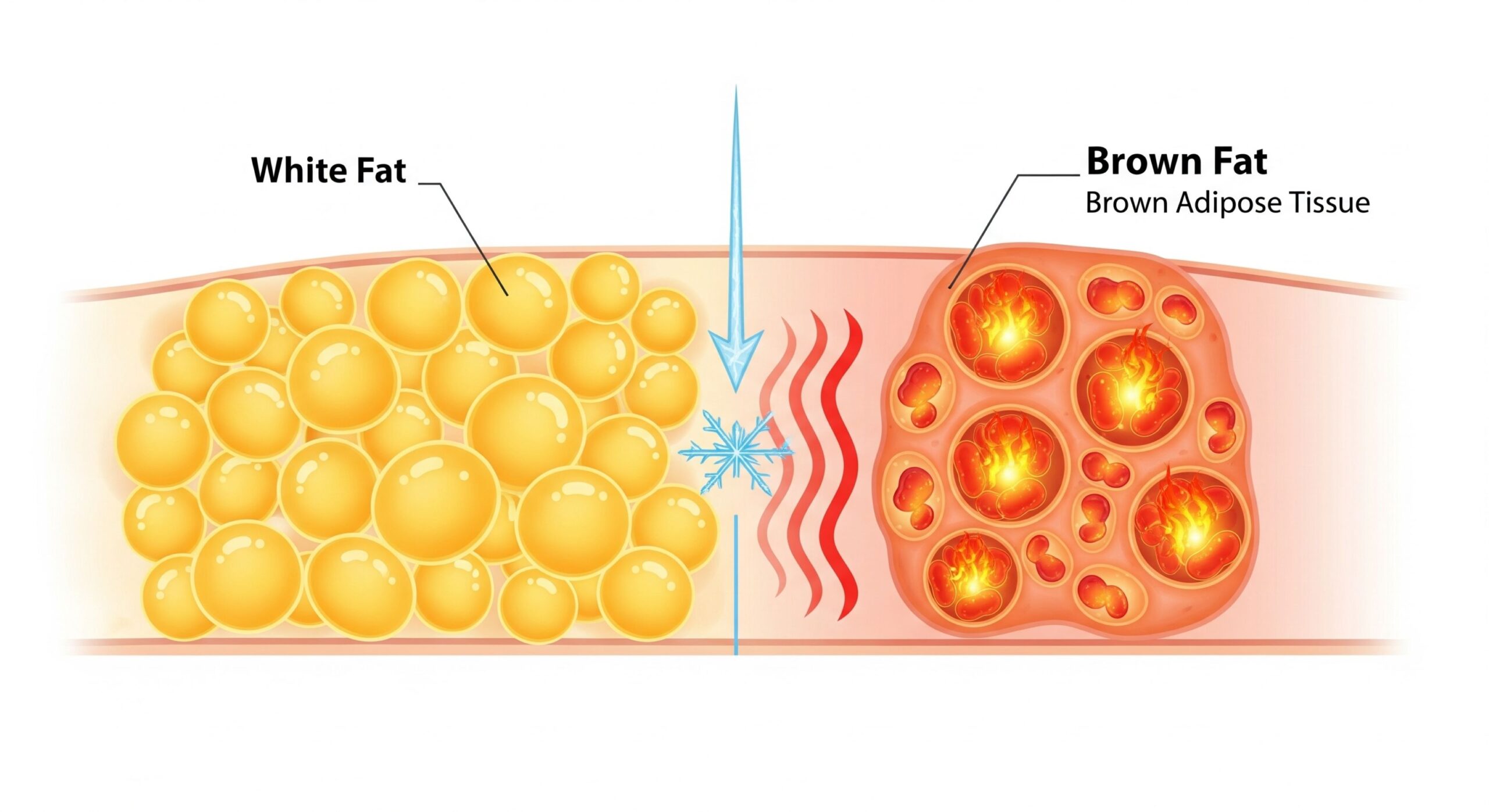
Improving Insulin Sensitivity: In addition, some studies also suggest that cold exposure can improve insulin sensitivity. The activation of brown fat helps it take up glucose from the bloodstream. This can enhance the body’s ability to manage blood sugar levels, an effect that is promising for individuals with or at risk of developing metabolic disorders.
Bonus: Pairing Cold Plunging with Other Wellness Practices
To amplify the benefits of cold plunging, consider pairing it with other wellness practices. This synergy can create a more holistic and powerful approach to health.
Contrast Therapy (Sauna and Cold Plunge): Alternating between a hot sauna and a cold plunge, known as contrast therapy, is excellent for circulation. The heat from the sauna dilates your blood vessels, and the cold plunge constricts them. Consequently, this “pumping” action can help reduce inflammation and improve recovery.
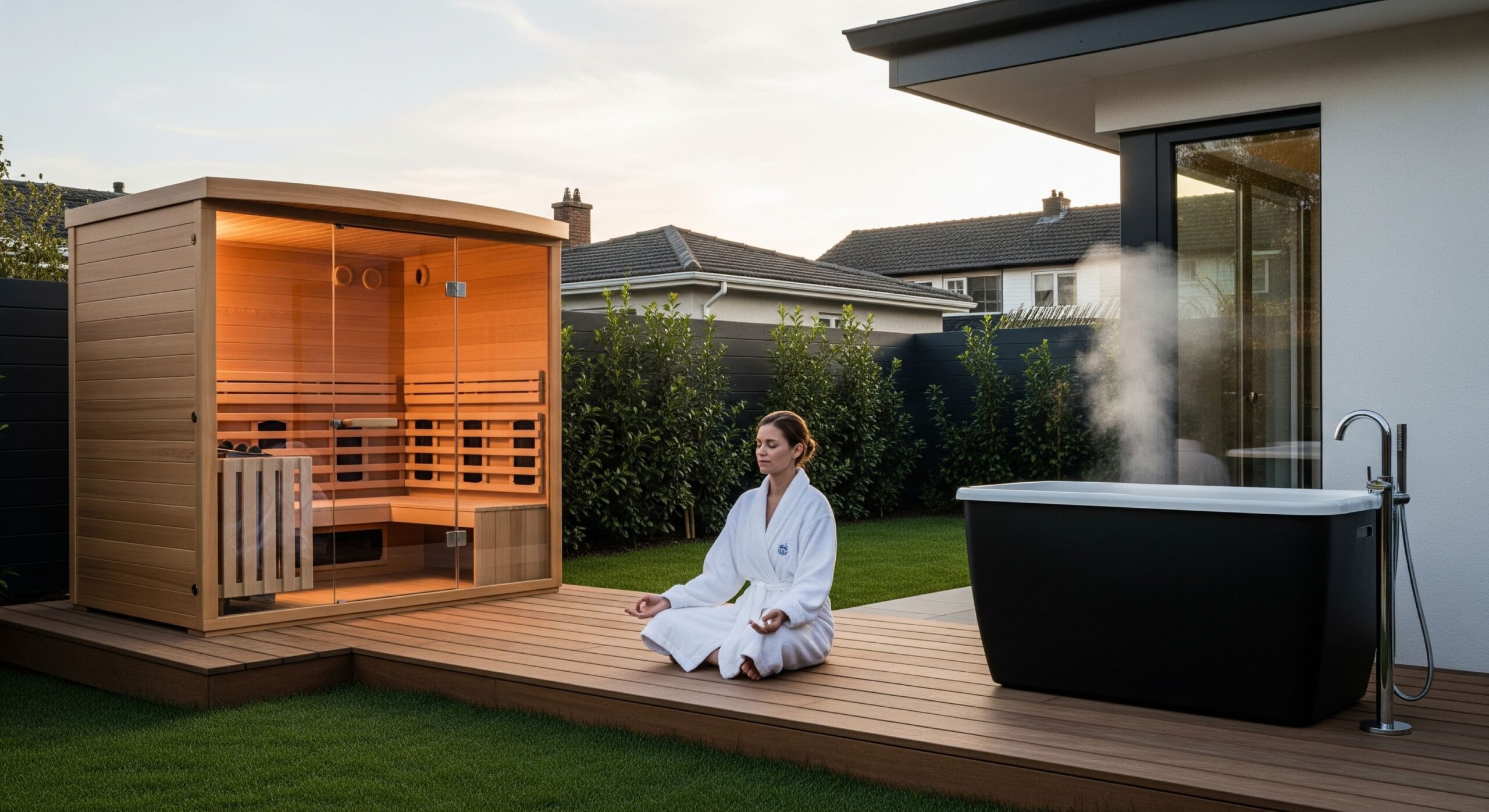
Breathwork Before a Cold Plunge: Practicing specific breathing techniques, like those popularized by Wim Hof, before a cold plunge can help you better manage the initial shock. Deep, controlled breathing can calm your nervous system, allowing you to stay in the cold water more comfortably and for a longer duration.
Meditation and Mindfulness During a Cold Plunge: Finally, using the cold plunge as a mindfulness exercise can enhance its mental benefits. Focus on your breath and the sensations in your body without judgment. This practice strengthens the mind-body connection and builds profound mental resilience that extends beyond the ice bath.
Cold Plunge FAQ: Frequently Asked Questions
How cold should the water be for a cold plunge?
For beginners, a good starting temperature is between 10-15°C (50-60°F). The key is for the water to be uncomfortably cold but safe. As you adapt, you can gradually lower the temperature. It’s less about hitting a specific number and more about listening to your body.
How long should I stay in the cold water?
Start with a short duration, such as 30 to 60 seconds. As your body adapts, you can slowly increase the time. Most of the health benefits of a cold plunge are believed to occur within the first 2-3 minutes. Longer exposure increases the risk of hypothermia and is not necessary for most people.
Can I do a cold plunge every day?
Many people practice cold plunging daily and find it beneficial. However, it depends on your body, your goals, and your recovery needs. Some may prefer to do it a few times a week. It’s important to listen to your body and take rest days when needed.
What if I have a medical condition?
It is crucial to consult with your doctor before starting cold plunging, especially if you have cardiovascular issues (like high blood pressure), circulatory problems (like Raynaud’s phenomenon), are pregnant, or have any other significant health concerns.
Conclusion: The Reality of Cold Plunging Health Benefits
The cold plunging trend is more than just a health fad. Indeed, it’s a powerful practice with a strong foundation in science. The science behind cold plunging health benefits is compelling. By subjecting your body to a controlled cold stress, you can stimulate beneficial responses. This includes a norepinephrine boost for mental clarity, reduced inflammation for faster muscle recovery, the activation of metabolism-boosting brown fat, and a potential strengthening of your immune system.
Ultimately, the key to unlocking these benefits is not a test of endurance, but rather about consistency, a safe approach, and understanding your body’s limits. A cold plunge is not a magic bullet, but it is a powerful tool. When used wisely, it can help you build a more resilient mind, a healthier body, and a more energized life.
Sources and References
- Health effects of voluntary exposure to cold water – a continuing subject of debate
- Short-Term Head-Out Whole-Body Cold-Water Immersion Facilitates Positive Affect…
- Health Benefits of Cold Water Therapy May Be Short-Lived, Study Finds
- The Application of Phase Change Material for Prolonged Cooling…
- Increased Brown Adipose Tissue Oxidative Capacity in Cold-Acclimated Humans
- Cold exposure: Human immune responses and intracellular cytokine expression
- Cold Water Hazards and Safety – National Weather Service
- Cryotherapy for Athletes: How it works, Benefits – Mass General Brigham
The Science of Cold Plunging
An interactive look at the science-backed health benefits of cold water immersion. Click on any window to learn more.
The Initial Shock
Triggers a powerful physiological response that trains your nervous system.
Learn More
Mental Clarity
Boosts focus and mood through a surge of norepinephrine.
Learn More
Muscle Recovery
Reduces post-workout inflammation and accelerates muscle repair.
Learn More
Synergy Practices
Pair with sauna, breathwork, or meditation for enhanced effects.
Learn More