As parents, navigating the topic of childhood obesity can feel overwhelming, but it’s one of the most important health challenges we can tackle for our kids. This isn’t just a minor issue anymore—it’s a growing concern across the globe that affects millions of children and teens. Indeed, carrying a higher body weight can lead to serious health, social, and emotional hurdles that cast a long shadow over a child’s future. The good news, however, is that we have the power to change this. By understanding the root causes and risks of childhood obesity, we can take proactive steps to guide our children toward healthier, brighter futures, starting right now.
A Growing Concern: The Rise of Childhood Obesity
When we talk about childhood obesity, it’s more than just a few extra pounds. It’s a medical condition where a child has an excess of body fat that can pose real health risks. The numbers, frankly, are staggering. Over the last few decades, the rate of childhood obesity has soared. Organizations like the World Health Organization (WHO) and the CDC report that this trend has more than quadrupled since the 1970s. As a result, in many countries, nearly one in three children now has a higher body weight. This dramatic shift points to big changes in our society—from the food we eat to how much we move. To truly tackle this, therefore, we need a team approach that looks at both personal habits and the world our kids are growing up in.
“From 1970 to 2010, the prevalence of obesity in children ages 6 to 11 in the U.S. more than tripled.”
— Centers for Disease Control and Prevention (CDC)
The Puzzle of Childhood Obesity: Why Children Gain Weight
Childhood obesity is rarely a simple issue. Instead, it’s usually the result of a complex mix of genetics, behaviors, and a child’s environment. Understanding these different pieces of the puzzle is the first step for parents and guardians to build effective, long-lasting prevention strategies.
Dietary Factors: The Modern Food Trap
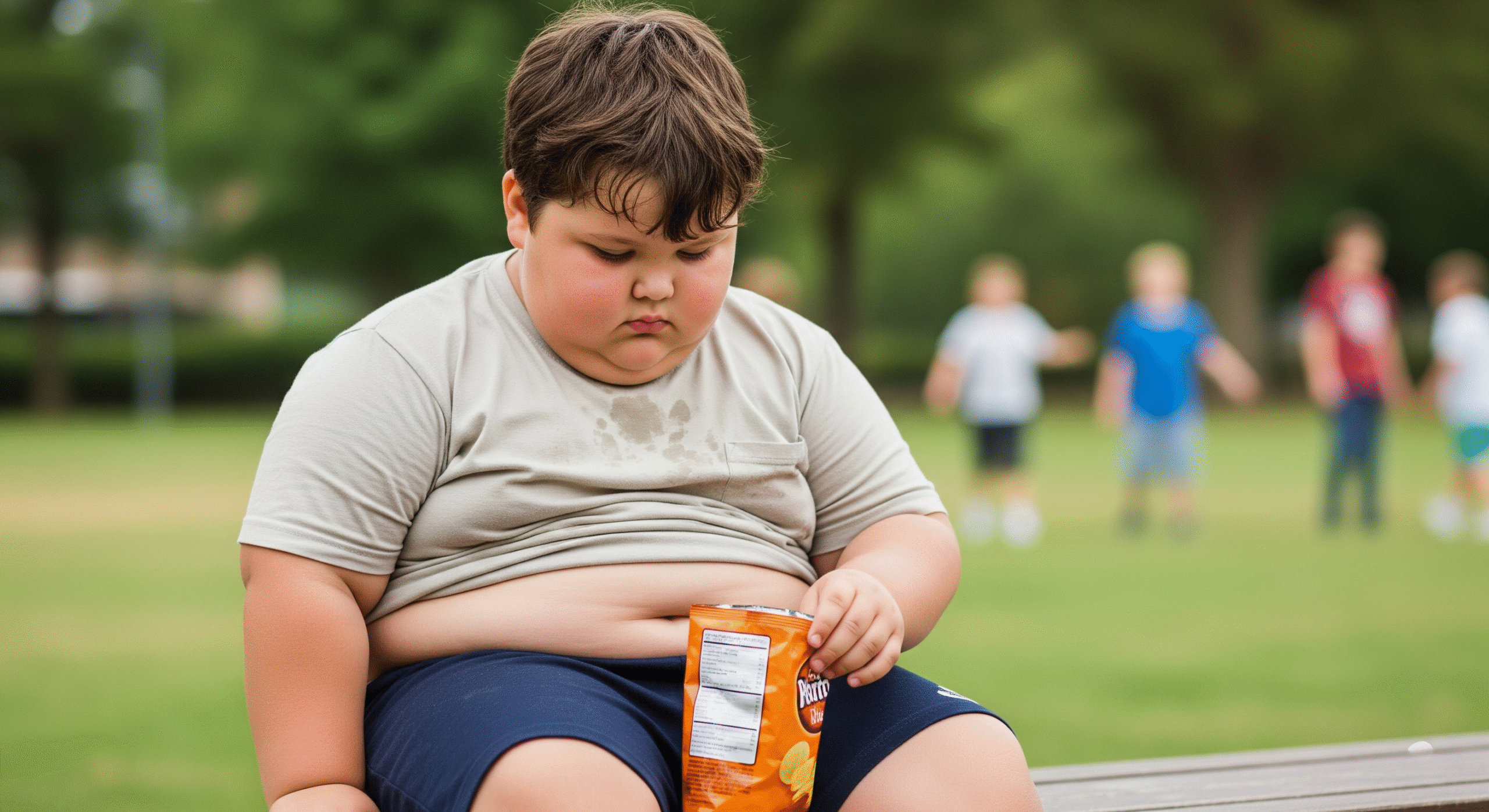
Let’s face it, our food landscape has completely changed. Today, our kids are surrounded by highly processed, high-calorie foods that don’t offer much nutrition. These items, like sugary drinks, fast food, and processed snacks, are cheap, convenient, and heavily marketed directly to them. All these factors, unfortunately, contribute to kids consuming too many calories without the essential vitamins and minerals they need to grow. On top of that, busy schedules often mean fewer family mealtimes and more grab-and-go eating. To counter this, we can focus on bringing whole, unprocessed foods back to the dinner table and teaching our kids what real, nourishing food looks like.
The Physical Activity Gap
Not long ago, kids spent most of their free time playing outdoors. Now, however, screen time from phones, tablets, and video games often takes the place of active play. This sedentary lifestyle is a direct contributor to weight gain because children are simply burning fewer calories. In some neighborhoods, furthermore, a lack of safe parks and playgrounds can also limit opportunities for exercise. Without regular physical activity, kids miss out on building strong muscles and bones and keeping their hearts healthy. The key, therefore, is to find fun ways to get them moving, whether it’s through sports, dancing, or just a family game of tag in the backyard.
“It’s a simple equation: calories in versus calories out. If children eat too many calories and get too little physical activity, they will gain weight.”
— Mayo Clinic
Genetic and Environmental Influences
While genetics can play a role, it’s definitely not the whole story. A child with a family history of higher weight might be more predisposed, but their environment often seals the deal. The habits at home—for instance, the types of food in the pantry and how much time is spent being active—shape a child’s behaviors for life. Moreover, socioeconomic factors can create extra hurdles. For example, families in “food deserts” may struggle to find or afford fresh produce. Recognizing these outside pressures helps us create smarter, more empathetic solutions to childhood obesity.
The Psychological Connection to Childhood Obesity
For some children, food becomes a way to cope with tough emotions like stress, boredom, or sadness. This pattern of emotional eating can start young and create a difficult cycle of weight gain and inner struggle. Additionally, weight-related bullying can seriously damage a child’s self-esteem, leading to further isolation and unhealthy habits. The psychological toll of childhood obesity is huge and can even contribute to anxiety and depression. That’s why any prevention plan must also support a child’s mental well-being by teaching them healthy ways to manage their feelings.
“Obesity is associated with an increased risk of poor mental health and low self-esteem in children and adolescents.”
— American Psychological Association (APA)
Understanding the Risks of Childhood Obesity
The consequences of childhood obesity extend far beyond physical appearance. This condition puts kids at a higher risk for serious health problems that were once seen only in adults.
Immediate Physical Health Risks
Children with a higher body weight are much more likely to develop conditions like Type 2 diabetes and high blood pressure, which can consequently lead to heart problems down the road. They can also experience joint pain as their growing bodies struggle to support the extra weight. Other serious risks include sleep apnea—a condition that disrupts breathing during sleep and leads to exhaustion—as well as fatty liver disease and high cholesterol. Tackling these physical risks early on is absolutely critical.
“Childhood obesity is one of the most serious public health challenges of the 21st century. The problem is global and is steadily affecting many low- and middle-income countries.”
— World Health Organization (WHO)
The Psychological and Social Toll
The emotional impact can be just as devastating. Children with a higher weight often face bullying and social exclusion, which can lead to loneliness, low self-esteem, and a negative self-image that’s tough to shake. This emotional struggle can, in turn, spiral into anxiety and depression, affecting everything from school performance to their overall quality of life. As parents and educators, it’s our job to create a supportive environment that values health over size and teaches kids to be kind and empathetic.
“Emotional distress, poor body image, and low self-esteem are common among children with obesity, and can contribute to a cycle of weight gain.”
— National Heart, Lung, and Blood Institute (NHLBI)
Preventing Childhood Obesity: Proactive Strategies for Parents
The best way to prevent childhood obesity is to build a healthy environment both at home and in the community. Below are some effective strategies for parents and guardians to get started.
Build a Foundation of Healthy Eating Habits
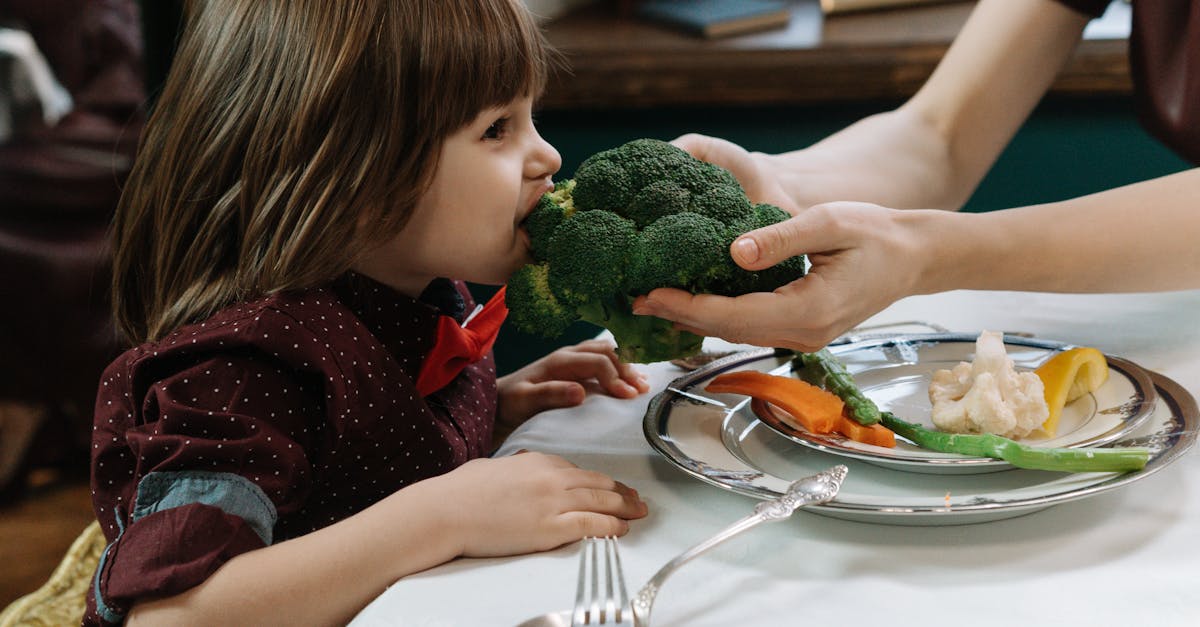
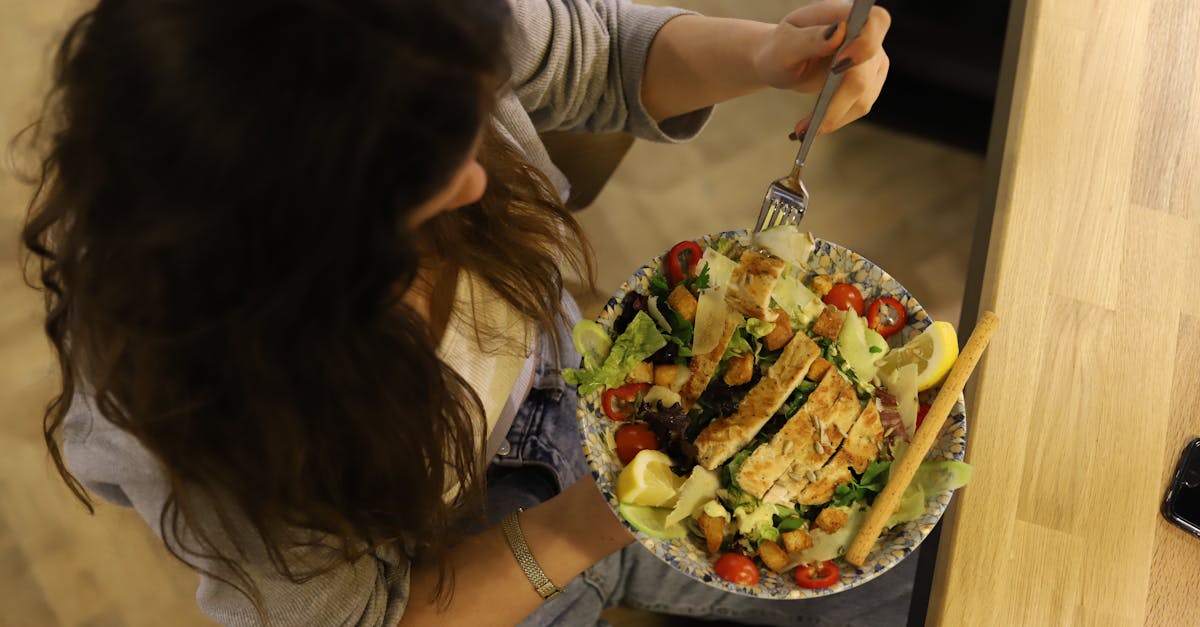
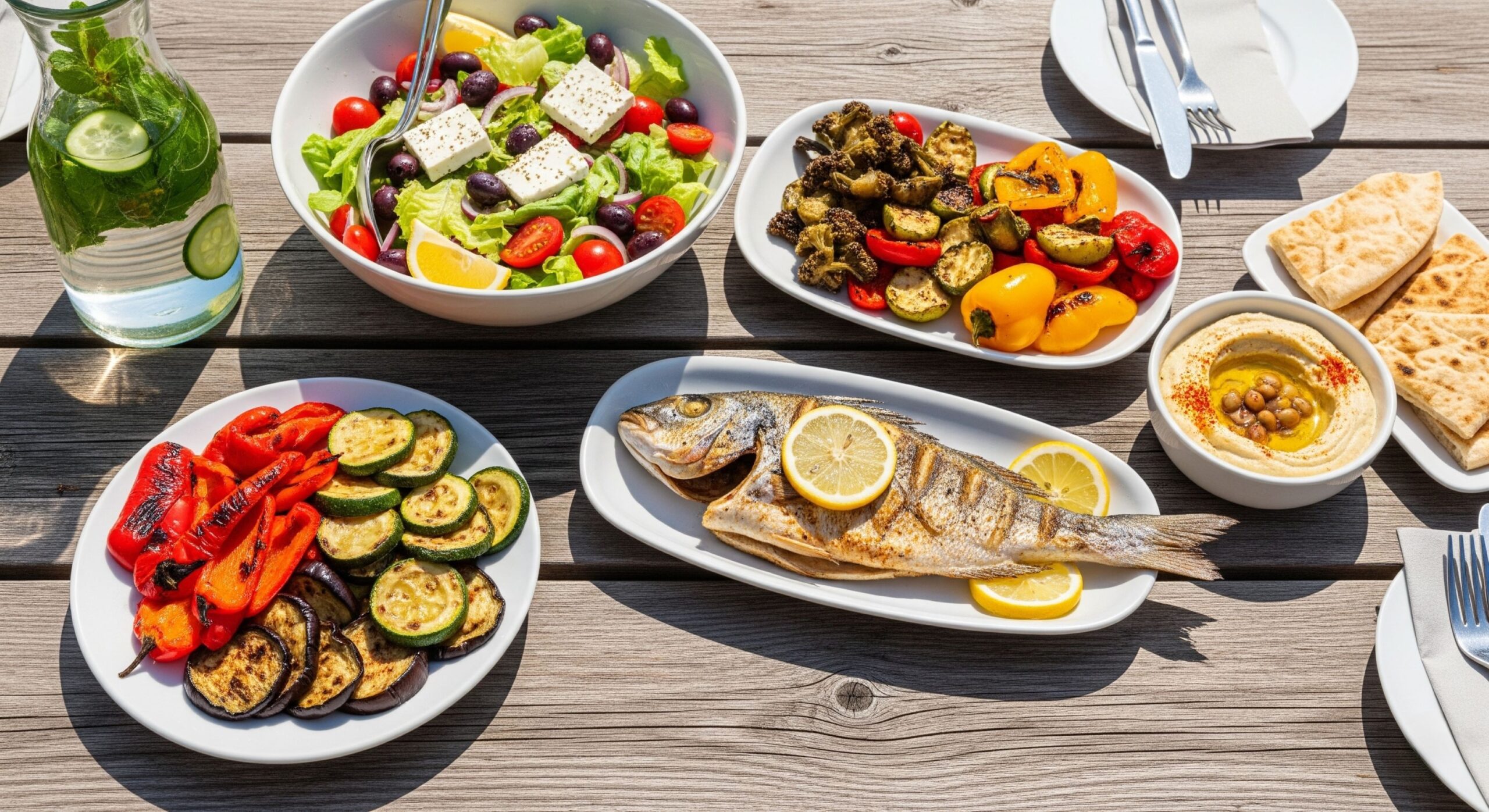
Parents have a huge influence on a child’s relationship with food. You can start by making nutritious, whole foods the norm. Specifically, offer a colorful variety of fruits, vegetables, and lean proteins. Even better, get your kids involved in the kitchen! Children who help shop for groceries or prepare meals are far more likely to try and enjoy the food. It’s also important to limit sugary drinks and processed snacks. Instead of an outright ban, you can frame them as “once-in-a-while” treats, not everyday staples. Finally, making dinner a family affair helps strengthen bonds and model healthy eating in a relaxed, positive way.
“Family meals are a great opportunity to model healthy eating behavior and encourage children to try new foods.”
— American Academy of Pediatrics (AAP)
Make Physical Activity a Way of Life
We can help our kids build a love for movement by making it a fun and regular part of life. This starts, for instance, with setting clear limits on screen time and encouraging active alternatives. Think creatively: a family hike, a living room dance party, or just playing catch in the yard can make a big difference. By making activity a family priority, you show your children that moving your body is a source of joy, not a chore.
The Community’s Role in Preventing Childhood Obesity
While parents are on the front lines, they can’t do it alone. In truth, a community-wide effort is needed to make healthy choices easier for everyone and fight childhood obesity.
Schools as Health Hubs
Schools play a massive role in a child’s health. They can promote well-being by offering nutritious meals, ensuring daily physical education, and limiting unhealthy snacks. In addition, schools can also become a resource for families by hosting workshops on healthy living. By partnering with teachers and staff, parents can advocate for an environment that reinforces the healthy habits they’re teaching at home.
Advocating for Healthier Communities
Our neighborhoods can either help or hinder our efforts. Communities can step up by creating safe recreational spaces, supporting farmers’ markets, and designing streets with sidewalks and bike lanes. When we advocate for these changes, we help create a supportive environment where the healthy choice becomes the easy choice for every family.
A Parent’s Pivotal Role in Preventing Childhood Obesity
At the end of the day, parents and guardians hold the most power to shape their child’s health. Your actions, support, and positive attitude are the most critical ingredients for success against childhood obesity.
Be a Positive Role Model
Kids are always watching. When they see you enjoying healthy foods and staying active, they’re much more likely to follow your lead. It’s also vital to avoid using food as a reward or punishment and to never criticize your child’s body. Instead, focus on praising their efforts and celebrating healthy habits. By speaking positively about your own body, you teach them to have a healthy self-image, too.
Keep the Conversation Open and Seek Help
Talk openly with your children about what it means to be healthy. You can explain, for example, how nutritious food gives them energy to play and how being active helps them feel happy. If you have concerns about your child’s weight or potential childhood obesity, don’t hesitate to reach out for professional help. Your pediatrician or a registered dietitian can offer personalized advice and help you create a realistic, supportive plan for the whole family.
Bonus: Quick Tips to Combat Childhood Obesity
Putting healthy habits into practice can be fun and simple. Here are a few practical ideas to get your family started on the right track without feeling overwhelmed.
Quick & Healthy Snack Swaps
- Swap Soda for Sparkling Water: Add a splash of fruit juice or fresh berries for a fizzy, low-sugar treat.
- Swap Potato Chips for Kale Chips: Bake kale with a little olive oil and salt for a crunchy, nutrient-packed snack.
- Swap Candy Bars for Fruit & Nuts: A handful of almonds and an apple provides fiber, protein, and sustained energy.
- Swap Sugary Cereal for Oatmeal: Top with cinnamon, fruit, and a drizzle of honey for a warm and filling breakfast.
Fun Family Activities to Get Moving
- Weekend Park Adventures: Explore a new local park or nature trail every weekend.
- Living Room Dance Parties: Create a family playlist and take 15 minutes to dance together after dinner.
- Backyard Olympics: Set up simple, fun challenges like relay races, jumping jacks, or hula hoop contests.
- Active Screen Time: Choose video games that require movement, like dancing or sports simulations.
Conclusion: Tackling Childhood Obesity Together
Childhood obesity is a complex issue, but it’s one we can absolutely solve together. By understanding the causes, recognizing the risks, and taking proactive steps, we can make a profound difference. The key is to start early and work as a team—parents, educators, and community members—to build an environment where children can thrive. This means providing nourishing foods, encouraging active play, and fostering a positive relationship with both food and body.
When we do this, we’re doing more than just tackling a health problem. Ultimately, we’re investing in the well-being of an entire generation, giving our children the foundation they deserve for a long, vibrant, and fulfilling life.
Sources
Childhood Obesity Prevention
An Interactive Parent’s Guide
The rate of childhood obesity has more than tripled in the U.S. since the 1970s, making it a critical public health issue.
What Causes It? A Complex Puzzle
Dietary Habits
High-calorie, low-nutrient processed foods, sugary drinks, and fast food are readily available and heavily marketed.
Sedentary Lifestyle
Increased screen time on phones, tablets, and video games replaces active outdoor play, reducing daily calorie burn.
Genetics & Environment
Family history can play a role, but home habits and lack of access to healthy options are powerful influences.
Serious Health Risks, Now and Later
Physical Health
Higher risk of developing Type 2 diabetes, high blood pressure, heart disease, and joint pain at a young age.
Mental & Social Toll
Often leads to low self-esteem, bullying, social isolation, anxiety, and depression that can last a lifetime.
How Parents Can Take Action
Promote Healthy Eating
Make whole foods the norm. Involve kids in cooking, limit sugary snacks, and enjoy family meals together.
Encourage Activity
Set limits on screen time. Find fun ways to move as a family, like hiking, dancing, or playing in the park.
Be a Positive Role Model
Kids learn by watching. Enjoy healthy foods and an active life yourself. Focus on health, not weight.