
Optimal Nutrition for Expecting Mothers: A Complete Guide to Healthy Eating
Pregnancy is a transformative and often miraculous journey. During this period, the phrase “eating for two” becomes especially relevant. However, this does not mean you should simply double your portion sizes. Instead, it emphasizes the profound importance of choosing nutrient-dense foods that truly nourish both you and your growing baby. Through proper diet planning, you provide the essential building blocks for your little one’s development while also supporting your own body through these remarkable changes. Understanding the right nutrients to focus on is the first and most critical step in this journey, paving the way for a healthy pregnancy and a strong start to life for your child.
“A healthy diet is one of the best ways to promote a healthy pregnancy.” – American College of Obstetricians and Gynecologists (ACOG)
The Foundational Pillars of a Healthy Pregnancy Diet
A balanced diet is the cornerstone of optimal prenatal nutrition. It includes a wide variety of foods that provide a broad spectrum of macronutrients and micronutrients. Macronutrients, which consist of carbohydrates, proteins, and fats, give your body the energy it needs to function and grow. In contrast, micronutrients—various vitamins and minerals—act as vital cogs in the body’s complex machinery, facilitating countless biochemical reactions essential for both you and your baby.
Carbohydrates: Often a source of concern, carbohydrates are, in fact, your body’s primary source of energy. Choose complex carbohydrates like whole grains, legumes, and starchy vegetables. These foods break down slowly, providing a steady release of energy and helping to prevent energy crashes. Furthermore, they are rich in fiber, which can help alleviate common pregnancy discomforts like constipation.
Proteins: Protein is absolutely crucial for your baby’s growth, from their tiny cells to their developing organs and muscles. Protein also supports your own body’s increasing blood volume and tissue growth. Excellent sources of lean protein include poultry, fish, eggs, beans, lentils, and nuts. Including a protein source with every meal helps maintain stable blood sugar levels and keeps you feeling full and satisfied.
Fats: Healthy fats are non-negotiable for fetal brain and eye development. They also play a role in hormone production and nutrient absorption. Focus on unsaturated fats found in avocados, nuts, seeds, and olive oil. Additionally, some fatty fish, like salmon and sardines, contain omega-3 fatty acids, which are particularly beneficial.
Crucial Vitamins and Minerals for Early Development
While a balanced diet covers all the basics, some nutrients demand special attention due to their critical roles in pregnancy. Being mindful of these specific vitamins and minerals ensures your diet is not just healthy but truly optimal for your unique needs.
Folic Acid (Folate): This nutrient is perhaps the most famous and most important for pregnancy, especially in the early stages. Folic acid helps prevent neural tube defects, which are serious birth defects of the brain and spine. Your body needs a higher amount of folic acid during pregnancy, which is why most healthcare providers recommend a supplement in addition to dietary sources. Foods rich in folate include leafy greens, fortified cereals, beans, and oranges.
“Folic acid is a B vitamin that is critical for the healthy development of a baby’s brain and spine.” – Centers for Disease Control and Prevention (CDC)
Iron: As your baby develops, your body’s blood volume increases dramatically to supply oxygen and nutrients. Consequently, your need for iron skyrockets. Iron deficiency can lead to anemia, which can cause fatigue and increase the risk of preterm birth or low birth weight. You can boost your iron intake with lean red meat, poultry, fish, and iron-fortified cereals. To enhance absorption, pair these foods with a source of vitamin C, such as a glass of orange juice.
“Iron deficiency during pregnancy can increase the risk of maternal and infant mortality.” – World Health Organization (WHO)
Building a Healthy Body: From Bones to Brains
Calcium and Vitamin D: These two nutrients work together to build your baby’s bones and teeth. If you do not consume enough calcium, your baby will draw it from your own bones, which can impact your bone health later in life. Excellent sources of calcium include dairy products, fortified plant milks, and leafy greens like kale. Vitamin D is just as important because it helps your body absorb calcium. You can get vitamin D from sun exposure, fortified milk, fatty fish, and egg yolks.
“Calcium and vitamin D are vital for the development of your baby’s bones and teeth.” – Mayo Clinic
Omega-3 Fatty Acids: These “good fats,” especially DHA and EPA, are vital for your baby’s brain and visual development. They have also been shown to play a role in reducing the risk of preterm delivery and postpartum depression. You can get omega-3s from fatty fish like salmon and mackerel, as well as from walnuts, chia seeds, and fortified eggs.
“Omega-3s, particularly DHA, are crucial for fetal brain and eye development.” – American Pregnancy Association
Iodine: This mineral is crucial for your baby’s thyroid function and brain development. Since many people don’t consume enough iodine, using iodized salt in your cooking is a simple and effective way to ensure you meet your needs. You can also find it in dairy products, eggs, and seafood.
Zinc: Zinc helps your baby’s cells grow and develop correctly. It is also important for your immune function and tissue repair. Meat, poultry, beans, nuts, and whole grains are all good sources of this essential mineral.
Building Your Prenatal Plate: Practical Tips
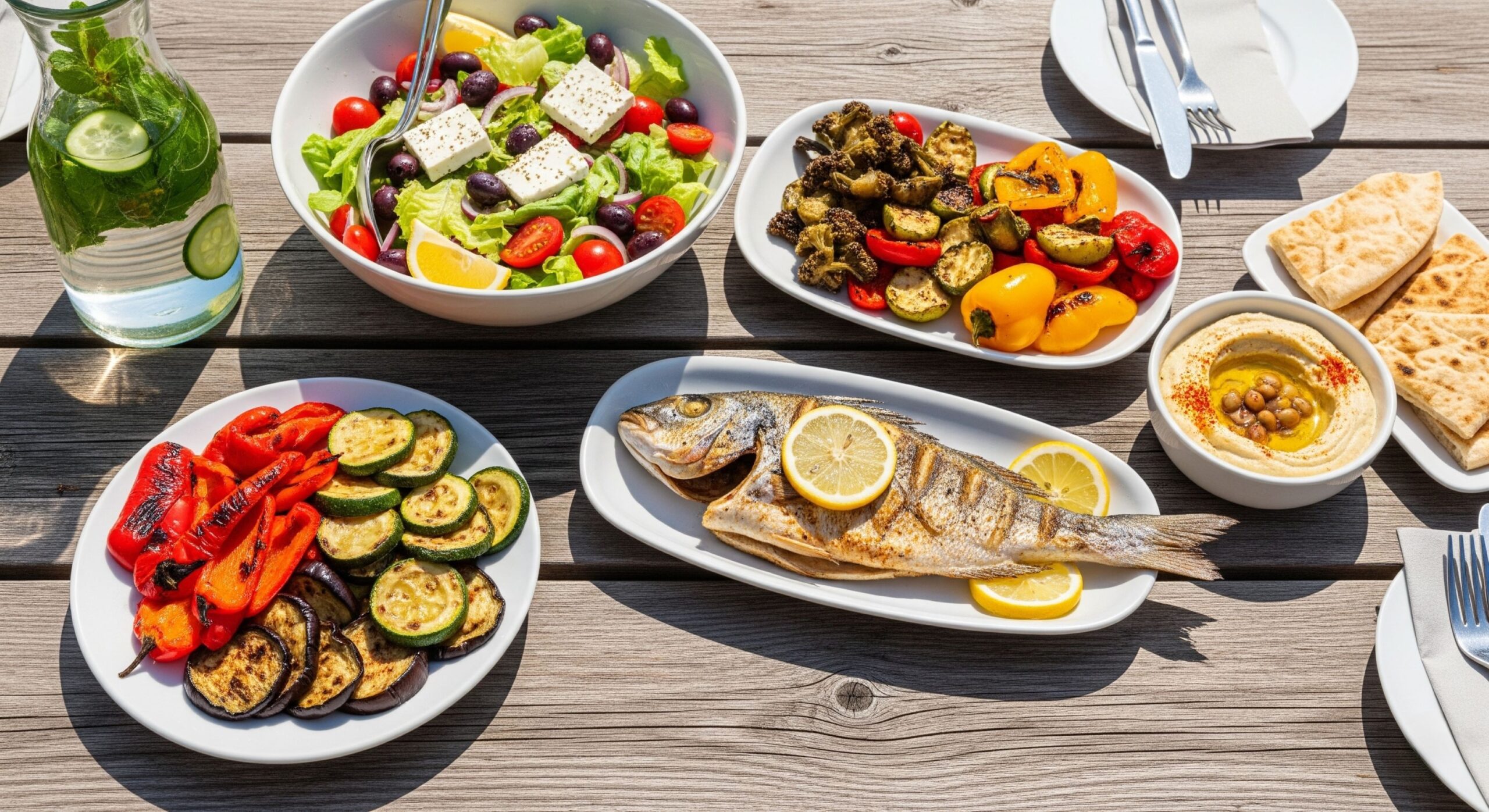
Now that you understand the key nutrients, let’s look at how to build a plate that incorporates them effortlessly. Thinking about your meals in terms of food groups makes it simple to ensure you’re getting a balanced mix. Choose foods from each group to compose a delicious and nutritious meal.
- Make Half Your Plate Fruits and Vegetables: A colorful array of fruits and veggies provides vitamins, minerals, and fiber. For example, a plate filled with leafy greens, vibrant bell peppers, and sweet potatoes offers a powerful dose of folic acid, vitamin A, and fiber. Choose different colors each day to get a broader spectrum of nutrients.
- Choose Whole Grains: These are a fantastic source of energy and fiber. Instead of white bread or pasta, opt for brown rice, quinoa, whole-wheat bread, and oats. These choices will help you feel fuller for longer and keep your digestive system running smoothly.
- Include Lean Proteins: Every meal should feature a lean protein source. Think grilled chicken breast, baked salmon, lentils in a hearty stew, or hard-boiled eggs as a snack. Protein supports muscle growth and tissue repair, which is critical for both you and your baby.
- Don’t Forget Healthy Fats: Incorporate healthy fats by adding a quarter of an avocado to your salad, sprinkling nuts on your oatmeal, or using olive oil for cooking. These small additions can make a huge difference in your nutrient intake.
Addressing Common Pregnancy Discomforts with Food
Nutrition is not just about growth; it’s also a powerful tool for managing some of pregnancy’s less pleasant symptoms. Your diet can be a secret weapon against common discomforts.
Morning Sickness: For many women, morning sickness is an early and unwelcome companion. Eating small, frequent meals throughout the day can help. Plain, bland foods like crackers, toast, and bananas are often well-tolerated. In addition, ginger, whether in tea or ginger ale, can have a soothing effect on a queasy stomach.
Constipation: Due to hormonal changes and the pressure of your growing uterus, constipation is a frequent complaint. Increasing your fiber intake is your best defense. Load up on fruits, vegetables, whole grains, and legumes. At the same time, make sure you drink plenty of water, as hydration is key to keeping your digestive system moving.
Heartburn: As your baby grows and crowds your digestive organs, heartburn can become an issue. You can often manage this by eating smaller meals and avoiding trigger foods like spicy or greasy dishes. Waiting at least an hour after eating before lying down can also provide significant relief.
Hydration and Prenatal Vitamins: The Supporting Cast
Food is fundamental, but two other elements play crucial supporting roles in your nutritional plan: water and supplements.
Hydration: Water is a silent hero of pregnancy. It is essential for forming amniotic fluid, producing extra blood, and helping your body absorb nutrients. Dehydration can lead to fatigue, headaches, and even contractions. Aim for at least 8 to 12 glasses of water a day. If plain water doesn’t appeal to you, try adding a squeeze of lemon or infusing it with cucumber or berries.
Prenatal Vitamins: Even with the most meticulous diet, meeting all your nutritional needs can be challenging. A high-quality prenatal vitamin acts as a safety net, ensuring you and your baby get all the essential nutrients you need, especially folic acid and iron. However, remember that a prenatal vitamin is a supplement, not a substitute, for a healthy diet.
Foods to Limit or Avoid for Safety
While focusing on what to eat is important, you also need to be aware of what to limit or avoid entirely. Making smart choices can protect your baby from potential harm.
- High-Mercury Fish: Large predatory fish like shark, swordfish, king mackerel, and tilefish can contain high levels of mercury, which can harm your baby’s developing nervous system. Instead, choose low-mercury options like salmon, canned light tuna, shrimp, and cod.
“Avoiding certain foods and being careful with food hygiene is an important part of a healthy pregnancy.” – NHS
- Unpasteurized Products: Steer clear of unpasteurized milk, soft cheeses (like brie and feta), and unpasteurized juices. These products can contain harmful bacteria like Listeria, which poses a serious risk to your baby.
- Undercooked Meats, Poultry, and Eggs: To avoid foodborne illnesses like Listeria and Toxoplasmosis, always cook meat and poultry thoroughly. Similarly, eggs should be cooked until the yolks and whites are firm.
- Excess Caffeine: High caffeine intake has been linked to a risk of miscarriage and low birth weight. Most health organizations recommend limiting caffeine to no more than 200 mg per day, which is about one 12-ounce cup of coffee.
Conclusion: A Journey of Nurturing
Your body is performing a miracle, and nurturing it with optimal nutrition is one of the most powerful ways you can support your baby’s journey. A balanced diet rich in whole foods, combined with proper hydration and a prenatal vitamin, creates the ideal environment for healthy growth and development. However, remember that every pregnancy is unique, and your nutritional needs may vary. Therefore, it is always a good idea to consult with your doctor or a registered dietitian. They can provide personalized advice and support, guiding you toward the best choices for your specific situation. By making mindful food choices, you are not just nourishing yourself; you are building a strong and healthy foundation for the future.
List of Sources
- American College of Obstetricians and Gynecologists (ACOG). Nutrition During Pregnancy
- Centers for Disease Control and Prevention (CDC). Folic Acid
- World Health Organization (WHO). Iron deficiency anaemia: assessment, prevention, and control
- Mayo Clinic. Pregnancy diet: What to eat when you’re expecting
- American Pregnancy Association. Omega-3s During Pregnancy
- National Health Service (NHS). Foods to avoid in pregnancy