
The moment you welcome a new baby into the world is an unforgettable one, a pinnacle of human experience that brings immense joy and love. Yet, what many people don’t fully understand is that the journey doesn’t end when the baby arrives; in many ways, it’s just beginning. After childbirth, a woman embarks on a profound and often challenging journey of physical and mental recovery, a period known as the fourth trimester. While society often focuses on the newborn, a mother’s well-being is equally, if not more, crucial. She needs time, care, and a deep understanding of what her body and mind are going through. Unfortunately, many new mothers face this period unprepared, overwhelmed by the physical changes, hormonal shifts, and emotional roller coasters that come with it.
This article serves as a comprehensive roadmap to guide you through the postpartum period. We will navigate the complexities of both physical healing and mental well-being, offering practical advice, compassionate insights, and a reminder that your recovery is a valid and important process. You are not just a caretaker for your baby; you are a woman who has undergone a miraculous transformation, and you deserve to heal completely. We will break down the recovery process, from the immediate days following birth to the long-term journey of reclaiming your strength and identity. Let’s embark on this journey together.
Part 1: The Physical Recovery Journey
The physical changes a woman’s body undergoes during pregnancy and childbirth are nothing short of monumental. Subsequently, the recovery process requires patience, attention, and a recognition that your body needs time to mend. The first six weeks, often called the immediate postpartum period, are critical for physical healing. Women should receive continuous care during this time, as a recent review from the American College of Obstetricians and Gynecologists (ACOG) emphasizes that postpartum care should be an ongoing process, not a single visit. This new approach recognizes the fourth trimester as a critical period for both maternal and infant health. ACOG’s guidelines now recommend a comprehensive visit within the first three weeks postpartum, with ongoing care as needed.
“The postpartum period is often considered the ‘forgotten’ period of care. However, it is an essential time for a woman to recover from childbirth and to transition to caring for her newborn and herself.”
The Immediate Aftermath: The First Six Weeks
Directly following birth, your body begins the intense process of recovery. You may experience what doctors call “afterpains” as your uterus contracts to return to its pre-pregnancy size. While these contractions can feel similar to labor pains, they are a normal and necessary part of healing. You can manage this discomfort with over-the-counter pain relievers and by lying on your stomach, which helps the uterus contract more effectively. A 2021 study published in the Journal of Clinical and Diagnostic Research highlights the efficacy of non-pharmacological interventions, such as breathing exercises and massage, in managing afterpains.
Additionally, postpartum bleeding, or lochia, will last for several weeks. This is your body shedding the uterine lining and blood that it no longer needs. The bleeding will be heavy at first, similar to a heavy menstrual period, and will gradually lighten to a brownish or yellowish discharge. Using large maternity pads is essential during this time; tampons can introduce bacteria and are not recommended.
“Caring for your body after giving birth, whether vaginally or by C-section, is an act of strength. Be patient with yourself, and remember that healing takes time.”
For women who had a vaginal birth, caring for the perineum is a top priority. You may have soreness, swelling, or stitches. A sitz bath, where you soak your perineum in a shallow basin of warm water, can offer significant relief. Many hospitals also provide “padsicles” (maternity pads soaked in witch hazel and frozen) that help numb the area. Staying hydrated and eating a diet rich in fiber are also crucial to prevent constipation, which can put strain on the healing area. The National Institute of Child Health and Human Development (NICHD) provides detailed guidance on perineal care and other postpartum recovery topics.
If you had a Cesarean section (C-section), your recovery focuses on caring for your incision. Keep the incision site clean and dry, and follow your doctor’s instructions for dressing changes. Avoid lifting anything heavier than your baby to prevent straining the abdominal muscles. While C-sections are major surgery, your doctor will likely encourage you to walk soon after the procedure to promote circulation and prevent blood clots. Pain management is also key; don’t hesitate to take your prescribed pain medication to stay comfortable and mobile.
“After a C-section, early ambulation is key to a smooth recovery. Getting up and walking, even for short distances, helps prevent complications like blood clots.”
Breastfeeding introduces its own set of physical challenges. In the early days, you might experience engorgement, a condition where your breasts become full, firm, and tender. Applying a warm compress before feeding and a cold compress afterward can help. You might also encounter sore or cracked nipples. A lactation consultant can provide invaluable guidance on proper latching techniques, which can prevent pain and improve your baby’s feeding efficiency. The Centers for Disease Control and Prevention (CDC) offers comprehensive support for new breastfeeding mothers.
Beyond the First Six Weeks: Rebuilding Your Foundation
Once you pass the initial postpartum weeks, your focus shifts from immediate healing to rebuilding your core strength and overall physical health. Two key areas require special attention: your core and your pelvic floor. Many women develop a condition called diastasis recti, a separation of the abdominal muscles, which can cause a protruding belly and lower back pain. You should not perform crunches or sit-ups as these exercises can worsen the separation. Instead, engage in gentle exercises that activate your deep core muscles, such as pelvic tilts and deep abdominal breathing. A pelvic floor physical therapist can be a game-changer, as they can accurately diagnose diastasis recti and create a personalized rehabilitation plan. For a complete guide to strengthening your body safely, consider a beginner’s guide to strength training, which can be adapted for postpartum needs. The Pelvic Pain Foundation of Australia also provides excellent resources on this topic.
“The postpartum recovery period is not about getting back to normal, but about finding a new normal for your body.”
Rebuilding pelvic floor strength is also essential. The pelvic floor muscles support your bladder, uterus, and bowel, and they have stretched considerably during pregnancy and birth. Doing Kegel exercises, which involve contracting and relaxing these muscles, helps improve bladder control and overall pelvic stability. A 2018 review in the Cochrane Database of Systematic Reviews confirmed that pelvic floor muscle training can significantly reduce the risk of urinary incontinence in the postpartum period.
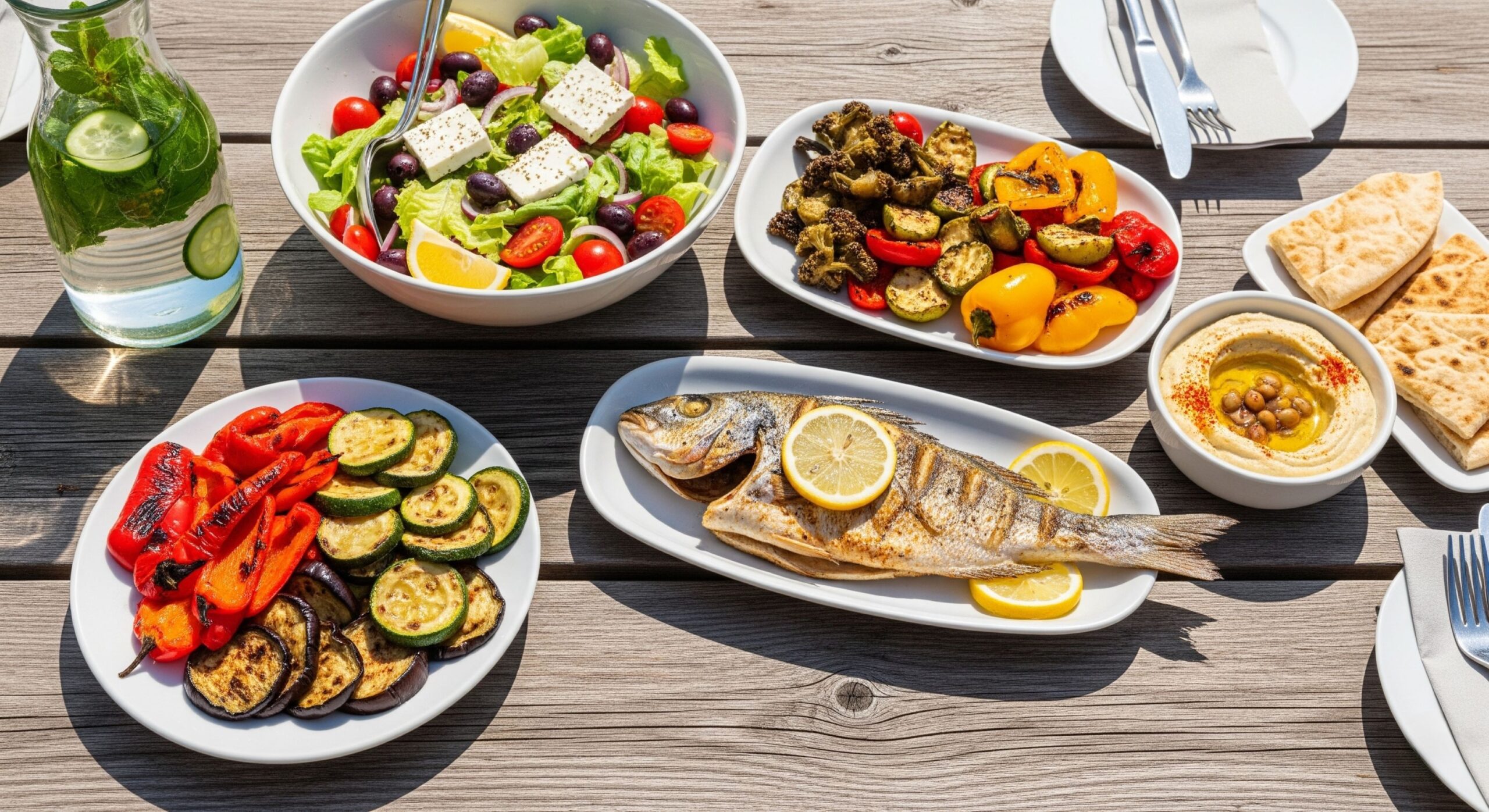
Nourishing your body is equally vital for long-term recovery. A balanced diet provides the energy you need to care for your baby and helps your body repair tissues. Focus on protein for muscle repair, healthy fats for hormone regulation, and complex carbohydrates for sustained energy. You also need an abundance of vitamins and minerals, especially iron, which helps replenish the blood you lost during childbirth. Don’t forget to drink plenty of water, as the importance of hydration cannot be overstated, especially if you are breastfeeding, as this will prevent dehydration and support milk production. Learn more about the science of balanced portions to ensure you are getting the right nutrients. The Australian Government’s Eat for Health guidelines offer specific nutritional advice for breastfeeding mothers.
“Good nutrition during the postpartum period is critical. It fuels your body for healing and provides the nutrients your baby needs through breast milk.”
Finally, less-discussed physical changes like postpartum hair loss and skin changes are common. The hormonal fluctuations after birth cause your hair to shed more than usual, a process that typically resolves on its own within a few months. Your skin may also become more sensitive or prone to breakouts. These changes are temporary, and treating your body with patience and kindness is the best approach. If you are experiencing feelings of being overwhelmed and are worried about your energy levels, consider learning how to manage and overcome chronic fatigue, which is a common experience for new mothers.
Part 2: The Mental and Emotional Landscape
While physical recovery is often discussed, the mental and emotional journey of a new mother is just as significant. The period after birth is marked by intense hormonal fluctuations, sleep deprivation, and the overwhelming responsibility of caring for a newborn. A strong social support network is a key protective factor. According to a report from the National Institute of Mental Health (NIMH), a lack of support can increase the risk of developing postpartum mood and anxiety disorders.
“The best thing a new mother can do for her health is to ask for help and not feel ashamed. You don’t have to do it all alone.”
The Baby Blues vs. Postpartum Depression
The first few weeks after birth can be an emotional whirlwind. Many women experience the “baby blues,” a common and temporary condition characterized by mood swings, sadness, irritability, and anxiety. You might cry for no apparent reason, feel overwhelmed, or worry excessively about your new baby. The baby blues typically start within a few days after birth and can last for up to two weeks. The cause is primarily hormonal, as your body’s hormone levels drop dramatically after delivery.
On the other hand, postpartum depression (PPD) is a more severe and long-lasting condition. While the baby blues are temporary and don’t require professional intervention, PPD can last for months and significantly interfere with a woman’s ability to function. If you feel like your symptoms go beyond the usual mood swings, it’s important to understand the difference. For more information, read our in-depth article, Beyond the Baby Blues. Symptoms of PPD include persistent sadness, crying spells, a loss of interest in activities you once enjoyed, feelings of worthlessness, and difficulty bonding with your baby. You may also experience intense anxiety, panic attacks, and intrusive thoughts. Recognizing the difference is crucial; if your symptoms persist beyond two weeks or feel debilitating, you should seek professional help immediately. The U.S. Office on Women’s Health provides excellent resources on recognizing and treating PPD.
“The ‘baby blues’ are a transient state, while postpartum depression is a debilitating illness that requires professional help.”
The Spectrum of Postpartum Mood and Anxiety Disorders (PMADs)
Postpartum depression is just one type of postpartum mood and anxiety disorder (PMAD). These conditions are a spectrum, and they are more common than you might think. Postpartum anxiety, for example, is characterized by overwhelming worry, fear, and a sense of dread. You might have constant racing thoughts, feel on edge, and struggle to relax. Postpartum obsessive-compulsive disorder (OCD) can involve obsessive, intrusive thoughts about harm coming to the baby, which are often accompanied by compulsive behaviors to prevent the perceived harm. Postpartum psychosis, while rare, is a severe psychiatric emergency that requires immediate medical attention.
“Postpartum anxiety is a hidden condition that affects many new mothers. We need to normalize the conversation around it and encourage women to seek help.”
It is absolutely vital to remember that these conditions are not a reflection of your character or your love for your baby. They are medical conditions caused by a combination of hormonal shifts, sleep deprivation, and pre-existing vulnerabilities. Reaching out for help is not a sign of weakness; it is a sign of immense strength. Talk to your doctor, a therapist, or a trusted friend. Support groups for new mothers can also provide a safe space to share your experiences with others who truly understand. Your partner’s role is also invaluable. They can offer emotional support, help with household chores and night feeds, and encourage you to seek professional help. A strong support system can make all the difference. For techniques on how to handle these feelings, read our article on managing daily stress. Postpartum Support International offers a wealth of resources for finding support.
“The transition to motherhood is a period of great vulnerability. Support from partners, family, and healthcare providers is paramount.”
Part 3: Building a Foundation for Wellness
Recovery after childbirth is not a solitary journey. The modern world often gives us a false sense of self-sufficiency, but new mothers thrive when they have a village to support them. In a 2019 article from the Mayo Clinic, doctors emphasize that building a support system is one of the most important things a new parent can do.
“The notion of the ‘supermom’ is a myth. Authentic motherhood involves asking for and accepting help, and being honest about your needs.”
The Power of Your Village
Asking for and accepting help is one of the most powerful things you can do for your recovery. Your friends, family, and neighbors want to help you, but they may not know how. Be specific about your needs. You can ask someone to bring a meal, watch the baby while you take a shower, or simply listen to you vent without judgment.
Furthermore, remember to set boundaries. While you want your loved ones to see the new baby, you have a right to say no to visitors if you are not feeling up to it. Protect your space and your energy. Your primary job during this time is to heal and bond with your baby, and everything else is secondary. Practicing mindfulness can also help you stay present and grounded amidst the chaos of a new routine.
Reclaiming Your Identity
The transition to motherhood can feel like a loss of your former self. You may miss your old life, your hobbies, and the freedom you once had. This is a normal part of the process, and acknowledging these feelings is the first step toward healing. Motherhood is a new identity you are building, but it does not have to erase who you were before. Make a conscious effort to find moments for yourself, even small ones. Take a short walk, read a chapter of a book, or sip a cup of tea in peace. These small acts of self-care will help you reconnect with your identity outside of being a mother. For better energy and focus, it’s also crucial to prioritize quality sleep. Read more on unlocking peak performance through better sleep, a valuable resource for new mothers.
“Self-care is not selfish. It is essential for a mother’s well-being and her ability to care for her family.”
Ultimately, your journey through postpartum recovery is a unique and personal one. Be gentle with yourself. There will be good days and bad days, moments of pure bliss and moments of overwhelming frustration. This is all part of the process.
Your body performed a miracle, and now it needs time to heal. Your mind is adapting to a new, beautiful, and challenging reality. Trust the process, seek support, and prioritize your well-being above all else. You are capable, strong, and deserving of a complete and compassionate recovery.
Sources:
- American College of Obstetricians and Gynecologists (ACOG). Optimizing Postpartum Care.
- Journal of Clinical and Diagnostic Research. The Efficacy of Non-Pharmacological Interventions in Management of Afterpains: A Review.
- National Institute of Child Health and Human Development (NICHD). Postpartum Recovery.
- Centers for Disease Control and Prevention (CDC). Maternal and Infant Health Conditions.
- Pelvic Pain Foundation of Australia. Postpartum Health.
- Cochrane Database of Systematic Reviews. Pelvic floor muscle training for preventing urinary incontinence in women after childbirth.
- Eat for Health (Australian Government). Pregnancy and Breastfeeding.
- National Institute of Mental Health (NIMH). Postpartum Depression.
- U.S. Office on Women’s Health. Postpartum Depression.
- Postpartum Support International. Find Peer Support.
- Mayo Clinic. What new moms need most: Help and support.