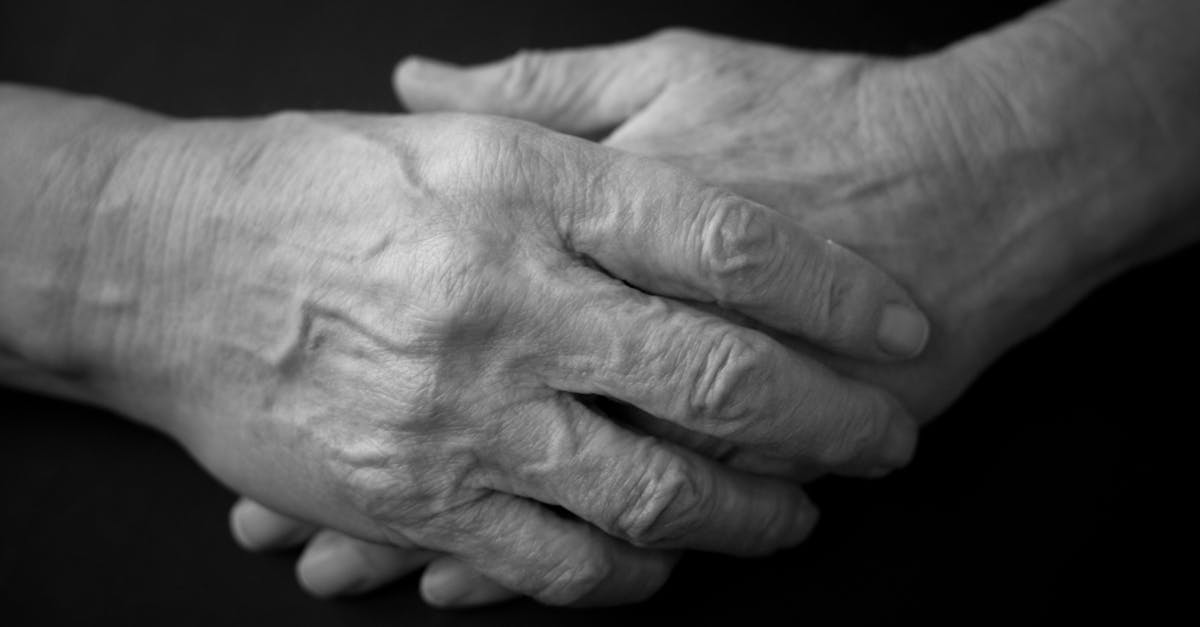

Anhedonia: Loss of Joy
One of the deepest and most misunderstood signs of depression is anhedonia. This is more than just feeling unhappy. It’s a strong and lasting inability to feel pleasure or interest in things you once loved. Imagine your favorite hobbies—things that once made you feel happy and excited. Now, they feel like boring chores. The music you used to love sounds flat. Your favorite foods taste bland. Social gatherings that once energized you now just feel tiring and pointless. According to the American Psychiatric Association, “Anhedonia is not sadness, but rather a loss of interest in, and withdrawal from, all the usual and pleasurable activities.”
Anhedonia is so subtle that it’s often hard to notice. You might think it’s just boredom or stress from work or school. Friends and family might think your lack of energy is just a bad mood. They might believe you just need a break. But unlike a passing mood, anhedonia doesn’t go away. It slowly takes the color out of your life. It turns your hobbies into duties and your joys into empty actions. This slow change is a major warning sign. It tells you that something has changed in your brain’s pleasure and motivation systems. When anhedonia takes hold, you stop doing the things that give your life meaning. This can make the depression worse and create a cycle of a lack of interest and withdrawal.
The Physical Toll of Depression
The physical symptoms of depression are perhaps the most surprising and easiest to miss. We often think of our minds and bodies as separate. But they are closely linked. Depression is a brain illness. Because of this, it can cause many physical pains and problems that have no clear medical reason. For many people, these physical symptoms are the only ones they have. This can lead to a long and frustrating journey with doctors.
“A significant percentage of patients with chronic pain suffer from an underlying mood disorder, such as depression.” – Harvard Medical School, Harvard Health Publishing.
Physical Aches and Pains
Headaches, back pain, joint aches, and general muscle soreness are very common signs of depression. Your body’s response to mental stress can show up in these physical ways. This can lead to many doctor visits and tests, leaving you feeling ignored. The brain’s chemical imbalances that cause depression can also make you more sensitive to pain. They can even create the feeling of pain itself. Stress hormones from depression can also cause tense muscles and swelling, leading to physical aches.
Digestive Problems and Sleep Changes
Depression also often shows up as stomach problems. You might have constant stomach aches, nausea, bloating, or even symptoms that seem like Irritable Bowel Syndrome (IBS). The gut and brain are connected by the gut-brain axis, a complex communication system. When your mental state is in distress, your gut can suffer. As stated by Johns Hopkins Medicine, “The brain and the gut have a close relationship. This is why a person’s stomach or intestines can be affected by stress, anxiety, or depression.”
Sleep problems are another main sign. Some people with depression have a hard time sleeping. They can’t fall asleep or wake up many times during the night. Others sleep for a very long time but never feel rested. Both extremes can make you feel constantly tired. This is a deep tiredness that no amount of rest can fix. This tiredness can also be a standalone symptom. It can make it hard to get out of bed in the morning or do simple tasks. You might also notice a big change in your appetite. You might eat much more or much less than normal. This can cause you to gain or lose weight quickly. The National Sleep Foundation notes, “Depression and sleep problems are closely linked. People with insomnia may have a higher risk of developing depression, and people with depression are more likely to have sleep problems.”
Behavioral & Cognitive Signs
Besides physical and emotional signs, depression can also show up in your habits and thought patterns. These are often easy to mistake for personal flaws. But they are strong signs of a deeper issue.
“Rather than feeling sadness, some individuals, particularly men, may experience depression as irritability, anger, and a loss of emotional control.” – National Institute of Mental Health (NIMH).
Irritability and Withdrawal
Irritability and anger are two of the most missed symptoms, especially in men and teenagers. Society often thinks depression is only about sadness. So, when a person becomes short-tempered, easily frustrated, or even angry, we don’t think it’s a mental illness. Instead, we see a difficult or unpleasant person. But underneath that anger, a person might be dealing with a lot of pain. They may not be able to handle daily stress well. Their anger is often a sign of their inner struggle and frustration.
Changes in Habits and ‘Brain Fog’
Changes in daily habits can also be a big signal. You might stop caring about personal hygiene. You may skip showers or no longer care about how you look. Putting things off becomes normal. Simple tasks feel huge and hard to do. Your work or school performance may get worse. It becomes hard to meet deadlines or focus. These changes are not signs of laziness. They happen because of the deep mental and physical tiredness that depression causes, as explained by the Cleveland Clinic.
“Depression affects your concentration, memory, and ability to make decisions. It’s often described as ‘brain fog’.” – The Mayo Clinic.
On a mental level, depression can create a type of “brain fog.” You might have a hard time focusing. It can be difficult to read a book or follow a conversation. Your memory might fail you. You might forget important details or appointments. Making even simple choices can feel impossible. This leads to a state of being unable to decide on anything. Also, feelings of worthlessness and guilt are common. You might find yourself always saying sorry. You might feel like a burden to others, even when there’s no reason to feel this way. The American Psychological Association notes, “A prominent symptom of depression is feeling guilty about things that are not your fault.”
Depression can also weaken your immune system. This makes you more likely to get colds, the flu, and other illnesses. If you get sick more often, and your symptoms last longer than they should, it could be a sign that depression is wearing down your body. Dr. David Spiegel from Stanford University School of Medicine has stated, “Depression can weaken your immune system, making you more vulnerable to illness.” When a doctor says, “Everything looks fine,” after many tests, it’s important to think about your mental health. The pain you feel is real. Its source might be your brain, not your body.
Recognizing Signs & Healing
Spotting these hidden signs of depression is the first and most important step to getting better. It needs a new way of thinking. One that listens not just to your feelings, but also to your body and habits. If you notice a lasting lack of interest in things you love, or if you have unexplained physical pain, it might be time to consider depression.
The next step is to talk openly and honestly with a trusted doctor. Be sure to tell them about all your symptoms, even the ones that seem unrelated. Tell your doctor about your constant headaches, stomach issues, sleep patterns, and that your favorite activities aren’t fun anymore. Giving a full picture of your struggles can help them see past the physical symptoms to the real mental health issue.
“Treatment for depression is effective and can improve the quality of life for most people.” – World Health Organization (WHO).
Getting better from depression is a journey. It often involves a mix of therapy, medicine, and lifestyle changes. These can include exercise, better eating, and even journaling. Meditation is also a powerful tool for improving mental well-being. Remember that you are not alone. Your symptoms, whether they are emotional or physical, are real. By showing these often-missed signs, we can help ourselves and others get help and start on the path to recovery.
Sources
- American Psychiatric Association. “What is Depression?“
- Harvard Health Publishing. “The Connection Between Pain and Depression.”
- Johns Hopkins Medicine. “The Brain-Gut Connection.”
- National Sleep Foundation. “Depression and Sleep.”
- National Institute of Mental Health (NIMH). “Men and Depression.”
- The Mayo Clinic. “Depression: Symptoms and causes.”
- Cleveland Clinic. “Depression.”
- American Psychological Association. “Depression.”
- Stanford University School of Medicine. “Depression Can Weaken the Immune System.”
- World Health Organization (WHO). “Depression.”
Anhedonia: The Loss of Joy
A profound inability to feel pleasure or interest in activities you once loved. Hobbies feel like chores, and music sounds flat.
The Physical Toll
Depression often causes unexplained physical pain like chronic headaches, backaches, and digestive problems with no medical cause.
Sleep & Appetite Changes
Symptoms can range from insomnia or oversleeping to significant changes in appetite leading to rapid weight changes.
Behavioral & Cognitive Signs
Look for increased irritability, social withdrawal, poor hygiene, and “brain fog” that makes concentration and decision-making difficult.
A Weaker Immune System
Depression can weaken your body’s defenses, making you more vulnerable to getting sick with colds, the flu, or other illnesses.
Recognizing Signs & Healing
The first step is to recognize these hidden signs and speak with a doctor. Healing is a journey that can include therapy, medication, and lifestyle changes.