You’ve probably had one of those mornings: the alarm goes off, you scroll for five minutes, breakfast becomes a granola bar, and by 3 p.m. your brain feels like a browser with 47 tabs open. You’re not alone. The World Health Organization estimates that more than 280 million people live with depression worldwide, and everyday stress can wear down even the most resilient person. Here’s the thing: food will not cure every mental health challenge, but it can influence mood more than many people expect.
In 2026, the conversation is shifting from quick fixes to daily habits, and foods for mental health are becoming a practical starting point. They supply omega-3 fats, fiber, polyphenols, B vitamins, and minerals that help your brain regulate stress, steady energy, and support the gut-brain connection. The goal is not a perfect diet. It is a repeatable pattern that helps you feel a little lighter, a little sharper, and more ready for your day.
Why Foods for Mental Health Matter More Than Ever in 2026
Your Gut and Brain Are in Constant Conversation
Your gut and brain talk all day long, mostly through the vagus nerve, immune signals, and compounds made by gut microbes. You may have felt it as a nervous stomach before a big meeting or a craving for comfort food after a hard day. A 2021 scoping review in BMJ Nutrition, Prevention & Health found that dietary patterns rich in whole foods were linked with fewer anxiety symptoms in many studies. That is one reason foods for mental health have moved into mainstream conversations. That does not mean food replaces therapy or medication. It does mean your plate can help shape the biological backdrop for your mood.
Blood Sugar Swings Can Hijack Your Mood
You’ve probably noticed that skipping lunch can make you irritable by mid-afternoon. Think of it this way: your brain runs on a steady supply of fuel, and sharp drops in blood sugar can feel like anxiety, fatigue, or mental fuzziness. Pairing fiber-rich carbs with protein and healthy fats slows digestion and steadies energy. A 2017 randomized trial in BMC Medicine found that a dietary improvement program reduced depressive symptoms more than social support in adults with major depression, which suggests everyday eating patterns can have real mental health effects.
Inflammation Often Hides Behind Low Energy
But here’s what most people miss: low-grade inflammation can show up as tiredness, brain fog, or a short temper before it shows up as a clear medical diagnosis. Diets high in heavily processed foods and added sugar may encourage inflammatory pathways, while Mediterranean-style eating patterns emphasize plants, fish, olive oil, and legumes. A 2021 review in Molecular Psychiatry described inflammation as one of the biological routes linking diet and depression. In plain terms: foods that calm the body may also help calm the mind.
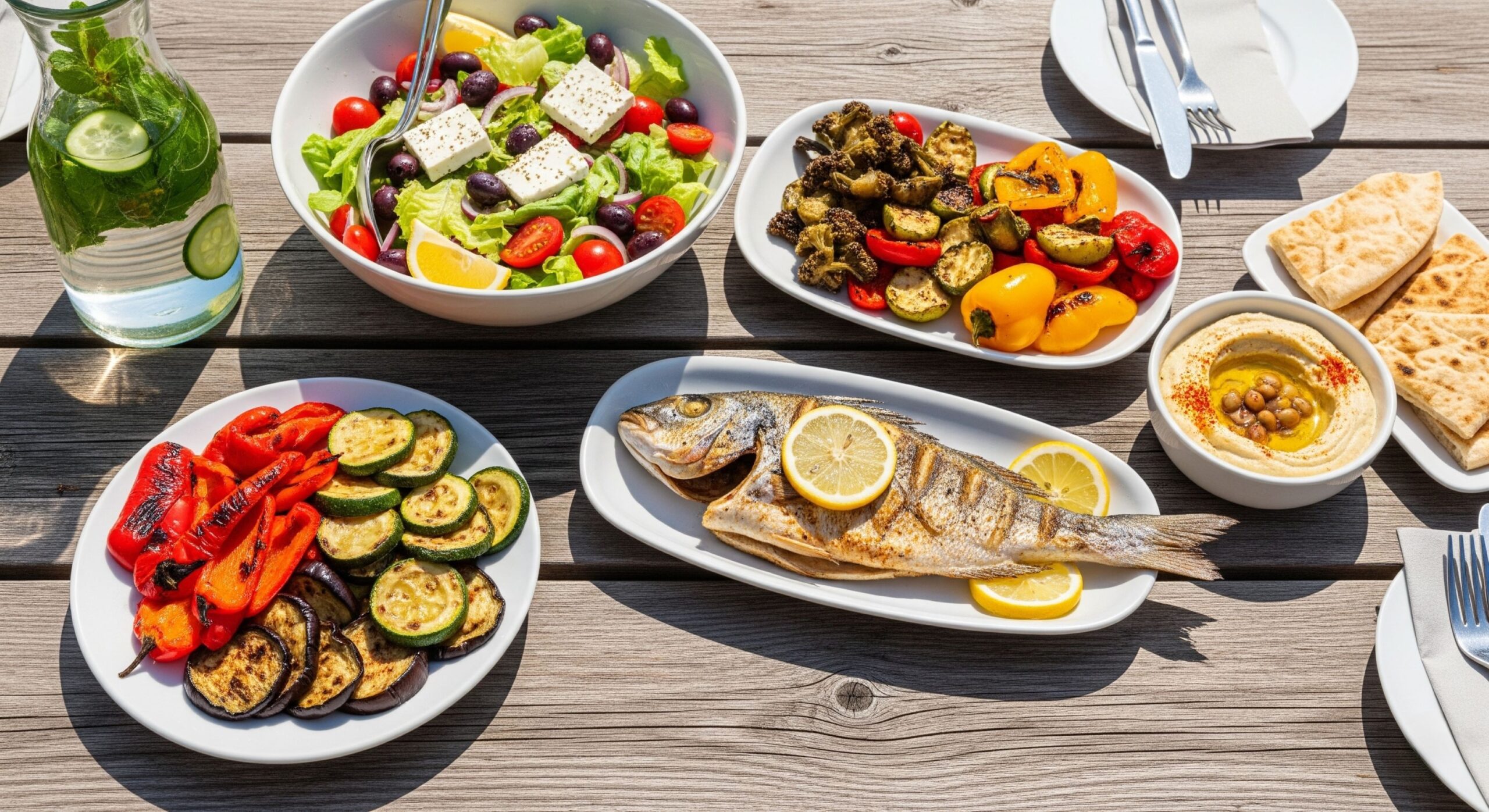
You don’t need to chase a perfect anti-inflammatory diet. Start by crowding out heavily processed snacks with foods you enjoy: a drizzle of olive oil, a handful of nuts, or beans in a soup. When meals taste good and leave you satisfied, they become sustainable. That sustainability is what helps food support mental health over months, not just days.
Pro Tip: Add one mood-supporting habit at a time. Try a glass of water with breakfast, then add a handful of spinach to lunch. Small wins beat dramatic overhauls.
The 10 Best Foods for Mental Health and Mood Boosting
Now, let’s talk about the foods themselves. These foods for mental health are not exotic superfoods; many are grocery-store staples. You don’t need to eat all ten every day. Treat this as a toolbox: the more often a few of these show up, the better your baseline can become.
The First Four: Brain-Building Basics
- Fatty fish: Salmon, sardines, mackerel, and trout provide EPA and DHA, omega-3 fats that help build brain cell membranes and support healthy inflammatory responses. Aim for two servings a week; canned sardines on whole-grain toast make this easy.
- Leafy greens: Spinach, kale, Swiss chard, and arugula bring folate, magnesium, and fiber. Folate supports neurotransmitter production, and magnesium helps the body manage stress signals. Add one handful to eggs, smoothies, or grain bowls.
- Berries: Blueberries, raspberries, strawberries, and blackberries are rich in polyphenols, which may support blood flow and reduce oxidative stress. Frozen berries work beautifully over yogurt, oats, or cottage cheese.
- Fermented foods: Plain yogurt, kefir, kimchi, sauerkraut, and miso contain live cultures that support gut microbes. Since gut health and mood are connected, a small daily serving can be a simple win. Look for “live active cultures” on the label.
The Next Three: Steady Fats and Fiber
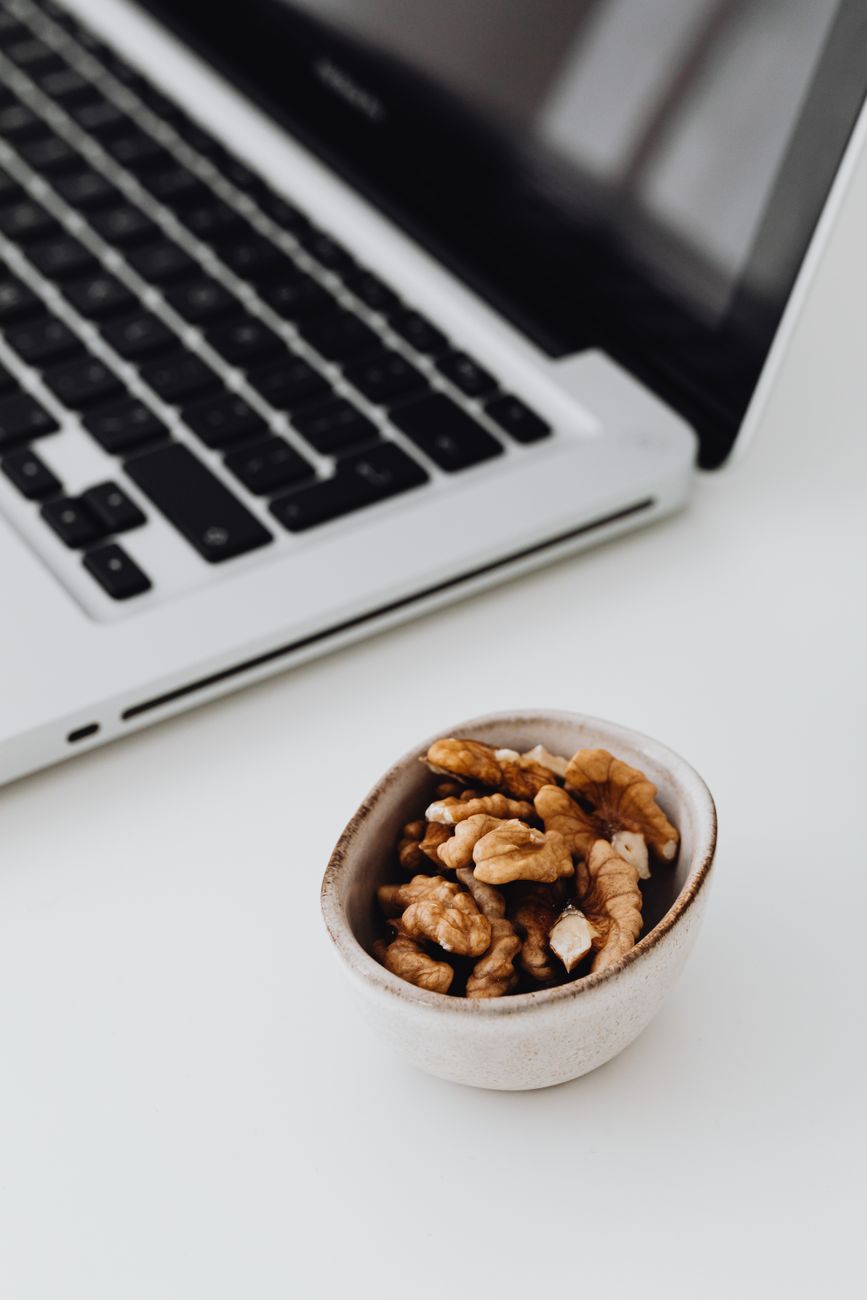
- Nuts: Walnuts, almonds, pistachios, and cashews offer healthy fats, vitamin E, magnesium, and plant protein. A small handful with fruit can steady hunger and prevent the crash that comes from sugary snacks.
- Seeds: Chia, flax, pumpkin, and hemp seeds add alpha-linolenic acid, zinc, magnesium, and soluble fiber. Sprinkle them on oatmeal, salads, or roasted vegetables for an easy nutrition upgrade.
- Extra-virgin olive oil: A cornerstone of Mediterranean eating, extra-virgin olive oil provides monounsaturated fats and polyphenols. Use it as a finishing oil for salads, beans, roasted vegetables, or whole-grain bowls.
The Final Three: Calm, Steady Energy
- Whole grains: Oats, quinoa, brown rice, barley, and whole-grain bread deliver B vitamins and slow-releasing carbohydrates. Steady glucose helps mood, focus, and evening cravings stay more manageable.
- Legumes: Lentils, chickpeas, black beans, and edamame provide folate, iron, magnesium, fiber, and plant protein. They are budget-friendly and work well in soups, tacos, salads, and sheet-pan dinners.
- Dark chocolate: Chocolate with at least 70% cocoa provides flavanols and a small pleasure ritual. Keep portions modest—one or two squares with tea or berries can satisfy without turning into a sugar spike.
When you shop, think progress, not purity. Canned salmon, frozen berries, canned beans, and plain yogurt are just as practical as fresh options. If budget matters, build meals around legumes, oats, canned fish, and seasonal vegetables. If time matters, keep ready-to-eat mood foods visible: prewashed greens, nut packs, hummus, and frozen grain blends. The goal is to make foods for mental health convenient, familiar, and easy to repeat on a tired Tuesday.
Quick Takeaway: Pick two foods from this list and place them in meals you already eat. Consistency matters more than perfection.
How to Turn Mood-Boosting Foods Into a Real-Life Eating Pattern
Knowing the foods helps, but real life happens. If foods for mental health feel intimidating, start with one meal. You may be tired, busy, or cooking for people with different tastes. The trick is to make the pattern easy enough to repeat when motivation is low.
Start With Breakfast, Not Perfection
If breakfast feels overwhelming, keep it tiny. Greek yogurt with berries and chia seeds gives protein, fiber, and polyphenols in under five minutes. Overnight oats with walnuts and cinnamon work too. If you prefer savory, try eggs with spinach and whole-grain toast. The point is to give your brain steady fuel before the day starts making demands.
Build a Mood-Friendly Lunch Plate
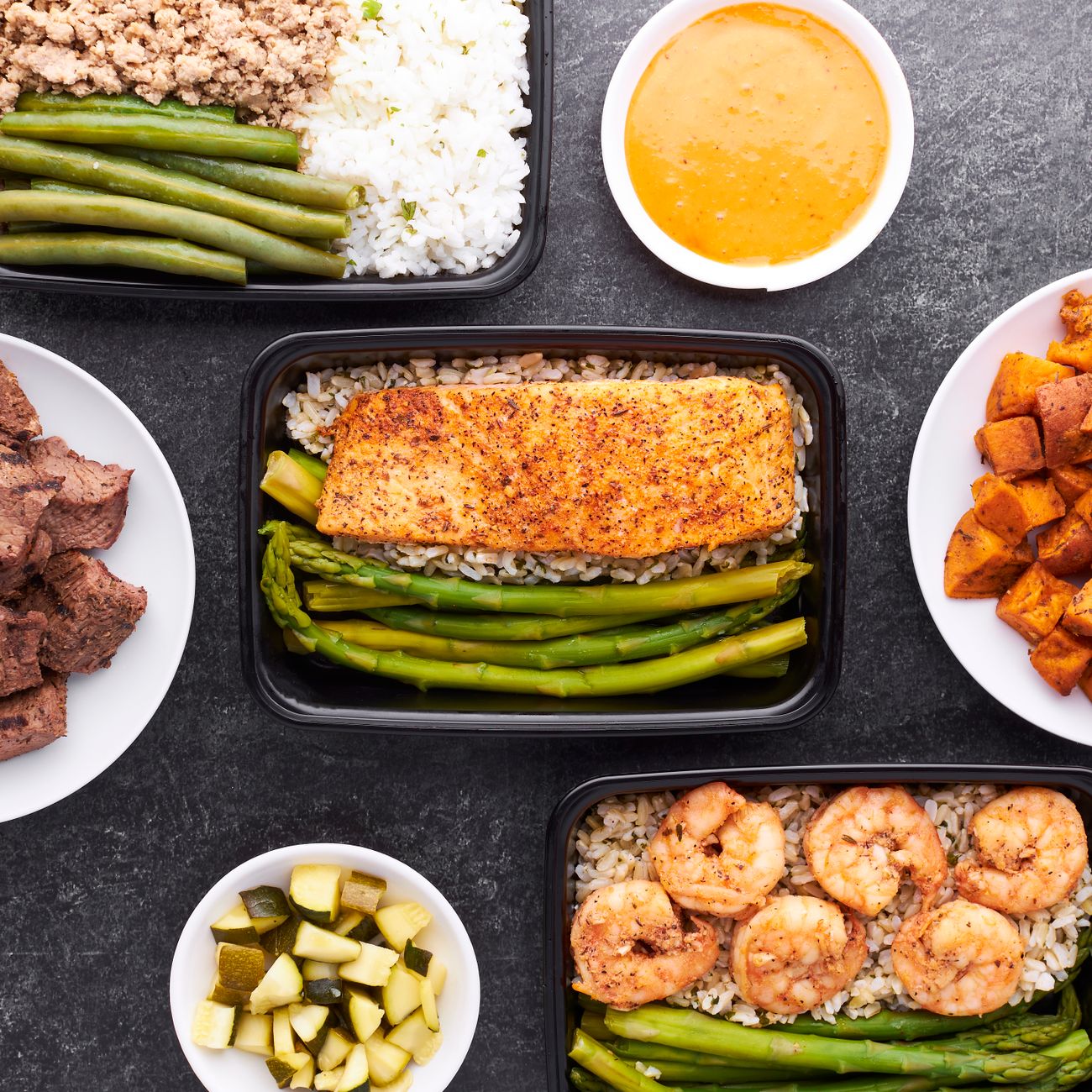
Use this simple template: half plate vegetables or leafy greens, one quarter protein, one quarter whole grains or starchy vegetables, and a thumb of healthy fat. A salmon quinoa bowl, lentil soup with a side salad, or a chickpea olive oil wrap all fit. If you work away from home, pack one mood-friendly lunch twice a week instead of aiming for five perfect days.
Make Dinner Calming, Not Complicated
Dinner can be a wind-down ritual instead of another task. Sheet-pan meals are excellent: fish or tofu, chopped vegetables, olive oil, salt, and herbs. Batch-cook grains and beans once or twice a week so assembly takes minutes. If you often feel wired at night, avoid heavy, late meals and try a warm bowl with gentle seasoning. Your body often responds well to predictable, soothing food.
If you snack after dinner, choose a small pairing that steadies blood sugar: a square of dark chocolate with almonds, yogurt with berries, or whole-grain crackers with hummus. This can prevent late-night hunger without making you feel stuffed.
Pro Tip: Cook once, eat twice. When you make dinner, save one portion for tomorrow. Future-you will notice the difference during a stressful afternoon.
Myths About Foods for Mental Health You Can Ignore
Food and mood content can be noisy, and some advice creates more guilt than help. Foods for mental health should feel empowering, not like another rulebook. Let’s clear up a few common misconceptions.
Myth: One Superfood Can Fix Your Mood
No single food can carry the whole load. Blueberries are lovely, but they work best as part of a pattern that includes fats, fiber, protein, and regular meals. Think of it this way: one violin matters, but the orchestra creates the sound. If your overall diet is erratic, adding one expensive powder will not do much. If your pattern is steady, small additions can compound.
Myth: All Carbs Are Bad for Mental Health
Refined carbs can spike and crash blood sugar, but whole-food carbohydrates can support mood. Whole grains, legumes, fruits, and vegetables provide fiber and nutrients that help steady energy. Carbohydrates also support tryptophan availability, which is part of serotonin production. The goal is not to fear bread; it is to choose quality carbs and pair them with protein or fat.
Myth: Supplements Always Work Better Than Food
Some people need supplements because of deficiency, medication interactions, pregnancy, dietary restrictions, or medical advice. That’s different from assuming supplements automatically beat whole foods. Whole foods provide fiber, polyphenols, and nutrients that work together. If you are considering high-dose omega-3s, vitamin D, or probiotics, talk with a healthcare professional, especially if you take medication.
If you have a diagnosed deficiency, targeted help can matter. For example, low iron or vitamin B12 can affect energy and mood. Ask for labs if you have persistent fatigue, rather than guessing.
Pro Tip: When a claim promises a mood cure in days, pause. Look for patterns, not magic bullets.

Conclusion
Better mood support doesn’t require a complete diet overhaul tonight. Pick one food from this list—berries, yogurt, lentils, canned salmon, or dark chocolate—and add it to one meal this week. Notice how you feel after several days, then add another small habit. This is how foods for mental health become part of real life. If you live with anxiety, depression, or another mental health condition, keep working with your clinician and treat food as a supportive layer, not a replacement for care. Your next meal will not solve everything, but it can be a kind, practical step toward steadier energy and a brighter day. Start small, repeat what works, and let consistency do the heavy lifting.
References
- Marx, W., Lane, M. M., Hockey, M., et al. (2021). Diet and depression: exploring the biological mechanisms of action. Molecular Psychiatry, 26(1), 134–150. https://doi.org/10.1038/s41380-020-00925-x
- Aucoin, M., LaChance, L., Naidoo, U., et al. (2021). Diet and anxiety: a scoping review. BMJ Nutrition, Prevention & Health, 4(2), 341–354. https://doi.org/10.1136/bmjnph-2021-000310
- Jacka, F. N., O’Neil, A., Opie, R., et al. (2017). A randomised controlled trial of dietary improvement for adults with major depression (the ‘SMILES’ trial). BMC Medicine, 15(1), 23. https://doi.org/10.1186/s12916-017-0791-y
- Lassale, C., Batty, G. D., Baghdadli, A., et al. (2019). Healthy dietary indices and risk of depressive outcomes: a systematic review and meta-analysis of observational studies. Molecular Psychiatry, 24(7), 965–986. https://doi.org/10.1038/s41380-018-0237-8
- World Health Organization. (2023). Depression. Retrieved from https://www.who.int/news-room/fact-sheets/detail/depression
- National Institute of Mental Health. (2024). Depression. Retrieved from https://www.nimh.nih.gov/health/topics/depression