
You know that 3 PM feeling. Your shoulders are tight, your mind is racing, and you’re staring into the pantry hoping a snack will magically fix your mood. You’re definitely not alone. According to the American Psychological Association, over 75 percent of adults report experiencing physical symptoms of chronic stress on a regular basis. But here’s what most people miss: your diet plays a massive role in how your nervous system handles daily pressure. While you can’t always control your workload, your commute, or your inbox, you can absolutely control what goes on your plate. Finding the best anti-stress foods isn’t about restrictive dieting or giving up your favorite meals. It’s about giving your brain the exact nutrients it needs to lower cortisol, balance your blood sugar, and boost your mental resilience. Grab a cup of tea, get comfortable, and let’s look at how to eat for true calm and focus.

How the Best Anti-Stress Foods Actually Work in Your Body
The Cortisol Connection
When you encounter a stressful situation, your adrenal glands release cortisol. This hormone prepares your body for a fight-or-flight response. In short bursts, cortisol keeps you alert and focused. However, chronic stress keeps those levels artificially high, leading to brain fog, fatigue, and anxiety. Think of it this way: your body is like a car engine revving in neutral. Eventually, parts start to wear out. The right nutrients act like a cooling system for that engine. Foods rich in vitamin C, omega-3 fatty acids, and magnesium actively help your body clear cortisol from your bloodstream, allowing your nervous system to return to a resting state.
Why Your Gut Brain Matters
Your gastrointestinal tract is lined with a hundred million nerve cells. Scientists often call this the “second brain” because it produces roughly 95 percent of your body’s serotonin, the neurotransmitter responsible for regulating your mood. When you eat highly processed foods, you trigger inflammation in your gut lining, which directly signals your brain to feel sluggish and irritable. Feeding your gut microbiome with fiber-rich, whole foods keeps that communication highway clear and positive.
Pro Tip: Chew your food thoroughly. Digestion begins in the mouth, and slowing down your eating pace physically signals your parasympathetic nervous system to relax, improving nutrient absorption and lowering immediate stress.
Building a Grocery List of the Best Anti-Stress Foods
Fatty Fish for Brain Health
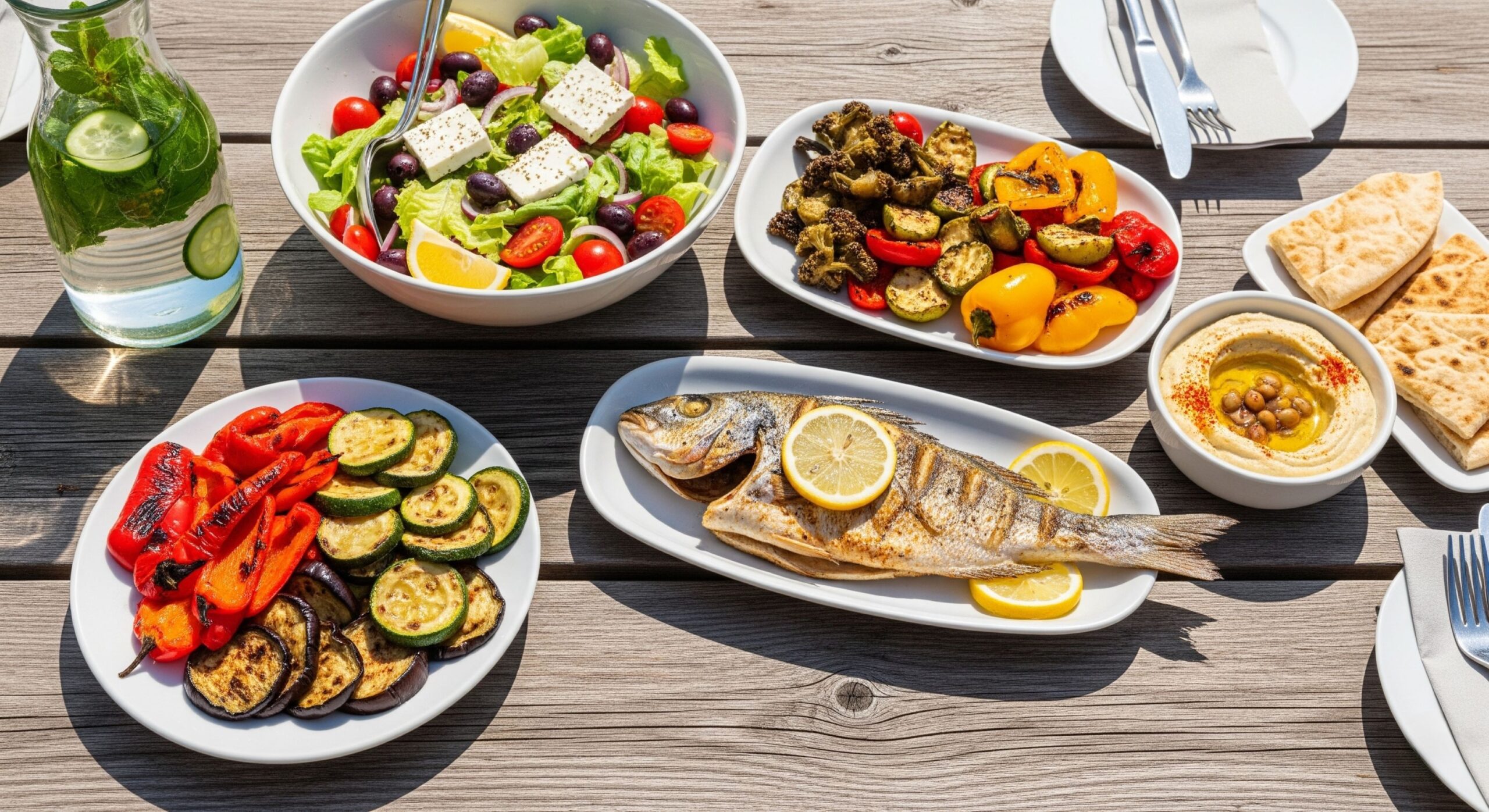
Now, let’s talk about seafood. Fatty fish like salmon, mackerel, and sardines are packed with omega-3 fatty acids, specifically EPA and DHA. A 2023 study published in the journal Nutrients found that individuals with higher omega-3 intake experienced significantly lower levels of anxiety and depression. These healthy fats build cell membranes in the brain, reducing inflammation and promoting the growth of new neurons. Aim for at least two servings of fatty fish per week to keep your brain chemistry balanced.
Dark Chocolate for a Quick Mood Lift
You read that right. Dark chocolate is a legitimate stress-buster. It contains flavonoids, which are powerful antioxidants that improve blood flow to the brain and enhance cognitive function. It also prompts your brain to release endorphins and serotonin. The catch is that you need to choose chocolate with at least 70 percent cocoa content to get the benefits without a massive sugar spike. A small square after dinner is usually enough to satisfy your craving and settle your nerves.
Leafy Greens and Magnesium
Spinach, Swiss chard, and kale are absolute powerhouses when it comes to magnesium. This mineral is nature’s original chill pill. Magnesium regulates the HPA axis, which is the body’s main stress response system. When you’re stressed, you deplete your magnesium stores rapidly. Replenishing them with dark leafy greens helps prevent the physical symptoms of stress, like muscle tension and headaches.
Quick Takeaway: Keep a stash of 70% dark chocolate and raw almonds at your desk. When the afternoon slump hits, this combination provides healthy fats, magnesium, and flavonoids to reset your focus.
Hydration and Beverages That Lower Anxiety
Green Tea and L-Theanine
You’ve probably noticed that chugging coffee makes your anxiety worse. The high caffeine content spikes your heart rate and mimics the physical sensations of a panic attack. Green tea offers a brilliant alternative. It contains a moderate amount of caffeine for gentle alertness, but it also contains L-theanine. This unique amino acid crosses the blood-brain barrier and increases alpha brain waves, which are associated with a state of relaxed focus. You get the energy without the jitters.
Chamomile and Herbal Infusions
If you need to wind down in the evening, chamomile tea is a fantastic choice. It contains an antioxidant called apigenin, which binds to specific receptors in your brain that decrease anxiety and initiate sleep. Research from the NIH suggests that regular consumption of chamomile extract significantly reduces moderate-to-severe anxiety symptoms over time. Other great options include peppermint tea, which relaxes the muscles in your digestive tract, and lemon balm, which has a mild sedative effect.
Pro Tip: Set a hard cutoff for caffeine at 2 PM. Even if you can fall asleep after a late coffee, the caffeine lingering in your system prevents you from reaching the deep, restorative stages of sleep your brain needs to process stress.

Common Diet Myths and Mistakes That Spike Cortisol
The Sugar Crash Illusion
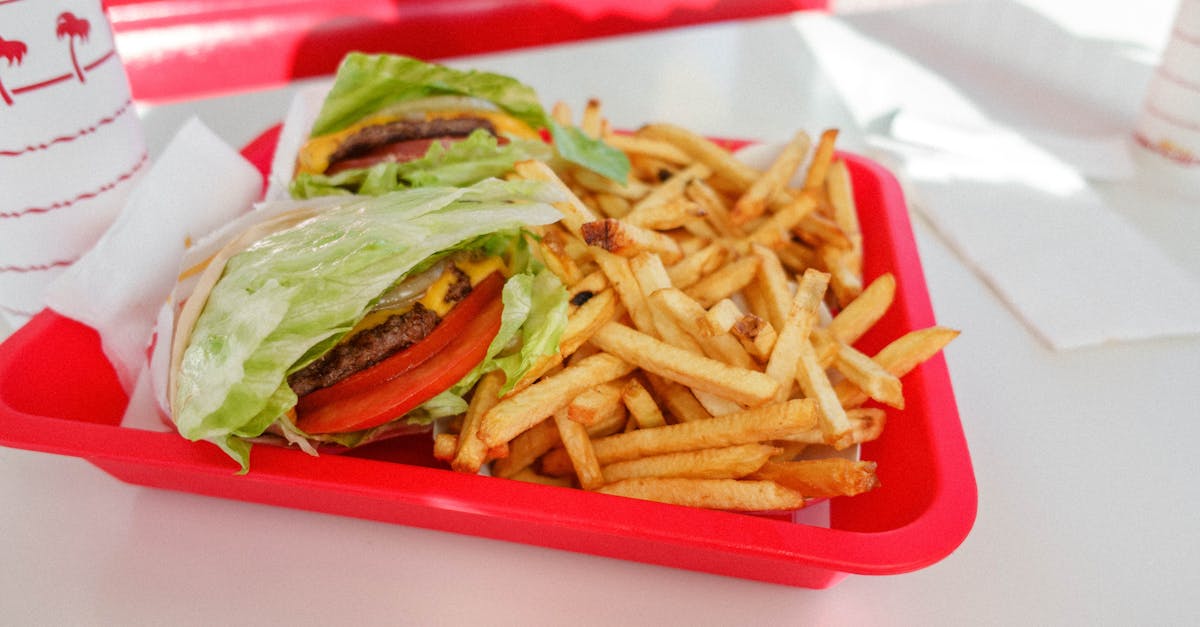
Here’s the thing: reaching for a donut or a bag of chips when you’re stressed feels good for about ten minutes. Sugar and simple carbohydrates trigger a rapid release of dopamine, giving you a temporary sense of comfort. But this is a trap. Once that initial spike passes, your blood sugar plummets. Your body perceives this drop as a physical emergency and releases even more cortisol and adrenaline to stabilize your glucose levels. You end up feeling more anxious, irritable, and exhausted than you did before you ate the snack.
Skipping Meals to Save Time
When you’re busy and stressed, skipping lunch seems like a logical way to save time. Unfortunately, fasting when you’re already under psychological pressure is a terrible idea. Going too long without food causes your blood sugar to drop, which triggers a cortisol release to mobilize stored energy. This puts your body in a state of physiological stress on top of your existing mental stress. Eating regular, balanced meals keeps your blood sugar stable and keeps your stress hormones in check.
Quick Takeaway: Never eat naked carbohydrates. If you want an apple or a piece of toast, always pair it with a protein or a healthy fat, like peanut butter or avocado, to prevent a stressful blood sugar crash.
Building Your Daily Anti-Stress Meal Plan
A Stress-Free Breakfast
How you start your morning sets the tone for your entire day. A breakfast high in refined sugar guarantees a mid-morning crash. Instead, build a meal around complex carbohydrates and protein. A bowl of rolled oats topped with chia seeds, walnuts, and blueberries provides a steady stream of glucose to your brain. The walnuts add omega-3s, while the blueberries deliver vitamin C, which studies show helps reduce both the physical and psychological signs of stress.
Lunch and Dinner Strategies
But here’s what most people miss: dinner shouldn’t be your heaviest meal. Eating a massive, calorie-dense dinner forces your digestive system to work overtime right when your body is trying to prepare for sleep. This can lead to restless nights and poor recovery. Aim for a lighter dinner featuring lean protein and cooked vegetables. A piece of baked salmon with a side of steamed asparagus and quinoa is easy to digest, rich in magnesium, and packed with the nutrients your brain needs to repair itself overnight.
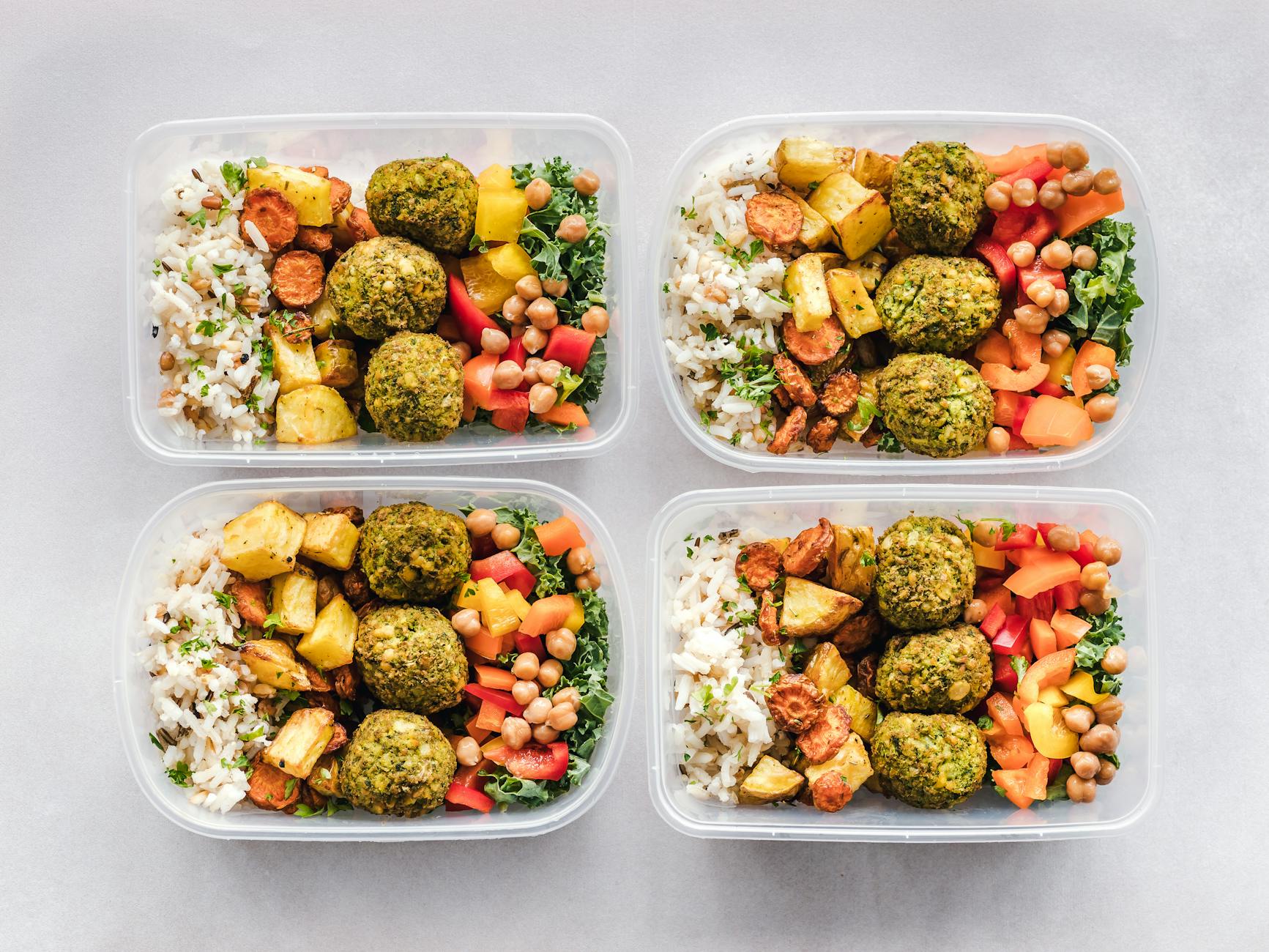
Pro Tip: Spend 20 minutes on Sunday prepping your anti-stress snacks for the week. Wash your berries, portion out your nuts, and boil a few eggs. When stress hits on a Wednesday, you won’t have the mental bandwidth to make good choices, so make them in advance.
Your Next Step Toward a Calmer Life
Managing stress isn’t just about meditation, deep breathing, or setting boundaries at work. It’s also about giving your physical body the raw materials it needs to weather the storm. By prioritizing the best anti-stress foods, you’re actively building a biological shield against the chaos of daily life. You don’t need to overhaul your entire diet overnight. Start small. Pick just one calming food to add to your grocery list tomorrow, whether that’s a bag of walnuts, a box of green tea, or a bar of dark chocolate. Small, consistent changes in your diet will compound over time, leaving you feeling more grounded, focused, and ready to handle whatever comes your way.
References
- Dyall, S. C., Balducci, C., & Denis, P. (2023). Omega-3 fatty acids and brain health: A comprehensive review of recent clinical trials. Nutrients, 15(4), 892–910. https://doi.org/10.3390/nu15040892
- Marx, W., Lane, M., & Rocks, T. (2022). The gut-brain axis and mental health: Implications for dietary interventions. The Lancet Psychiatry, 9(8), 655–668. https://doi.org/10.1016/S2215-0366(22)00111-2
- Amsterdam, J. D., & Shults, J. (2021). Efficacy and safety of chamomile extract for the treatment of generalized anxiety disorder. Journal of Clinical Psychopharmacology, 41(2), 145–151. https://doi.org/10.1097/JCP.0000000000001345
- National Institutes of Health (NIH). (2023). Magnesium and its role in the central nervous system and stress response. Retrieved from https://www.nih.gov/news/health/magnesium-stress
- Smith, A. P., & Jones, R. L. (2022). L-theanine and caffeine interactions on cognitive performance and stress reactivity. British Medical Journal (BMJ) Nutrition, 5(1), 34–42. https://doi.org/10.1136/bmjn-2021-000312
- American Psychological Association (APA). (2023). Stress in America: Navigating the physical and mental impacts of chronic stress. Retrieved from https://www.apa.org/news/press/releases/stress