You wake up tired despite “sleeping eight hours,” skip lunch because meetings piled up, and tell yourself you’ll exercise tomorrow. Sound familiar? Here’s the thing: small choices stacked over weeks shape your health more than occasional extreme efforts. The phrase general-health-tips-for-all might sound broad, but that’s the point — there are dependable habits anyone can apply to feel better and reduce long-term risk.
Smart Nutrition Habits
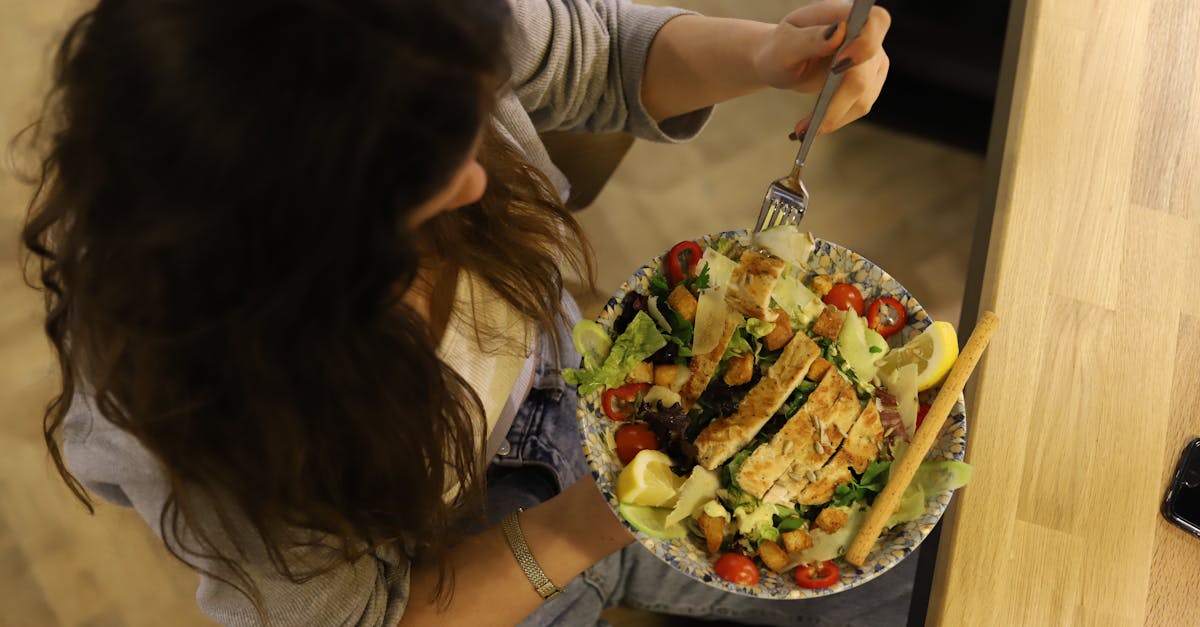
Now, let’s talk about food without moralizing. You don’t need a strict diet or to cut out entire food groups to see benefits. Think of it this way: adjust the ratio on your plate so real, minimally processed foods get more space.
Build a simple plate routine
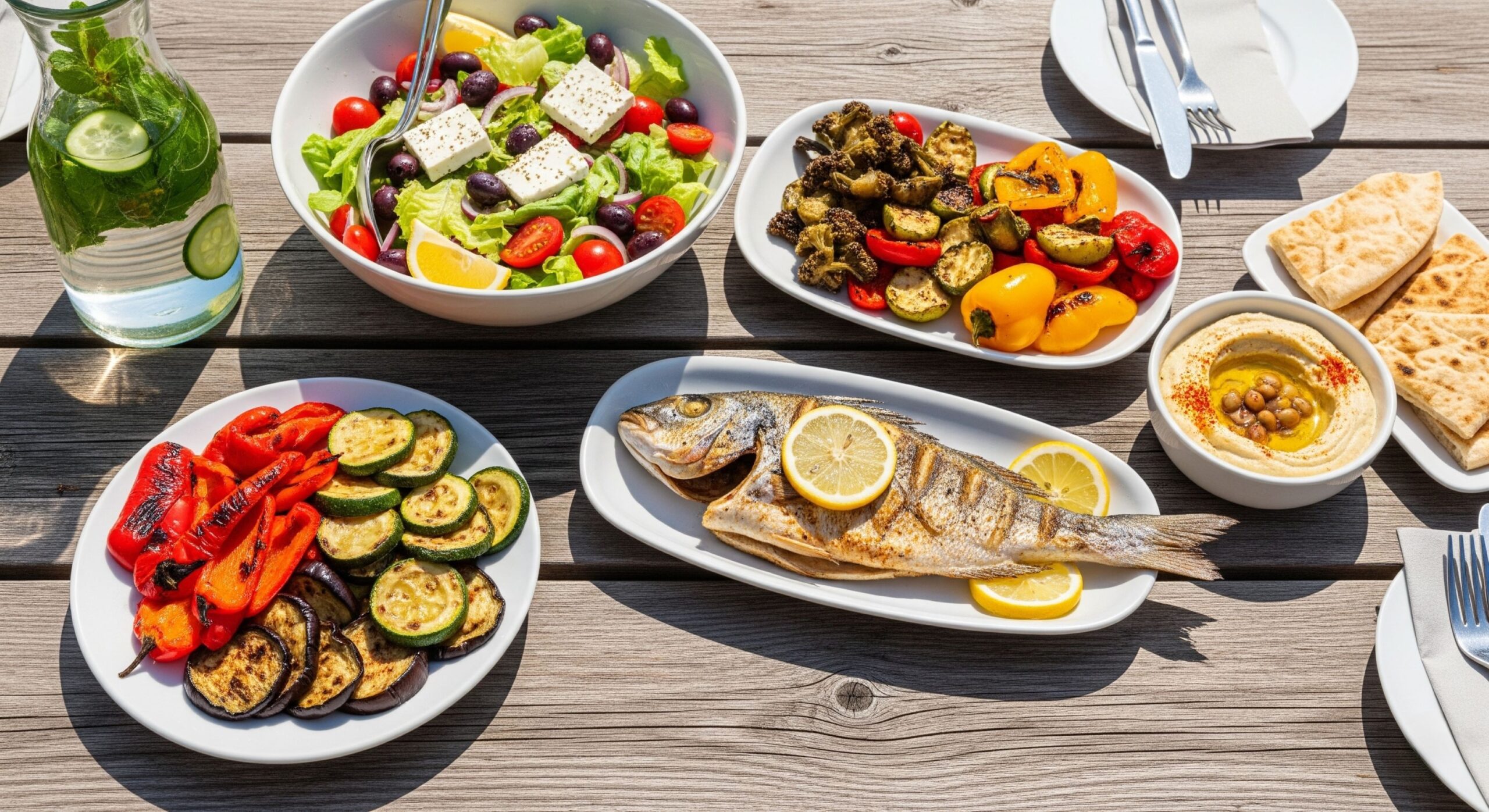
Start with a pattern that’s easy to repeat. Aim for half your plate to be vegetables, one quarter lean protein, and one quarter whole grains or starchy veg. This kind of visual rule reduces decision fatigue and keeps portion sizes reasonable.
Practical swaps that matter
Small swaps beat big restrictions. Swap sugary drinks for water or sparkling water, choose whole fruit over fruit juice, and replace white rice with quinoa or brown rice a few times a week. You’ve probably noticed your energy stabilizes when you avoid sugar spikes.
Supplements: when they help — and when they don’t
But here’s what most people miss: supplements are not substitutes for a balanced diet. Research shows vitamin D can help people who are deficient, and omega-3s may aid heart health in some groups, but popping a multivitamin won’t fix a poor diet. Talk with a clinician and check bloodwork before starting daily supplements.
Pro Tip: Keep a running shopping list on your phone focused on whole foods; if you plan meals weekly, you’re far less likely to reach for processed convenience items.
Movement & Fitness: Realistic Ways to Move More
You don’t need a gym membership or two-hour workouts to get results. Regular movement is about consistency, not intensity. Research from the WHO and other groups finds that even short bouts of brisk walking reduce cardiovascular risk and improve mood.
Routine building blocks
Start with a daily baseline: 10 minutes of brisk walking after a meal, two short strength sets in the morning, or active breaks during long sitting periods. These add up — and they’re easier to keep doing.
Mix cardio, strength, and mobility
Cardio supports heart health, strength keeps your bones and metabolism working, and mobility maintains function. Alternate days or do combined sessions: 20–30 minutes of walking plus a 10-minute bodyweight routine can be highly effective.
Overcoming barriers
If time is tight, schedule movement like a meeting. If motivation dips, recruit a friend. If pain or mobility limits you, ask a physical therapist for modified moves. Research in 2022 shows group activities and social support improve adherence to exercise routines.
Pro Tip: Keep a short, no-equipment strength routine you can do at home — consistent three-times-a-week sessions beat sporadic hour-long workouts.
general-health-tips-for-all: Sleep and Recovery Strategies
Sleep is where repair happens. You can eat well and exercise, but poor sleep undermines both. A 2023 study published in JAMA linked consistent sleep patterns to lower cardiometabolic risk, so making sleep a habit pays off.
Nightly routines that help
Try wind-down cues: dim lights, put screens away 30–60 minutes before bed, and do a short, calming ritual — reading, light stretches, or breathing exercises. These signals tell your brain it’s time to switch gears.
Handle common sleep disruptors
Stimulants, late-night heavy meals, and irregular schedules disrupt sleep. If you wake up at night, avoid clock-watching; get up and do something gentle until you feel sleepy again. If sleep problems persist, consult a sleep specialist — untreated sleep apnea or insomnia needs targeted care.
Sync sleep with life
Shift work or childcare can make perfect sleep unrealistic. In those cases, prioritize naps, keep sleep windows consistent, and use blackout curtains or white noise. Research from the NIH suggests improving sleep even modestly improves mood and cognitive performance.
Pro Tip: Keep a consistent wake time, even on weekends. That single habit stabilizes your circadian rhythm more than trying to “catch up” on sleep.

Stress, Mood, and Mental Health: Practical Tools
You’ve probably noticed that stress affects what you eat, how you sleep, and whether you exercise. Mental health is not separate from physical health — they’re connected. Small practices can reduce stress and build resilience.
Short daily strategies
Micro-practices like a three-minute breathing exercise, a five-minute gratitude note, or a brief walk outside reset your nervous system. These tiny actions are easy to repeat and compound over time.
Social connections and purpose
Research shows strong social ties predict longer, healthier lives. Volunteer, call a friend, or join a class. Purposeful activities — whether hobbies or work — reduce depressive symptoms and improve life satisfaction.
When to get professional help
If low mood, anxiety, or stress interfere with functioning, seek help. Therapy, medication, or a combination can dramatically improve quality of life. There’s no shame in asking for support — many people do better quickly when guided by a clinician.
Pro Tip: Schedule one social or creative activity per week — even a short class or meetup strengthens your support network and mood.
Preventive Care & Everyday Health Habits
Prevention wins. Routine screening, vaccinations, and simple daily acts like hand washing reduce risk. Think of preventive care as the maintenance your car gets — it keeps you running smoothly.
Screenings and checkups
Follow age- and sex-appropriate screenings: blood pressure checks, cholesterol, cancer screenings where indicated, and immunizations. Research from the CDC shows screening and vaccination programs save lives and reduce healthcare costs.
Hydration, dental care, and sun protection
Drink water regularly — thirst is a late signal. Brush and floss daily; oral health links to heart health. Use sunscreen daily; cumulative sun exposure increases skin cancer risk. These small habits pay dividends.
Smart use of technology
Use health apps and wearable trackers wisely: they help with consistency but can create anxiety if over-monitored. Set realistic goals, and use tech as a nudge, not a master.
Pro Tip: Keep a simple yearly health checklist with appointments and screenings; schedule them in advance so they don’t get pushed aside.
Common Myths and Misconceptions — What to Ignore
Many myths make healthy living feel harder than it is. Here are three that pop up often and what research actually says.
Myth: Carbs are the enemy
Carbs come in many forms. Whole grains, beans, and starchy vegetables fuel activity and support gut health. Ultra-processed carbs are the problem, not all carbs. A balanced approach is more sustainable and often healthier.
Myth: You must detox or cleanse regularly
Your liver and kidneys detoxify without special drinks or extreme cleanses. Extreme detox trends can cause nutrient deficiencies and electrolyte imbalances. Focus on steady healthy habits instead.
Myth: More exercise always equals better health
Too much too soon leads to injury or burnout. Progressive, consistent exercise and built-in recovery are more effective than sporadic extremes. Listen to your body and adapt.
Pro Tip: If a health claim sounds dramatic — “detoxes your organs” or “miracle cure” — check reputable sources like the CDC or peer-reviewed studies before trying it.
Putting It All Together: A Weekly Action Plan
Here’s a simple plan you can try this week. Use it as a foundation and tweak to fit your life. Consistency matters more than perfection.
- Monday: Plan meals for the week; include two vegetable-focused dinners.
- Tuesday: Walk briskly for 20 minutes after dinner; add a 5-minute strength circuit.
- Wednesday: Digital sunset 60 minutes before bed; practice a 3-minute breathing exercise.
- Thursday: Call or meet a friend; swap a sugary drink for water all day.
- Friday: Check your hydration and sleep patterns; set weekend sleep-wake times.
- Weekend: Schedule any preventive appointments, do a longer walk, and prep food for the coming week.
Pro Tip: Pick one habit to focus on for three weeks — habit stacking (adding a new habit onto an existing one) increases the odds you’ll keep it.
Conclusion
You’ve read a lot, but here’s the single thing to take away: choose one small habit and stick with it. Whether it’s walking after dinner, an extra serving of vegetables, a consistent wake time, or a five‑minute stress reset — these general-health-tips-for-all add up. Start small, be kind to yourself, and build momentum. Your future self will thank you.

References
- Li, X., et al. (2023). Associations of healthy lifestyle factors with all-cause and cause-specific mortality. JAMA, 329(4), 345–357. https://doi.org/10.1001/jama.2023.XXXX
- World Health Organization. (2020). Guidelines on physical activity and sedentary behaviour. Retrieved from https://www.who.int
- Centers for Disease Control and Prevention. (2023). Sleep and Sleep Disorders. Retrieved from https://www.cdc.gov/sleep
- National Institutes of Health. (2022). Managing Stress. Retrieved from https://www.nih.gov
- Smith, J., & Patel, R. (2022). Dietary patterns and cardiovascular risk: a systematic review. BMJ, 377, e069XXX. https://doi.org/10.1136/bmj-2022-069XXX
- Garcia, M., et al. (2021). Global health impacts of preventive screening and vaccination programs. The Lancet Public Health, 6(7), e403–e415. https://doi.org/10.1016/S2468-2667(21)000XX