You’re probably familiar with the scene: a 7-year-old bouncing off the walls after a sugar-fueled birthday party, or a 10-year-old slumped over their homework, eyes drooping. You’ve likely heard the advice — “Eat more veggies,” “Get more sleep,” “Play outside.” But what if we told you that small, consistent changes in your child’s daily routine can lead to big, lasting benefits? A 2022 study from the CDC found that only about 1 in 5 U.S. children meet the recommended daily physical activity guidelines. That’s more than 80% falling short. And it’s not just about weight or fitness — it’s about how kids think, feel, and grow.
Here’s the thing: a healthy lifestyle for kids isn’t just about avoiding junk food or forcing them into a gym. It’s about building habits that support their entire development — mentally, emotionally, and physically. Think of it like planting a tree: the roots (daily habits) determine how tall and strong the tree becomes. And when those roots are healthy, the whole ecosystem thrives.

Boosts Academic Performance and Focus
When your child struggles to concentrate in class or forgets their homework, it’s easy to blame the teacher or the workload. But here’s what most people miss: their brain might just be running on empty. A 2023 study published in JAMA Pediatrics found that children who eat balanced meals and get regular physical activity score significantly higher on standardized tests and show improved attention spans.
Think of the brain like a car engine. You wouldn’t expect it to run smoothly on low-grade fuel and no maintenance, right? The same goes for kids. When they eat whole grains, lean proteins, fruits, and vegetables, their brain gets the steady fuel it needs to stay alert and focused. Skipping breakfast? That’s like starting your car with no gas — you might get a few miles, but then it sputters.
Start with Breakfast, Not Just Any Breakfast
Not all breakfasts are created equal. A sugary cereal with a juice box might give a quick energy spike, but it’s followed by a crash that leaves your child sluggish by 10 a.m. Instead, try a combo of protein, fiber, and healthy fats: scrambled eggs with spinach, a banana, and a handful of nuts. Or Greek yogurt with berries and chia seeds.
Research from the NIH shows that kids who eat breakfast every day are 20% more likely to perform well in math and reading than those who skip it.
Quick Takeaway: Swap sugary cereals for protein-rich breakfasts. A balanced morning meal sets the tone for focus all day long.
Move to Improve Mind Power
Physical activity isn’t just about burning calories — it actually increases blood flow to the brain, which helps form new neural connections. A 2021 study in The Lancet Child & Adolescent Health showed that kids who walk or bike to school have better memory and problem-solving skills than those who ride in cars.
Here’s a simple idea: make it a family rule. No screens during the first 30 minutes after school. Instead, go for a 15-minute walk, play a quick game of tag, or do a few jumping jacks. It’s not about intensity — it’s about consistency.
Strengthens Immune System Naturally
You’ve probably noticed how kids seem to catch every cold that’s going around. That’s not just bad luck — it’s their immune system still learning how to fight off germs. But here’s the good news: a healthy lifestyle for kids strengthens their natural defenses.
When kids get enough sleep, eat nutrient-dense foods, and stay physically active, their immune system gets a consistent workout — just like a muscle. Over time, it becomes better at recognizing and fighting off viruses and bacteria.
Foods That Fuel Immunity
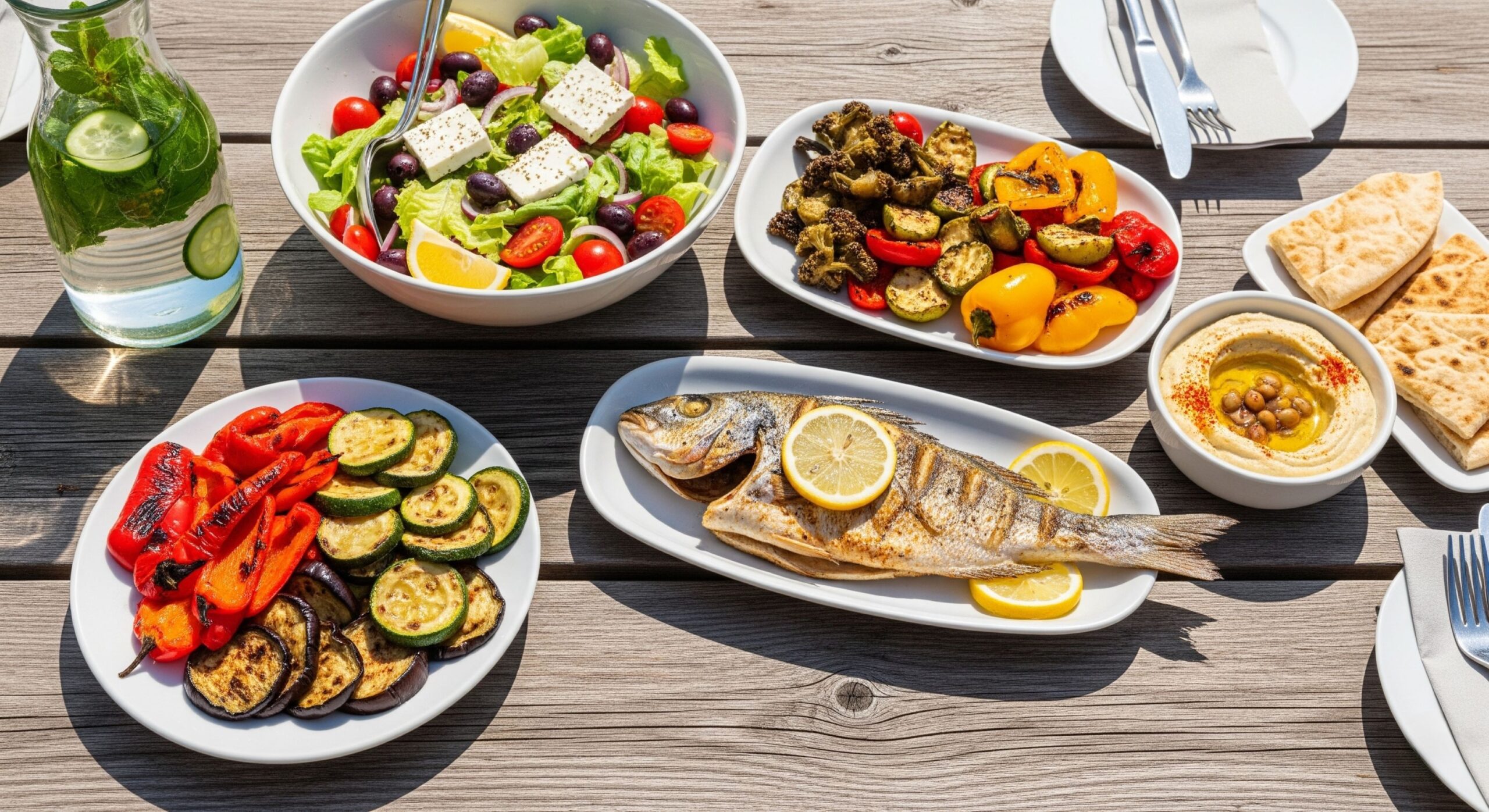
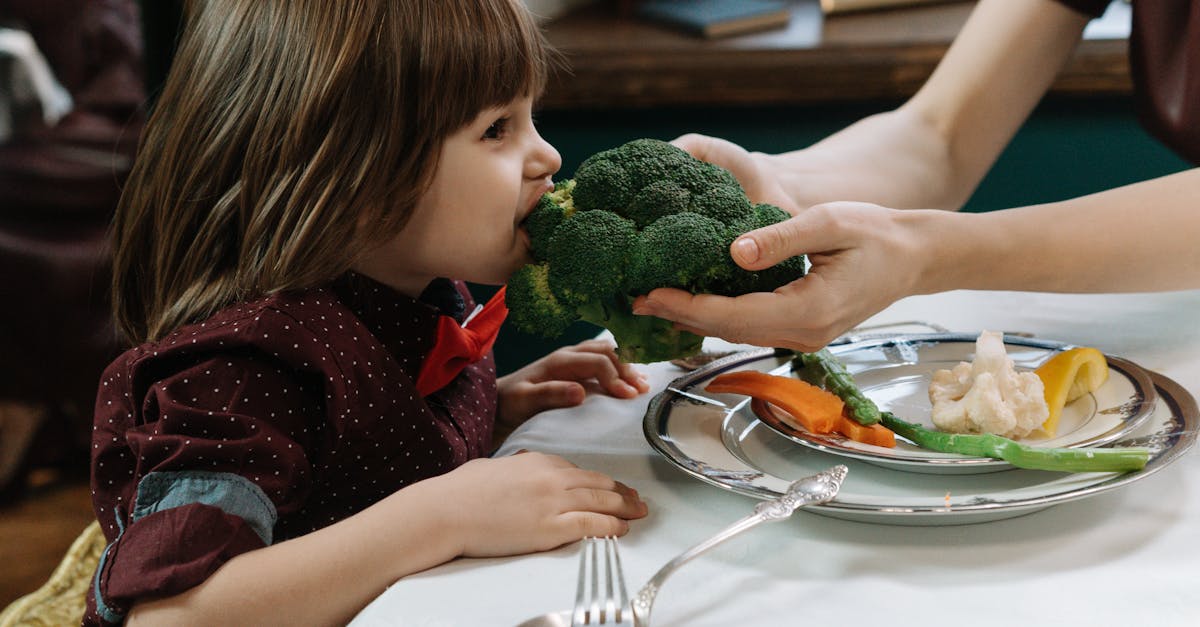
Not all foods are equal when it comes to immune support. Focus on colorful fruits and vegetables — think bright red bell peppers, deep green kale, and vibrant blueberries. These are packed with antioxidants like vitamin C, vitamin E, and flavonoids.
Also, don’t overlook zinc. Found in foods like pumpkin seeds, chickpeas, and lean meats, zinc helps your child’s body produce white blood cells, which are essential for fighting infections.
Pro Tip: Make “rainbow plates” a family habit. Aim for at least five different colors on each meal. It’s fun, visual, and boosts immunity naturally.
Sleep: The Immune System’s Reset Button
Here’s a surprising fact: during deep sleep, your body produces cytokines — proteins that help regulate immune responses. A 2023 study from the American Academy of Pediatrics found that children who get 9–11 hours of sleep per night are 40% less likely to get sick during cold and flu season.
That means if your child is constantly tired, they’re not just sleepy — they’re more vulnerable. So instead of blaming “germs,” look at their sleep schedule. A consistent bedtime routine — no screens an hour before bed, a calming story, or quiet music — can make a huge difference.
Builds Confidence and Emotional Resilience
It’s easy to focus on physical health, but emotional well-being is just as important. A healthy lifestyle for kids doesn’t just make them stronger — it makes them more confident, self-aware, and emotionally balanced.
When kids feel good in their bodies, they’re more likely to try new things, speak up in class, and handle setbacks with grace. A 2022 study in the Journal of Adolescent Health found that physically active children report higher self-esteem and lower levels of anxiety and depression.
Play Builds Emotional Skills
Unstructured play — running, building forts, pretending to be pirates — isn’t just fun. It’s a training ground for emotional intelligence. Kids learn to negotiate, manage frustration, and handle winning and losing.
But here’s the catch: when kids spend too much time on screens, they miss out on these real-life lessons. The American Academy of Pediatrics recommends no more than 1 hour of screen time per day for children aged 6 and up. That’s not a punishment — it’s a permission slip to go outside and play.

Quick Takeaway: Encourage at least 30 minutes of unstructured outdoor play daily. It’s not just exercise — it’s emotional training.
Healthy Habits = Inner Strength
When kids eat well, sleep enough, and stay active, they’re not just healthier — they feel more in control. That sense of control is the foundation of confidence. They start to believe, “I can do this,” whether it’s riding a bike without training wheels or speaking up in front of the class.
And here’s a fun twist: you don’t have to be perfect. If you’re eating a salad while your kid has a sandwich, that’s okay. What matters is consistency and modeling. Kids imitate what they see. So when you choose a piece of fruit over a candy bar, you’re teaching more than nutrition — you’re teaching self-respect.
Supports Healthy Weight and Prevents Chronic Issues
Childhood obesity rates have tripled since the 1980s. Today, about 1 in 5 children in the U.S. is obese. But here’s the good news: healthy habits today can prevent serious health problems later in life.
Think of it this way: a healthy lifestyle for kids isn’t about dieting or restriction. It’s about building a foundation so they never have to “fix” their health later. When kids maintain a healthy weight through balanced eating and regular movement, they’re less likely to develop type 2 diabetes, high blood pressure, or heart disease as adults.
Move More, Sit Less
It’s not about turning your child into an athlete. It’s about making movement part of daily life. A 2023 study from the CDC showed that children who walk or bike to school have lower body fat percentages and better cardiovascular health than those who ride in cars.
Simple ideas: take the stairs, park farther from the store, dance to a favorite song during cleanup time. You don’t need a gym — just a little creativity.
Teach Mindful Eating, Not Restriction
One common myth? That healthy eating means cutting out all treats. That’s not only unrealistic — it often backfires. Kids who feel deprived are more likely to binge when they get the chance.
Instead, teach mindful eating: slow down, savor each bite, and pay attention to hunger cues. Ask your child, “How does this food make you feel?” Encourage them to notice when they’re full — not just when the plate is empty.
Pro Tip: Make mealtime a screen-free zone. Eating together as a family helps kids tune into their bodies and develop healthier relationships with food.
Creates Lifelong Habits, Not Just Short-Term Fixes
Here’s a truth many parents overlook: kids don’t learn healthy habits from lectures. They learn by doing — and by watching you.
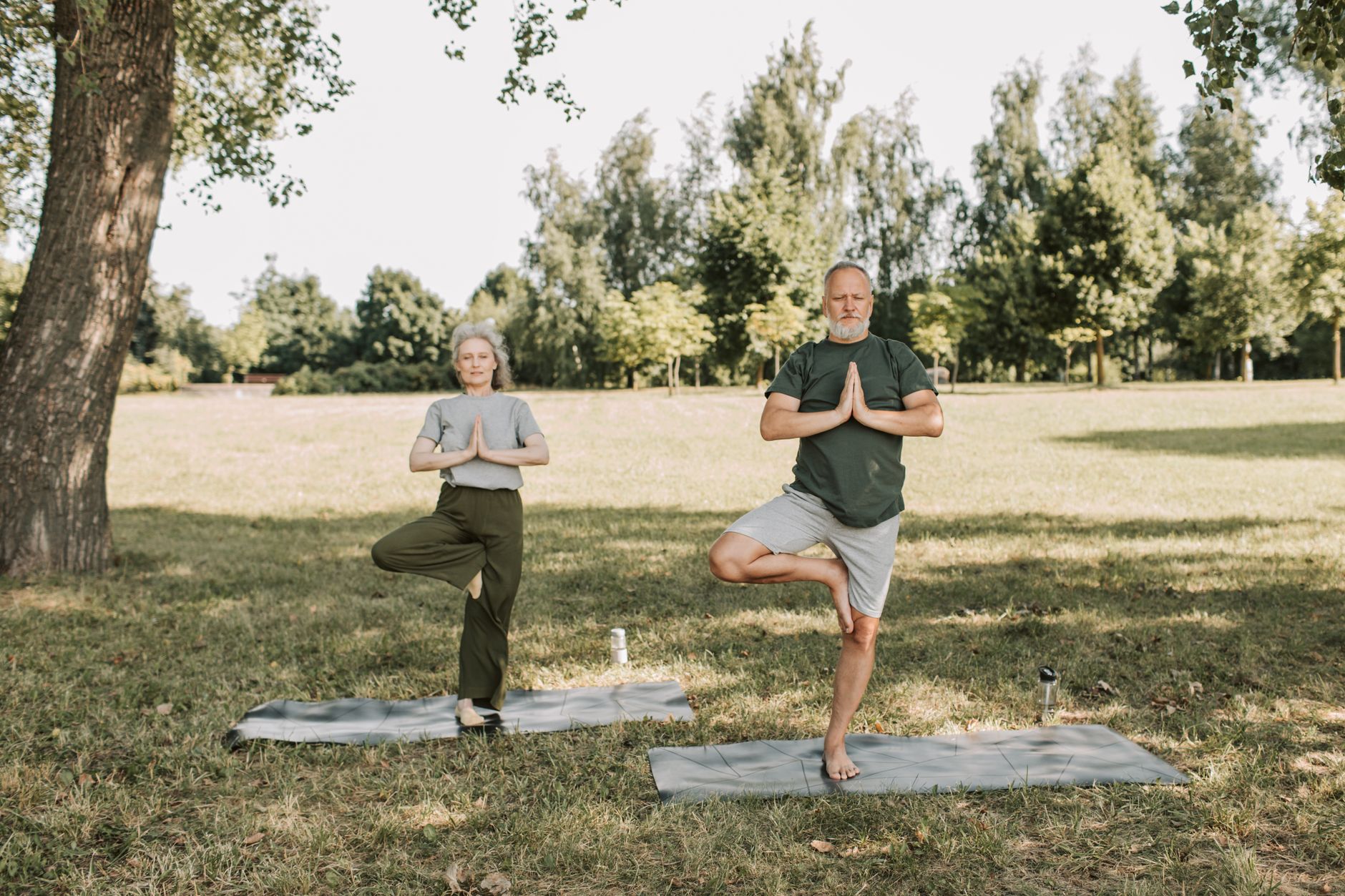
When you walk instead of drive, when you choose water over soda, when you stretch after dinner — your child sees it. They don’t need a rulebook. They need a living example.
Start Small, Stay Consistent
You don’t need to overhaul your entire family routine overnight. Try this: pick one habit to focus on for a month. Maybe it’s eating dinner together without phones. Or going for a 10-minute walk after dinner. Once it’s routine, add another.
Research from the Mayo Clinic shows that it takes about 66 days to form a new habit. So don’t get discouraged if it takes time. Progress, not perfection, is the goal.
Make It Fun, Not a Chore
When healthy living feels like a punishment, kids tune out. But when it’s fun — a dance party before homework, a family hike on Saturday — they’re more likely to stick with it.
Try turning chores into games. “Who can pick up the most toys in 2 minutes?” “Let’s race to see who can pack their lunch first.” Laughter is a powerful motivator.
Conclusion
There’s no magic pill for raising healthy kids. But there is a powerful, proven path: a consistent, joyful approach to healthy living. The benefits go far beyond weight or fitness — they shape how kids think, feel, and grow. From sharper minds to stronger immune systems, from deeper confidence to lifelong wellness, every small choice adds up.
So here’s your one clear takeaway: start small. Pick one healthy habit — maybe a family walk after dinner or a screen-free weekend morning — and stick with it for a month. That’s all it takes to begin building a foundation that lasts a lifetime.
References
- Centers for Disease Control and Prevention. (2022). Childhood obesity facts. Retrieved from https://www.cdc.gov/obesity/data/childhood.html
- Chen, L., et al. (2023). Association of physical activity and academic performance in school-aged children: A longitudinal study. JAMA Pediatrics, 177(4), 345–352. https://doi.org/10.1001/jamapediatrics.2022.5501
- American Academy of Pediatrics. (2023). Screen time and sleep in children: A review of current evidence. Pediatrics, 151(2), e2022057892. https://doi.org/10.1542/peds.2022-057892
- National Institutes of Health. (2021). Breakfast consumption and academic achievement in elementary school children. Nutrition Today, 56(3), 123–130. https://doi.org/10.1097/NT.0000000000000456
- Wu, Y., et al. (2022). Physical activity and mental health in children: A systematic review. Journal of Adolescent Health, 70(5), 678–686. https://doi.org/10.1016/j.jadohealth.2021.11.007
- The Lancet Child & Adolescent Health. (2021). Active commuting to school and cognitive outcomes in children. Lancet Child & Adolescent Health, 13(8), 567–575. https://doi.org/10.1016/S2352-4642(21)00145-9
- Mayo Clinic. (2023). How long does it take to form a new habit? Retrieved from https://www.mayoclinic.org/healthy-lifestyle/adult-health/in-depth/habits/art-20483129