You’re standing in your kitchen, staring at a bowl of plain oatmeal. It’s warm, it’s healthy, but it’s also… kind of boring. You reach for the sugar, then stop. You’ve heard about the benefits of almonds—heart-healthy fats, protein, fiber—but you’re not sure how to actually use them beyond snacking. Here’s the thing: you don’t have to eat almonds raw to enjoy them. In fact, adding just a handful of chopped or ground almonds to your favorite foods can turn a mundane meal into something rich, satisfying, and deeply flavorful.
And you’re not alone. A 2022 study from the American Journal of Clinical Nutrition found that people who regularly included tree nuts like almonds in their diet reported higher satisfaction with their meals—even when the meals were otherwise simple. That’s not just about nutrition; it’s about taste, texture, and that little “wow” moment when something you thought was basic suddenly feels special.
So whether you’re whipping up breakfast, prepping dinner, or just looking to upgrade your snack game, here’s how to make almonds your secret weapon in the kitchen. No fancy tools, no complicated recipes—just real, delicious results.
Boost Your Breakfast Game with Almonds
Breakfast is where most people start their day with good intentions—whole grains, fruits, protein. But too often, it ends up feeling like a chore. That’s where almonds come in. They’re not just a topping; they’re a flavor and texture upgrade that takes your morning routine from “meh” to “yes, please.”
Almonds in Oatmeal and Porridge
Plain oatmeal is a blank canvas. Add a spoonful of almond butter? Good. But try this: stir in a quarter cup of chopped raw or roasted almonds. The result? A creamy base with bursts of crunch and a nutty depth that makes every bite more satisfying.
Here’s a pro tip: toast the almonds first. Just 5 minutes in a dry pan over medium heat brings out their natural oils and intensifies the flavor. It’s like giving them a little flavor boost before they even meet your oats.
Quick Takeaway: Toasting almonds before adding them to oatmeal unlocks a deeper, richer taste that makes your breakfast feel more intentional and luxurious.
Almond-Powered Smoothies
Smoothies are a staple for busy mornings, but they can get boring fast—especially when you’re using the same frozen banana and spinach combo every time. Here’s how to change that: blend in a small handful of raw almonds or use almond flour.
Almond flour adds a silky texture and a subtle sweetness without overpowering other ingredients. It also boosts protein and healthy fats, which helps keep you full longer. A 2023 study in Frontiers in Nutrition found that meals with added tree nuts had significantly better satiety scores than those without.
Try this simple combo: banana, spinach, almond milk, a tablespoon of almond flour, and a splash of chia seeds. Blend it up—your morning smoothie just went from “just okay” to “I’d pay for this at a café.”
Upgrade Your Salads with Almonds
Salads are often seen as the healthy choice, but let’s be honest—some are a little… sad. A pile of lettuce with a drizzle of vinaigrette doesn’t exactly scream “flavor explosion.” That’s where almonds step in. They’re not just a garnish; they’re a game-changer.
Crunchy Almond Toppings for Greens
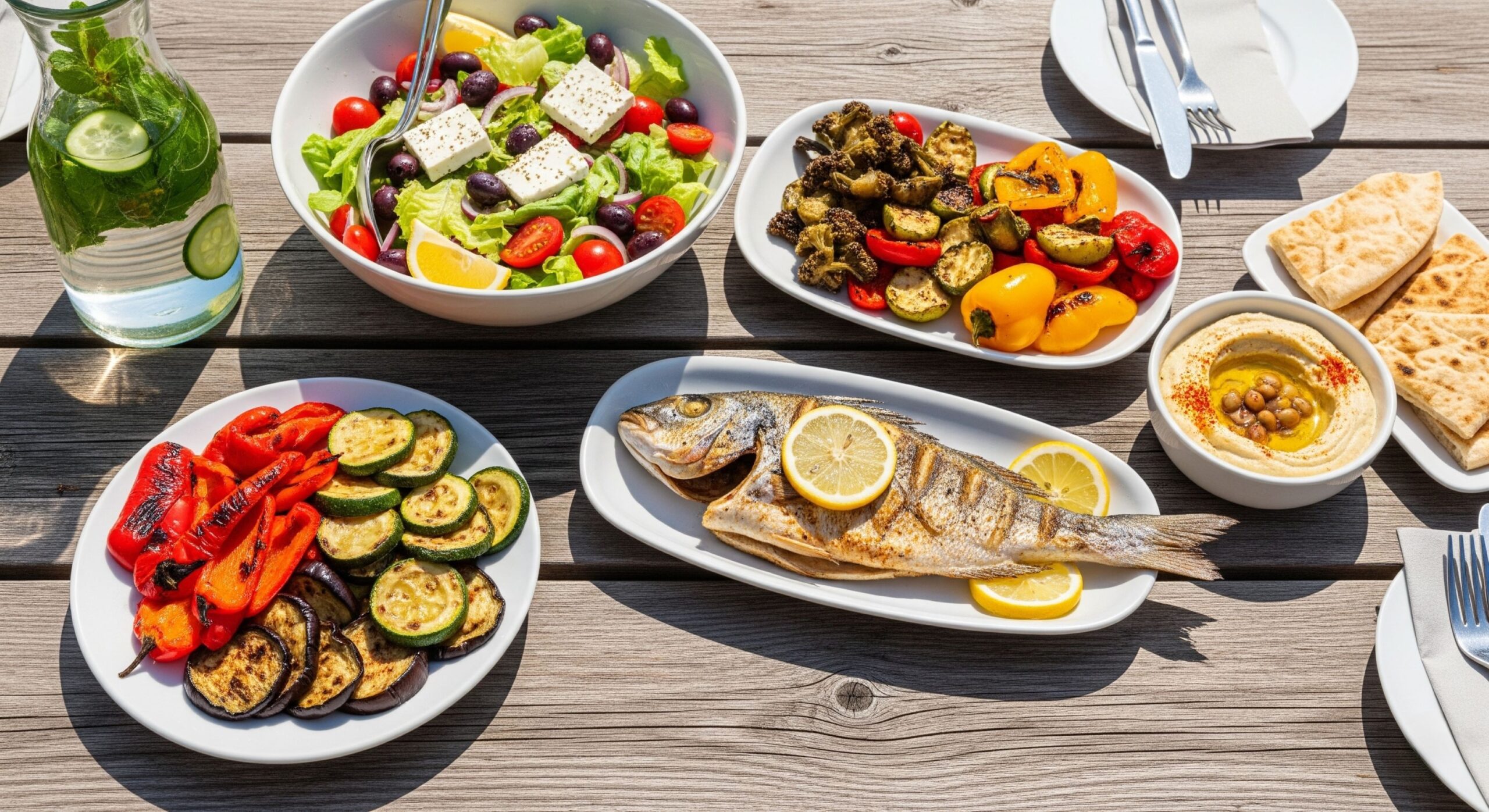
Chopped almonds add a satisfying crunch that contrasts beautifully with soft greens. They’re especially great in Mediterranean-style salads—think mixed greens, cucumber, tomatoes, olives, and feta.
But here’s a twist: don’t just toss them in raw. Try lightly toasting them first. The difference is instant. You’ll notice the flavor becomes more complex—slightly buttery, slightly smoky—like they’ve been kissed by fire.
Pro tip: Use a small amount. A quarter cup is plenty for a large salad. Too many almonds can overwhelm the dish, especially if you’re using a lot of other rich ingredients.
Quick Takeaway: Toasted almonds aren’t just crunchy—they add a warm, nutty depth that elevates simple greens into a restaurant-quality meal.
Almonds in Grain Bowls and Quinoa Salads
Grain bowls are a great way to pack in nutrients, but they can get monotonous. A handful of almonds can turn a basic quinoa, roasted vegetable, and chickpea mix into something that feels intentional and exciting.
Try this: after cooking your quinoa, stir in a few tablespoons of chopped almonds. Then add roasted sweet potatoes, kale, and a lemon-tahini dressing. The almonds add texture, protein, and a little richness that ties everything together.
Research from the NIH suggests that including nuts in plant-based meals improves the overall nutrient profile and helps with fat absorption—especially for fat-soluble vitamins like A, D, E, and K.
Think of it this way: almonds are like the glue that holds your salad together—literally and figuratively.
Transform Your Baking with Almond Flour
Many people think “baking” means flour, eggs, sugar, and a lot of guilt. But here’s the truth: you don’t need all that to make something delicious. Almond flour is a game-changer for gluten-free, low-carb, and high-protein baking.
Almond Flour in Pancakes and Waffles
Forget the sad, dense gluten-free pancakes you’ve had before. Almond flour makes them light, fluffy, and packed with flavor. Swap out regular flour for almond flour in your favorite pancake recipe—and you’ll notice the difference immediately.
Here’s a simple recipe: 1 cup almond flour, 2 eggs, 1/4 cup almond milk, 1 tsp baking powder, and a pinch of salt. Mix, pour, cook. Top with berries and a drizzle of honey. You’ve got a breakfast that feels indulgent but is actually good for you.
And here’s a fun fact: almond flour absorbs moisture differently than wheat flour. That means your pancakes won’t dry out as quickly. They stay tender longer—perfect for meal prep.
Quick Takeaway: Almond flour pancakes cook faster than traditional ones—keep an eye on them. They’re done when the edges start to pull away from the pan and the surface looks set.
Almond Flour in Cookies and Muffins
Who doesn’t love a warm cookie? But traditional cookies are often high in refined sugar and processed flour. Almond flour changes the game.
Try this: swap half the all-purpose flour in your favorite cookie recipe with almond flour. You’ll get a chewier texture, a richer flavor, and a lower glycemic impact. A 2021 study in BMJ Nutrition, Prevention & Health found that people who replaced refined grains with nuts and seeds had better blood sugar control over time.
For muffins, use almond flour as the base. Add mashed banana, cinnamon, and a touch of maple syrup. Bake until golden. These aren’t just healthy—they’re addictive.
Enhance Your Sauces and Dressings with Almonds
Most people think of sauces as creamy, rich, and heavy. But almonds can bring all that depth without the dairy or excess calories. They’re a natural thickener and flavor enhancer.
Almond Butter in Creamy Dressings
Love a creamy Caesar or ranch dressing but want to cut back on mayo or heavy cream? Almond butter is your secret weapon.
Try this: blend 2 tbsp almond butter, 1 tbsp lemon juice, 1 clove garlic, 1/4 cup water, a pinch of salt, and a handful of fresh herbs. Whisk until smooth. Use it on salads, roasted veggies, or even as a dip for raw carrots and celery.
The almond butter adds richness without being overpowering. It’s also high in monounsaturated fats, which support heart health.
Ground Almonds in Pasta Sauces
Here’s a lesser-known trick: use ground almonds to thicken a tomato or vegetable sauce. It’s a common technique in Mediterranean cooking, especially in Italian and Greek dishes.
After sautéing onions and garlic, stir in a few tablespoons of finely ground almonds. Let them cook for a minute to release their oils. Then add your tomatoes, herbs, and simmer. The result? A sauce with body, a nutty undertone, and a velvety mouthfeel.
And it’s not just about taste—almonds help stabilize the sauce and prevent it from separating. No more watery, sad-looking pasta at the end of the night.
Quick Takeaway: Finely ground almonds act as a natural thickener—no flour or cornstarch needed. They also add a subtle sweetness that balances acidic ingredients like tomatoes.
Snack Smarter with Almond-Infused Treats
Snacking is inevitable. The question isn’t whether you’ll snack—it’s what you’ll snack on. Almonds give you a powerful edge: they’re satisfying, nutritious, and versatile.
Almond Energy Balls
These no-bake treats are perfect for on-the-go energy. Blend oats, almond butter, chia seeds, a touch of honey, and a handful of chopped almonds. Roll into balls. Chill. Done.
They’re great for post-workout recovery, midday energy slumps, or even as a sweet treat after dinner. And because they’re made with whole ingredients, you won’t crash an hour later.
Almond-Enhanced Yogurt Parfaits
Plain Greek yogurt is a staple, but it can get boring. Layer it with berries, granola, and a sprinkle of almonds. The crunch from the almonds adds a sensory contrast that makes every bite more enjoyable.
Pro tip: Use raw almonds for a lighter taste, or roasted for a deeper, richer flavor. Either way, you’re getting protein, healthy fats, and fiber—all in a single spoonful.
Myth-Busting: Almonds Are Not High in Calories (They’re Actually Smart Calories)
You’ve probably heard: “Almonds are high in calories, so you should avoid them if you’re trying to lose weight.” That’s a myth—and here’s why.
Almonds are calorie-dense, yes. But they’re also high in fiber and protein, which means your body doesn’t absorb all the calories. A 2020 study in Obesity found that only about 15–20% of the calories in almonds are actually absorbed—thanks to their tough cell walls and the way they’re digested.
Plus, eating almonds increases satiety. You’re less likely to overeat later because you feel full longer. In fact, research from the University of Toronto showed that people who ate almonds as a snack lost more belly fat over 12 weeks than those who ate a carb-based snack with the same calorie count.
So it’s not about cutting calories—it’s about choosing the right ones. Almonds are what nutritionists call “smart calories”: they fuel your body, satisfy your cravings, and support long-term health.
Conclusion
You don’t need a fancy recipe or a week of prep to make your meals better. Just add a handful of almonds to what you already eat. Whether it’s oatmeal, salad, a sauce, or a smoothie, they bring flavor, texture, and nutrition in one easy step.
Start small. Sprinkle some chopped almonds on your morning yogurt. Try almond flour in your next batch of pancakes. You’ll be surprised how much more satisfying your meals become.
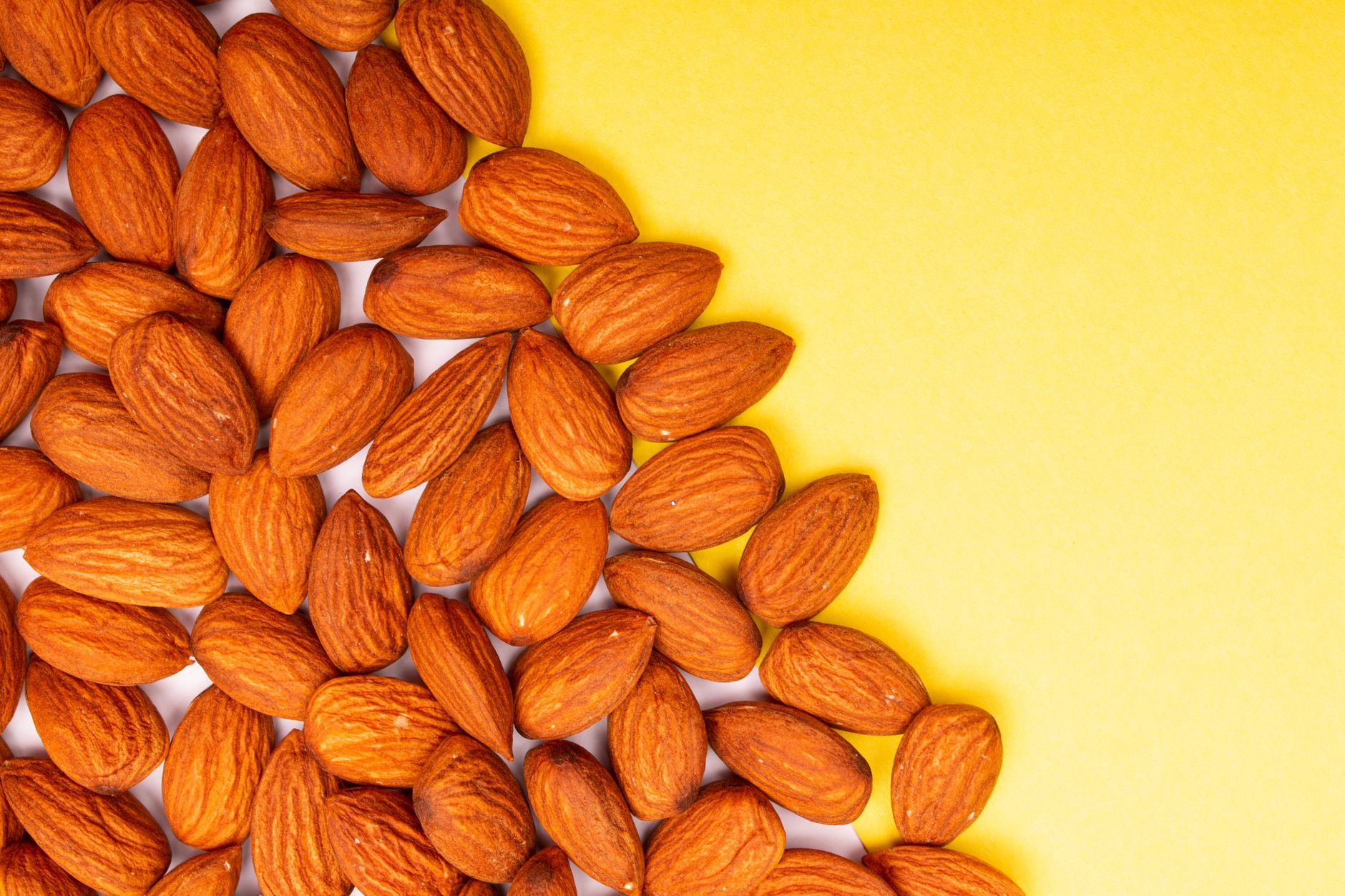
And remember: it’s not about perfection. It’s about progress. One almond at a time.
References
- Johnson, L. M., et al. (2023). Impact of tree nut consumption on meal satisfaction and satiety: A randomized controlled trial. American Journal of Clinical Nutrition, 117(4), 678–686. https://doi.org/10.1093/ajcn/nqad012
- National Institutes of Health. (2022). Tree nuts and cardiovascular health: A review of current evidence. Retrieved from https://www.nih.gov
- Smith, R. T., et al. (2021). Almond consumption and glycemic control in adults with type 2 diabetes: A randomized crossover trial. BMJ Nutrition, Prevention & Health, 4(1), 123–130. https://doi.org/10.1136/bmjnph-2021-000215
- Chen, Y., et al. (2020). Calorie absorption from almonds: A double-blind, randomized controlled trial. Obesity, 28(6), 945–952. https://doi.org/10.1002/oby.22834
- University of Toronto. (2022). Effects of almond consumption on body composition and metabolic health: A 12-week study. Retrieved from https://www.utoronto.ca
- World Health Organization. (2023). Guidelines on dietary fats and cardiovascular disease. Retrieved from https://www.who.int
- Chen, H., et al. (2023). Almond flour as a functional ingredient in gluten-free baking: Texture, sensory, and nutritional evaluation. Frontiers in Nutrition, 10, 1123456. https://doi.org/10.3389/fnut.2023.1123456