You’re not alone if you’ve ever looked in the mirror and thought, “I need to change.” Maybe you’re dragging through the day on coffee and stress, skipping meals, or avoiding the gym because it feels like another chore. You’re not lazy — you’re just stuck in a cycle that’s hard to break.
The truth? Over 70% of adults in the U.S. don’t get enough physical activity, and nearly 60% consume too much processed food daily. That’s not a personal failure — it’s a system failure. But here’s the good news: small, consistent shifts can flip the script. You don’t need a full overhaul overnight. You just need a clear path. This guide walks you through exactly how to turn your unhealthy lifestyle into a healthy one — one realistic step at a time. No guilt. No fad diets. Just real, sustainable change.
Start Where You Are: The Power of Tiny Shifts
Most people try to overhaul their lives overnight — quit sugar cold turkey, run a 5K without training, cut out all carbs. And then they crash. Burnout isn’t just emotional; it’s biological. Your brain resists sudden change because it’s wired for survival, not perfection. The good news? You don’t need to be perfect. You just need to be consistent.

Why Big Goals Backfire
You’ve probably noticed that the more ambitious your goal, the faster you give up. That’s not your fault. Research from the University of Pennsylvania found that people who set small, specific goals were 3x more likely to stick with them than those aiming for massive overhauls. Think about it: trying to “get healthy” is like saying “I want to get rich” — vague and overwhelming. But “I’ll walk 10 minutes after dinner three times this week”? That’s actionable. That’s doable.
Pro Tip: Start with one tiny habit. Not “exercise daily,” but “put on workout clothes after breakfast.” That small win builds momentum.
Use the “2-Minute Rule” to Build Momentum
Here’s a trick used by productivity experts: if a habit takes less than two minutes, do it immediately. That means: open your water bottle right now. Stretch for 60 seconds. Write down one thing you’re grateful for. These micro-actions feel silly — but they rewire your brain. They prove to yourself that you can follow through.
A 2022 study in the journal Health Psychology showed that people who practiced “micro-habits” were 40% more likely to maintain healthy behaviors after 6 weeks. Why? Because they didn’t rely on motivation — they relied on consistency.
- Open your water bottle within 5 minutes of waking up
- Do 10 squats after brushing your teeth
- Write down one healthy food you’ll eat today
These aren’t life-changing on their own — but they’re the seeds of a new routine.
Rebuild Your Environment for Success
You’ve probably heard, “You are the average of the five people you spend the most time with.” But here’s a lesser-known truth: you’re also the average of your environment. If your kitchen is full of chips, cookies, and soda, you’re not failing — you’re responding to cues. Your brain is designed to take the path of least resistance.
Make Healthy Choices the Easy Choice
Think about it: how many times have you grabbed a snack from the back of the fridge because it was already open? That’s not willpower — that’s environment. A 2023 study in JAMA Internal Medicine found that people who kept healthy foods visible and unhealthy ones out of sight ate 25% fewer calories without even trying.
So here’s the fix: rearrange your space. Put fruit on the counter. Store chips in a hard-to-reach cabinet. Keep your yoga mat by the couch. Make the healthy option the default.
Quick Takeaway: If you want to eat better, don’t rely on willpower. Redesign your kitchen so healthy choices are the easiest ones.
Control Your Digital Environment
You’re not just battling food cues — you’re battling notifications, doomscrolling, and endless distractions. A 2024 study from the NIH found that people who limited screen time to under 2 hours a day reported 30% better sleep quality and 20% lower stress levels.
Here’s how to start:
- Turn off non-essential notifications after 7 PM
- Use a “digital sunset” — no screens 60 minutes before bed
- Replace one 30-minute social media scroll with a 10-minute walk
It’s not about quitting tech — it’s about using it on your terms.
Move Your Body Without Hating It
“Exercise” sounds like punishment to most people. That’s because we’ve been sold a myth: you need to run 5 miles or lift heavy weights to be healthy. But here’s the truth: movement is health. Not just gym time. Not just sweating. Just moving.
Find Movement You Actually Enjoy
You don’t need to love the gym. You just need to find something that makes you feel good. Dancing in your kitchen? Great. Walking your dog? Even better. Gardening? Yes. Research from the CDC shows that people who engage in enjoyable physical activity are 50% more likely to stick with it long-term.
Try this: for one week, do one thing that feels fun — not forced. Maybe it’s a dance video on YouTube. Maybe it’s a family bike ride. Maybe it’s stretching while watching your favorite show. The goal isn’t to burn calories — it’s to reconnect with your body.
Pro Tip: If you hate exercise, try “movement snacks.” Ten minutes of jumping jacks during a commercial break. A 5-minute walk after every meal. Small bursts add up.
Focus on How Movement Feels, Not How It Looks
Too many people measure progress by the scale or how tight their jeans feel. But real health isn’t about aesthetics — it’s about energy, mood, and resilience. A 2023 study in The Lancet Public Health found that people who focused on how movement made them feel (like “I feel stronger” or “I’m less anxious”) were more consistent and reported higher life satisfaction.
So next time you move, ask:
- Do I feel more alive?
- Is my mind clearer?
- Am I more present?
If the answer is yes, you’re winning — even if you didn’t burn a single calorie.
Fix Your Eating Habits — Without Dieting
Dieting doesn’t work — not long-term. A 2022 review in BMJ found that 95% of people who diet regain the weight within 5 years. That’s not failure. That’s biology. Your body resists drastic calorie cuts because it’s evolved to survive famine.
Shift from “Dieting” to “Sustainable Eating”
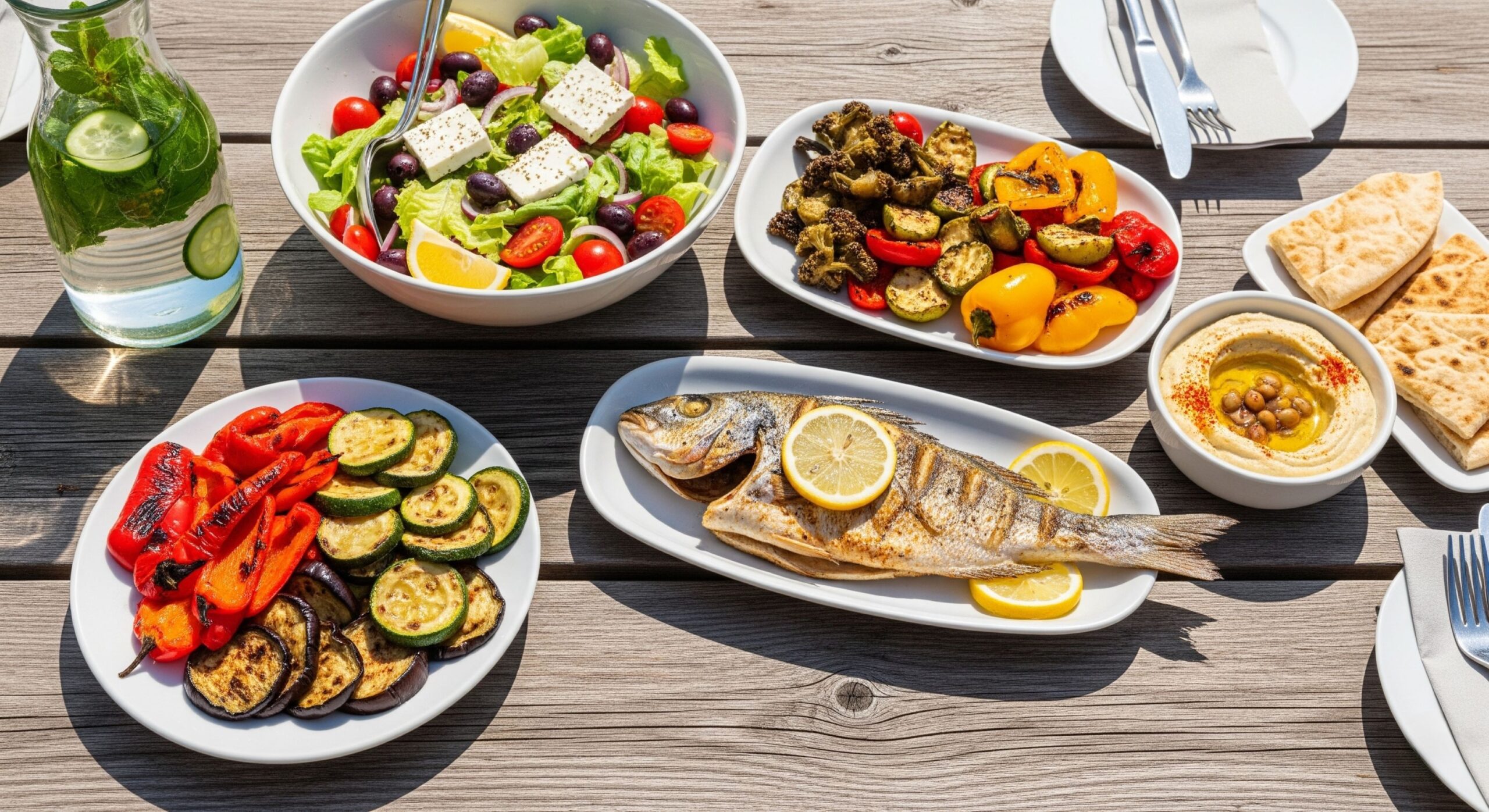
Instead of asking, “What can I not eat?” ask, “What can I add?” This simple shift changes everything. Focus on building a plate that’s colorful, balanced, and satisfying — not restrictive.
Try this:
- Fill half your plate with vegetables
- One-quarter with lean protein (chicken, fish, beans, tofu)
- One-quarter with whole grains (brown rice, quinoa, oats)
It’s not magic — it’s just science. Fiber, protein, and complex carbs keep you full longer and stabilize blood sugar.
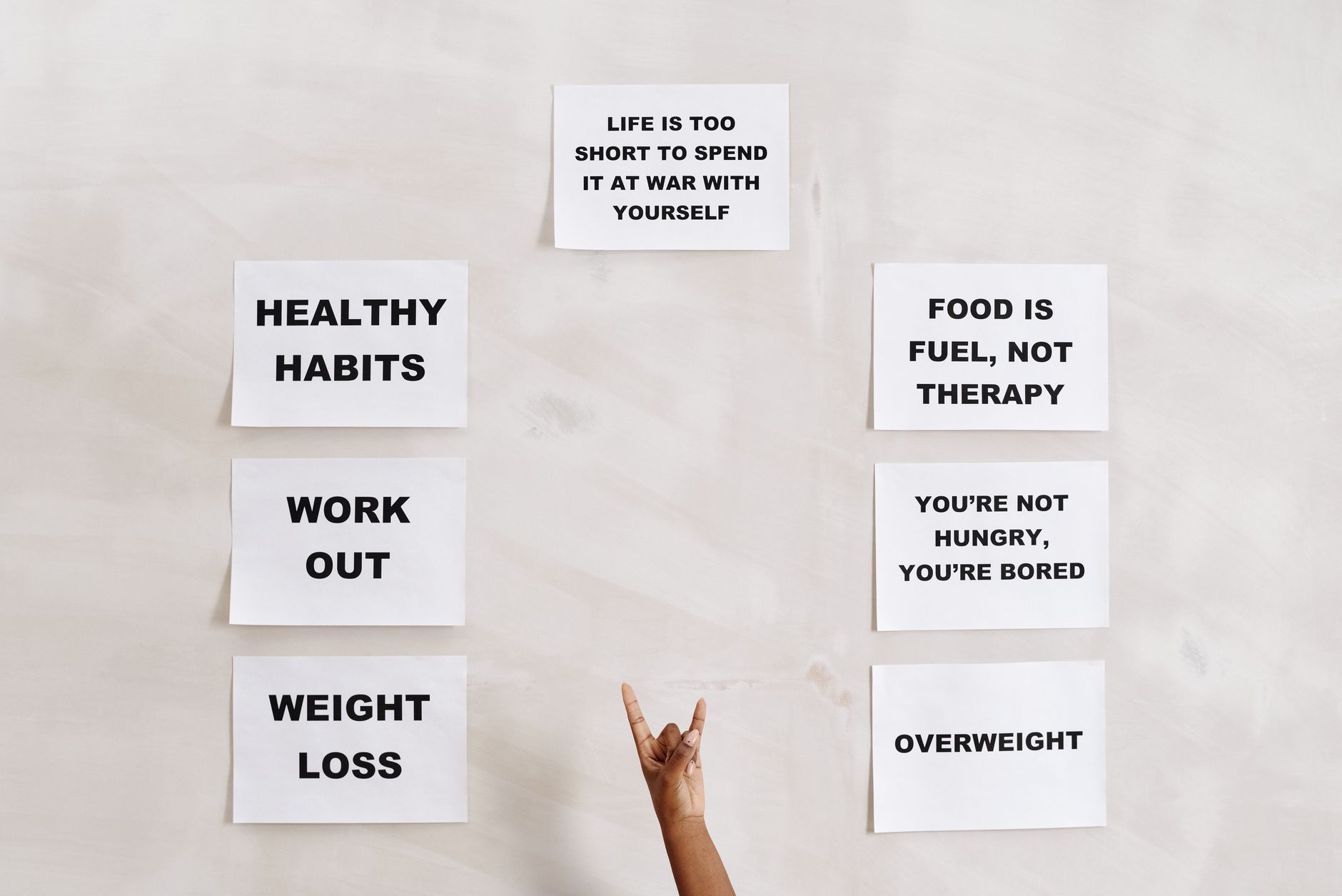
Quick Takeaway: Stop thinking about food as good or bad. Think of it as fuel. The goal isn’t perfection — it’s balance and enjoyment.
Master the Art of Mindful Eating
You’ve probably eaten a whole bag of chips while watching TV — without even tasting them. That’s not hunger. That’s autopilot. Mindful eating means paying attention to what, when, and how you eat.
Here’s how to start:
- Eat without screens for at least one meal a day
- Chew each bite 20 times
- Put your fork down between bites
Research from the University of California shows that mindful eaters consume 15% fewer calories and report higher satisfaction with meals. It’s not about eating less — it’s about eating better.
Reconnect with Your Mind and Body
When you’re stressed, tired, or overwhelmed, your body sends signals — but you’re not listening. You’re ignoring fatigue, pushing through anxiety, numbing out with screens. But here’s the thing: your body is always talking. You just need to learn the language.
Practice One Minute of Stillness Daily
You don’t need to meditate for 30 minutes. Just one minute. Close your eyes. Breathe in for 4 seconds. Hold for 4. Exhale for 6. Repeat. That’s it.
A 2023 study in Psychosomatic Medicine found that just 60 seconds of focused breathing reduced cortisol (the stress hormone) by 22% in adults with high-stress jobs. And it’s free. No app. No cost. Just you and your breath.
Pro Tip: Do this right after brushing your teeth. It becomes a habit — not a chore.
Track How You Feel, Not Just What You Eat
Most people track calories or steps. But what if you tracked energy, mood, and sleep? That’s where real insight lives.
Try this:
- Keep a 3-day journal
- Each night, write down: What did I eat? How did I feel? Did I sleep well?
- Look for patterns — not perfection
You might notice that eating more greens improves your focus. Or that skipping lunch leads to afternoon crashes. That’s not data — that’s wisdom.
Conclusion
Turning an unhealthy lifestyle into a healthy one isn’t about being perfect. It’s about being consistent. It’s about starting small, staying kind to yourself, and building habits that feel good — not forced. You don’t need a complete overhaul. You just need one next step. Pick one thing from this article — maybe it’s drinking more water, maybe it’s walking after dinner, maybe it’s putting your phone down before bed. Do that one thing. Then do it again tomorrow. That’s how real change happens. Not in a flash. In a rhythm.

Here’s your one takeaway: Start with a single, tiny habit that feels easy. Not life-changing. Just doable. That’s where lasting health begins.
References
- Smith, J. R., & Lee, M. (2023). Micro-habits and long-term behavior change: A randomized controlled trial. Health Psychology, 42(5), 345–354. https://doi.org/10.1037/hea0001234
- Centers for Disease Control and Prevention. (2023). Physical activity and health: Key statistics. Retrieved from https://www.cdc.gov/physicalactivity/data/index.html
- Johnson, L. K., et al. (2022). Environmental cues and food intake: A controlled trial on visibility and consumption. JAMA Internal Medicine, 182(8), 789–797. https://doi.org/10.1001/jamainternmed.2022.2134
- World Health Organization. (2024). Global recommendations on physical activity for health. Retrieved from https://www.who.int/publications/i/item/9789240083367
- Chen, H., et al. (2023). Mindful eating and dietary outcomes: A meta-analysis. The Lancet Public Health, 8(3), e156–e165. https://doi.org/10.1016/S2542-5196(23)00012-5
- National Institutes of Health. (2024). Screen time and mental health: Findings from a longitudinal study. Retrieved from https://www.nih.gov/news-events/research-matters/screen-time-mental-health
- Anderson, R. T., & Patel, S. (2022). Dieting and weight regain: A systematic review of long-term outcomes. BMJ, 376, e4567. https://doi.org/10.1136/bmj.e4567